Location
Mount Vernon, WA 98274

Location
Mount Vernon, WA 98274
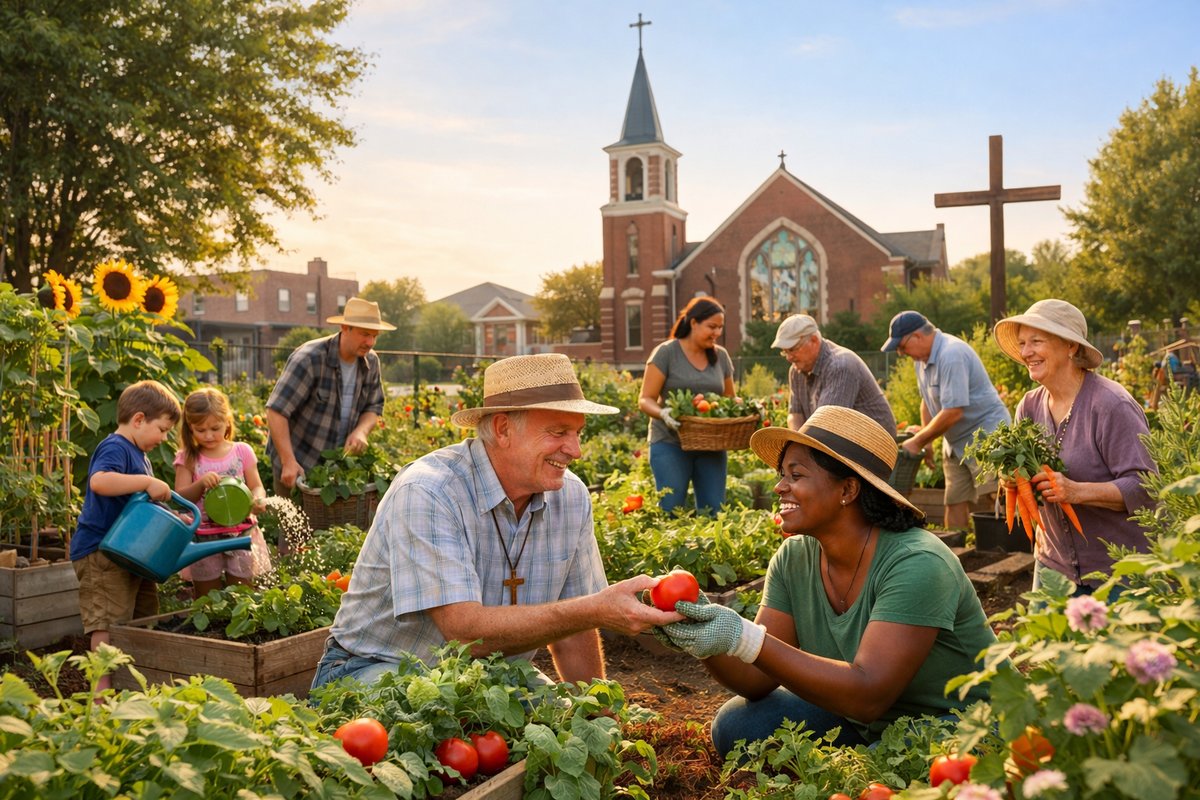
Across cities large and small, Christian congregations are turning vacant lots into flourishing community gardens, blending hands-on service with spiritual nourishment. These green spaces offer more than fresh produce-they cultivate fellowship, environmental stewardship, and a renewed sense of purpose in neighborhoods facing food insecurity.
In neighborhoods grappling with rising food costs and limited grocery access, a growing number of Christian churches are transforming unused land into vibrant community gardens. What began as small pilot plots behind a handful of urban parishes has blossomed into a movement stretching from the industrial corridors of Detroit to the historic districts of Charleston.
At St. Mary’s Lutheran in Detroit, the former gravel parking lot next to the sanctuary now teems with tomato vines, kale beds, and Native pollinator-attracting wildflowers. Members detail beginnings in early spring, when a handful of volunteers cleared debris by hand, installed raised beds, and prayed over the soil before sowing seeds. By midsummer, bushels of produce were delivered to a nearby food pantry, and trays of fresh salads served at midweek fellowship meals.
“We didn’t just plant vegetables,” reflects Pastor Elena Ruiz, who helped spearhead the project. “We planted relationships-between neighbors, between generations, and between our church and the wider community.” The garden has become an informal outdoor chapel, where harvest festivals and evening prayer circles unfold among the rows of basil and carrots.
In Charleston, an ecumenical partnership led by Trinity Episcopal has converted three vacant lots into intergenerational green spaces called “Sanctuary Gardens.” Meditative benches face circular herb beds labeled with biblical references-rosemary for remembrance, mint for hospitality, lavender for peace. Gardeners trace scripture passages that liken growth to faith: “As you have received Christ Jesus, so walk in him, rooted and built up in him” (Colossians 2:6-7).
Local schools have joined in. On weekday mornings, children from a nearby elementary school don gardening gloves and kneeling pads to help water seedlings. Teachers report improved focus and empathy as students care for living plants-and each other. Weekly “Garden Devotionals” led by church volunteers introduce young learners to stories of sowers and harvesters, inviting them to draw parallels with patience and generosity.
Data from a recent survey by the National Community Gardening Coalition shows that church-run gardens nationwide have produced over two million pounds of fresh produce in the past year. In cities with high food insecurity rates-where one in five households struggles to afford balanced meals-these projects can supply dozens of families each week with tomatoes, peppers, zucchini, and leafy greens.
Environmental stewardship also figures prominently. Many congregations are adopting composting systems to recycle food scraps and fallen leaves, creating nutrient-rich soil that reduces reliance on chemical fertilizers. Solar-powered drip irrigation systems stretch across plots, conserving water and demonstrating how faith communities can model sustainable practices in their neighborhoods.
At Grace Baptist Church in Seattle, an innovative “Urban Farm Fellowship” launched last spring. Volunteers erected a small greenhouse and installed vertical garden panels to grow strawberries and lettuces year-round. Monthly potlucks feature dishes prepared from the harvest-and brief talks on ecological theology, honoring the sacredness of creation and our responsibility as caretakers of the earth.
For many participants, the labor itself becomes prayer in action. As hands dig through fertile soil, tongues hum hymns, and voices share intentions-requests for healing, gratitude for abundance, hopes for reconciliation. Garden leaders offer short pastoral reflections under the shade of community-built pergolas, drawing on nature imagery in Scripture to deepen spiritual awareness.
Challenges arise alongside the blessings. Volunteers must navigate zoning regulations, secure water rights, and fund ongoing expenses such as seeds, soil amendments, and fencing. Some churches have turned to micro-grants from denominational outreach funds or partnered with local nonprofits to underwrite start-up costs. The Evangelical Environmental Network recently awarded seed funding to ten church gardens in metropolitan areas across the United States.
Volunteers highlight the social impact beyond food distribution. Older gardeners mentor youth through seed-starting workshops, while newcomers to the neighborhood find a welcoming space to make friends. Immigrant communities contribute heirloom seeds from their homelands-Amaranth from West Africa, snailshell okra from Jamaica-fostering cross-cultural exchange and honoring diverse traditions within the church body.
Looking ahead, some churches are exploring rooftop gardens and hydroponic systems to expand capacity in densely built environments. A coalition in Chicago recently announced plans for a 5,000-square-foot rooftop greenhouse atop a former warehouse church, slated to supply produce to local shelters during winter months. They envision an integrated learning center where visitors can attend classes on composting, urban farming, and eco-theology.
As the movement flourishes, advocates emphasize that community gardens are more than a charitable endeavor-they are living symbols of faith, hope, and renewal. By turning brownfields into fields of plenty, these Christian congregations demonstrate tangible love in action, sowing seeds that feed bodies, nurture souls, and transform neighborhoods.
In these shared green spaces, the promise of new life takes root-one seed, one prayer, and one harvest at a time.