Location
Mount Vernon, WA 98274

Location
Mount Vernon, WA 98274
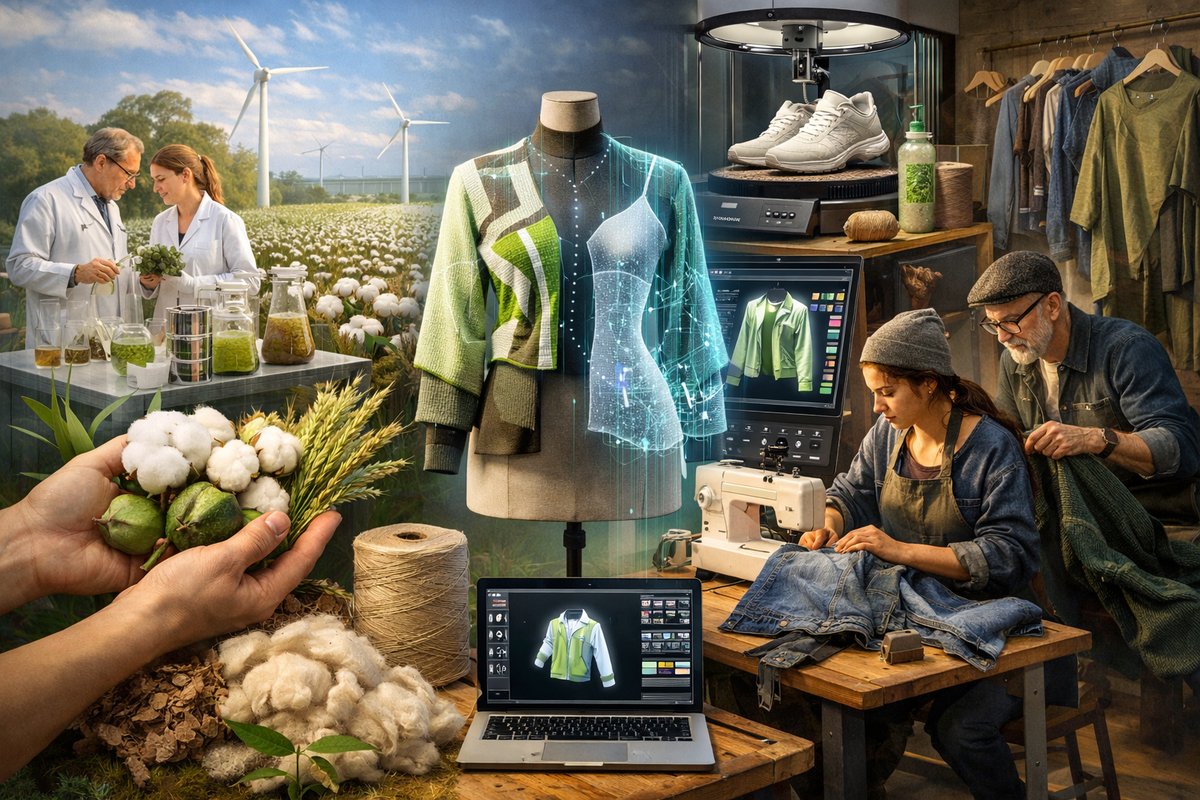
From seed-to-wardrobe initiatives to neighborhood repair collectives, fashion is embracing a blend of cutting-edge tech and age-old craft. Discover how circular systems, bio-based fibers, and digital design tools are reshaping our wardrobes-and offering fresh ways to express identity responsibly.
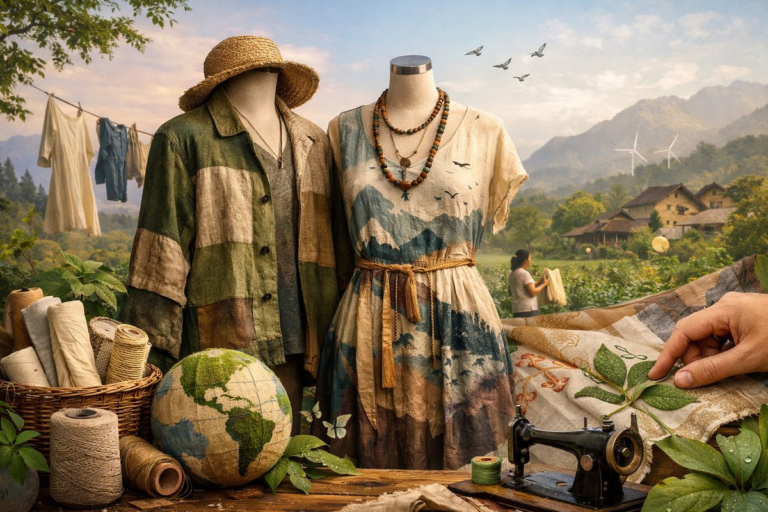
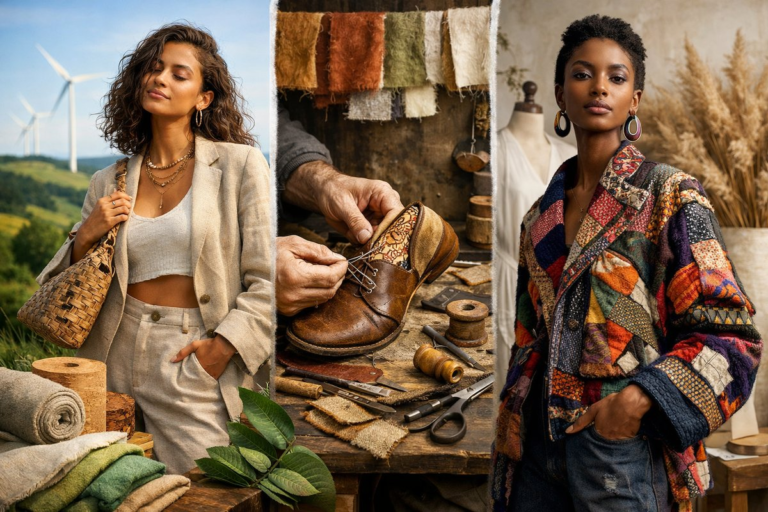
A pair of worn-in jeans threaded through a 3D-printed loom. A patchwork blazer dyed in a backyard indigo vat. A digital wardrobe that tracks every thread’s history. In cities and rural towns alike, a powerful new narrative is emerging in fashion: one where technology and craftsmanship join forces to close the loop on waste, amplify local traditions, and empower individuals to become co-creators of their own style stories.
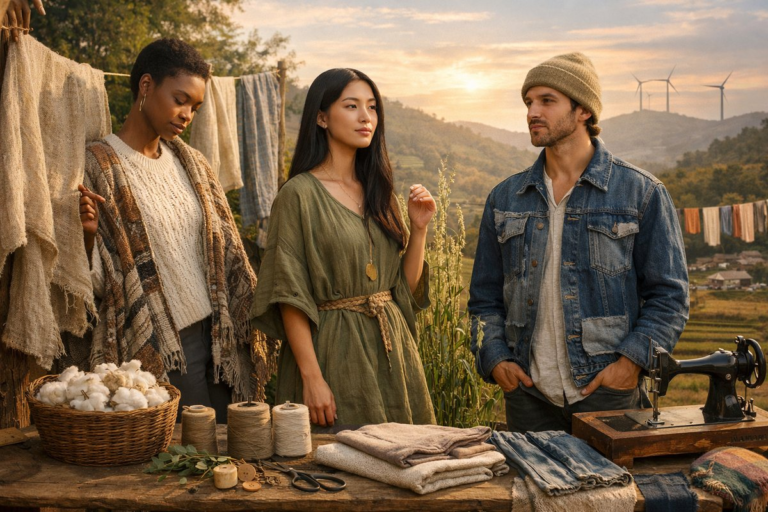
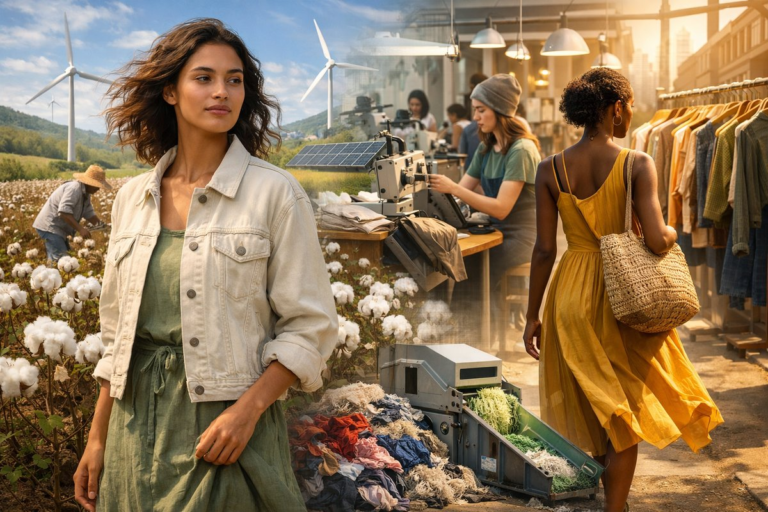
It starts at the source. Regenerative hemp and flax farms are moving beyond organic certification to restore soil health, sequester carbon, and revive native pollinators. On one collective project in northern Europe, farmers practice rotational grazing alongside fiber crops, eliminating synthetic fertilizers and cutting water use by half. The result is a canvas of highly durable linen and hemp blends, with a fraction of the environmental footprint of conventional cotton. These farm-to-fiber cooperatives share transparent data on yields, inputs, and labor practices via open-source blockchain platforms-giving designers and consumers alike a clear line of sight into every bale, thread, and stitch.
Once fibers arrive at small-batch microfactories, digital weaving and laser-cutting tools kick in. Fashion startups have begun integrating on-demand looms that adjust patterns in real time based on customer measurements and color preferences. Rather than mass-produce hundreds of identical pieces, these machines spin out limited runs or even single garments precisely dialed to an individual’s anatomy. Waste from offcuts and misprints is redirected back into new fabric blends, upcycled into accessories or insulation for home goods. It’s a radical pivot from the one-size-fits-all model-and it drastically reduces both inventory storage and markdown waste.
Meanwhile, neighborhood repair cafés and mobile mending trucks are proliferating. Enthusiasts armed with zero-waste sewing kits host weekend sessions in community parks, teaching patchwork techniques and natural dye recipes. A recent pop-up in a coastal town drew more than two hundred participants eager to revive vintage finds and mend family heirlooms. Under the guidance of master dyers, folks learned to extract color from onion skins, turmeric, and local tree bark-crafting unique marbled effects far richer than any synthetic pigment. Leftover plant pulp is composted on site, feeding municipal gardens and closing another loop in the urban food-fiber continuum.
Digital tools are fueling this renaissance, too. Smartphone apps now let you scan your closet and generate repair tutorials, shade-matching guides, and sustainable styling suggestions. AI-driven algorithms recommend minor alterations-like tapering or lengthening a sleeve-based on trending silhouettes and personal taste profiles. If you choose to send a garment to a partner repair hub, pickup and drop-off are coordinated automatically, keeping trips consolidated and carbon emissions low. The same platform tracks the repair history and provenance of each piece, turning your wardrobe into a living ledger of stories and impacts.
At the same time, experimental biofabrication labs are scaling up leather alternatives grown from mushroom mycelium or fermented microbial proteins. These materials exhibit the aesthetic and tactile qualities of traditional leather but require far less land, water, and chemicals. One leather-alternative brand opened its pilot facility adjacent to a brewery, upcycling spent grain and yeast into a supple, deeply grained façade that can be molded into boots, jackets, and bags. When the final product reaches end of life, it breaks down naturally in a matter of months-unlike conventional leather, which can remain intact in landfills for decades.
But technological innovation alone doesn’t guarantee lasting change. Many designers stress the importance of narrative and connection: giving each garment a storyline that resonates on an emotional level. Some brands partner with artisans in remote regions to weave traditional motifs into contemporary cuts, offering a fair wage and shared intellectual property rights. Online platforms then feature video profiles of the artisans, allowing customers to virtually visit the villages where their scarves and shawls were made. This human connection becomes part of the garment’s aura, encouraging wearers to cherish and repair rather than discard.
Even fast-paced urban centers are joining the movement. Pop-up microfactories inside shipping containers allow city slickers to witness real-time garment assembly, customization, and finishing. Patrons can choose from a library of modular jacket panels-sleeves, collars, pockets-and watch a robotic arm stitch their unique combination in under thirty minutes. Excess materials are fed back into a built-in shredder that readies fibers for new spools, reinforcing the zero-landfill ethos. These pop-ups travel between festivals, campuses, and coworking hubs, sparking conversations about consumption patterns and the lifecycle of textiles.
Meanwhile, second-hand platforms are embracing “virtual try-before-you-buy” technology. Using augmented-reality filters, shoppers can overlay pre-owned dresses, jackets, or sneakers onto their live video feed-ensuring the right fit and style before committing to a purchase. Completed orders come with returnable packaging designed for multiple uses. Once returned, garments undergo gentle steam-cleaning and gentle repairs, then re-enter the resale ecosystem with full traceability metadata intact.
Financial innovators are stepping in, too. New “wardrobe impact” loan products let consumers spread the cost of higher-quality, sustainable pieces over several months. The terms adjust based on a garment’s projected lifespan and repairability score: items with longer service life and easy-to-source spare parts qualify for lower interest rates. This approach nudges buyers toward durable, repairable investments and away from disposable fast fashion.
Yet the movement isn’t limited to apparel alone. Footwear brands are trialing modular soles that can be replaced independently of the uppers, while accessory makers offer swap-and-return services for biodegradable sunglasses and upcycled metal jewelry. Retailers are experimenting with in-store grain depositories, where customers deposit clean textile scraps in exchange for loyalty points-each handful of waste fiber becomes seed money for local repair clubs.
Critics argue that tech hype can overshadow deeper systemic change. They caution that without robust regulations on supply chain emissions and worker protections, digital platforms may merely shift consumption patterns rather than curbing overall volume. Some activists call for “repair credits” that obligate brands to accept returns and extend product lifespans, while others lobby for mandatory eco-design standards across the industry.
Still, the momentum is undeniable. Across continents, designers, engineers, farmers, and community organizers are reimagining what clothing-and style-can mean in a world facing complex environmental and social challenges. Every stitch, patch, and pixelated pattern tells part of the story: a narrative of regeneration, shared craftsmanship, and mindful consumption. As these circular systems scale, they not only redefine the aesthetics of garments but also rekindle a sense of agency and belonging in the people who wear them.
In this new chapter of fashion, the lines between creator and consumer blur. We are invited to co-design our wardrobes, celebrate the origins of our threads, and mend the fractures between industry and ecology. Whether through a local repair café, a blockchain-backed fiber cooperative, or a pop-up 3D-printed atelier, the tools are in our hands-and on our skin. The question is no longer what we’ll wear, but how we’ll write the future together, one garment at a time.