Location
Mount Vernon, WA 98274

Location
Mount Vernon, WA 98274
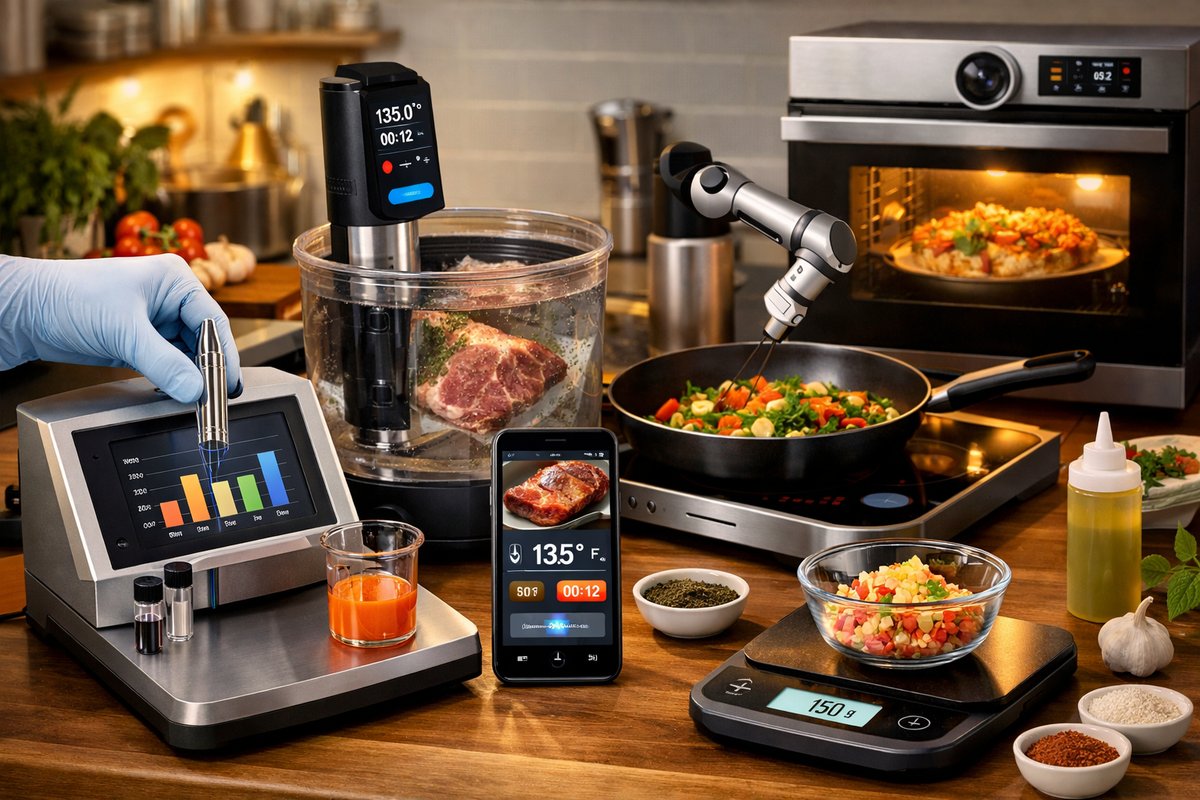
From portable "electronic tongues" that map taste profiles to app-connected appliances that automate precision tasks, a wave of sensor-driven tools is reshaping both professional and home kitchens. These innovations promise to reduce waste, unlock new flavor combinations and bring restaurant-style control to everyday cooks.
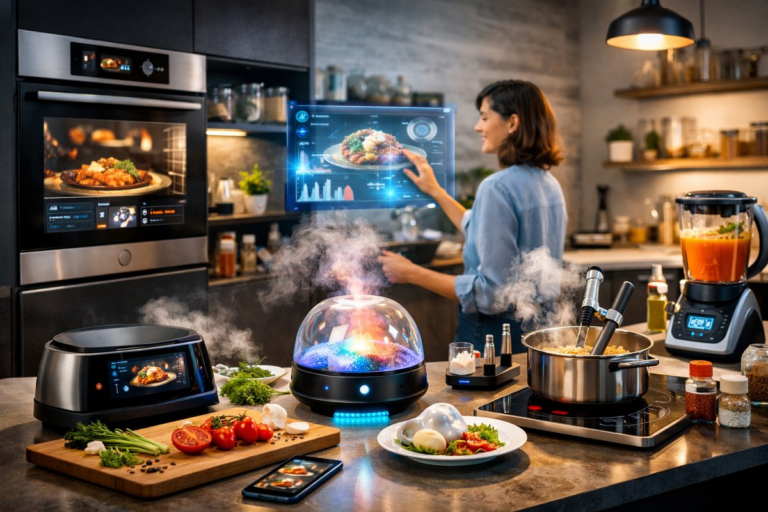
In kitchens everywhere, cooking is ceasing to be a purely manual art. Sensor arrays, wireless modules and machine-learning algorithms are creeping into cookware, utensils and work surfaces, promising greater precision and new creative possibilities. What began as novelty gadgets has grown into a full-blown movement: kitchens are becoming living labs, where data points help cooks monitor temperature trends, measure flavor compounds and even predict cooking times with uncanny accuracy.
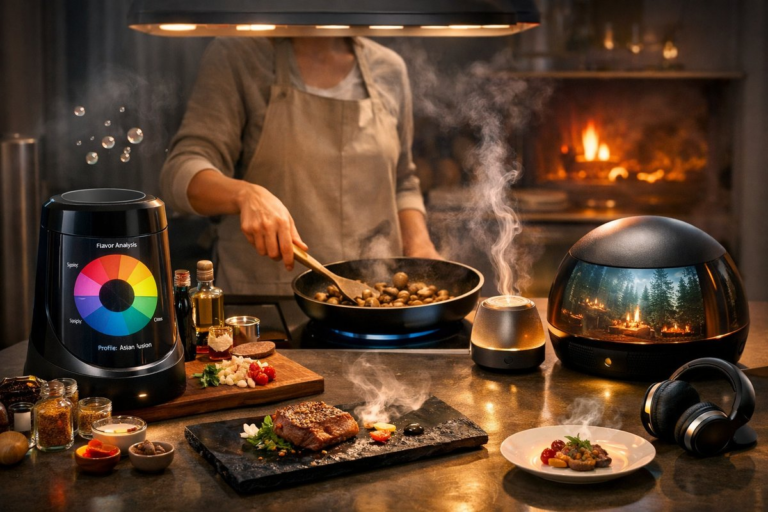
This spring, researchers at a leading technical institute unveiled a portable “electronic tongue” device capable of analyzing taste by measuring electrical signals in liquids. By dipping tiny probes into sauces or stocks, the tool generates a digital flavor fingerprint-revealing pH levels, acidity balances and aromatic compounds in seconds. Early tests show it can track subtle differences between olive oils, identify spoilage in dairy and distinguish between tomato varieties, equipping cooks with objective insights they once judged by smell and taste alone.
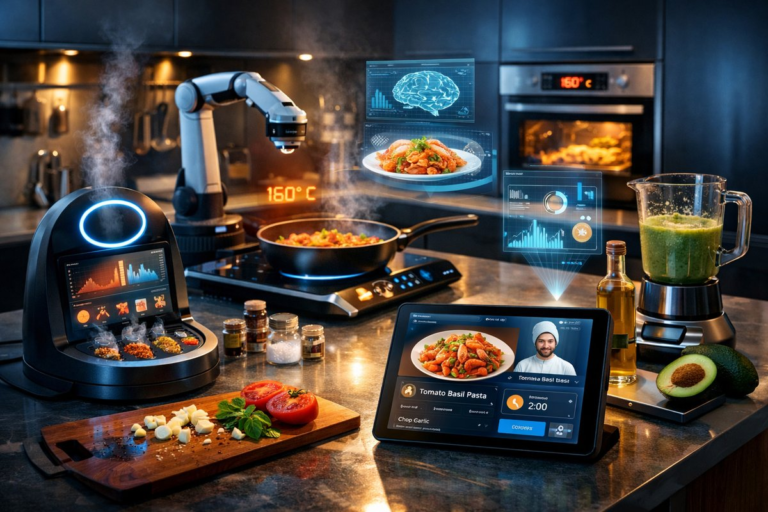
Not to be outdone, hardware startups have introduced countertop robots that apply those sensory insights directly to cooking. At this year’s major electronics expo, one prototype used built-in cameras and spectrometers to scan ingredients, then suggested seasoning adjustments or cooking parameters in real time. Users simply load the hopper with chopped vegetables, lean protein or grains, select a profile-such as “savory-sweet stir-fry” or “smoky barbecue marinade”-and let the machine dispense oil, vinegar and spices according to a recipe written by AI.
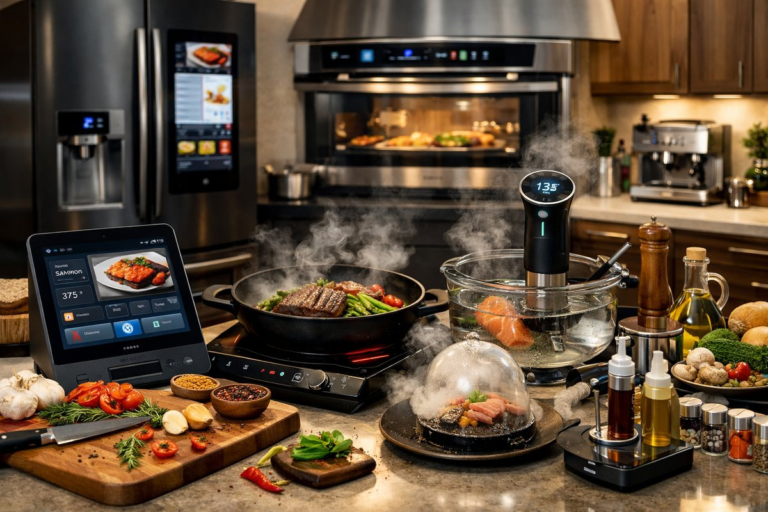
Meanwhile, smart kitchen scales have graduated from simple weight tracking to full ingredient recognition. These Wi-Fi-enabled platforms combine cameras, load-cell sensors and cloud-based artificial intelligence to identify what’s on the platform and estimate nutritional breakdowns. Home cooks can now place a handful of mixed nuts on the scale, view calorie and macro counts on their smartphone, and sync the data with meal-planning apps. Some models even adjust portions on connected appliances, sending commands that tweak cook times or power levels.
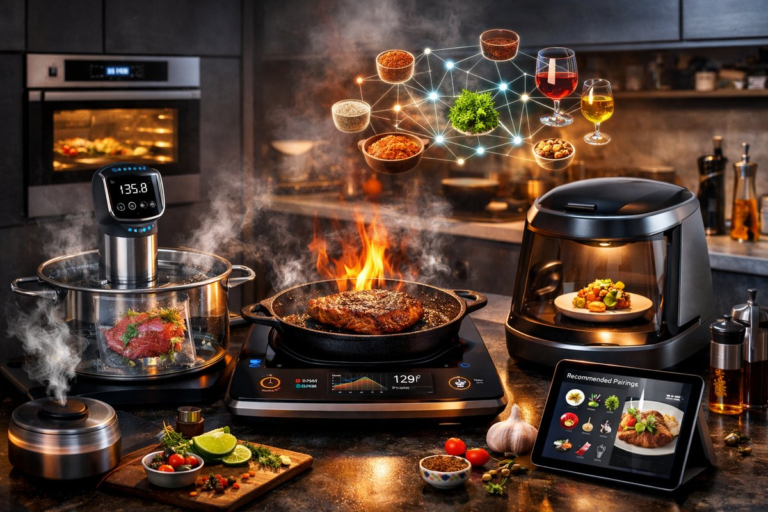
On the stovetop, induction cooktops with built-in sensor networks are quietly revolutionizing heat control. Instead of relying on manual dials, these units incorporate thermal cameras and inertial sensors to detect pot location, size and movement. When a sauce begins to boil over or the pan runs dry, the system automatically reduces power. Certain models offer “recipe mode,” where the user selects from an on-screen library and the cooktop follows a step-by-step algorithm, shifting between simmer and sear without manual intervention.
Air fryers, pressure cookers and fermentation kits have all gone smart. App-connected air ovens now track humidity levels and adjust fan speed to mimic deep-frying textures without oil. Smart fermentation crocks monitor temperature and acidity during pickles, kombucha or sauerkraut cycles, notifying users when cultures peak. Everything is logged in cloud dashboards, enabling cooks to rerun only their favorite flavor curves and avoid batches gone wrong.
Professional chefs and commercial kitchens have led the way in adopting these tools. A handful of restaurant groups now employ networked temperature sensors in walk-in coolers and freezers to ensure food safety compliance, with alert triggers that reverse chef error or equipment failure. Some high-end test kitchens integrate AI-driven ordering systems that forecast demand for each dish, reducing overstock and spoilage by up to 25 percent in pilot trials.
Such efficiency gains underscore the sustainability promise of sensor-driven cooking. By tying inventory management to real-time usage data, operators can cut food waste, slash energy consumption and optimize delivery schedules. At home, cooks can track produce ripeness, receive alerts to use herbs before they wilt or discover creative ways to repurpose leftovers based on what’s about to expire.
Yet with every sensor installed comes a layer of data privacy to navigate. Many apps collect detailed habit patterns-how often we cook, what we prepare and when we entertain. Ultimately, that information could be shared with grocery platforms or advertisers seeking to personalize offers. As kitchen devices become extensions of our digital lives, experts warn that clear privacy policies and local-only data processing will be essential to build trust.
Beyond efficiency, the most exciting promise is flavor exploration. Imagine calibrating your skillet’s motion to achieve the perfect toss, or storing custom spice blend formulas in the cloud and sharing them with friends around the world. Sensor networks can detect volatile compounds released during roasting or sautéing, offering suggestions-like adding a pinch of citrus zest to brighten a heavy gravy-based on patterns learned from thousands of recipes.
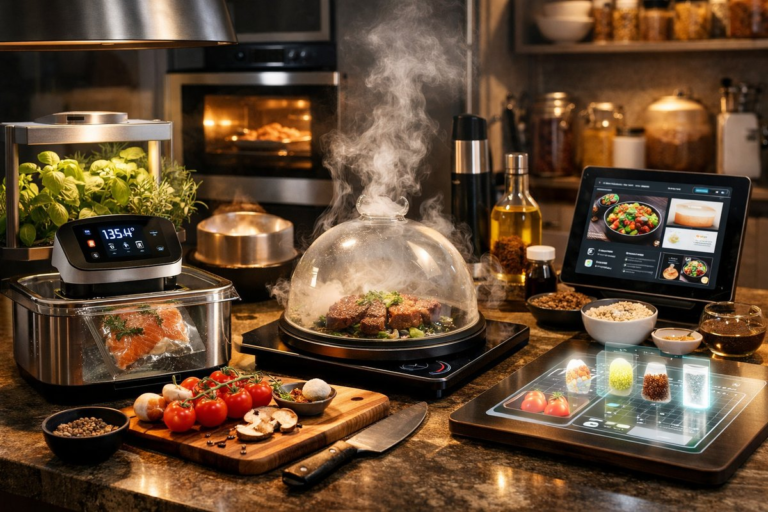
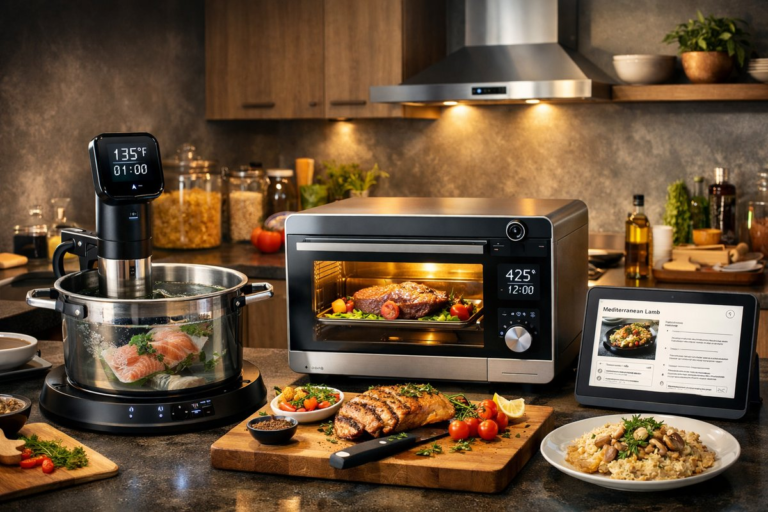
For curious home cooks, the democratization of professional-grade tools marks a turning point. Boutique kitchen gadget makers are packaging sous-vide immersion circulators, temperature-controlled smokers and portable spectroscopy kits in sleek form factors at consumer price points. What was once confined to culinary institutes and restaurant R&D labs is now accessible to anyone with a smartphone and a work surface.
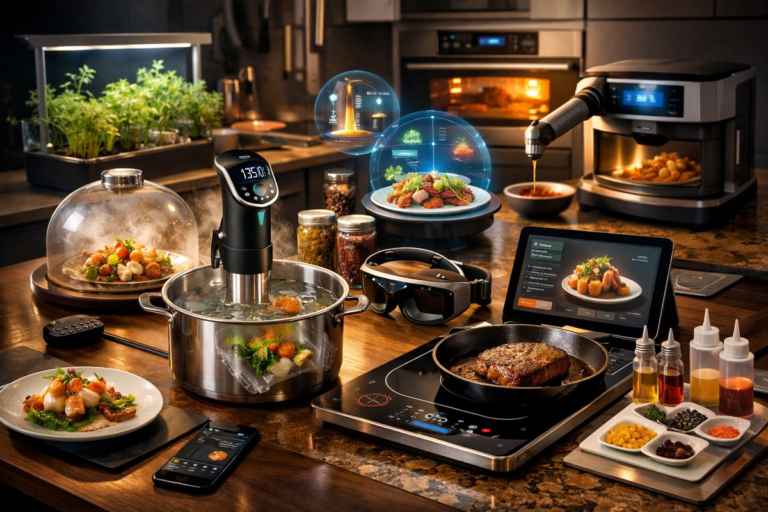
Augmented-reality cooking classes are also rising in popularity, turning the kitchen into an interactive stage. Wearing lightweight smart glasses, learners see floating timers, temperature gauges and ingredient overlays projected onto pans and cutting boards. Instructors can guide real-time adjustments from across the globe, making remote collaboration as tactile as a side-by-side session.
Looking ahead, robotics and 3D food printing may be the next wave. Early adopters are experimenting with printers that layer vegetable-based “inks” into playful garnishes or protein pastes into personalized nutrition bars. As printing resolution improves and ingredient cartridges expand, we could one day walk into our kitchen and print a customized meal from a recipe file.
No matter how advanced the gear becomes, the human touch remains central to cooking’s emotional core. Sensors and algorithms may handle accuracy and consistency, but the decision to share a meal, season to taste or invent a new dish will always start in the imagination. As our kitchens grow smarter, the heart of cooking-connection, creativity and delight-burns brighter than ever.