Location
Mount Vernon, WA 98274

Location
Mount Vernon, WA 98274
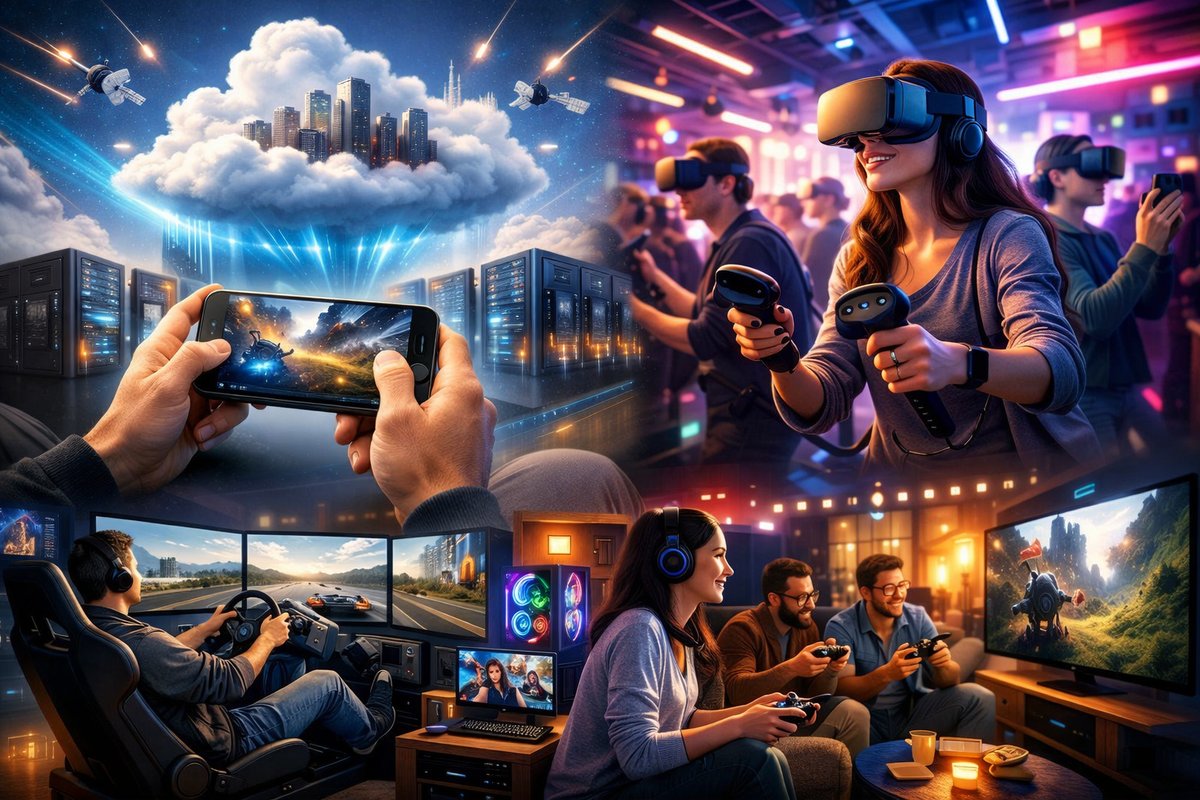
From low-latency cloud streams to pop-up VR arcades and modular home rigs, the latest shifts in gaming blend portability, immersion, and social connection. Discover the trends redefining how we play, share, and level up our personal setups.
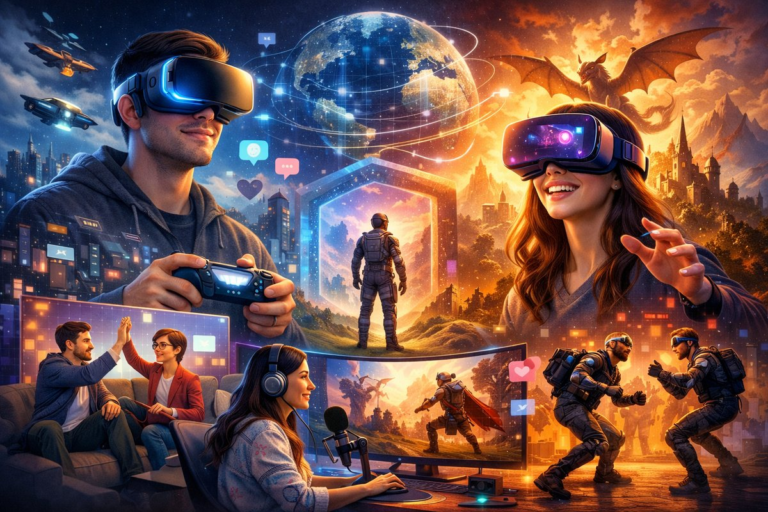
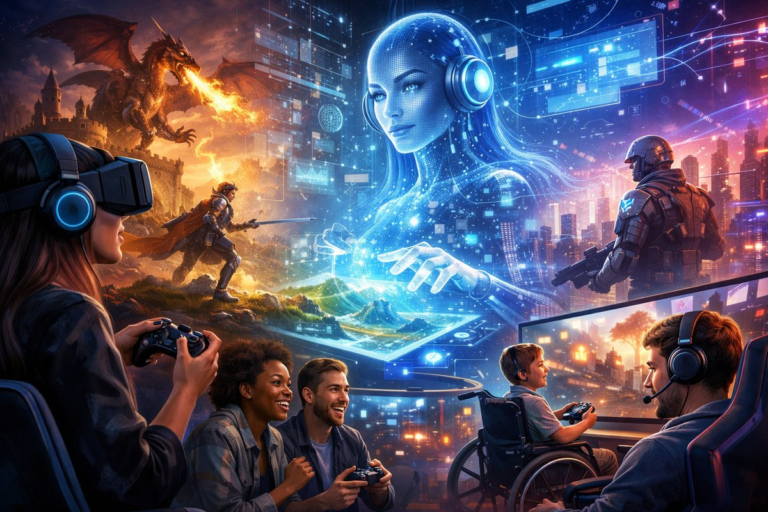
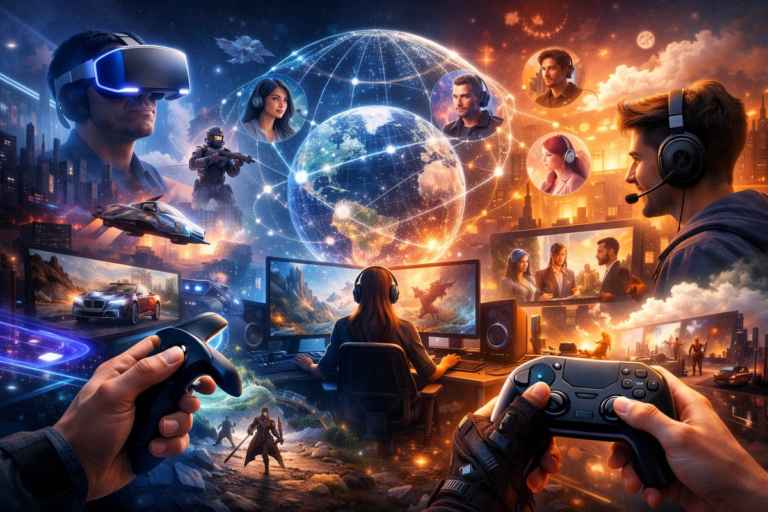
The world of play has never been more dynamic. In living rooms, coffee shops, and city squares, new approaches to immersion and interactivity are converging in ways that challenge traditional boundaries between solo and social, local and cloud. Gamers are experimenting with on-demand streaming, pocketable PCs, pop-up community hubs, and AI-driven companions-all at once. This isn’t just about toys and tech; it’s about designing experiences that fit into daily life, reflect personal values, and spark genuine connection.
Major cloud gaming platforms have matured beyond prototype, driven by improved network infrastructure and edge servers placed closer to urban centers. What once required a wired connection and a high-end console can now run smoothly on a smart TV, tablet, or even a midrange laptop. Frame rates near 60fps and sub-50ms latency are becoming common in regions with robust 5G and fiber coverage. For players, the result is freedom from hardware upgrade cycles and a shift toward subscription bundles that include AAA titles, retro collections, and occasional early-access indie hits. Yet while cloud streaming offers convenience, it also revives debates around digital closures, data privacy, and the environmental cost of distant data centers.
At the same time, the rise of handheld gaming PCs-portable devices powered by desktop-class processors and graphics chips-has sparked a renaissance in on-the-go play. These pocket-sized powerhouses let users switch from demanding open-world epics to arcade-style shooters during commutes or travel breaks. Modular accessory ecosystems-interchangeable grips, clip-on controllers, dock adapters, and battery modules-enable customization for extended play sessions or desktop-style setups. Some early adopters are even building custom shells with 3D printers, swapping faceplates in vibrant hues or embedding NFC chips to launch friend matches automatically.
Back at home, enthusiasts are investing in modular furniture and smart accessories that transform a multipurpose room into a dynamic gaming den in seconds. Adjustable desks with steel frames and sustainably sourced wood tops can adapt between standing-desk coding sessions and seated raid nights. Magnetic cable trays, snap-on headset hooks, and RGB-backlit panels streamline the tangle of wires and peripherals. Even small apartments benefit: fold-away monitor mounts and wall-mounted console cabinets reclaim floor space. And with USB-C hubs and wireless chargers built directly into desktop surfaces, charging cables quietly vanish.
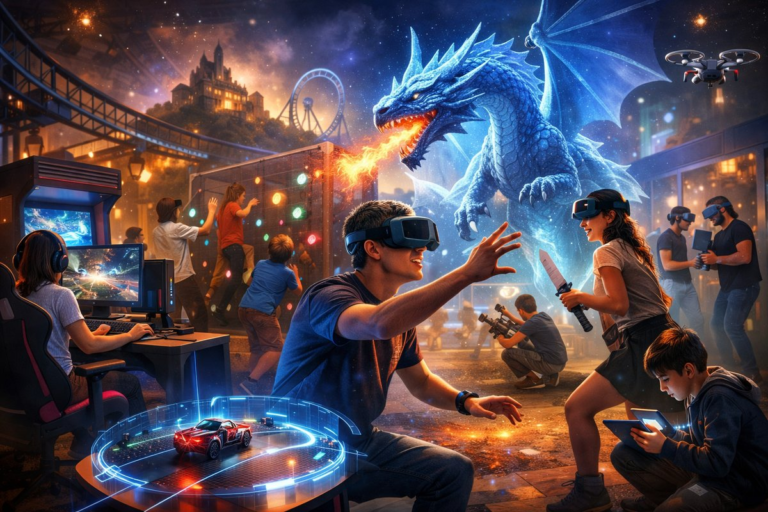
Communal gaming experiences are also moving beyond the classic arcade. In major cities across Europe and Asia, temporary pop-up arcades fuse VR fitness parks with local indie showcases. Visitors can don advanced standalone headsets and explore collaborative rhythm games, PC-VR demos, or motion-tracked shooter rooms. Some events pair local street food vendors with lounge areas for board game meetups-creating a hybrid festival feel that appeals to gamers and casual passersby alike. This trend offers smaller developers a chance to test prototypes, gather real-time feedback, and crowdfund future expansions.
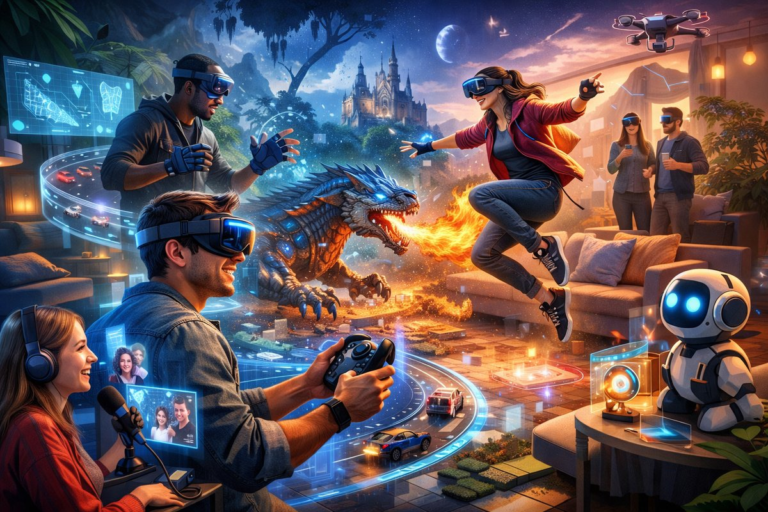
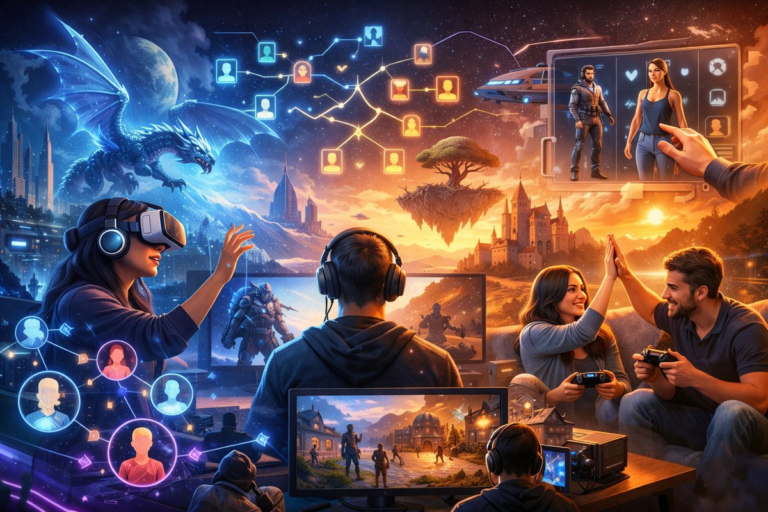
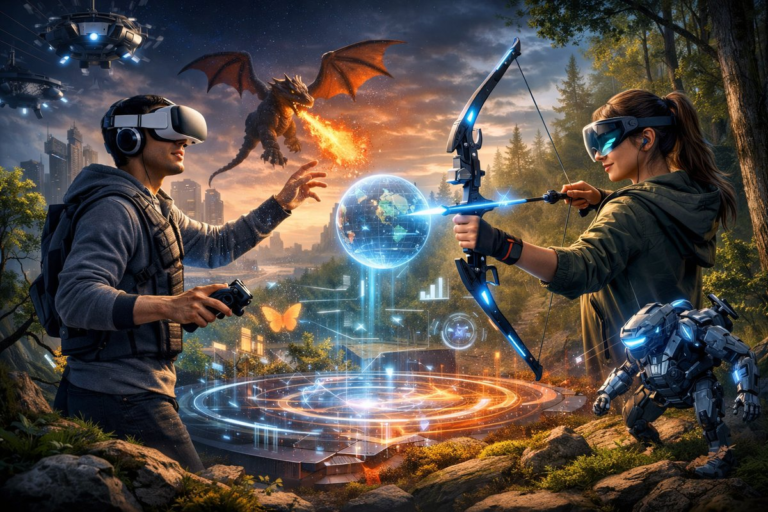
The social dimension extends online as well. Cross-reality e-sports tournaments are emerging where in-venue spectators cheer alongside remote viewers watching mixed-reality streams. AR overlays on mobile devices turn public parks into battlefield maps for team objectives, encouraging players to balance exercise and strategy. AI-driven NPC companions are being trialed in open beta tests-adaptive sidekicks that learn playstyles, deliver dynamic commentary, and even moderate voice chat to reduce toxic behavior. Early reports indicate these virtual teammates can boost newcomer retention and foster more positive community interactions.
Indie studios are seizing the momentum by blending familiar genres with innovative tech. One sleeper hit on cloud platforms features procedural story arcs powered by machine learning, allowing each player’s path to diverge based on past dialogue choices. Another experiment combines live-action video capture with sandbox physics, letting players create short films by directing NPC extras. These projects underscore a shared ethic among creators: curiosity over convention, emotional engagement over sterile polish.
Looking ahead, expect to see further convergence of sustainability and privacy with play. Solar-powered charging docks for portable rigs are already in prototype stages, while encrypted local servers let tight-knit communities host private cloud lobbies without sharing personal data. Open-source firmware for USB switches and router-level ad blockers are making their way into enthusiast marketplaces, reflecting a growing demand for user agency at every layer of the setup.
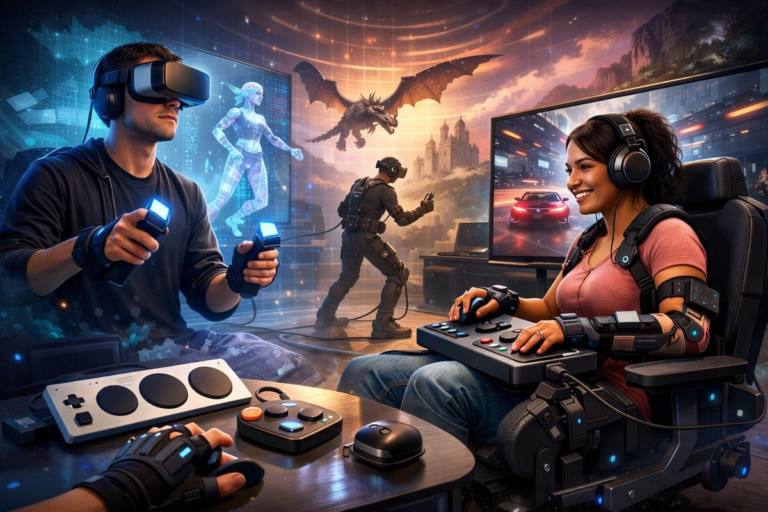
Whether you’re an urban commuter seeking quick mobile sessions or a dedicated enthusiast building a dedicated entertainment alcove, the landscape of gaming and interactive play is more modular and inclusive than ever. By embracing hybrid streaming, portable hardware, communal pop-ups, and AI companions, this new era empowers players to craft experiences that align with their values: flexibility, sustainability, privacy, and genuine social bonds.
Embrace the tools and trends that resonate with you, and remember: play is serious business, but it should also be personal, purposeful, and profoundly fun.