Location
Mount Vernon, WA 98274

Location
Mount Vernon, WA 98274
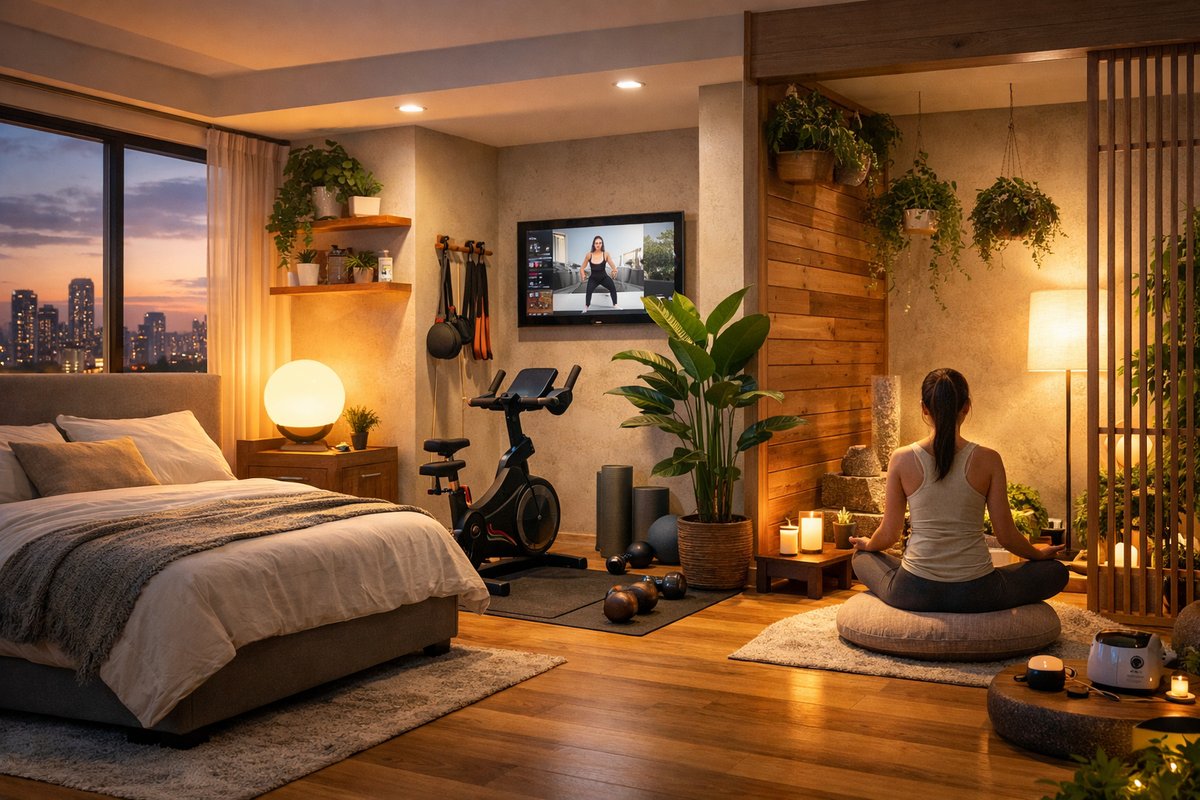
As urban life accelerates, people are reclaiming personal space to anchor sleep, movement, and mental clarity. From circadian lighting and biophilic accents to adaptive fitness corners and noise-masking retreats, discover how new approaches are reshaping our homes into all-in-one well-being hubs.
Urban dwellers are reimagining their living spaces as complete wellness sanctuaries-micro-ecosystems that combine natural elements, smart technology, and behavioral science to support vitality, rest, movement, and mental clarity. This shift isn’t a fleeting trend but a response to growing evidence on how environment shapes well-being. Recent guidelines from leading wellness institutes emphasize five core pillars-air quality, lighting, acoustics, ergonomics, and access to nature-as essential ingredients in any space designed for health. Whether you have a compact studio or a suburban home, the following insights reveal how to weave these principles into everyday life.
The Science of Biophilic Environments
Bringing nature indoors is more than a decorative flourish. Studies show that exposure to plant life, natural patterns, and daylight can lower cortisol levels, boost focus, and speed cognitive recovery after mental fatigue. The International WELL Building Institute’s latest standards recommend integrating real or simulated greenery in at least 75 percent of occupied hours. For small apartments, a cluster of low-light houseplants or a living wall panel by a window can create visual depth and improve air quality. Even a single potted fern next to an adjustable desk can trigger a measurable increase in perceived well-being and productivity.
Circadian Lighting for Restful Nights and Alert Days
Our circadian rhythms are primarily governed by light exposure. Blue-enriched white light in the morning promotes wakefulness, while warmer amber tones in the evening encourage melatonin release. Today’s tunable LED fixtures allow users to program light sequences that align with their natural sleep-wake cycles. Designers recommend pairing overhead fixtures with desk lamps featuring built-in timers, so your workspace transitions from bright, cool light to a soft, golden glow three hours before bedtime. Combined with blackout curtains and a dedicated “sleep nook,” these adjustments can reduce sleep latency by up to 30 percent, according to sleep foundation data.
Adaptive Soundscapes and Acoustic Retreats
Ambient noise often disrupts deep focus and restorative sleep. Instead of relying solely on noise-cancelling headphones, many wellness enthusiasts are installing compact sound-masking machines that emit curated soundscapes-gentle rain, ocean waves, or soft white noise. When placed near seating areas or bedside tables, these devices can minimize the impact of traffic hum or neighbor chatter. For dedicated quiet zones, acoustic wall panels made from recycled textile fibers absorb up to 85 percent of mid-frequency noise. A small collection of these panels around a reading chair or meditation cushion instantly creates an “auditory bubble” conducive to emotional clarity.
Movement-Friendly Nooks
Sitting for extended periods is linked to musculoskeletal strain and metabolic slowdown. Wellness-driven interiors now incorporate modular fitness stations-a fold-away yoga corner, compact adjustable standing desks, and retractable ballet bars for daily stretch routines. Ergonomic floor mats with firm, shock-absorbing cores provide joint support under standing desks or in home studios. Some users integrate smart mirrors that overlay posture corrections and live-streamed classes, turning a spare wall into a real-time movement guide. By making movement an effortless part of your routine, these setups can add 30 extra minutes of daily activity without disrupting work or leisure patterns.
Sleep-First Bedroom Design
Bedrooms are evolving from catchall storage rooms into dedicated sleep sanctuaries. Mattress toppers with phase-change materials regulate temperature by absorbing excess heat, while organic cotton sheets enhance breathability. A minimalist approach-banishing screens and clutter-reduces cognitive stimulation before bed. Smart sleep trackers worn on the wrist or placed on the nightstand monitor heart rate variability and bedroom temperature, then offer tailored tips each morning. According to a recent consumer survey, over 60 percent of users saw an improvement in sleep efficiency after adopting data-driven routines and bedroom optimizations.
Mindfulness and Emotional Clarity Corners
Creating a small alcove for mindfulness practice can anchor emotional health. This corner might include a low meditation platform, a timer or gentle chime speaker, and a small selection of tactile objects-smooth stones, breathing beads, or a simple journal. Calming color palettes in muted greens or soft grays further encourage introspection. For those who prefer guided sessions, plug in a portable speaker with preloaded mindfulness programs or ambient soundtracks. Even five minutes in this designated oasis can lower blood pressure and improve mood regulation, according to psychological research.
Sustainability and Material Choices
True wellness extends beyond personal health to environmental stewardship. Eco-friendly materials-bamboo flooring, cork wall tiles, and reclaimed wood furniture-reduce chemical off-gassing and support sustainable production. Low-VOC paints and water-based adhesives help maintain indoor air quality. Many manufacturers now offer upcycled textile rugs and recycled-fiber acoustic panels that blend style with responsibility. By choosing durable, ethically sourced pieces, your home wellness hub not only nourishes your body and mind but also respects planetary health.
Designing Your Personalized Wellness Hub
Every individual has unique rhythms, preferences, and constraints. Start by auditing your space: track light levels over a 24-hour cycle, measure noise peaks, and note areas where movement is restricted. Define your primary goals-better sleep, more daily movement, sharper focus-and select one element from each core pillar to upgrade first. A step-by-step approach prevents overwhelm and allows you to measure impact. Over time, iterate based on real-time feedback from wellness trackers, mood logs, and simple self-assessments.
The future of home design is wellness-centric. As more people spend significant hours indoors-working, resting, exercising-the line between living area and well-being support system will continue to blur. By integrating biophilic features, circadian lighting, acoustic treatments, ergonomic movement zones, and mindfulness corners, you can transform any dwelling into a resilient sanctuary. This holistic approach ensures that your home isn’t just a backdrop for daily life, but a proactive partner in nurturing health, clarity, and balance.
A Flourishing Personal Ecosystem
Wellness isn’t a compartmentalized activity-it’s woven through every breath, step, and thought. Your home environment plays a pivotal role in orchestrating this symphony of well-being. As design and technology converge, personalized sanctuaries grow ever more accessible. Start small, stay curious, and let your space evolve alongside your needs. In doing so, you’ll cultivate a thriving personal ecosystem that supports vitality, restorative rest, and emotional clarity for years to come.