Location
Mount Vernon, WA 98274

Location
Mount Vernon, WA 98274
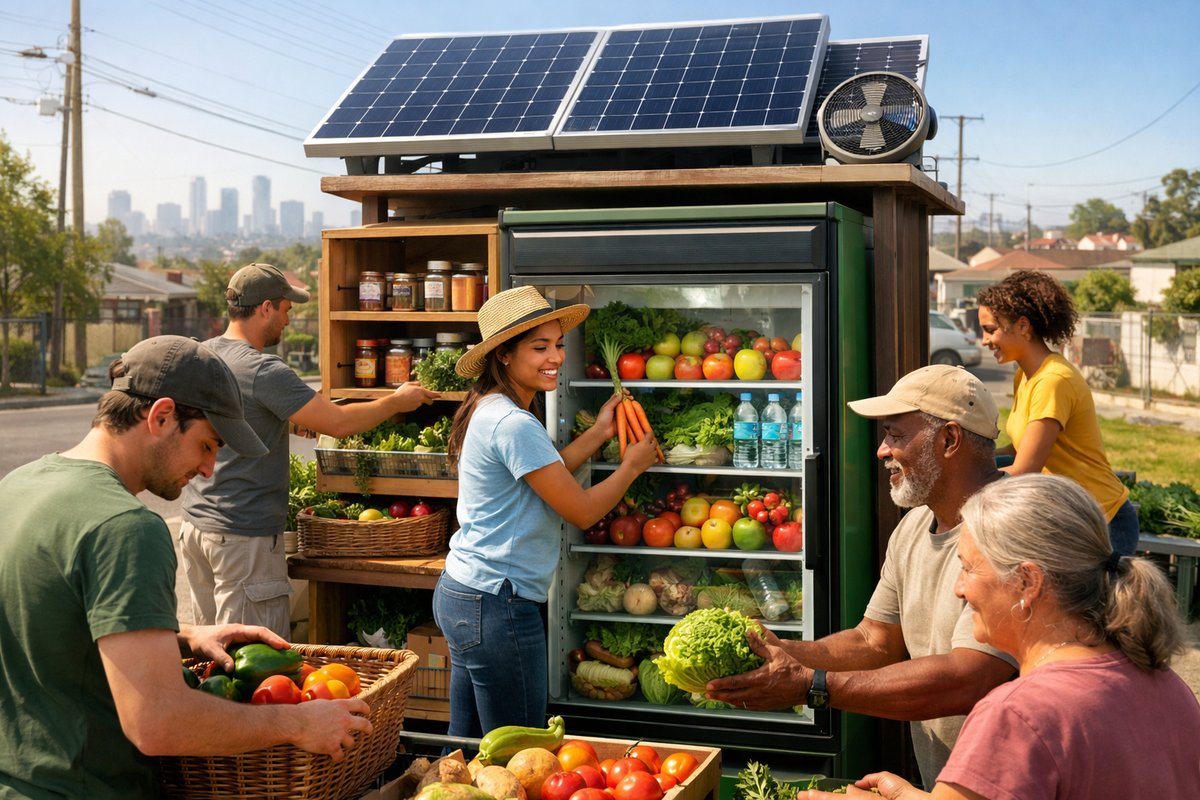
In neighborhoods where heatwaves and supply chain disruptions threaten fresh produce, volunteers are installing solar-powered community fridges to bridge gaps in food access and reduce waste. These grassroots cooling stations blend renewable energy and mutual aid to nourish bodies and restore hope.
On a sun-drenched lot behind an aging community center, a row of repurposed refrigerators hums quietly beneath newly mounted solar panels. Inside, crates of ripe tomatoes, leafy greens, and fresh dairy line the shelves alongside home-baked loaves of bread and jars of homemade jam. To the uninitiated, this might look like a quirky art installation. To the dozens of neighbors who visit daily, it’s a lifeline.
The first community fridge appeared in a Philadelphia neighborhood in mid-2016, driven by activists determined to tackle food waste and hunger simultaneously. Since then, the movement has ballooned to more than 500 solar-assisted refrigerators spanning 34 states-from urban food deserts to rural crossroads. Today’s newest generation of solar-powered fridges can operate off-grid for weeks at a time, keeping perishables chilled through heatwaves without straining municipal electricity. For many organizers, that resilience is the heart of the project.
“We knew our old fridge would suffer on muggy July afternoons, and brownouts weren’t uncommon,” explains Amina Reyes, a community volunteer who helped retrofit three fridges in her city’s hottest neighborhoods. “By adding solar panels and a backup battery bank, we can keep food cold, even when the grid goes down. It sends the message: you’re not alone, and you deserve fresh produce, no matter what.”
Behind each fridge stands a small network of volunteers who stock shelves, clear expired items, and maintain solar equipment. Many are people who have faced housing or financial instability themselves. Their personal journeys-marked by months spent in shelters, long nights at food pantries, or endless job searches-inform every decision they make. “I’ve been on the other side of this fridge,” says Marcus Nguyen, who once relied on mutual-aid distributions after losing his job. “Now I’m giving back. I know what it means to see that blinking green battery indicator in the middle of July.”
Local agriculture partners pitch in too. Urban farms donate surplus harvest, while small grocers unload near-expired dairy and eggs. One Wisconsin dairy cooperative estimates it diverts more than two tons of milk product each month to community fridges rather than letting it spoil. Across state lines, a cooperative of small farmers in the Southwest shares its sweet potato and squash yields with volunteer drivers who deliver weekly to neighborhood installations.
But operational challenges remain. Weather-proofing outdoor fridges is an ongoing battle. Volunteers seal cracks and reinforce wiring against rain and pests, while local electricians donate labor to ensure panels are wired safely. Municipal regulations also vary. Some cities treat outdoor fridges like food trucks, requiring permits and inspections. “It took us nine months just to navigate the permit process,” recalls Reyes, whose team lobbied city hall for a temporary waiver during high-need months. “The bureaucracy almost derailed the whole thing.”
Still, the lived impact tells a different story. Parents pushing grocery carts burdened by rising prices stop to pick up free carrots and kale. Seniors on fixed incomes arrive each morning to find eggs and yogurt for breakfast. Teenagers heft insulated bags into community-run delivery vans that ferry food to homebound neighbors. Across demographics, the fridge becomes a gathering spot-a place to chat, swap recipes, and exchange the small kindnesses that bolster well-being.
The environmental dividend is hard to overstate. According to the U.S. Environmental Protection Agency, food waste accounts for nearly 22 percent of municipal landfill content and up to 6 percent of total greenhouse gas emissions. By rescuing perfectly edible items that would otherwise spoil, community fridges reduce landfill burden while cutting carbon impact. The solar-powered upgrades only amplify that effect, allowing systems to run independently and avoid drawing on fossil-fuel-based electricity.
Beyond food and sustainability, the fridges inspire deeper conversations about dignity, reciprocity, and collective responsibility. In one neighborhood, a chalkboard affixed to a steel pole invites visitors to share gratitude or notes of encouragement. Handwritten messages-“You matter,” “Take what you need, leave what you can,” “We’re in this together”-serve as reminders that community care isn’t just transactional. It’s emotional scaffolding.
At sunset, the glow from the solar inverter’s status lights silhouettes chatty clusters of neighbors. Conversations range from household budgeting tips to stories of grief and perseverance. For many participants, this impromptu gathering has become the most vital part of their week. “I live alone and I struggle with depression,” admits Sandra, a retiree who stops by twice a week. “Here, I’m surrounded by purpose. My fridge runs because I came to help. First it felt like I was fixing something broken, but really, it fixed me.”
As the sun dips below the horizon, organizers check panel output and fridge temperature one last time. A few jars of homemade pickles remain, alongside a crate of zucchini that volunteers will turn into ratatouille for tomorrow’s dinner program. The solar lights dim, and the fridges settle into a quiet hum. For tonight, they have kept the promise of fresh food alive-powered by the sun and sustained by human compassion.
In an era defined by isolation and widening inequities, these solar-powered cabinets symbolize more than cold storage. They represent a collective act of defiance against indifference. And in their steady, humming presence, they remind us that even small, distributed acts of care can ripple outward-to feed bodies, revive spirits, and help a community rise again, one cooled tomato at a time.