Location
Mount Vernon, WA 98274

Location
Mount Vernon, WA 98274
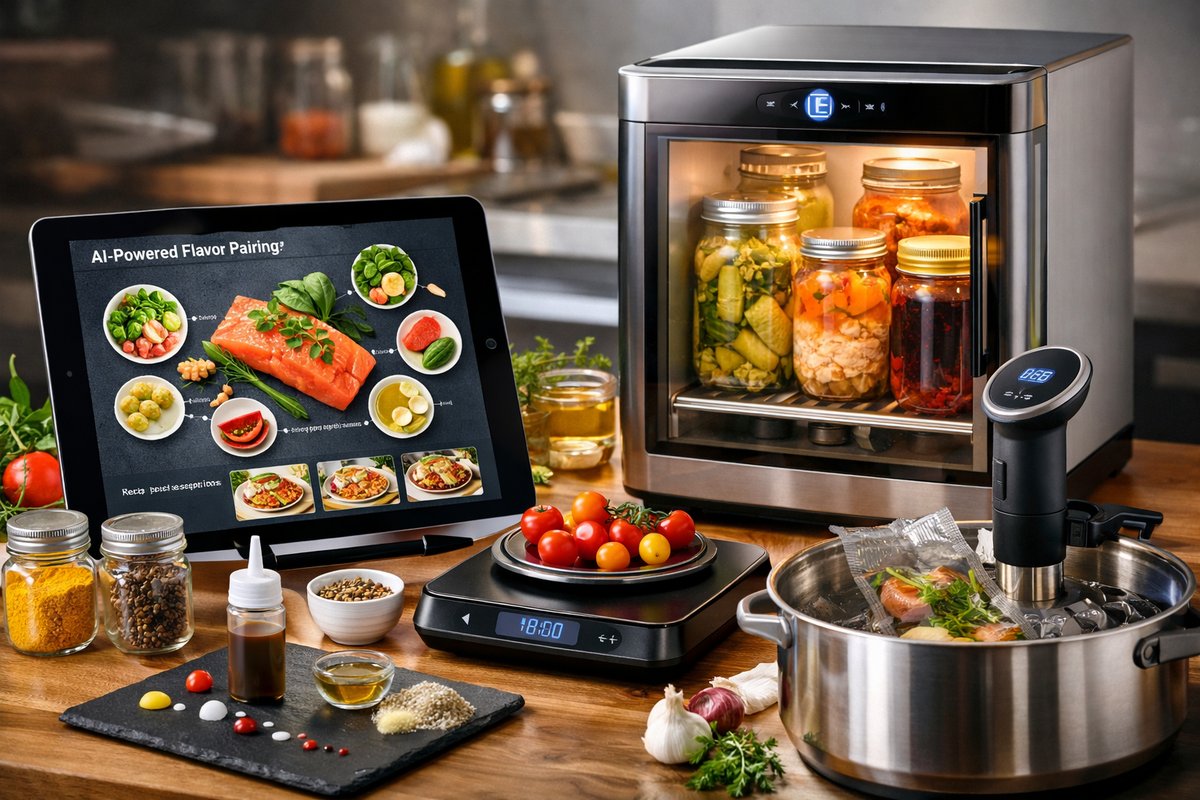
From AI-powered flavor pairings to countertop fermentation chambers, a new generation of tools is reshaping home cooking. Here's a look at the latest breakthroughs that promise to make every meal more precise, playful, and sustainable.
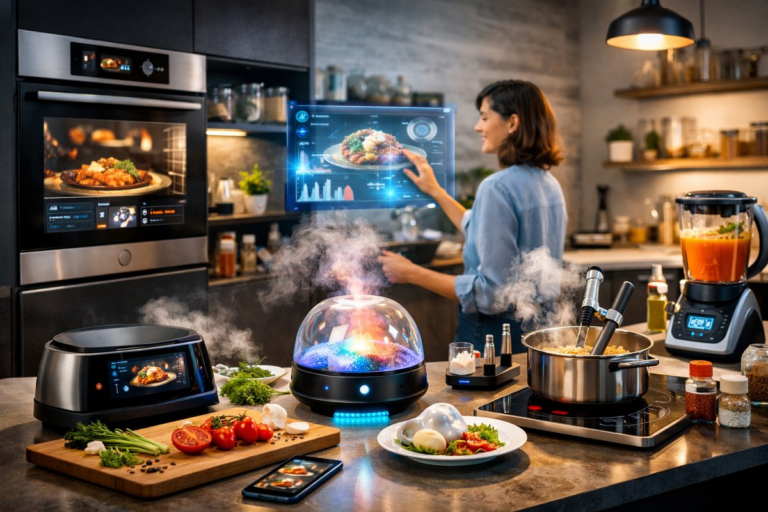
In a sunlit test kitchen tucked behind a design studio, a row of glass jars hums quietly. Inside each, kimchi, kombucha and yogurt cultures bubble under precisely controlled conditions. Nearby, a sleek induction cooktop communicates with an AI app, guiding a cook through an unfamiliar curry recipe. This scene is far from science fiction. It reflects a growing movement: kitchen technology that blends sensors, software and sustainable practices to elevate flavor, reduce waste and encourage experimentation.
The inspiration for this shift has come from multiple sources. Professional kitchens have long relied on immersion circulators and precision scales. Home cooks have embraced single-purpose appliances like air fryers and bread machines. But the latest wave is different. It centers on networks of connected devices, real-time data streams and intelligent algorithms that learn from each cooking session.
One startup has introduced a countertop fermentation chamber. Equipped with temperature and humidity sensors, the device tracks the progress of lactic acid bacteria and alerts users when their pickles reach peak tanginess. The app suggests tweaks-lowering the brine concentration or adjusting ferment time-to achieve a bespoke flavor profile. By making microbial processes transparent and repeatable, it empowers home fermenters to move beyond trial and error.
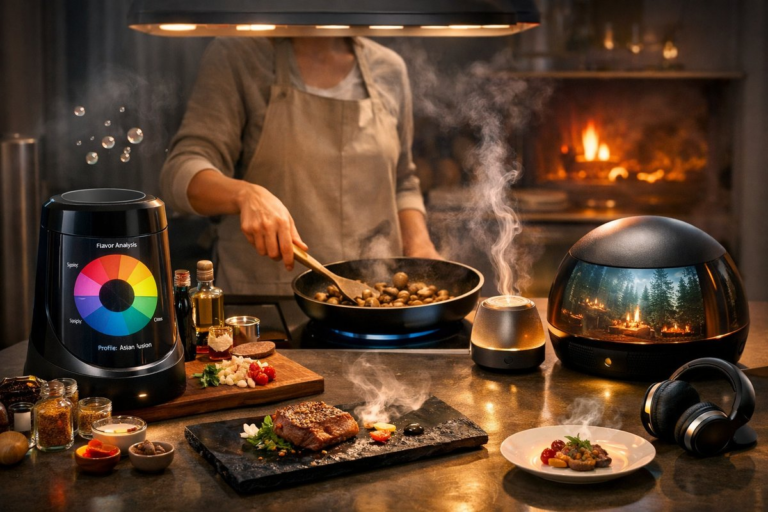
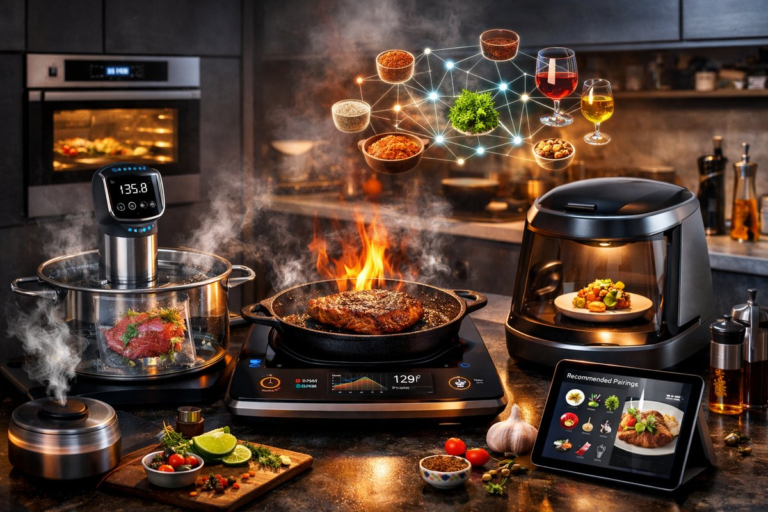
Meanwhile, an AI-driven flavor pairing platform is turning ingredients into a playground. Users photograph or scan pantry items and receive suggested dish ideas that balance umami, acidity and aroma compounds. Behind the scenes, the platform draws on chemical analyses from thousands of flavor compounds, marrying them with global recipe databases. The result is a virtual sous-chef that nudges cooks out of familiar territory and toward serendipitous combinations-like black tea-infused vinaigrettes or tomato jam with star anise.
Sustainability lies at the heart of many of these innovations. Smart kitchen scales equipped with portion-tracking features log how much food is used versus discarded. When waste is detected-say, too much pasta water left unused-the scale offers tips: reserve it to simmer beans, feed sourdough or water houseplants. In pilot programs, households using these scales report up to 15 percent less food waste in the first month.
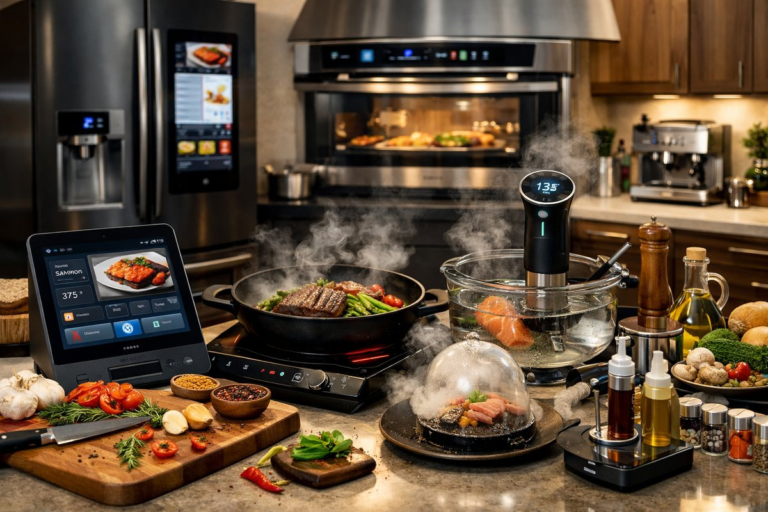
Another breakthrough involves refrigerators that monitor produce freshness through gas sensors. As ethylene levels rise, an integrated notification appears on a connected display, nudging cooks to plan menus around ingredients nearing spoilage. A companion app automatically generates shopping lists based on consumption patterns, steering users toward seasonal vegetables and reducing impulse buys.
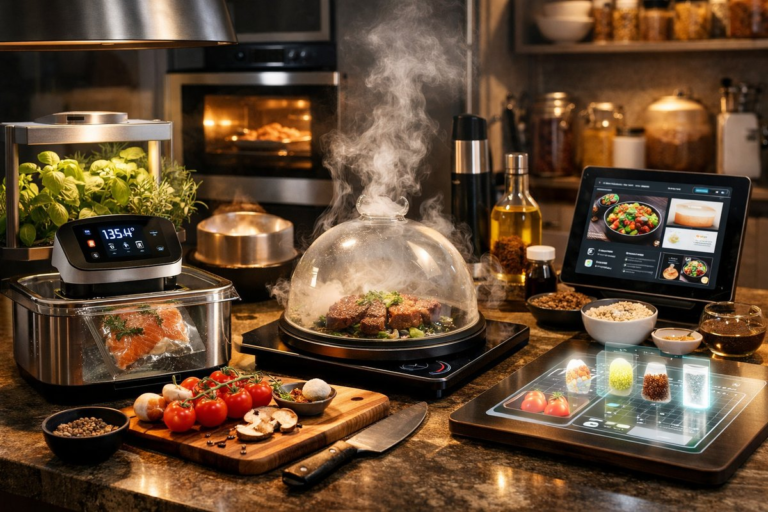
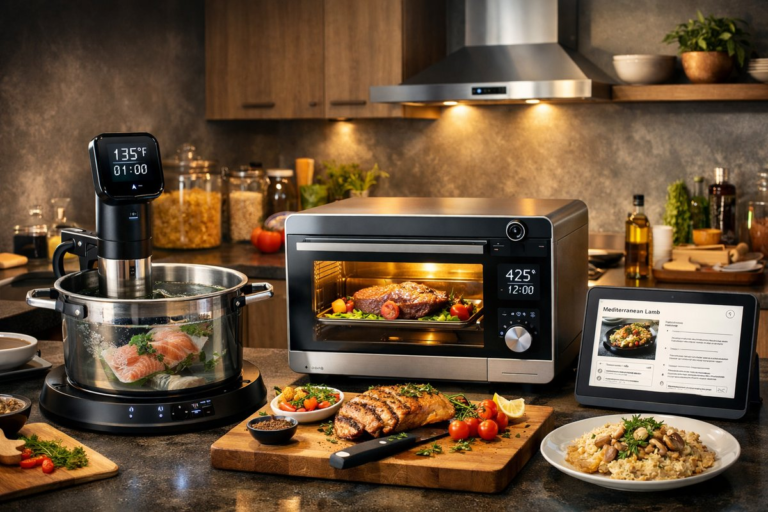
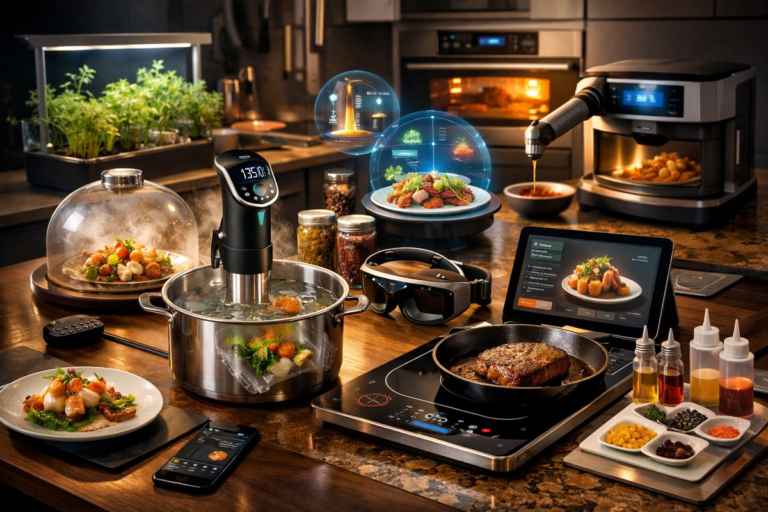
Cooking itself has become more precise. Temperature probes now link to stovetop burners and sous-vide baths, creating closed loops that maintain culinary targets within tenths of a degree. No more guessing whether the chicken is done or the chocolate temperate for ganache. And when a recipe calls for caramelization at 135°C or a marinade brine at a 3.5 percent salt concentration, sensors can calibrate in real time.
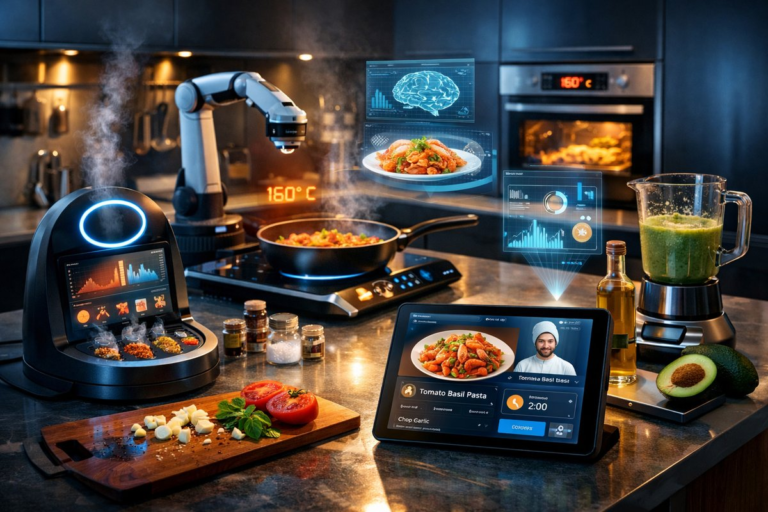
Even plating and presentation are seeing tech-driven upgrades. A robotic arm designed for home use can pipe sauces, sculpt chocolate decorations and assemble layered desserts with millimeter accuracy. For hosts who dread the dinner party scramble, this gadget ensures consistent plating across multiple plates, and it frees up time to engage with guests.
Chefs and designers point out that the goal isn’t automation for its own sake. Rather, these tools aim to expand human creativity. An immersion circulator that regulates water level and alerts when topping up is needed doesn’t replace a cook’s intuition, but it removes a distraction. An algorithm that proposes ingredient pairings doesn’t dictate the menu, but it breaks mental blocks. And a fermentation chamber that charts microbial activity doesn’t spoil the surprise of taste; it arms fermenters with confidence to explore rarer ingredients, like kiwano melon or walnut leaves.
This interplay between data and inspiration sparks new rituals. One community of home cooks has started hosting monthly “hackathons,” where participants challenge each other to build recipes around unexpected sensor readings-like fermenting plums at lower temperatures for a longer time, or searing scallops with a humidity-controlled torch. These gatherings unfold both in person and online, with livestreamed cook-alongs and sponsored ingredient bundles.
In commercial kitchens, chefs are integrating these technologies to reduce overhead and boost consistency. A small bistro in a coastal town uses real-time tracking of fish delivered each morning. A connected camera and weight scale log each fillet, matching it to temperature data from the walk-in cooler. If salmon remains at a suboptimal zone, the system flags it for immediate use in a cured salmon salad, minimizing the chance of spoilage and preserving quality.
Accessibility is a key concern. Many companies are building open developer platforms with public APIs, inviting tinkerers to create new features. Hobbyist coders have already released add-ons that translate flavor-pairing suggestions into shopping list plugins for grocery apps, or that convert fermentation metrics into shareable infographics. Meanwhile, modular hardware designs allow users to swap sensors or upgrade firmware without replacing the entire unit.
Cost remains a barrier for some. High-end sensor arrays and robotics carry price tags that put them out of reach for budget-minded cooks. But a wave of more affordable clones and DIY kits is emerging. A crowd-funded group is building a solar-powered dehydrator with open-source firmware that anyone can assemble from off-the-shelf parts. Another community is reverse-engineering AI flavor engines to run on local hardware, sidestepping subscription fees.
Looking ahead, experts predict deeper integrations between kitchen tech and broader food systems. Imagine a local co-op broadcasting real-time harvest data to smart kitchens, enabling meal planners to adjust recipes on the fly based on what just arrived at the farmer’s market. Or home hydroponic units that communicate with fermentation chambers, curating micro-herb gardens to complement cultured cheeses.
As these networks expand, questions of privacy and data ownership come into focus. If a kitchen camera captures every chopping motion and sends metadata to a cloud service, who owns that cooking fingerprint? Companies are responding by offering on-device processing and data-wiping features, giving consumers the choice to store information locally.
Despite these challenges, the momentum is clear. The convergence of sensors, AI and user-centric design is transforming cooking from a series of solitary tasks into a connected experience that bridges science and artistry. For curious cooks and lifelong learners, this renaissance offers an invitation: to harness emerging tools, deepen understanding of flavor science, and treat every meal as an experiment in taste, texture and sustainability.
Perhaps the most exciting ingredient is the human spark. Data can guide, sensors can inform, and robots can assist. But only people can imagine new rituals-fermenting heirloom vegetables for a pop-up feast, pairing digital flavor suggestions with vintage spice blends, or sharing a perfectly timed kimchi loaf at a virtual potluck. In kitchens of the near future, technology will be the catalyst, but flavor will remain a journey shaped by curiosity, creativity and community.