Location
Mount Vernon, WA 98274

Location
Mount Vernon, WA 98274
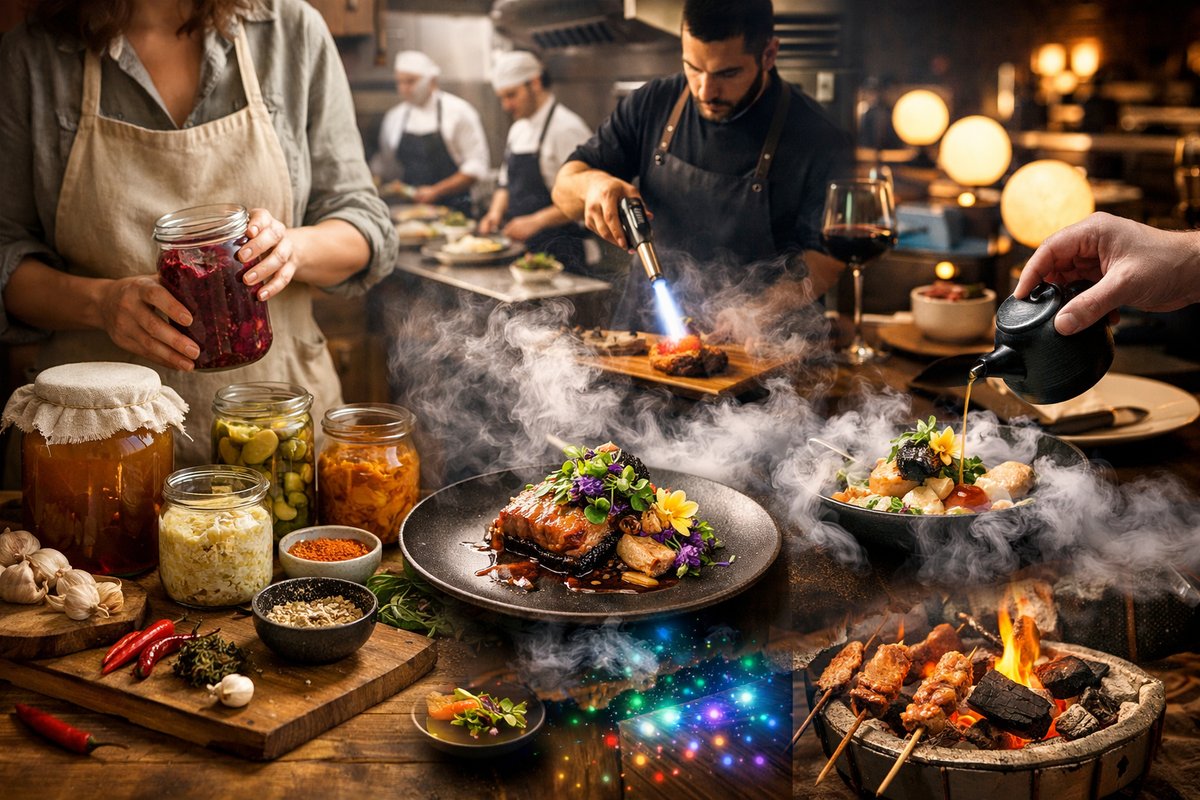
Across home kitchens and restaurant dining rooms, chefs and curious cooks are blending ancient techniques with modern tools to craft unforgettable meals. From a resurgence of fermented staples to the rise of multi-sensory dining experiences, these five trends highlight how food remains both a personal ritual and a communal adventure.
Today’s culinary world is a dynamic crossroads of tradition and innovation. As home cooks expand their repertoires and professional chefs push boundaries, five emergent currents are redefining how we source, prepare, and savor our meals. These trends honor time-tested methods while embracing new ingredients, technologies, and experiences-all in service of deeper connection and richer flavor.
Trend 1: Rediscovered Fermentation
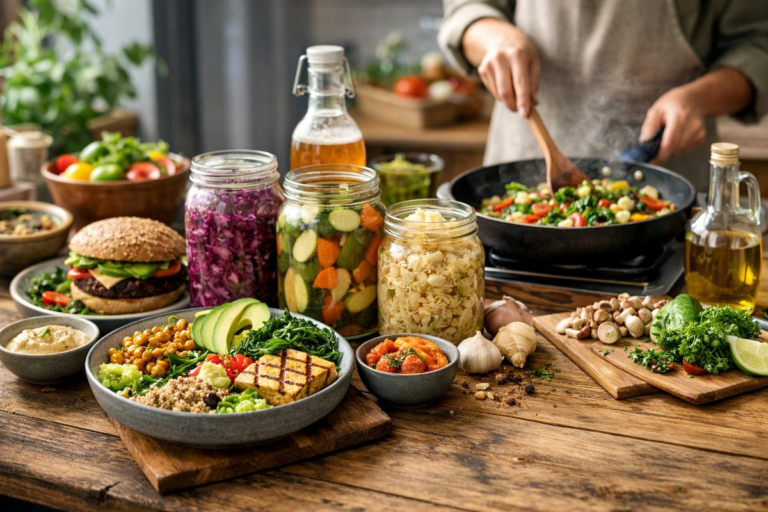
For millennia, fermentation has preserved food and added distinctive tang. Now, driven by curiosity about gut health and complex taste, cooks are reviving age-old ferments beyond the familiar yogurt and sauerkraut. Spontaneous ferments with wild yeasts are popping up in home kitchens, turning humble vegetables into lively condiments. Backyard brewers are experimenting with rice-kombucha hybrids, infusing green tea with local berries, while craft producers age veggie brines in wooden barrels that impart smoky, savory notes reminiscent of aged wines.
This renaissance extends to sweet ferments as well. Fruit ferments are transformed into effervescent shrubs and drinking vinegars. Home bartenders are aging fruit peels in sugar and culture, then blending the result into signature cocktails. The goal is to develop flavor layers that meld acidity, umami, and a touch of funk-a sensory tapestry that invites drinkers and diners to taste time itself.
Trend 2: Global Grain Renaissance
Starches no longer play second fiddle to proteins and produce. A growing fascination with ancient and heirloom grains has spurred a renaissance of textures and techniques. Amaranth, teff, and einkorn have migrated from specialty markets into hardy porridge bowls, crisp crackers, and sourdough loaves that celebrate each grain’s unique flavor signature. Grain cooperatives are sprouting up in rural regions, reconnecting farmers to their ancestral seeds and creating direct pipelines to urban buyers keen on supporting small-scale producers.
This trend also champions upcycled grain byproducts. Breweries are donating spent barley to bakeries that blend it into nutty breads, while cereal manufacturers repurpose rice hulls as eco-friendly packaging. Even pasta lovers are exploring options made from buckwheat or green pea flour, forging a healthier, more sustainable path forward for our most relied-upon kitchen staple.
Trend 3: Zero-Waste Innovation
Sustainability has evolved from a buzzword into a creative mandate. Zero-waste cooking now reaches beyond compost bins and second lives for citrus peels. Culinary professionals study each ingredient like a jeweler examining a raw gem, seeking overlooked parts to elevate menus and pantry rhythms. Fish bones become umami-rich powders. Vegetable tops and stalks are blitzed into vibrant pestos, purees, and stocks. Even coffee grounds find new purpose as a soil amendment in rooftop gardens.
At home, simple tools are helping families minimize food waste. Vacuum-sealed containers keep produce fresher longer; digital apps nudge cooks to prioritize soon-to-expire items. Local chefs host “waste-free dinner” pop-ups that turn discarded scraps into craveworthy dishes, showcasing how conservation-minded minds can unlock astonishing depth of flavor while treading lightly on the planet.
Trend 4: Tech-Infused Taste Design
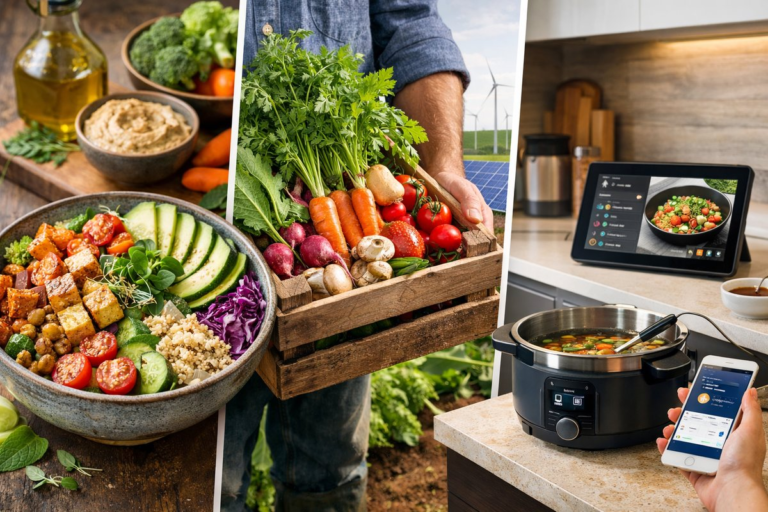
The kitchen is increasingly a lab where data meets intuition. Precision tools like Bluetooth-enabled thermometers and Internet-connected multicookers empower cooks to replicate flawless results at home. Beyond hardware, software is helping chefs design menus around seasonal availability, price fluctuations, and dietary trends. AI-driven recipe generators propose flavor pairings based on chemical profiles, suggesting, for instance, marrying roasted parsnip puree with spent coffee grounds to accentuate caramelized notes.
Some high-end restaurants employ machine-vision cameras to monitor cooking progress, instantly adjusting heat-and sometimes even portion sizes-based on real-time analysis. While these technologies may sound like science fiction, many are already accessible to home cooks in simplified forms, opening up professional-grade precision to everyday kitchens. The result is less guesswork, consistent quality, and the freedom to focus on creative flourishes.
Trend 5: Multi-Sensory Dining and Storytelling
As comforts of home and cosmopolitan bravado blend, dining out has become an immersive theater. Designers curate mood lighting, bespoke playlists, and aromatic pathways that carry guests from one course to the next. Chefs collaborate with visual artists to stage plates like living sculptures, while sommeliers harness virtual-reality headsets to transport wine enthusiasts to the very vineyards where grapes ripen.
This emphasis on storytelling transforms each dish into a chapter of a larger narrative. A five-course tasting menu might unfold as a voyage through coastal villages, arid highlands, and verdant orchards, with each plate weaving local folklore into its presentation. At the same time, pop-up experiences invite diners to cook alongside plant foragers or to harvest their own mushrooms in an urban farm, blurring the boundaries between table and garden.
Bridging Home and Profession
While fine dining amazes, casual kitchens worldwide are also experiencing ripple effects. Home cooks are hosting monthly ferment swaps, grain bars, and zero-waste workshops. Smartphone apps that once tracked steps now catalog pantry inventories and suggest creative uses for overlooked ingredients. Virtual masterclasses connect furthest-off paddocks to neighborhood tables, uniting home chefs with farmers, foragers, and flavor experts.
What once felt exclusive to trendsetting restaurants has become deeply democratic. A stir-fry tossed in a family kitchen may draw on the same chemical insights that guide molecular gastronomy. A backyard grill can evoke the same storytelling power as a curated tasting menu when paired with local produce and personal anecdotes. This cross-pollination celebrates the heart of cooking: sustenance, creativity, and community.
Looking Ahead
The most compelling culinary innovations don’t simply chase novelty-they reconnect us to food’s deeper stories. They spark curiosity, invite collaboration, and remind us of our planet’s fragile abundance. Whether fermenting a first jar of kimchi, experimenting with ancient grains, or orchestrating a multisensory dinner for friends, these five currents point toward a table that nourishes body and spirit-one mindful bite at a time.