Location
Mount Vernon, WA 98274

Location
Mount Vernon, WA 98274
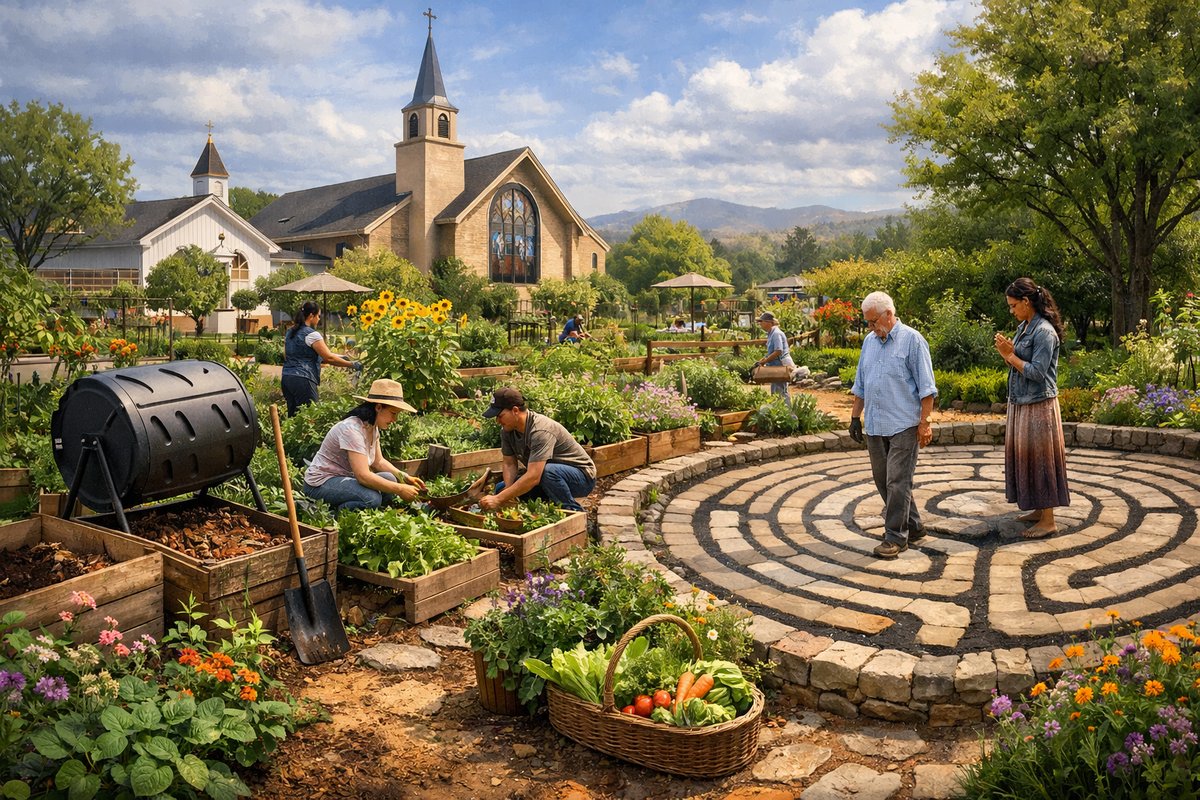
Across neighborhoods large and small, Christian congregations are turning church grounds into vibrant regenerative gardens that feed families, heal soil, and deepen spiritual practice. From compost tumblers to prayer labyrinths, these green initiatives are sowing seeds of hope amid rising food insecurity and environmental anxiety.
In neighborhoods spanning from the Gulf Coast to the Pacific Northwest, a quiet revolution is taking root on sacred soil. Christian communities, long known for food pantries and shelter programs, are now embracing regenerative gardening as a new frontier of service and spiritual practice. Parishioners of all ages are trading hymnals for shovels, learning soil science alongside scripture, and discovering that hands in dirt can be just as prayerful as hands folded in pews.
The movement has gained traction amid growing concerns about food insecurity, climate stress, and the growing distance between people and the land. In one recent project outside a midsize city, a suburban church transformed an overgrown lawn into sixteen raised beds planted with tomatoes, kale, and native pollinator flowers. Volunteers installed a compost tumbler near the fellowship hall and hooked up a solar-powered timer to drip-irrigation lines laid beneath the soil’s surface.
“I remember my grandmother gleaning beans behind a local farm when I was a kid,” reflects the project coordinator, a lifelong member of the congregation. “We haven’t lost that impulse to share what’s grown, but we have to learn new skills-composting, permaculture, soil testing-to make it truly regenerative. It’s a way to live out the call to care for Creation.”
Urban ministries have followed suit, breaking up pavement to plant fruit trees along alleyways and converting parking-lot medians into herb borders. One downtown church partners with a neighborhood association to teach afterschool gardening classes for elementary students. Here, children measure soil pH with testing kits, track rainfall with simple gauges, and learn to read Scripture passages about sowing and reaping.
The ecological payoff can be remarkable. Regenerative practices like cover cropping and no-till planting rebuild organic matter, boost water retention, and sequester carbon in the ground. By harvesting rainwater off the church roof into cisterns, gardens reduce runoff and lower utility costs. Pollinator-friendly borders foster bees and butterflies, strengthening local ecosystems while creating colorful pockets of refuge in the urban grid.
But this is not merely an environmental initiative; it’s an extension of pastoral care. Volunteers hauling crates of fresh produce to neighborhood seniors report transformative conversations-topics ranging from memories of home gardens to the assurance found in Genesis’ account of Creation. For some, pulling a ripe carrot from the earth becomes a sacrament of simple abundance.
In a rural parish, an elder resident reclaimed a derelict barn wall for a wall-mounted vertical garden, growing tender lettuce and herbs for weekly soup kitchens. Another congregation laid out a prayer labyrinth among rows of basil and marigolds, inviting quiet meditation between garden chores. The labyrinth’s stones bear inscribed psalms and creeds, guiding worshippers on a contemplative circuit as they honor God’s gift of land and labor.
Clergy are finding new ways to weave these practices into worship services. Communion plates doubled as seed packets are handed out during harvest festivals. Sermon series on “Faith and the Earth” feature guest agronomists, theologians, and community activists. Some churches offer “garden blessing” ceremonies, where water drawn from local streams is used to consecrate soil beds, linking baptismal symbolism with the cultivation of crops.
Training and resource sharing have become crucial as these projects proliferate. An online collective-initiated by a network of diocesan eco-theology teams-maintains a library of planting guides, composting tutorials, and liturgical prayers. Local garden ambassadors host quarterly workshops: building raised beds with reclaimed lumber, mixing biodynamic compost with organic amendments, and repairing solar pumps. These gatherings blend practical skill-building with theology seminars, reinforcing that stewardship is both hands-on and heart-deep.
Funding has come from unexpected sources. A regional foundation earmarked grants for climate resilience has awarded churches seed money to renovate underused parking lots into pollinator gardens. Independent donors have sponsored equipment like soil-testing kits and programmable irrigation controllers. Even small congregations are pitching in, hosting yard sales to buy garden kneelers, gloves, and harvest baskets.
For many participants, the spiritual dividends are as rich as the vegetable yield. “Tilling soil reminds me of so many biblical metaphors-breaking up hard hearts, sowing new life,” says a lay leader. “When we weed together, it becomes a communal act of repentance. When we eat together, it’s a foretaste of the feast to come.”
Still, challenges remain. Volunteer burnout can set in during midsummer’s heat. Questions about land tenure arise when church councils change leadership. Pests and fungal outbreaks threaten young seedlings just as volunteers are learning to anticipate crop cycles. But congregations are tackling these hurdles with the same blend of prayerful discernment and mutual aid that they apply to every ministry.
In one midwestern town, a coalition of local churches formed a shared “garden co-op,” pooling resources and rotating leadership roles each season. This approach ensures that no single congregation bears the whole burden and that knowledge circulates across denominational lines. Workshops are co-hosted by a Lutheran church one month and a non-denominational fellowship the next, forging interfaith friendships around raised bed frames.
Perhaps the most striking transformation is internal. Longtime members who never expected to get their hands muddy are reporting renewed enthusiasm for community life. Youth groups once restless on social media now convene at dawn to plant seeds, journal under fig trees, and pray together in the morning light. Teenagers who had drifted from Church find purpose in caring for living things, discovering that tending a garden can be a ministry unto itself.
As the sun sets on these sacred plots, the work continues-beds are mulched, tools are cleaned, harvest crates are lined up for the next morning’s distribution. Each new seed packet represents a promise, each sprig of basil a reminder that faith flourishes best when it’s rooted in the earth.
These green apostles are not just growing food; they’re cultivating hope, community, and a deeper connection to the Creator’s handiwork. And as the movement spreads, it suggests that the church’s next frontier may lie not in grand buildings but in humble rows of vegetables nurtured by hands open to the world’s hungry and hurting.
Envisioning what comes next, leaders speak of living mulch, permaculture guilds, and community orchards where neighbors gather under fruit-laden branches for Sunday gatherings. They talk of integrating beekeeping and aquaponics, of recording harvest data to guide planting calendars, and of publishing liturgies that celebrate every stage of growth: planting, weeding, harvesting, and giving thanks.
In an era of deep uncertainty-from global supply chain strains to unpredictable weather-these regenerative gardens stand as testimonies of resilience. They combine theology and ecology, solidarity and soil science, creating a mosaic of hope that stretches beyond church walls. Here, the faithful find that to tend a garden is to embody the gospel, one seedling at a time.