Location
Mount Vernon, WA 98274

Location
Mount Vernon, WA 98274
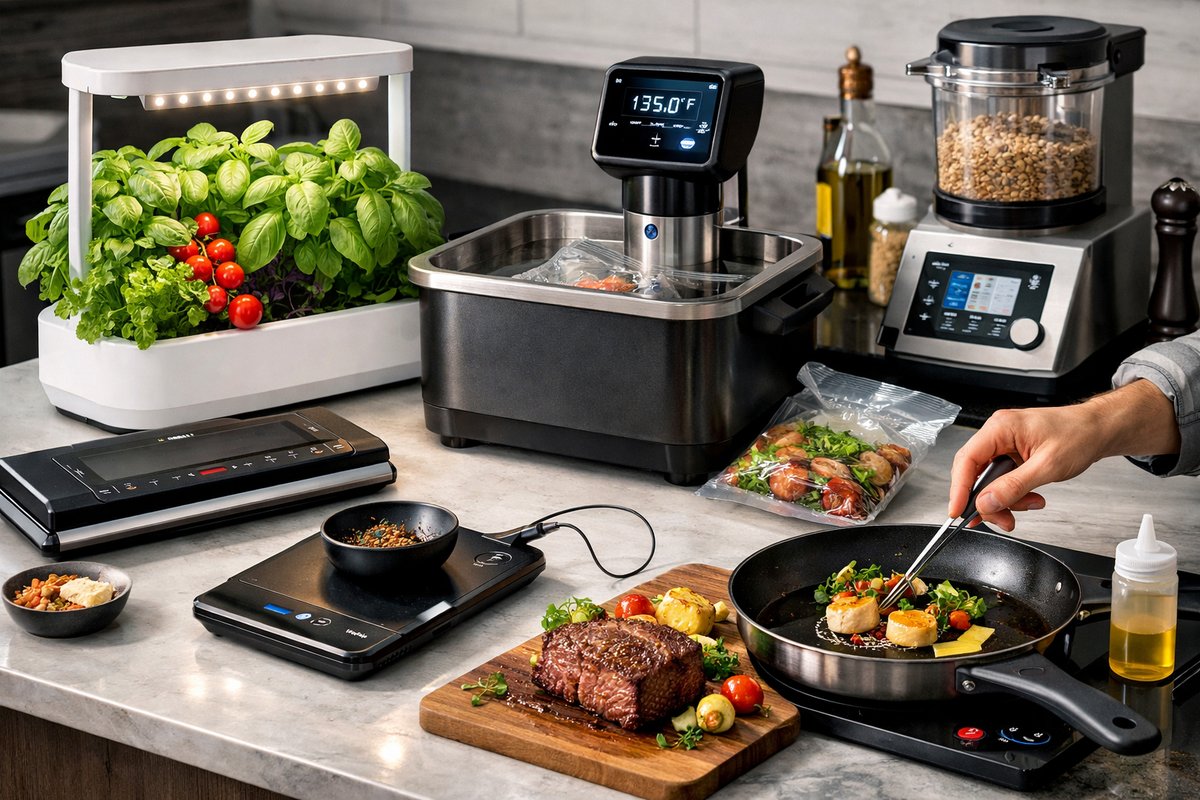
Home cooks are embracing a wave of smart gadgets and sensor-driven tools that blur the line between laboratory precision and culinary creativity. From countertop hydroponic gardens to programmable sous-vide machines, these innovations are redefining how we source ingredients, measure flavors, and even plate our meals.
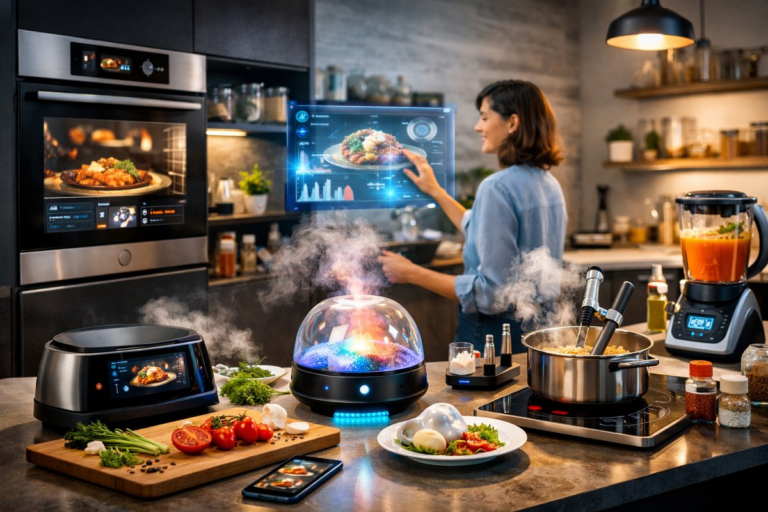
In kitchens around the world, a quiet revolution is underway. The rise of sensor-driven gadgets, AI-powered recipe platforms, and precision appliances is shifting home cooking from an art of intuition to a science of experimentation. Modern devices are no longer confined to boiling water or simmering sauces-they monitor pH levels in fermenting beverages, regulate humidity for perfect dough proofing, and even infuse dishes with custom smoke profiles. As these tools migrate from tech showcases into everyday pantries, cooks of all skill levels are discovering new ways to explore flavor, cut waste, and engage the senses.
Take the resurgence of fermentation, for example. Traditional carpentries of pickles and kimchi have been reimagined through compact fermentation fridges that maintain exact temperature and humidity ranges. Instead of guessing at the perfect 65- to 72-degree window, home fermenters can dial in a setting and let the machine handle the rest. These mini-refrigerators are engineered to resist odor transfer, feature removable trays for easy cleaning, and provide transparent control over lactic acid development. As a result, even novice cooks can experiment with wild-yeast-driven kombucha or probiotic-rich yogurt without fear of spoilage-and they can explore beyond common vegetables to ferments made from fruits, grains, and seasonal roots.
Meanwhile, the countertop hydroponic herb garden has emerged as both a gadget and a conversation starter. Sleek, LED-lit domes cradle basil, mint, and microgreens in a closed-loop water reservoir, delivering nutrients at precisely timed intervals. Automated reminders prompt refilling the tank and harvesting dead leaves, while integrated sensors monitor root moisture and adjust the light cycle for optimal growth. Chefs who once relied on weekly grocery runs are now snipping fresh herbs minutes before plating, elevating flavor profiles with truly home-grown aromatics. And because no soil escapes the system, cleanup is almost nonexistent, making this indoor garden an appealing choice for apartment dwellers and families alike.
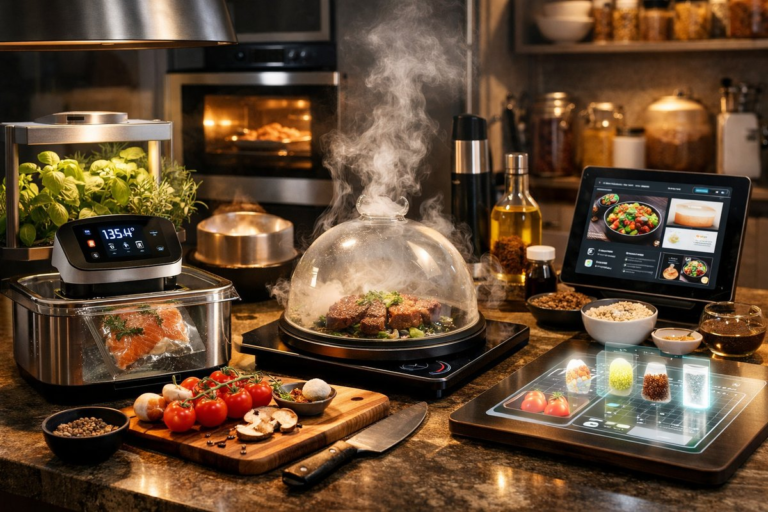
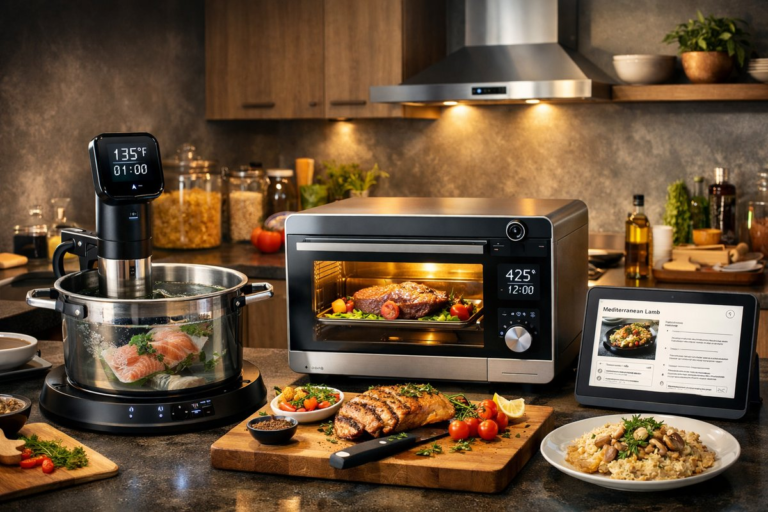
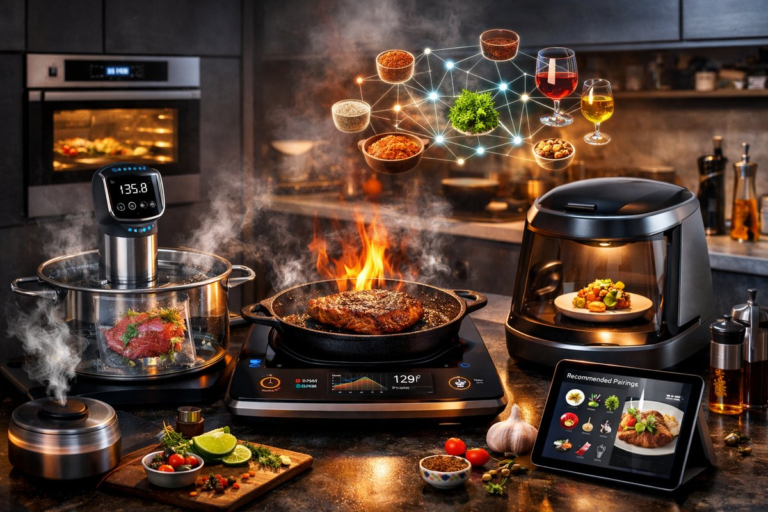
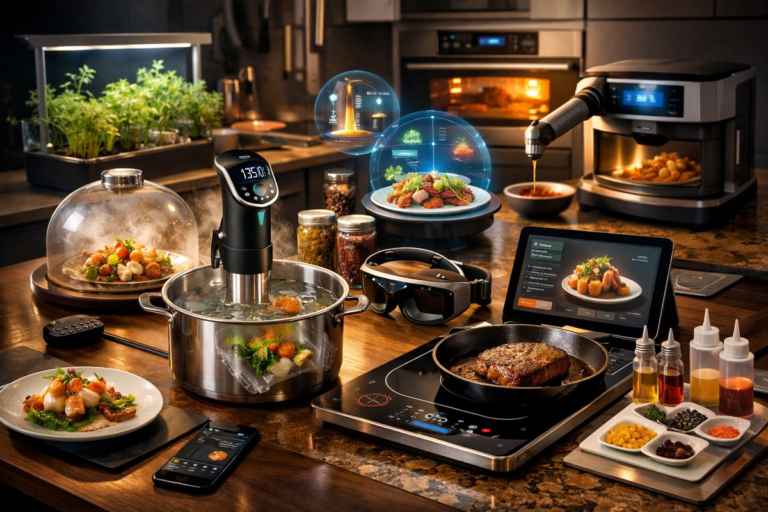
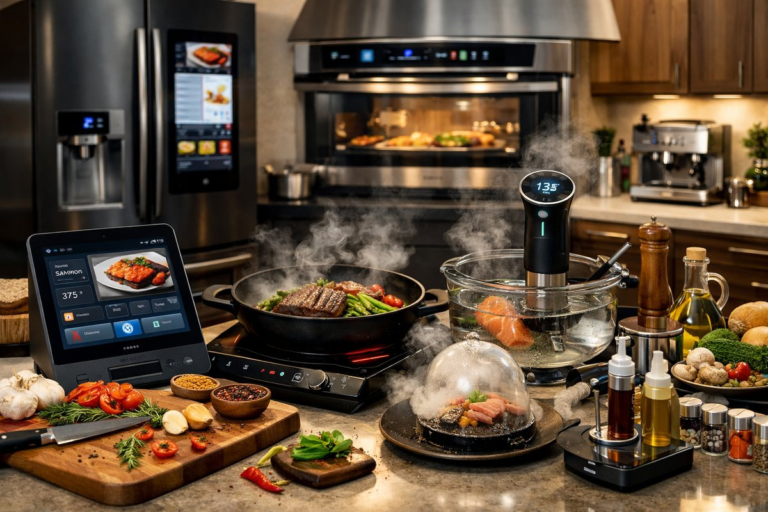
Precision cooking, long prized by professional kitchens, has also come home in the form of programmable sous-vide immersion circulators. These compact units attach to any pot, heat water to an accuracy of 0.1°C, and maintain that target for hours on end. The result is meat, fish, and vegetables cooked edge-to-edge with uniform texture-tender chicken that never dries out, steaks seared after a perfect medium-rare bath, and carrots that retain vivid color and nutrients. Digital touchscreens, smartphone connectivity, and recipe libraries make setting temperatures and timers intuitive, while safety features like automated shutoff eliminate the risk of forgotten circuits. This method not only unlocks consistent results, it reduces waste by rescuing dishes that would otherwise be overcooked.
Sensor-powered thermometers and smart probes are tightening the bond between human intuition and data-driven accuracy. Clipped into roasts or nestled into candy mixtures, these wireless probes feed real-time readings to companion apps. Push notifications alert users when salmon reaches safe temperature thresholds or sugar syrups hit the ideal soft-ball stage for confectionery. The immediate feedback loop transforms guesswork into confidence-and invites creative play with new recipes. Specialty probes calibrated for candy, bread, and deep frying ensure that multiple cooking domains can be monitored via a single hub, making them indispensable for multi-course dinner parties.
Beyond temperature measurement, emerging utensils embedded with pressure sensors and accelerometers are translating tactile cues into digital signals. Imagine a digital whisk that tracks whisking speed and angle, guiding you through a soufflé’s egg-white stage with haptic feedback or a connected rolling pin that logs dough elasticity over time. Although still in early stages, these tools promise to capture the subtleties of hand skills and preserve them in recipe metadata. For learners trying to master folding techniques or mastering the perfect mayonnaise emulsion, such feedback could drastically shorten the trial-and-error phase in classic techniques.
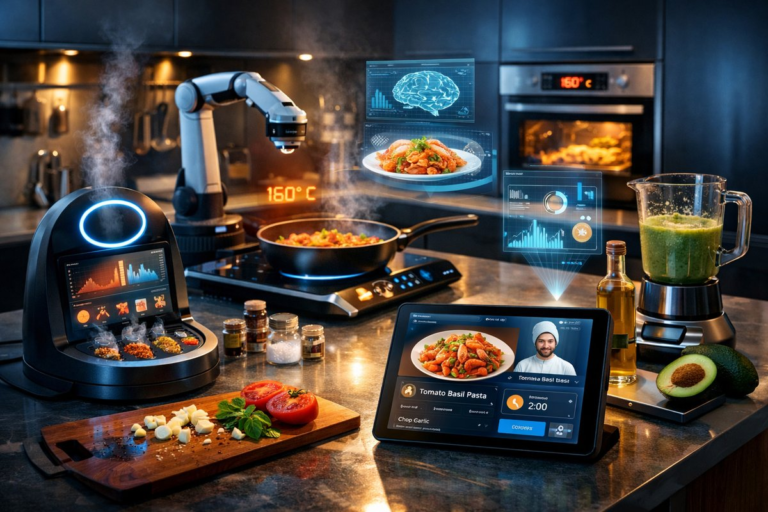
Even meal prep is seeing automation innovations. Robotic arms capable of chopping, stirring, and plating under computer vision are being tested in home environments. While cost and size constraints limit widespread adoption, smaller countertop units can now dice vegetables along predetermined patterns or dispense measured portions of grains and spices. This is particularly appealing for home chefs managing dietary restrictions or cooking multiple meals for family members with different preferences. Combined with voice assistants or smartphone triggers, these robots streamline repetitive tasks and free up time for more creative pursuits like flavor pairing experiments.
The heart of this digital kitchen ecosystem is connectivity. Smart refrigerators with integrated cameras let users peek inside via mobile apps, curbing redundant grocery buys. Built-in waste tracking compiles data on unused produce and expired goods, offering suggestions on recipes to rescue ingredients close to their best-by date. Some ovens and cooktops now sync with dietary-tracking apps to log caloric intake automatically, bridging the gap between cooking and holistic health monitoring. As data accumulates, cloud-based platforms can recommend meal plans based on pantry inventory, seasonal availability, and individual taste profiles.
Sustainability is an undercurrent driving this tech surge. By enabling precision portioning and spoilage alerts, these gadgets help households slash food waste-an issue responsible for nearly 10 percent of global greenhouse gas emissions. Indoor gardening systems reduce dependency on long-distance produce shipping, while solar-compatible fermentation fridges and energy-efficient immersion circulators lower the carbon footprint of at-home kitchens. Some startups are even exploring biodegradable sensor tags to track freshness indicators, further shrinking the environmental impact of smart packaging.
DIY communities are adding another layer to the story. Open-source electronics platforms and 3D-printed utensil attachments allow makers to hack existing appliances, turning standard mixers into customizable paddles or retrofitting blenders with digital speed controls. Online forums host recipes for firmware tweaks that adjust temperature curves or unlock hidden fermentation modes. For curious tinkerers, the intersection of cooking and coding is presenting an offering richer than any cookbook.
Of course, the barrier between fascination and everyday use remains cost. Premium devices can fetch prices comparable to midrange kitchen suites, limiting adoption among budget-conscious cooks. That said, price erosion is inevitable as competition grows and manufacturing scales. Entry-level scales, wireless thermometers, and countertop gardens are already under $100, while mid-tier immersion circulators and compact fermentation fridges inch toward mainstream affordability.
Early adopters report that the true value lies in the reassurance these gadgets provide. A home baker marveled at how a precision scale salvaged a batch of sourdough by identifying an errant hydration ratio. A new parent found peace of mind feeding sterilized, nutrient-rich purees thanks to an automated steam cooker with built-in temperature control. Enthusiasts cite the joy of seamless experimentation-tweaking light spectrums on their hydroponic units mid-grow or layering smoke flavors at the push of a button.
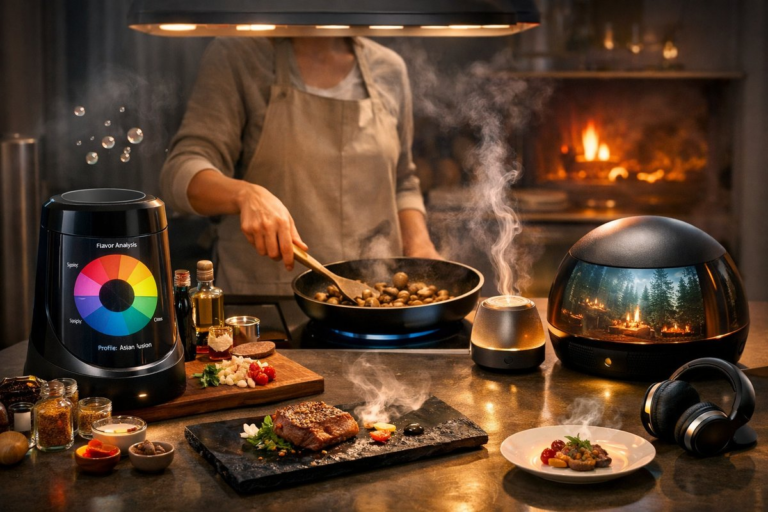
Looking ahead, the most exciting advances may come from sensor convergence and immersive interfaces. Imagine a countertop that senses moisture levels, suggests finishing salts based on flavor-profiling data, and projects plating diagrams onto your workspace. Or voice-driven recipe assistants that tweak ingredient ratios in real time according to audience feedback and wearable-measured taste responses. As machine learning models deepen their understanding of regional cuisines and personal preferences, the humble kitchen could evolve into a multi-sensory laboratory for culinary exploration.
Ultimately, these technologies are less about replacing human intuition than about expanding its possibilities. They invite home cooks to play with new textures, revisit lost traditions of fermentation, and fine-tune flavor with unprecedented precision. Whether you’re a novice seeking a confidence boost or an adventurous cook chasing the next frontier of taste, the latest kitchen tech tools are waiting to transform every meal into a moment of discovery.