Location
Mount Vernon, WA 98274

Location
Mount Vernon, WA 98274
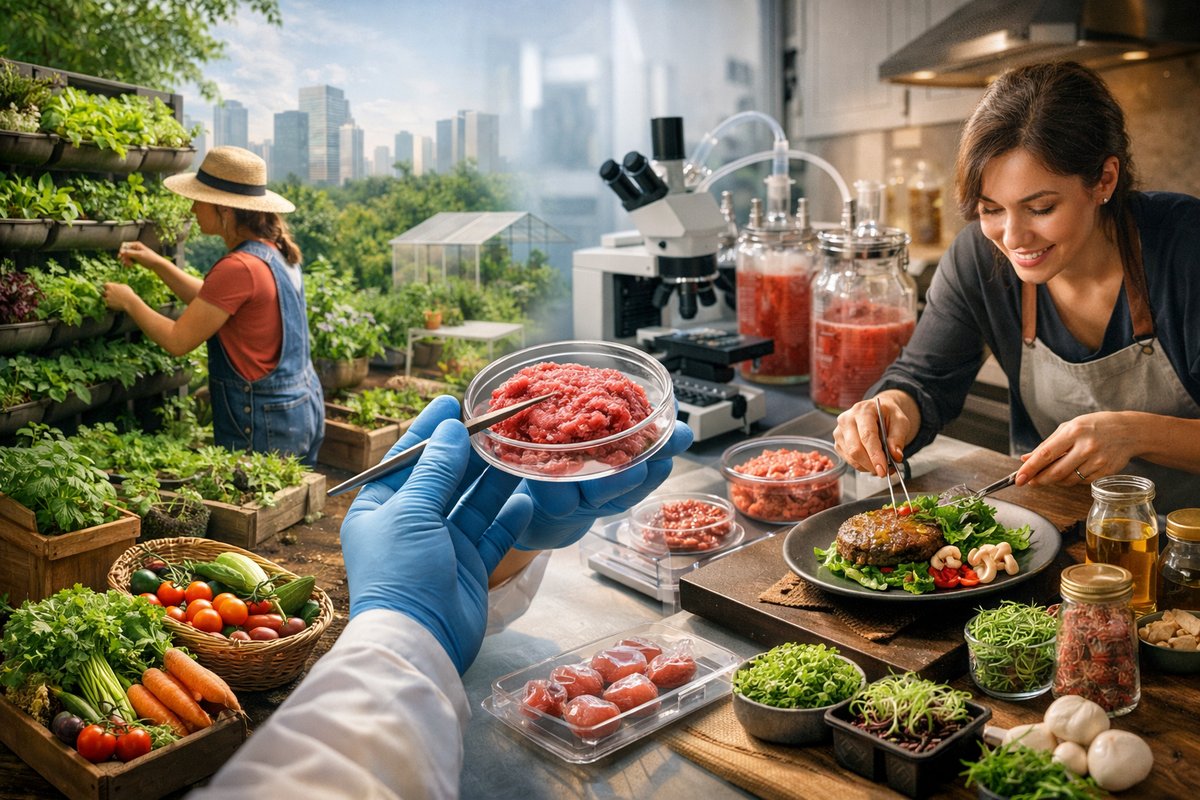
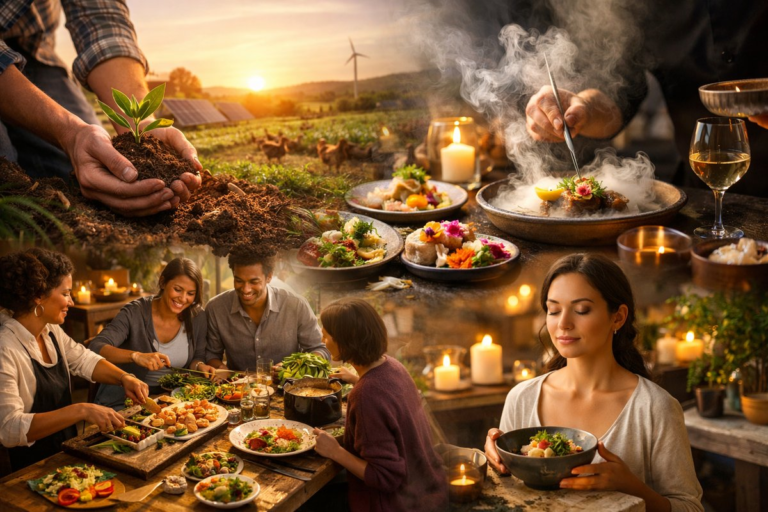
From backyard microgardens to lab-grown proteins, home chefs and restaurateurs alike are tapping into culinary currents that marry innovation with sustainability. These emerging trends are reshaping the way we source, prepare, and savor food-while inviting everyone to become both producer and patron in a more equitable food ecosystem.
Across dining tables and digital recipe swaps, a quiet revolution is unfolding. Home cooks are trading store-bought staples for homegrown microgreens, fermenting scraps into umami-rich condiments, and harvesting backyard mushrooms from upcycled logs. Meanwhile, professional kitchens are embracing regenerative sourcing, flour milled from local grains, and cell-cultured ingredients that promise to shrink the environmental footprint of meat. Here are five culinary movements gaining traction-and the everyday tools and tips that make them possible for anyone with a kitchen counter and a curious palate.
The microgarden renaissance began as a pandemic pastime but has sprouted into a mainstream habit. Compact herb towers and soil-free sprouters now stand in as verdant countertop companions, supplying fresh basil, pea shoots, and edible flowers year-round. Beyond flavor, these tiny harvests transform our relationship with ingredients. Harvesting a handful of cress seconds before plating delivers an immediacy unmatched by supermarket greens. And the ritual of planting seed pods, monitoring humidity, and tracking growth charts cultivates a sense of stewardship that extends from the windowsill to the grocery aisle.
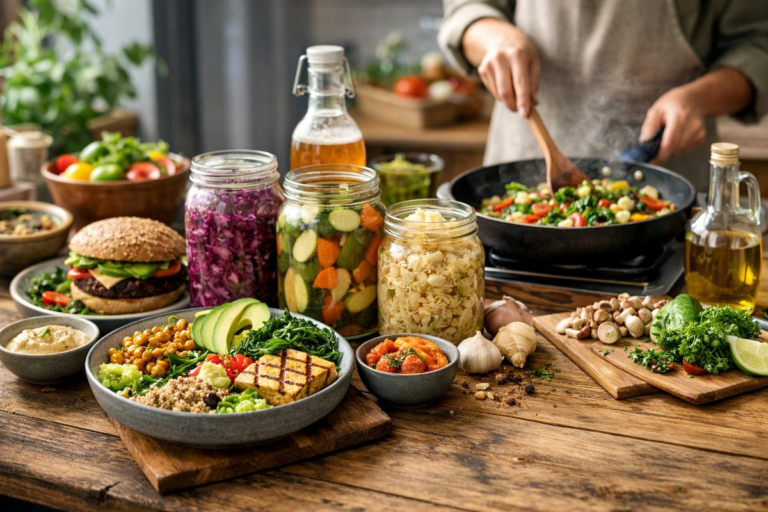
Fermentation-once relegated to traditional kimchi, kombucha, and sauerkraut-has exploded into a broad spectrum of taste experiments. Zero-waste kitchens are slicing vegetable trim with precision, then submerging stalks of carrot greens and broccoli stems in salt brine. The result? Bright green water kefir, tangy lacto-fermented pesto, and small-batch miso tapped from rehydrated soybean pulp. These probiotic-charged concoctions not only reduce landfill waste but also unlock complex layers of savory and sour notes that heighten the flavor of soups, salads, and sandwiches.
At the professional level, restorative sourcing is driving a shift from commodity ingredients to heirloom varieties and regenerative farmland cooperatives. Chefs are forging direct partnerships with small-scale grain growers cultivating amber and purple wheats, flinty rye, and ancestral corn. These grains, milled on demand, yield bread and pasta with deeper aromas, nutty undertones, and a range of textures impossible to replicate with industrial flours. Even pizza menus now highlight crusts made from stone-ground heritage wheat, paired with wild-harvested mushrooms and fermented garlic oil.
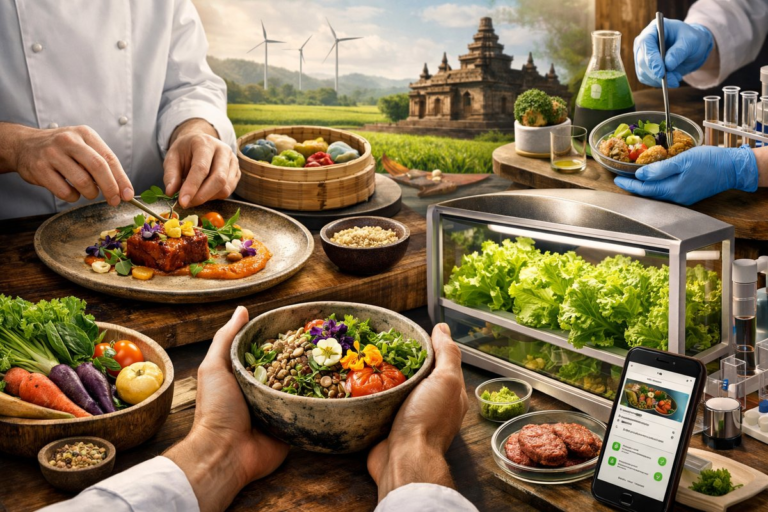
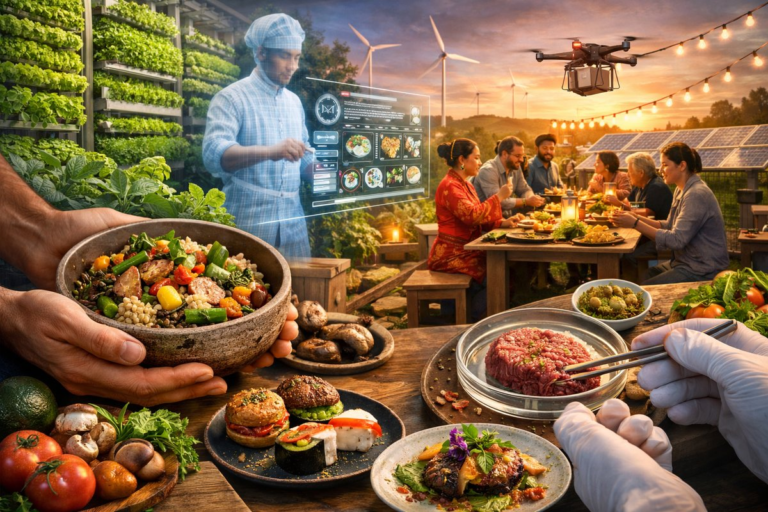
A parallel movement is emerging under the banner of cellular agriculture. While still nascent, lab-grown proteins are making headlines for their potential to reduce livestock emissions and land use. Early pilot kitchens have introduced cultured duck breast and salmon, served alongside hyper-seasonal vegetables. Though home cooks can’t yet brew steak at the stove, the promise of petri-dish poultry has ignited discussion about meat’s future, ethical oversight, and the culinary rituals we preserve even as the science evolves.
One of the more poetic additions to modern menus is plant leather edible packaging. Made from fruit peels, seaweed extracts, or composite starches, these translucent sheets wrap rice balls, tagliatelle nests, or crumbled cheese, then dissolve on contact with a warm broth. Edible wrappers reimagine takeout while cutting single-use plastic. For adventurous cooks, dehydrating leftover citrus rinds into chewy pouches or layering spinach leaf gelatin around goat cheese makes for a playful presentation that blurs the line between vessel and garnish.
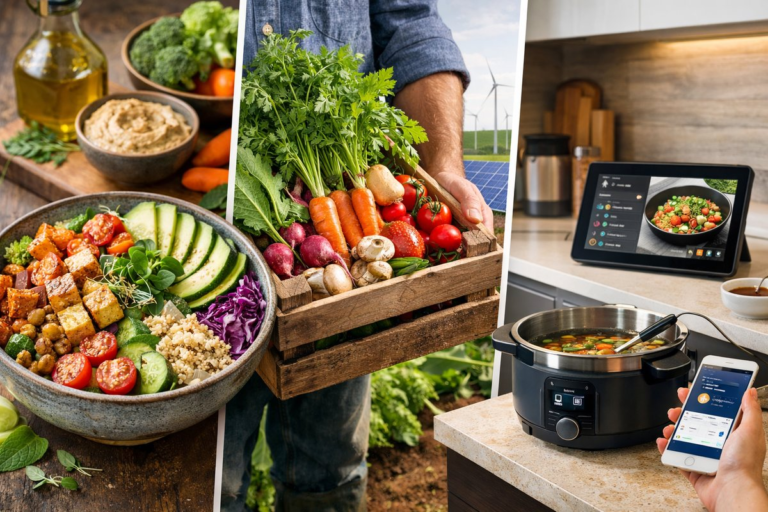
Digital cooking aids are also coming into their own. Smart thermometers link to recipe apps, guiding novices through sous-vide chicken and slow-roasted pork shoulder with step-by-step temperature alerts. Kitchen scales with nutrient-tracking capabilities allow exact tracking of macros and micronutrients. Even AI-driven recipe generators can tailor meal plans based on the ingredients in your fridge, dietary restrictions, and taste preferences-combining culinary creativity with data-driven convenience.
At home, vertical mushroom farms have captured the imagination of both city dwellers and suburban gardeners. Stacked substrate bags of oyster or lion’s mane spawn quietly produce flushes of fungi in a dim corner. Unlike traditional garden plots, these indoor systems require minimal square footage and deliver harvests within weeks. The earthy, tender yields lend themselves to pastas, stir-fries, and even sweets like mushroom-infused chocolate truffles.
Plant-based proteomics, another frontier, is refining the art of meat analogues. Through precision blending of pea and rice proteins, companies now achieve the marbling and bite of ground beef without the cow. When paired with umami boosters-mushroom concentrate, fermented black garlic, and aged miso-these burgers and meatballs bridge the gap between vegetarians and omnivores. The next step: DIY kits that let home cooks press their own patties, adding spices or sun-dried tomatoes to customize the blend.
The zero-waste ethos has moved beyond food scraps to water conservation, packaging, and energy use. Community kitchens are incubating programs that transform spent cooking oil into biodiesel for delivery vans. Schools are teaching students to regrow scallion roots in classroom vases. And coastal harbors are using oyster shells from restaurants to rebuild marine reefs. The unifying thread is a shift from consumption to contribution, inviting both professional and amateur cooks to reimagine their role in the food chain.
Even tasting experiences are evolving into multi-sensory installations. Imagine a dimly lit dining pod where scent diffusers release coriander mist as you taste a coriander-crusted fish, or textured table surfaces that reverberate gentle breezes as you sip a citrus cocktail. These immersive designs reflect a growing desire for meals that engage all five senses and heighten the storytelling aspect of cuisine.
Finally, the spirit of collaboration has taken root across kitchens large and small. Open-source recipe databases are fostering shared experiments in seaweed pickling, kimchi variations, and legume-based cheese cultures. Crowdsourced cooking challenges-posting video results from fermenting mushrooms or crafting solar-oven baked flatbreads-are sparking global conversations about flavor, technique, and food justice.
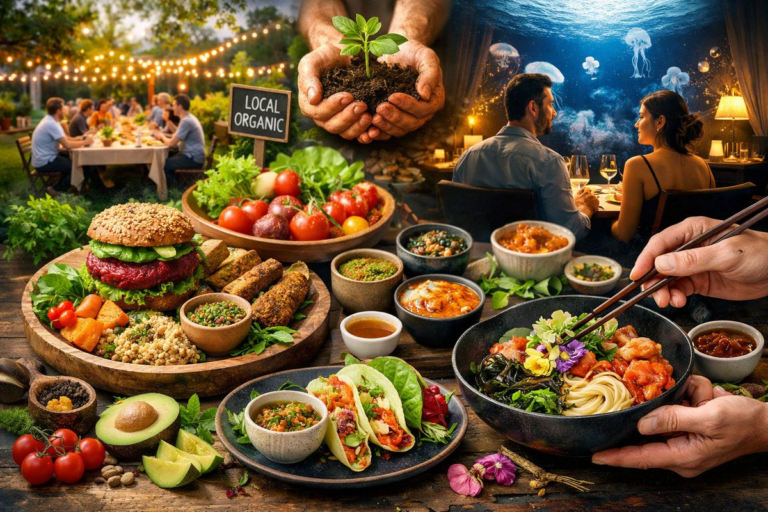
Together, these movements underscore a broader pivot: from passive consumption toward active participation. Whether planting pea shoots in a recycled yogurt cup or sampling a first tranche of cultured chicken skin, home cooks and chefs are embracing a more curious, accountable, and playful approach to feeding ourselves and our communities. As these culinary currents converge, kitchens everywhere become laboratories of flavor, sustainability, and connection-where every meal is an invitation to learn, innovate, and share.
In the months ahead, look for cooking workshops focused on regenerative agriculture tours, DIY bioreactors for fermentation, and interactive pop-up dinners that pair AI-designed menus with live data visualizations of carbon savings. These experiences will not only redefine our relationship with food but also offer tangible pathways for reducing waste, supporting local economies, and deepening our understanding of the ingredients that sustain life. The future of food is being crafted right now-one microgreen, one fermented jar, and one cell-cultured protein bite at a time.