Location
Mount Vernon, WA 98274

Location
Mount Vernon, WA 98274
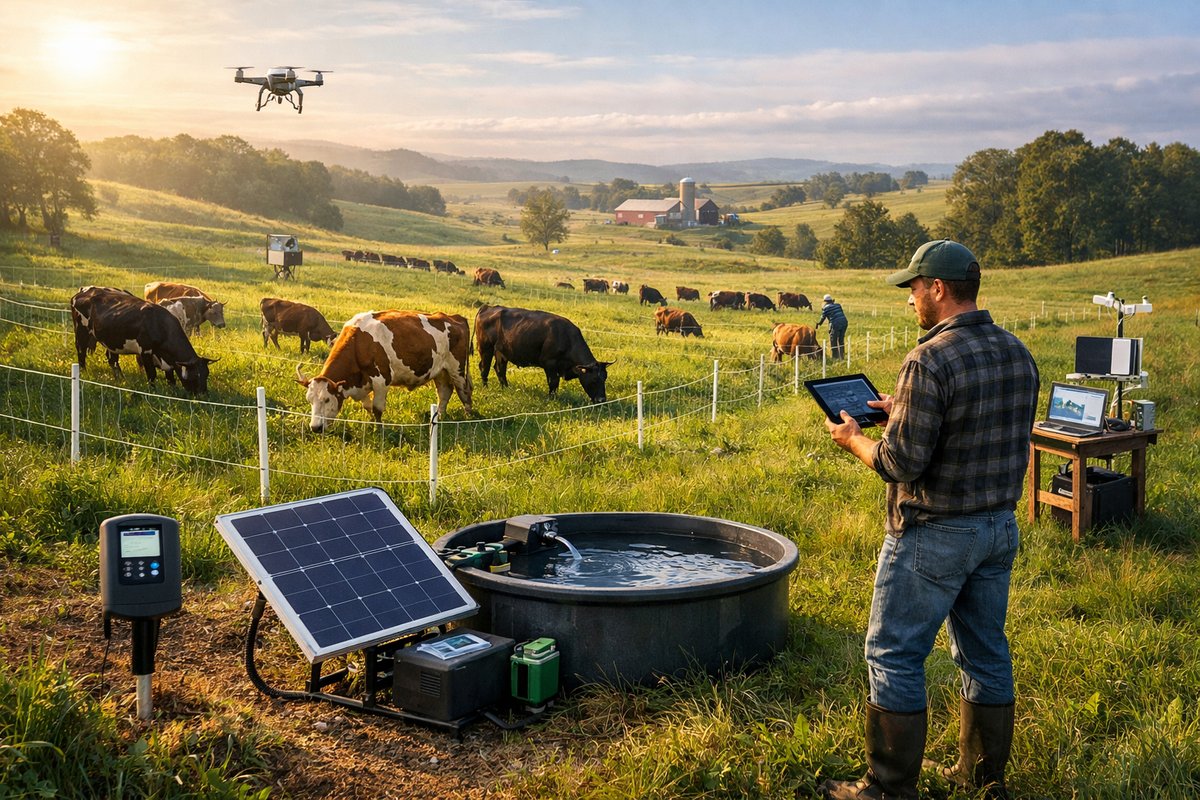
Across rolling acres of reclaimed pasture, farmers are uniting precision tech with time-honored grazing techniques to restore soil health and boost animal welfare. A multi-farm pilot shows that digital sensors, portable electric fencing and solar-powered water systems can cut feed costs and sharpen productivity, pointing the way toward a resilient future for sustainable livestock operations.
In a quiet corner of the Midwest, a band of farmers has embarked on a bold experiment to rewrite the rules of livestock stewardship. What began as a handful of conversations at local co-op meetings has blossomed into a coordinated network of regenerative grazing trials, data-driven pasture monitoring and collaborative animal care strategies. At the heart of this movement lies a simple promise: healthy soil and well-nurtured animals can coexist-and thrive-if traditional practices are combined with modern precision tools.
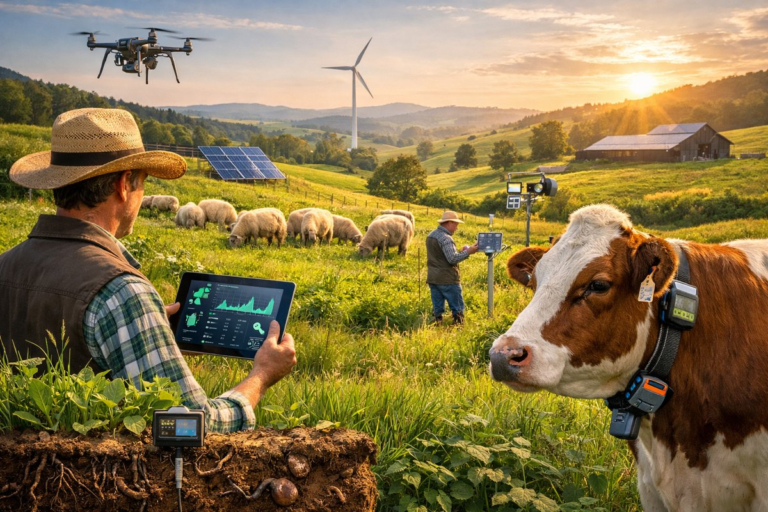
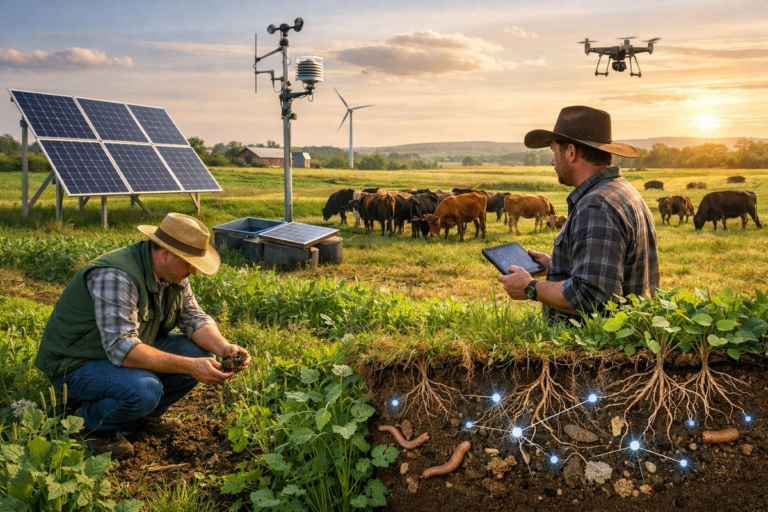
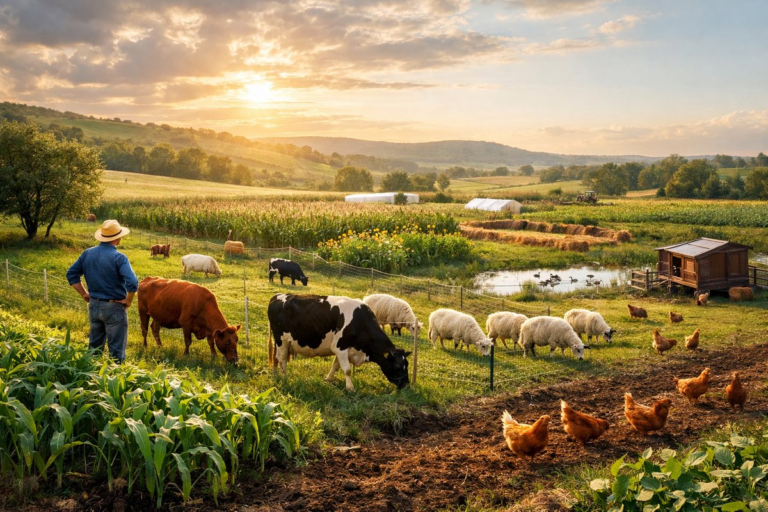
On Prairie View Farm, a small flock of sheep grazes on verdant paddocks demarcated by lightweight electric fencing. Every panel can be shifted in minutes, allowing the flock to browse over fresh forage and rest recently grazed sections. Coupled with pasture-scale moisture sensors buried a few inches below the surface, the farmers can monitor soil hydration in real time, ensuring each parcel receives adequate rest and rainwater absorption before the flock returns.
“I grew up on corn and soybeans,” says the farm’s co-manager, voice carried lightly on a spring breeze. “When my partner and I took over, the land was compacted from years of heavy machinery. We tried cover crops, but the real breakthrough came when we started rotating livestock. Seeing the pasture bounce back within weeks, and tracking those changes with sensors, was a game-changer.”
This small farm is one of eight participants in the Heartland Pasture Innovation Project, a year-long pilot funded by a mix of state grants, ag-tech startups and cooperative contributions. The project’s goals: measure improvements in soil organic matter, reduce reliance on external feed inputs, and raise animal welfare standards-without sacrificing profitability.
Early results are promising. Soil tests show organic carbon levels climbing by up to 15 percent in rotationally grazed plots, compared to static grazing controls. Feed costs have dipped nearly 20 percent as animals harvest pasture forage rather than relying on purchased hay and grain. And subtle behavioral monitoring-using motion-activated cameras and activity-tracking collars-reveals that herd animals grazing on diversified swards exhibit greater mobility and fewer instances of lameness.
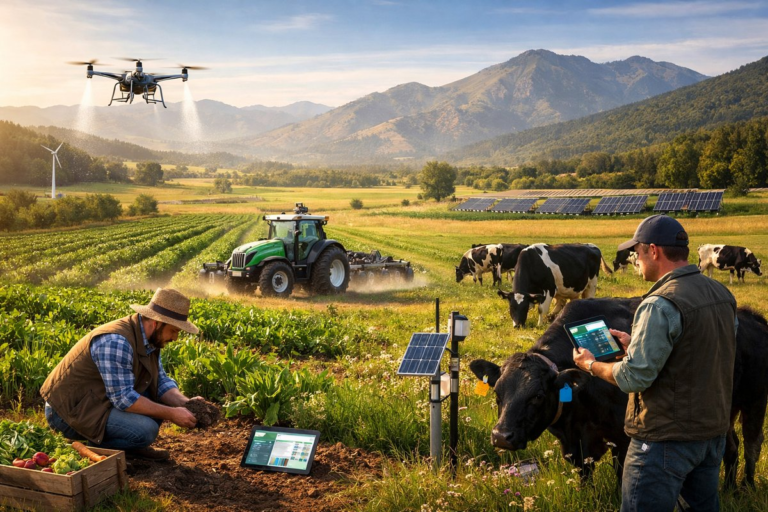
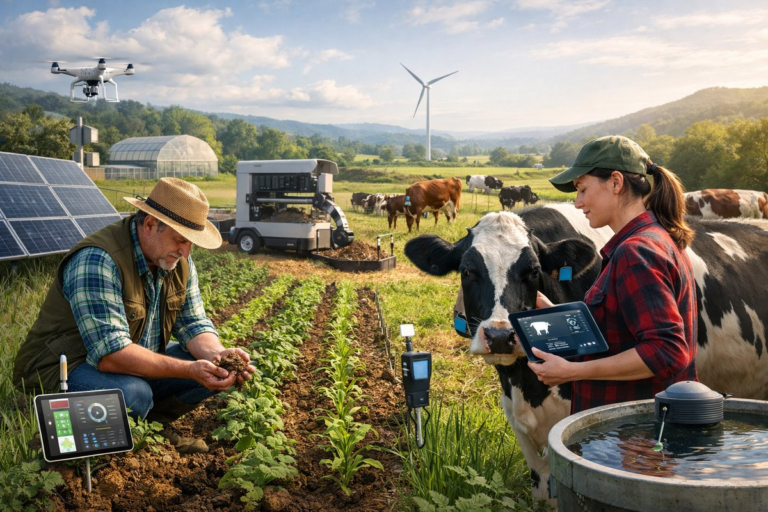
Behind these gains is a tapestry of tools and techniques. Portable electric fencing, for instance, allows precise paddock sizing and rapid reassembly. Soil moisture probes give farmers visibility into how long to rest a pasture after grazing. Low-maintenance solar pumps ensure drinkers never run dry, even during hot spells or grid outages. And a cloud-based dashboard integrates all these data points, alerting managers when moisture dips or when animals linger too long in a given zone, risking overgrazing.
Animal care has also been elevated through collaboration. Every farmer in the consortium logs health events-vaccinations, hoof trims, parasite treatments-into a shared database. Veterinary teams can analyze regional patterns in disease incidence, enabling targeted interventions with natural remedies first, then pharmaceuticals if necessary. One unexpected benefit: by pooling purchase volumes, the group negotiates bulk rates on feed supplements and parasite controls, cutting costs for all members.
“It’s not just about technology,” explains the project’s coordinator. “It’s about building a culture where neighbors share lessons, celebrate successes-and learn from setbacks. When someone tried a new herbal parasite supplement and saw a drop in worm counts, that knowledge spread overnight. We’re democratizing best practices.”
Such social innovation runs parallel to technological adoption. Regular on-farm workshops feature live demonstrations of moveable fencing rigs, pasture reseeding methods and low-stress animal handling techniques. Drone overflights map forage density, while mobile apps help set up grazing schedules based on plant growth rates and future weather forecasts.
For many participants, sustainability extends beyond carbon sequestration or soil health. They’re experimenting with alternative feedstocks-sunflower meal, brassica cover crops, even seaweed additives-to reduce methane emissions and improve animal digestion. Early trials with kelp-infused pellets show promising signs of odor reduction in barns and lower greenhouse gas readings in dung samples.
Despite the forward strides, challenges persist. Plumbing reliable solar pumps across varied terrain requires upfront investment and site planning. Mobile networks remain spotty in some regions, complicating real-time data uploads. And traditional lenders still view these hybrid systems-part livestock, part tech startup-as a riskier proposition compared to conventional operations.
To bridge the financing gap, several co-op members have explored lender partnerships that recognize ecosystem-service payments. By quantifying the carbon sequestered in pastures, they secure carbon credits that provide additional revenue streams. Meanwhile, private impact investors have taken note: a recent round of seed-stage funding will underwrite network expansion to neighboring counties.
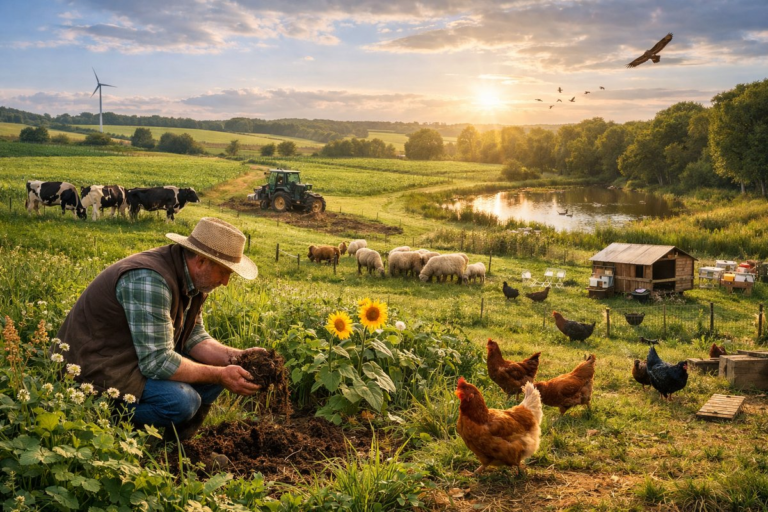
Amid these innovations, animal welfare remains central. Observers note that rotational grazing-coupled with diversified forage-reduces digestive upset and promotes natural foraging behaviors. Shade shelters constructed from reclaimed materials provide relief during high temperatures, and deep-bedded sleeping areas are rotated seasonally to give livestock clean, dry rest zones.
Veterinarians participating in the project emphasize holistic health. Rather than reacting to outbreaks, they work with farmers on preventive tactics: optimizing mineral balances in soil to improve forage quality, integrating medicinal herbs known for antiparasitic properties, and designing handling facilities that minimize stress responses.
As the pilot approaches its final quarter, participants are preparing for a regional open house. Neighbors, extension agents and curious community members will tour pasture cells, inspect data displays and talk directly with farmers about costs, labor requirements and visible environmental outcomes. The hope is that these conversations will spark wider adoption, as project leaders refine training modules and open-source much of the dashboard code.
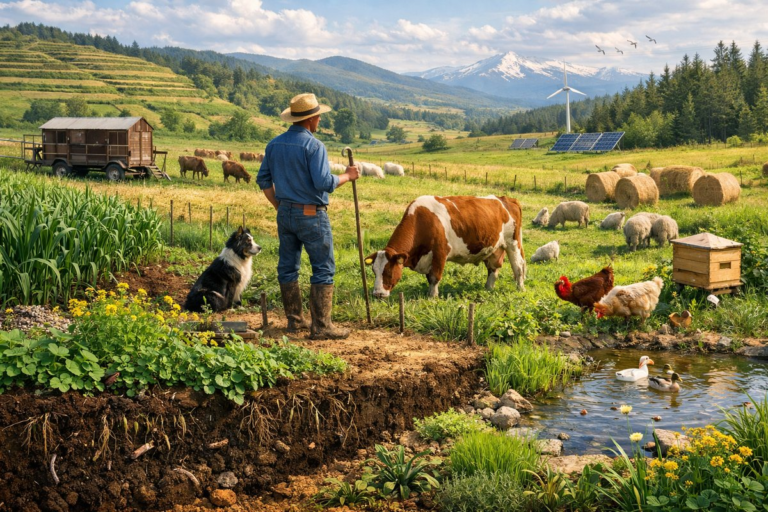
Back at Prairie View Farm, the sheep graze undisturbed under the watch of a guardian dog. Nearby, the solar pump hums quietly, topping off the trough. The soil moisture sensor reads 22 percent at dusk-ideal for root development in the coming days. It’s a scene that marries old rhythms with new insight: a testament to what can be achieved when rural tradition embraces innovation.
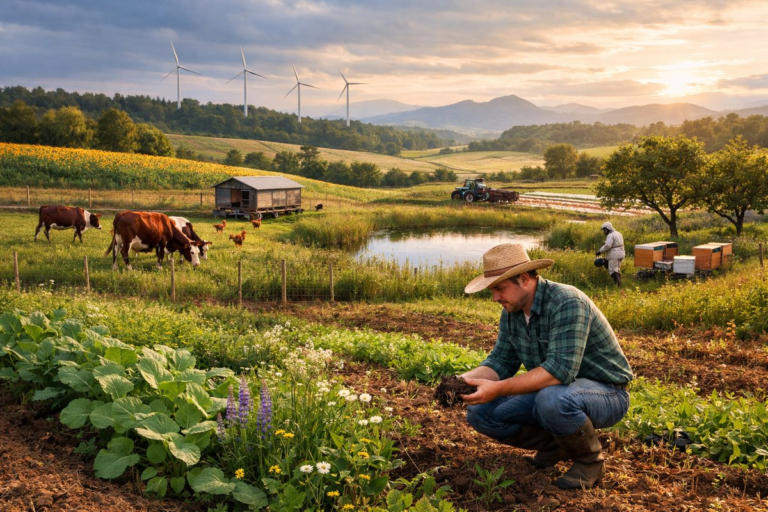
As other regions face worsening droughts, dwindling biodiversity and economic pressures, the Heartland Pasture Innovation Project offers a replicable model. By weaving together lightweight infrastructure, digital monitoring and community-driven governance, farmers are charting a course toward resilient, humane and profitable livestock systems. And while the journey is far from over, these early successes hint at a broader transformation-one that nurtures both the land beneath our feet and the animals we raise upon it.