Location
Mount Vernon, WA 98274

Location
Mount Vernon, WA 98274
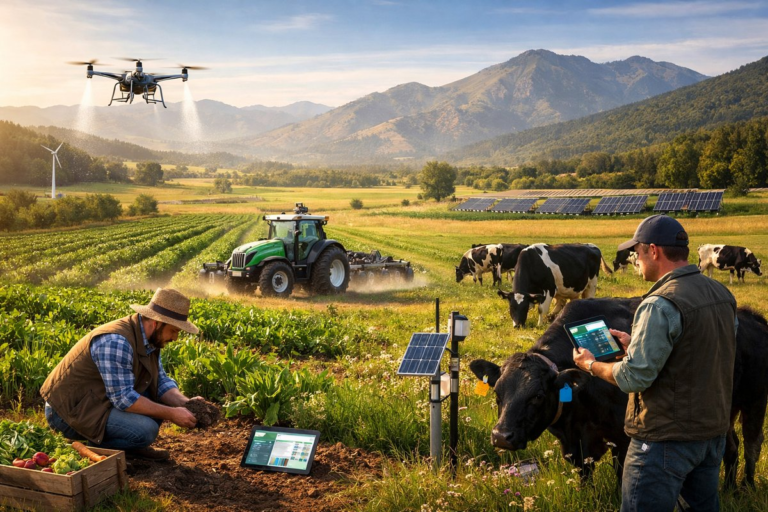
On family-run ranches across the heartland, solar-powered pumps, sensor-equipped water troughs and GPS livestock collars are proving that sustainability and productivity can go hand in hand. A growing wave of tech-savvy ranchers is blending time-honored grazing methods with Internet of Things gadgets and regenerative practices to boost herd health, conserve resources and tap into emerging carbon markets.
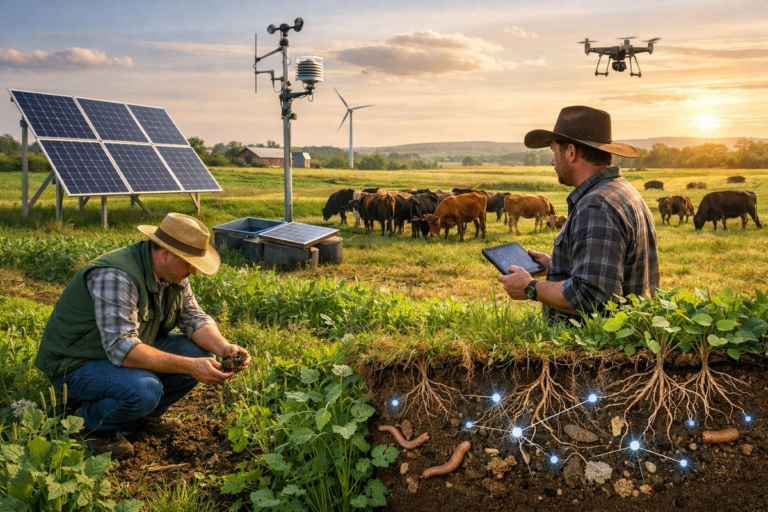
On a gently rolling pasture at the edge of a small Missouri county seat, rancher Alex Morgan watches sunlight glint off a solar panel then drift across a distant herd of Angus cattle. A few years ago, Morgan pumped water from a diesel-powered well and marked grazing paddocks with barbed-wire fences. Today, a network of solar-powered water pumps, mobile apps and portable electric netting guides her animals from one grass parcel to the next, rejuvenating soil and slashing fuel bills.
Morgan’s evolution began when a nearby drought left troughs dry and diesel deliveries late. She installed a solar-powered diaphragm pump at the wellhead and added float-controlled trough sensors, which send water-level alerts to her smartphone. The system runs on spare panels salvaged from an old barn roof, paired with a battery bank in a weatherproof enclosure. The solar pumps cost more up front than a fuel-driven unit, but Morgan says the tight integration with sensors and remote monitoring cut her labor by nearly half and eliminated weekly fuel hauls.
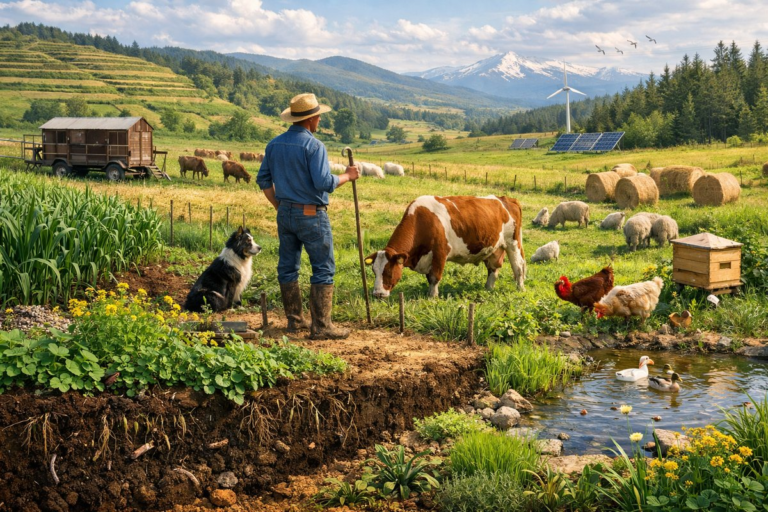
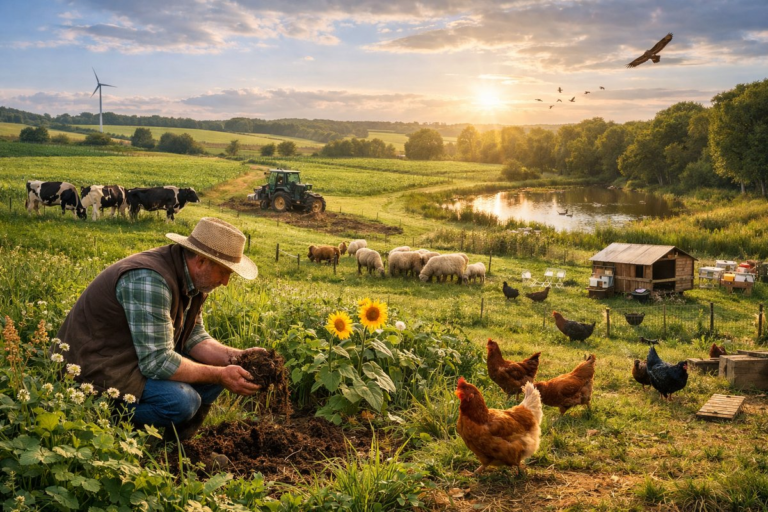
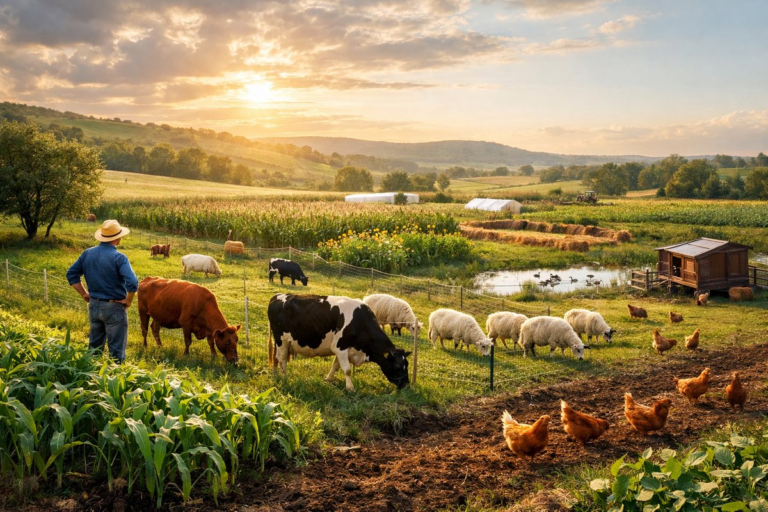
Across the fence line, third-generation rancher Luis Herrera has embraced a data-driven approach to grazing. Instead of fencing off one permanent pasture, Herrera divides his land into small paddocks using portable electric fence netting. Each spring he plans grazing rotations with a grazing-planner mobile app that factors in rainfall forecasts, pasture rest periods and forage growth rates derived from satellite imagery. The app’s recommendations help him move his herd every three to five days, allowing used paddocks at least four weeks of rest before regrazing. Over two seasons, Herrera has measured a 30 percent increase in forage yield and an uptick in soil organic matter.
Regenerative grazing isn’t purely about productivity metrics. Herrera notes that cattle kept moving more frequently show fewer signs of stress. Portable watering stations, fed by solar pumps and controlled by livestock-activity sensors, encourage herds to spread out across the landscape. Fewer cattle congregate at natural springs or dusty corners, reducing erosion and minimizing parasite loads. “We’re working with the animals’ instincts, not trying to crowd them into thin strips,” he explains.
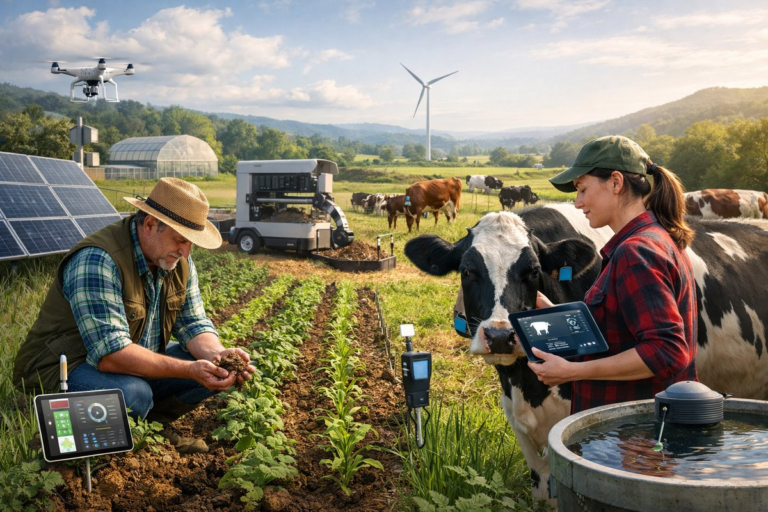
Wild swings in weather have led many ranchers to invest in real-time soil-moisture monitoring. Small sensor probes inserted at multiple depths across paddocks relay moisture readings via a wireless gateway to an online dashboard. When sensors detect that grass root zones have dropped below a certain threshold, automated alerts prompt fence adjustments. Ranch managers can pause grazing in a given cell until the soil recharges, ensuring plants recover and root systems deepen. This fine-grained control contrasts sharply with traditional grazing calendars that often ignore on-the-ground conditions.
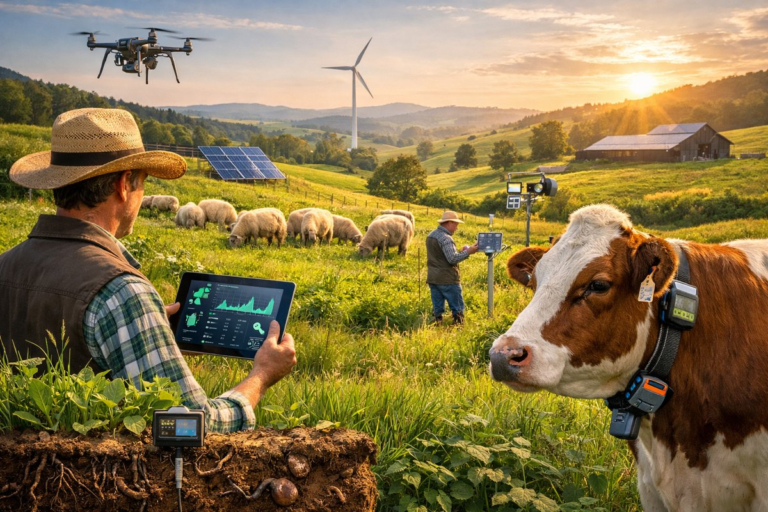
In the back pasture of a South Dakota ranch, livestock wear GPS-enabled ear tags that track movement, grazing time and temperature. These active monitoring tags can detect early signs of heat stress or lameness by analyzing movement patterns and internal sensors. Alerts about a cow lingering near the water trough far longer than usual bring her down to the vet before an infection takes hold. While tags and tracking collars have been around for years, modern units are lighter, more durable and powered by long-life batteries that recharge during grazing flights under solar chargers.
On another stretch of dryland prairie, ranchers have banded together to install modular rainwater-harvesting systems. Each rancher fits out a section of barn guttering with a high-capacity barrel and gravity-fed valve. Rainwater from spring storms is collected and stored overhead, then drips into a distribution manifold supplying multiple portable troughs. During lean months, this harvested water supplements the solar-pumped well, providing a buffer against well failures and deep drawdowns. The modular design lets ranchers add barrels as budgets allow and swap aging units without rebuilding the entire system.
While technology is vital, social infrastructure has proven equally important. Cooperative extension agents and regional livestock associations now host field days and virtual workshops on integrating new tools. Ranchers trade tips on sensor placement, battery maintenance and data interpretation. Several grassroots groups have launched cost-sharing programs: a rancher who buys a soil-moisture gateway can lend it to neighbors in rotation, splitting subscription fees for cloud services and sharing calibration costs.
Carbon markets are the latest frontier driving adoption of regenerative practices. Under new soil-carbon-credit protocols, ranchers document grazing patterns, soil tests and vegetation surveys over multi-year contracts. Companies looking to offset emissions purchase credits tied to documented increases in soil organic carbon and methane reductions from improved manure management. To qualify, ranchers must maintain records of paddock rest periods, herd densities and fertilizer applications, often digitized through grazing-planner platforms.
For small operations, initial paperwork and measurement requirements can feel daunting, but local cooperatives and technical-assistance grants have stepped in. A regional water-quality district recently funded soil-sampling kits and analysis fees for a cluster of ranchers switching to precision grazing. Another nonprofit offered training vouchers for ranchers to learn how to use remote-sensing dashboards and carbon-accounting calculators.
As field sensors ping updates and solar panels soak up midday sun, skeptics sometimes question whether high-tech interventions belong on time-honored ranches. Morgan, who grew up bragging about the family diesel rattling like a tractor at dawn, argues that new tools aren’t about replacing tradition but enhancing it. “My grandfather raised cattle with a pocket watch and a pitchfork. I raise them with a phone and a sensor, but the land still tells me what to do,” she says. “We’re only trying to tune in a little faster to what nature is already doing.”
Back in her barnyard, a remote-control valve closes a water line when sensors detect an electric fence is down. Out in the distance, the herd idles beside a trough, framed by sturdy net fencing that can be rolled up and moved at a moment’s notice. Gravel dust kicks up at the edge of the gate, mixing with sweet hay aromas as a late-afternoon breeze whispers through the tallgrass. This synthesis of solar power, sensor networks and regenerative grazing could chart a new chapter for America’s working lands-one where productivity and climate resilience grow side by side.
As ranchers share data and offset credits, the stewarding of livestock and land becomes a community endeavor. Innovative financing models, from microloans for solar pumps to cooperative equipment shares, are democratizing access to tools once reserved for large commercial operations. Beyond dollars and kilowatt-hours, this movement hinges on curiosity: a willingness to experiment, measure outcomes and adapt strategies season by season.
Today’s rancher might be both cowboy and coder, balancing pasture-planning spreadsheets against sunrise rides. The twice-a-day barn chores still bind families and neighbors together, but now those chores can be measured, optimized and sometimes automated. As weather extremes grow more common, the marriage of low-impact farming principles and distributed sensing networks offers a path forward-one that honors generations past while equipping the next generation of ranchers with data-driven insights.
Innovation never stops grazing. As battery technologies evolve, sensors shrink and software interfaces become more intuitive, ranchers will continue fusing analogue traditions with digital precision. In paddocks where cattle once lurched at makeshift troughs under scorching sun or freezing nights, solar pumps will hum and screens will glow. But in every corral gate and under each barn roof, the real story remains the same: caring for the animals, restoring the soil and finding new ways to feed both communities and ecosystems.
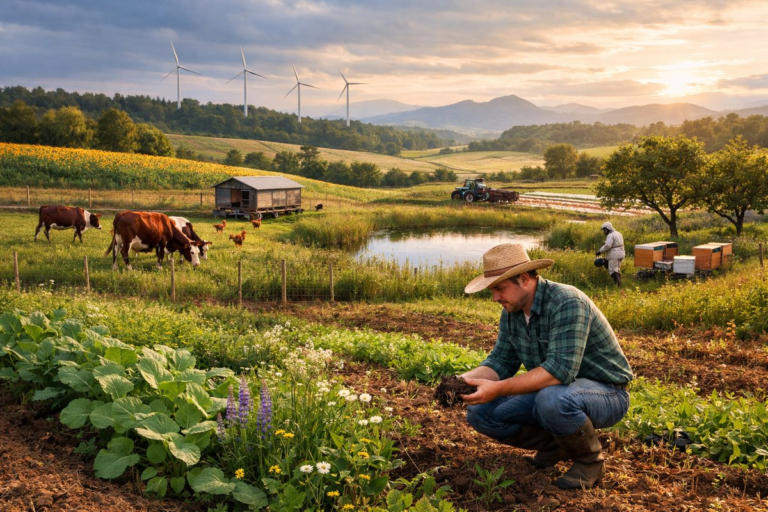
The transformation underway on small- and mid-sized ranches signals a turning point. By harnessing sunlight, soil data and collective know-how, ranchers across the heartland are charting a more resilient future. It’s a future where fences hum with electrons instead of barbs, where every gallon of water is stewarded and where the next generation can look forward to healthier herds, livelier pastures and farmsteads that thrive in harmony with the land.