Location
Mount Vernon, WA 98274

Location
Mount Vernon, WA 98274
A consortium of Midwestern ranchers and agricultural researchers has launched a groundbreaking pilot program that integrates solar-powered water systems, portable fencing, and animal health sensors. This initiative seeks to balance productivity, environmental stewardship, and animal welfare by adopting modular, tech-driven solutions on small to mid-sized operations.
Across rolling pasturelands in the heart of the Midwest, a quiet transformation is underway. In a joint effort led by local ranchers and a regional agricultural research station, dozens of livestock operations have begun testing a suite of new tools and techniques designed to reduce environmental impact, streamline daily chores, and improve animal well-being. Rather than relying on a single silver-bullet technology, the pilot program emphasizes modular systems-solar pumps here, portable fences there, cloud-connected health monitors over there-allowing each farm to choose the components that fit its unique environment and scale.
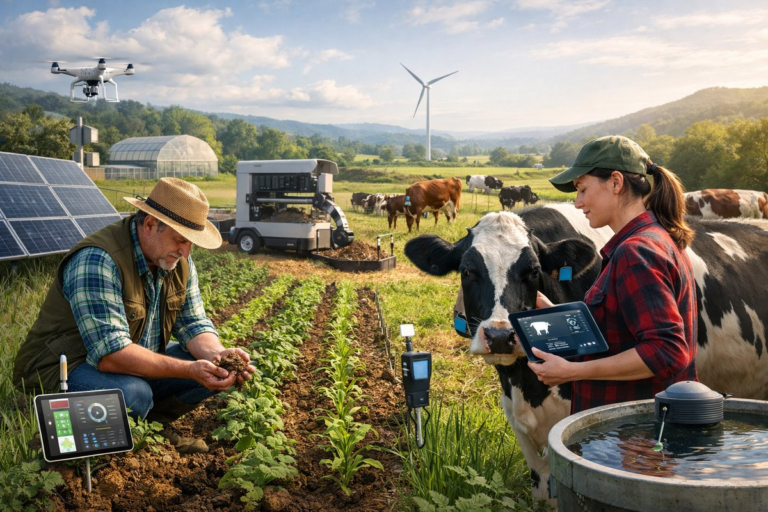
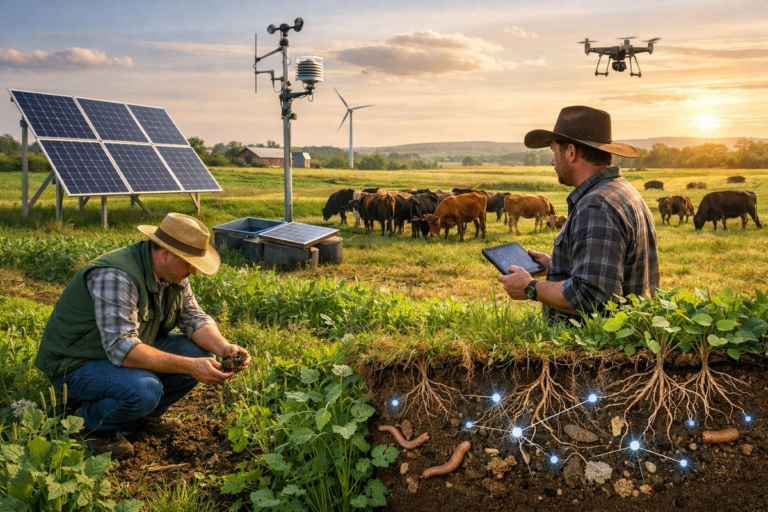
One key element of the initiative is the deployment of solar-powered water pumps. By drawing energy directly from sunlight, these pumps keep troughs filled in remote paddocks without the need for grid electricity or regular fuel deliveries. Participating rancher Abraham, who manages a 500-acre cattle operation, notes that last season’s drought raised concerns about water availability. “Before, we’d truck in water to some of the more distant corners of the pasture,” he says. “Now, our solar units have been running nonstop. We’ve cut truck hours in half and never risked running dry.”
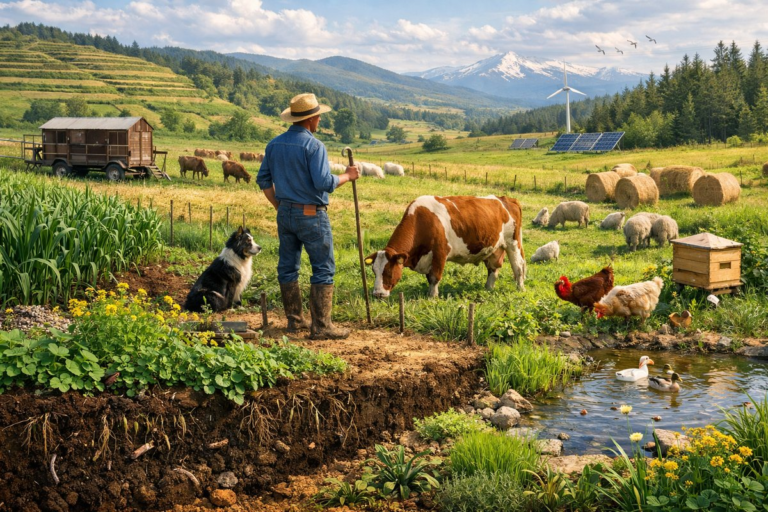
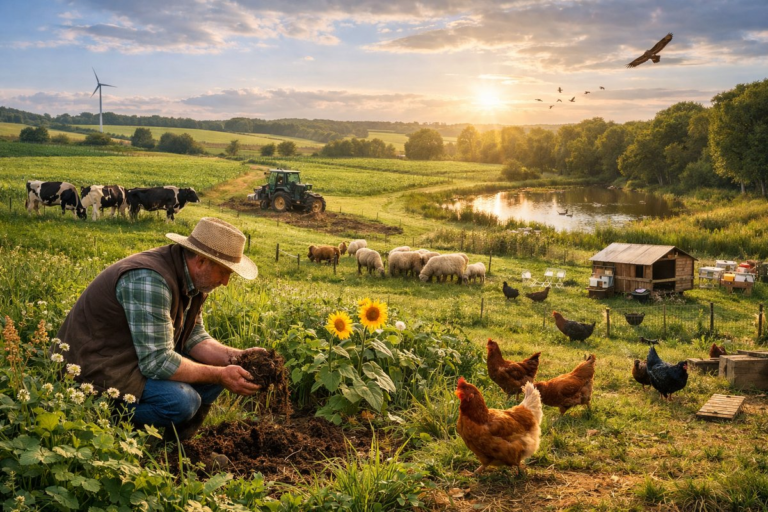
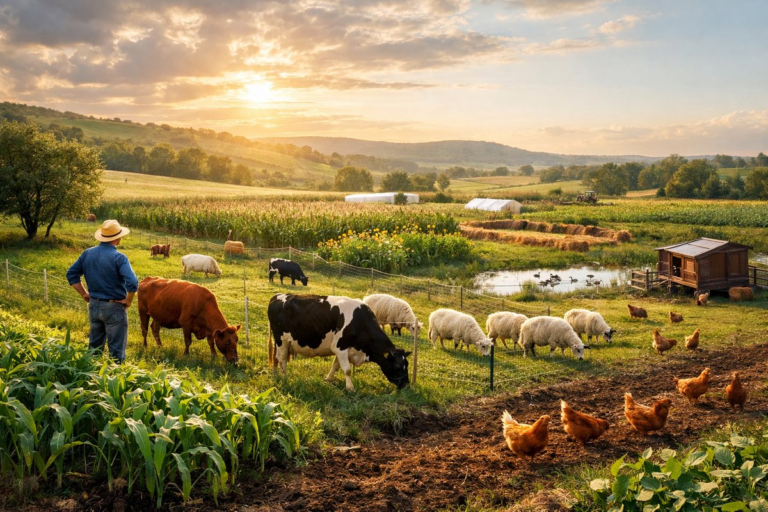
In parallel with water management, another pillar of the effort is rotational grazing enabled by portable fencing. Lightweight corral panels and electric fence reels let farmers subdivide large pastures into smaller paddocks in minutes. Animals are moved daily or even multiple times per day, mimicking the natural herd movements seen on wild rangelands. This practice fosters healthier grass regrowth, builds carbon in the soil, and limits parasite pressure. Angela, who raises mixed-breed sheep on a 200-acre farm, reports that her pastures are noticeably more robust after only one grazing cycle. “The grass comes back greener and taller,” she says. “Our wool yield is up, and we’re sequestering more carbon than we estimated.”
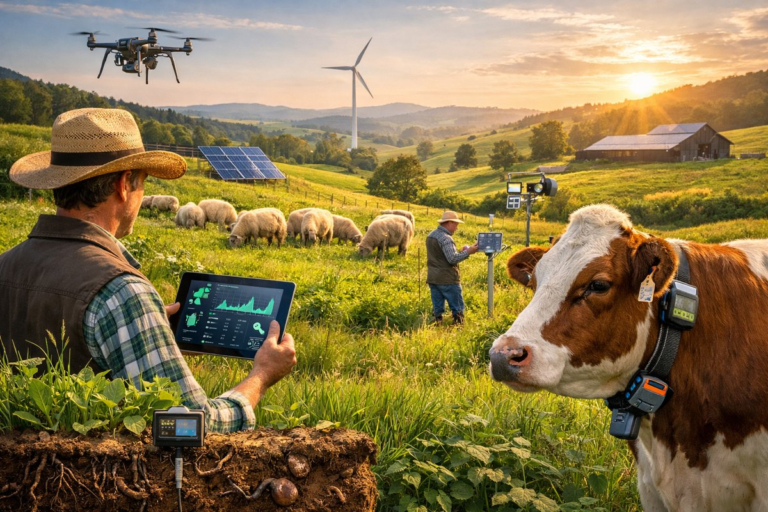
Animal health tracking is also receiving an upgrade. Collars equipped with motion sensors and rumination monitors transmit data to an online dashboard. Alerts flag changes in activity patterns that could signal illness or distress before visible symptoms emerge. For operations juggling dozens or even hundreds of head, this early-warning system can make the difference between a quick treatment and a widespread health issue. Dr. Flores, a veterinarian consulting on the program, highlights the potential for antibiotic use reduction. “When you catch a cough or digestive problem at the first sign of abnormal behavior, you often avoid more serious interventions. That’s better for the animals, the environment, and the end consumer.”
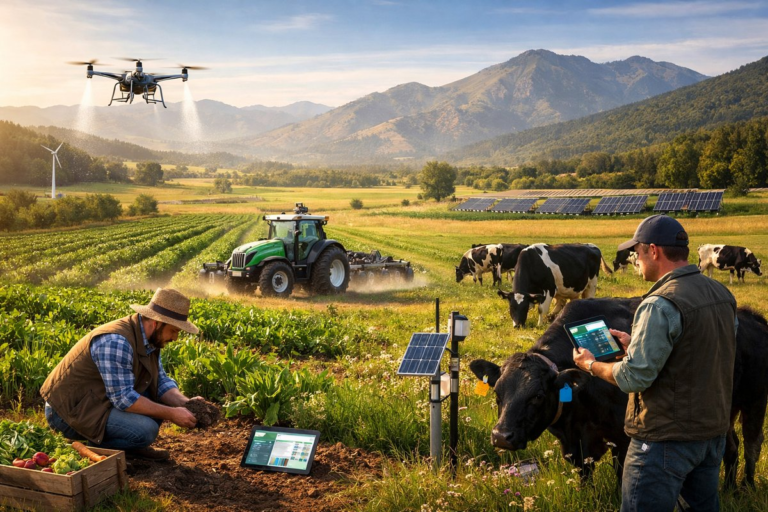
Drone flights have joined the toolbox as well. Lightweight quadcopters equipped with high-resolution cameras periodically survey fence lines, water sources, and pasture condition. In one case, an operator spotted a fallen tree trunk obstructing a remote fence, enabling a quick repair before cattle wandered off. Another drone run measured forage density across fields, helping to optimize grazing rotations based on real-time data rather than rough estimates. The program team is even experimenting with multispectral imaging, which can detect subtle stress in grasses during extreme heat or drought.
Behind the scenes, a local cooperative is managing the integration of these technologies. Farmers sign up for a subscription that covers equipment rental, software access, and technical support. Because the equipment is modular, ranchers can test a solar pump during the dry season, then swap it out for portable panels in wetter months. “We wanted to avoid locking people into one system,” explains the cooperative’s coordinator. “Flexibility is key, especially when weather patterns are so unpredictable.”
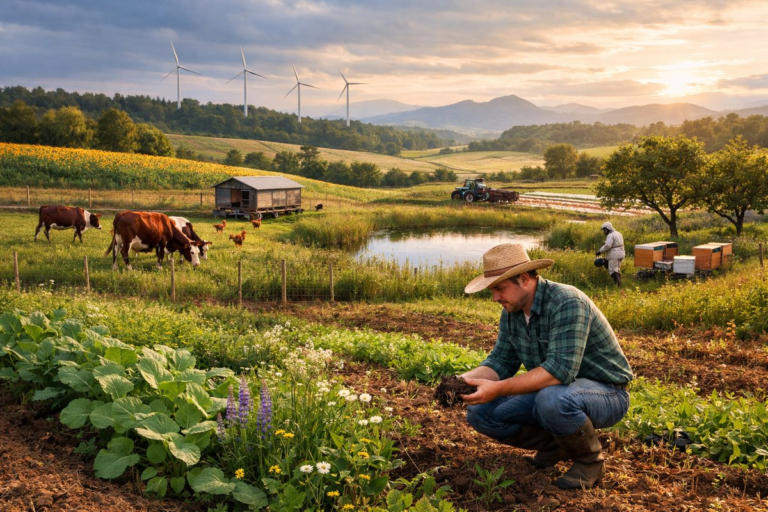
The environmental benefits are already showing up in preliminary data. Soil samples taken before and after a full grazing cycle demonstrate an average increase of 12 percent in topsoil organic matter across participating fields. Greenhouse gas emissions associated with water trucking and diesel-powered generators have fallen by about 30 percent on operations using solar pumps. And fencing that protects riparian buffers-strips of vegetation along streams-has reduced nutrient runoff during heavy rains.
Beyond the numbers, the program has energized rural communities. Monthly meetups allow farmers to share insights, troubleshoot issues, and swap tactics. Tech-shy ranchers gain confidence by watching neighbors set up portable panels or inspect drone footage. Younger family members studying agriculture get hands-on experience with coding dashboards and configuring sensors. “We’re seeing a real cross-generational exchange,” says one local extension agent. “That social aspect is as important as the hardware.”
Animal welfare advocates have also expressed cautious optimism. Low-stress handling techniques, such as curved lane systems and widened chutes, are being combined with digital tools to reduce animal agitation. When sheep move through a handling facility monitored by cameras, owners can review footage for bottlenecks that cause stress and adjust layouts accordingly. “Calmer animals are healthier animals,” notes Dr. Flores. “They have stronger immune responses and better weight gains. It’s a win-win.”
Critics point out that some of this equipment still carries a significant upfront cost. Even with subsidies and rental options, a fully outfitted small ranch might invest tens of thousands of dollars to cover pumps, drones, fences, and monitoring collars. To address this, the cooperative has arranged group purchasing discounts and is exploring low-interest microloans. Community lenders have stepped up, recognizing that resilient agricultural economies benefit everyone.
Opportunities for expansion are already appearing beyond the Midwest pilot. A cluster of ranchers in a more arid region is adapting the model to integrate drought-tolerant forage species and larger solar arrays. In a wetter coastal belt, another group is testing amphibious robotics for marshland cattle. Feedback loops between these regional hubs are being formalized, so that lessons learned in one corner of the country travel swiftly to the next.
As the pilot moves into its second year, organizers stress that continuous improvement is essential. Data from the first season will refine best-practice guidelines, and software updates will roll out new features in the management dashboard. Farmers are invited to propose enhancements, whether that’s a more intuitive mobile app interface or a sleeker drone payload module.
Perhaps most importantly, the project underscores the idea that sustainable livestock care doesn’t require a leap to fully automated, high-tech mega-ranches. Instead, it flourishes in modular increments, adapted to the scale, budget, and goals of each farm. A small flock manager might start with a single solar pump and portable fence kits. A larger ranch could layer on drone surveillance and automated feeders. Over time, these pieces combine to form a resilient, regenerative system.
The lessons emerging from this initiative are likely to ripple through rural landscapes well beyond the pilot area. With growing consumer interest in ethically raised meat and dairy, farms that can demonstrate both environmental stewardship and animal welfare stand to gain market advantage. Meanwhile, reduced labor demands and improved resource efficiency strengthen the bottom line.
In dusty work boots, digital dashboards, and solar panels, this new chapter in livestock farming is taking shape. It may still be early days, but ranchers, researchers, and rural communities alike are embracing the change. As one participant puts it, “We’re not just raising animals. We’re raising the standard for what modern livestock farming can be.”