Location
Mount Vernon, WA 98274

Location
Mount Vernon, WA 98274
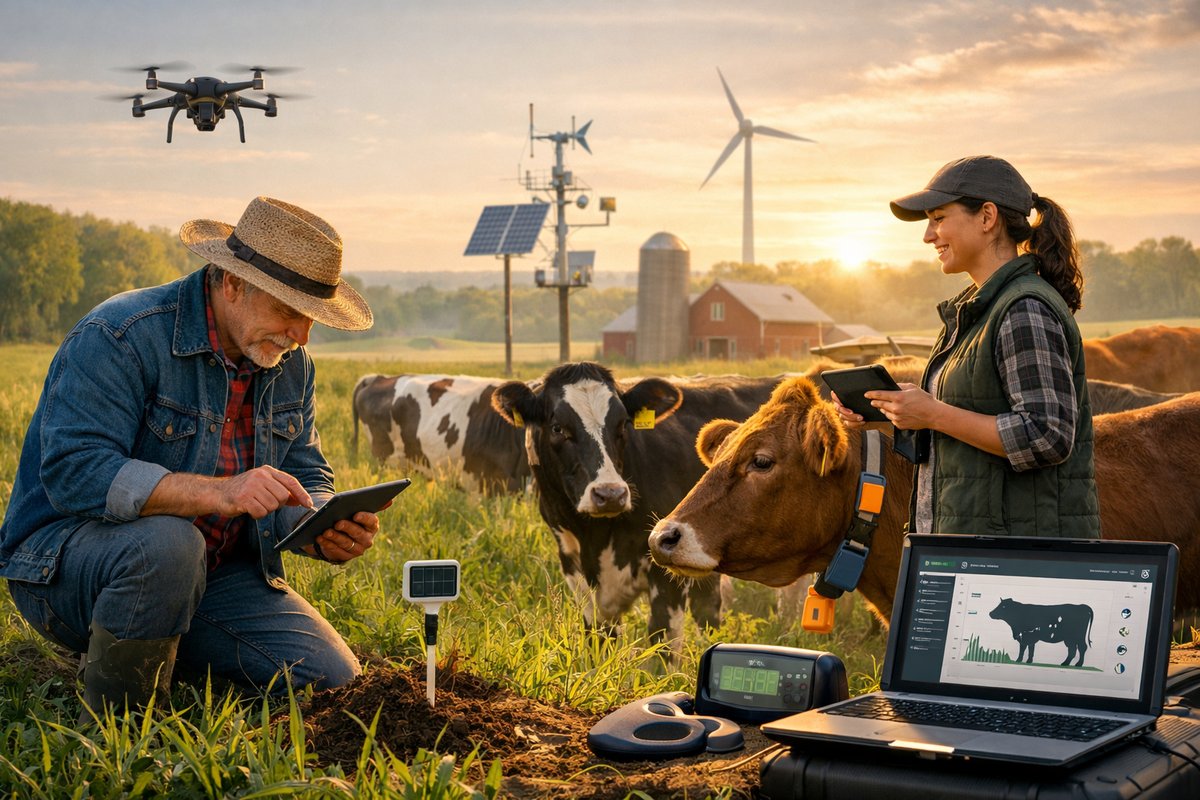
Farmers and livestock caretakers are forging a new path by blending age-old traditions with cutting-edge technologies. From regenerative soil practices to precision livestock monitoring, this article explores how rural communities are innovating for environmental resilience and animal well-being.
Across sprawling fields and rolling pastures, a quiet revolution is unfolding. Farmers are rethinking conventional methods, embracing practices that regenerate the soil, conserve water, and support biodiversity. At the same time, livestock caregivers are adopting welfare-focused strategies that promote healthier animals and more productive herds. Meanwhile, rural regions once sidelined in the digital age are catching up through high-speed connectivity and smart tools designed for challenging farm environments.
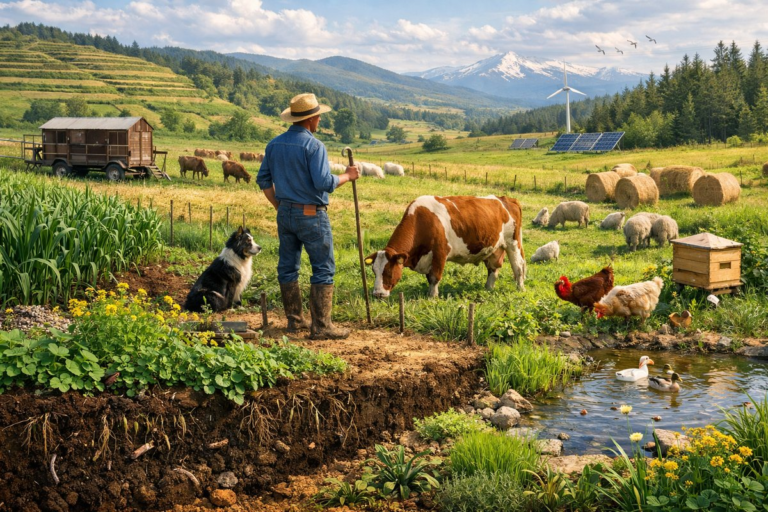
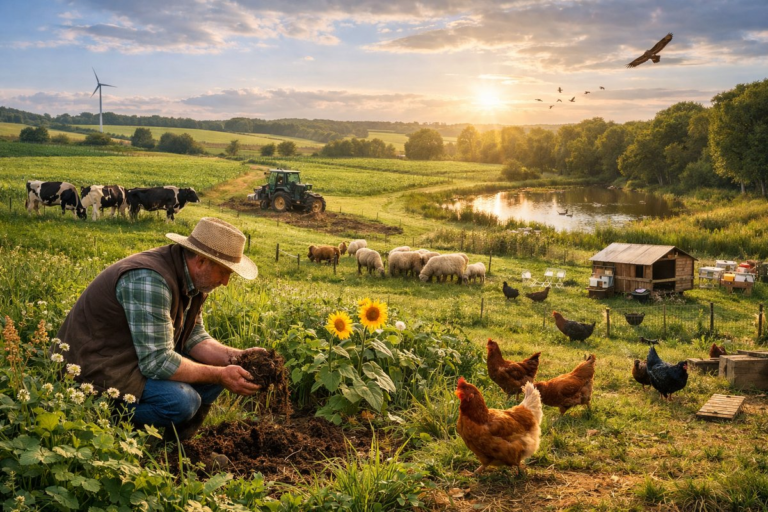
Regenerative agriculture lies at the heart of this transformation. Rather than depleting the land with intensive tillage and monocultures, practitioners are planting cover crops after harvest to shield soil from erosion and enrich it with organic matter. Legume species, such as clover and vetch, fix atmospheric nitrogen, reducing the need for synthetic fertilizers. Over time, these techniques build soil structure, increase water retention, and foster diverse microbial life beneath the surface.
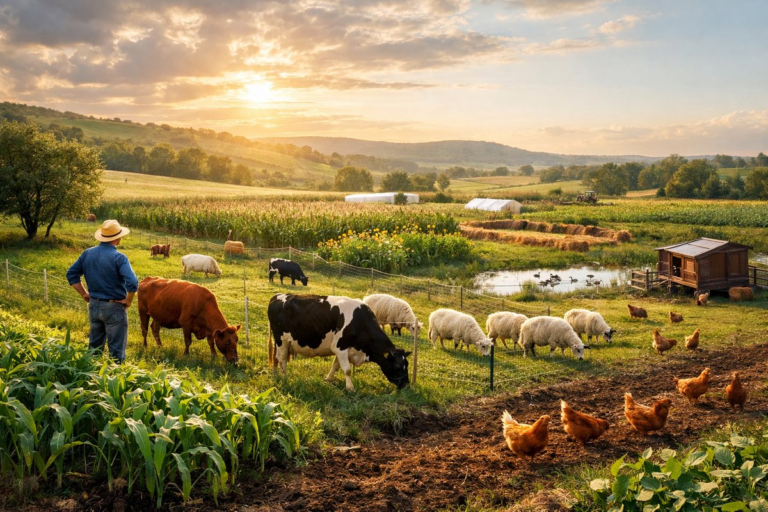
Rotational grazing complements these soil-centric practices by mimicking natural herd movements. Livestock are moved through a series of paddocks, giving grazed sections time to recover. This approach helps distribute manure evenly, prevents overgrazing, and encourages the growth of native grasses. Farmers report that herds remain healthier on nutrient-rich forage, and pastures demonstrate increased resilience to drought and extreme weather events.
Water management has emerged as a critical concern in many farming regions where rainfall patterns have grown unpredictable. Rainwater harvesting systems capture roof runoff from barns and storage sheds in large tanks, providing a buffer during dry spells. Complementary drip irrigation systems deliver consistent moisture to crops using minimal energy, cutting water waste by more than half compared to traditional spray methods.
Under the shade of a modern barn, swine and poultry housing are evolving to meet higher welfare standards. Adjustable ventilation systems maintain optimal temperature and air quality, while deep-litter bedding absorbs moisture and provides animals with comfortable resting areas. Caretakers monitor ammonia levels with handheld meters, ensuring that air remains fresh and free of harmful gases.
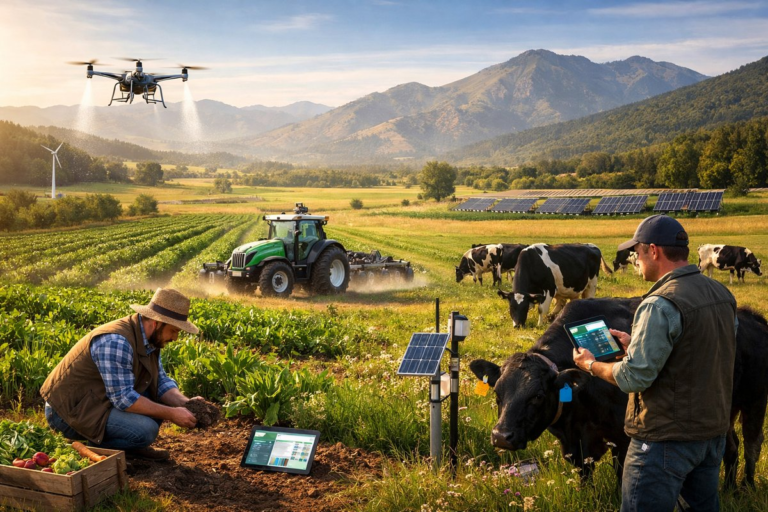
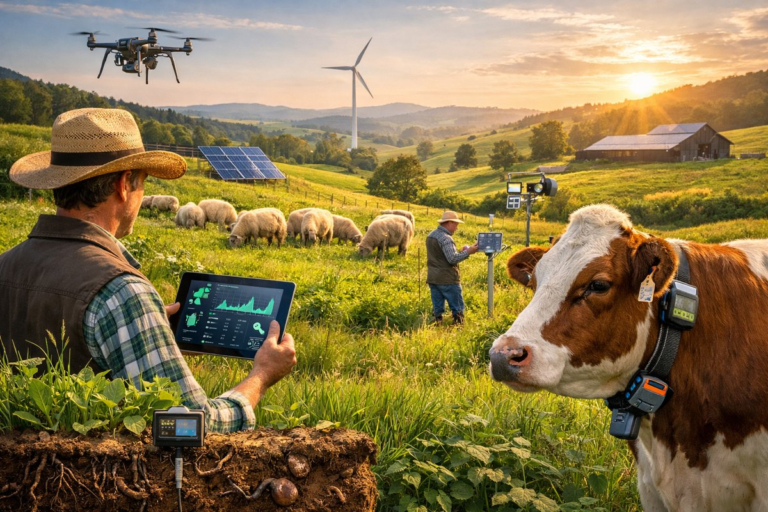
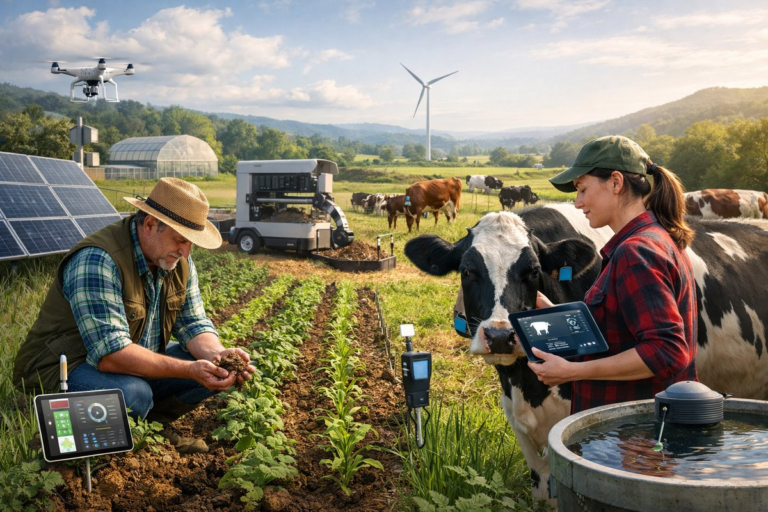
Wearable sensors for cattle and sheep have moved from experimental to mainstream. Small, durable devices clip to collars or leg bands, continuously tracking activity, rumination, and body temperature. Alerts notify farmers of early warning signs of illness or heat stress, allowing for timely intervention and reducing livestock losses. Data collected over seasons helps optimize feeding schedules and breeding decisions for maximum herd performance.
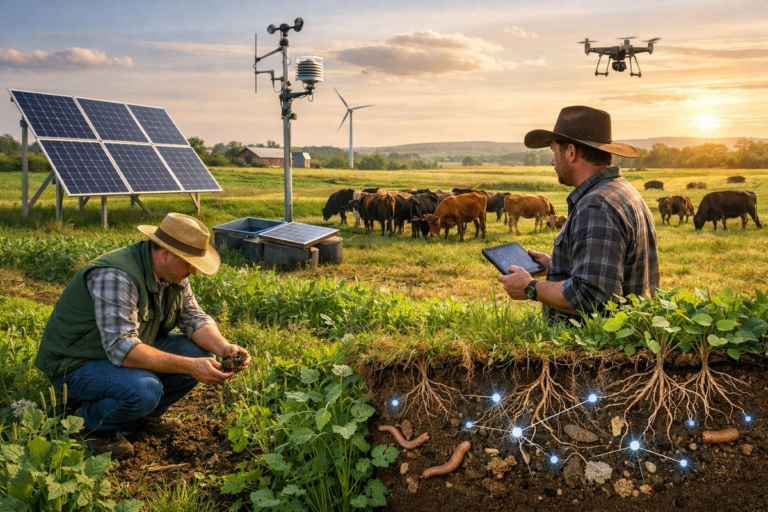
Behind the scenes, farm managers are tapping into dashboards powered by satellite imagery and soil sensors. Real-time maps display moisture levels, nutrient hotspots, and plant health indices across every acre. In some cases, artificial intelligence suggests variable-rate fertilizer applications, ensuring that each plot receives exactly what it needs. Such precision lowers input costs and minimizes the risk of nutrient runoff into nearby waterways.
Drones equipped with multispectral cameras are becoming common tools for crop scouting. From low-altitude flights, these unmanned aerial vehicles identify areas of pest pressure, water stress, or nutrient deficiency long before visual symptoms appear. Farmers can then deploy targeted solutions-whether a spot treatment of organic pesticide or an extra watering pass-keeping yields high and chemical use low.
Power supply in rural settings has often been unreliable, but solar microgrids and portable battery systems are changing that narrative. Solar panels mounted on barn roofs and field perimeters generate clean energy that can power fences, water pumps, and sensor networks. Batteries store surplus power, providing continuous operation even during grid outages. Farmers appreciate not only the cost savings but also the reduced carbon footprint of their operations.
In regions where smallholders operate on tight margins, cooperative models are gaining traction. Groups of producers jointly invest in shared equipment-such as no-till planters, compost turners, and cold storage units-pooling resources to access high-end tools that would be prohibitive for any single farm. By distributing costs and labor, these collectives help sustain local economies and foster knowledge exchange among neighbors.
Education and outreach efforts play a vital role in driving adoption of these innovations. Agricultural extension agents host on-farm demonstrations, webinars, and field days that showcase best practices. Peer-to-peer learning networks connect seasoned practitioners with newcomers, accelerating the spread of regenerative methods. Online forums and social media groups enable rapid troubleshooting and collaboration across continents.
Animal welfare certifications are also influencing market trends. As consumer awareness grows, buyers are demanding meat, milk, and eggs produced under humane conditions. Labels that verify pasture access, pain-relief protocols for routine procedures, and low stocking densities give producers a way to differentiate their products. While certification processes require additional record-keeping, many farmers report that price premiums offset administrative costs.
Looking ahead, new frontiers of rural innovation beckon. Robotics for crop harvesting, gene-edited cover crops with enhanced resilience, and advanced data analytics promise even greater efficiency and sustainability. However, experts caution that technology must complement, not replace, the farmer’s knowledge of land, climate, and animal behavior. At its best, innovation amplifies the stewardship and care that have defined agriculture for millennia.
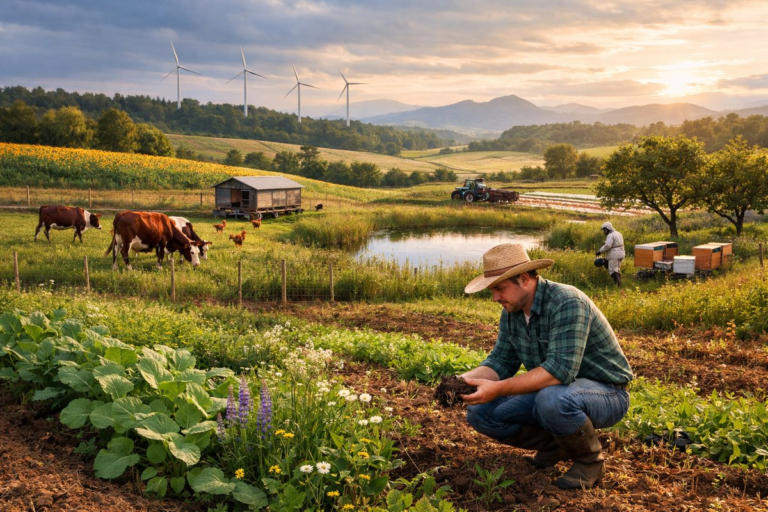
From the hum of solar-powered water pumps to the gentle lowing of well-nourished cattle, today’s farms are dynamic ecosystems where tradition and innovation coexist. By honoring the rhythms of nature and harnessing emerging tools, rural communities are cultivating a future that is both productive and regenerative-ensuring that the land will flourish for generations to come.