Location
Mount Vernon, WA 98274

Location
Mount Vernon, WA 98274
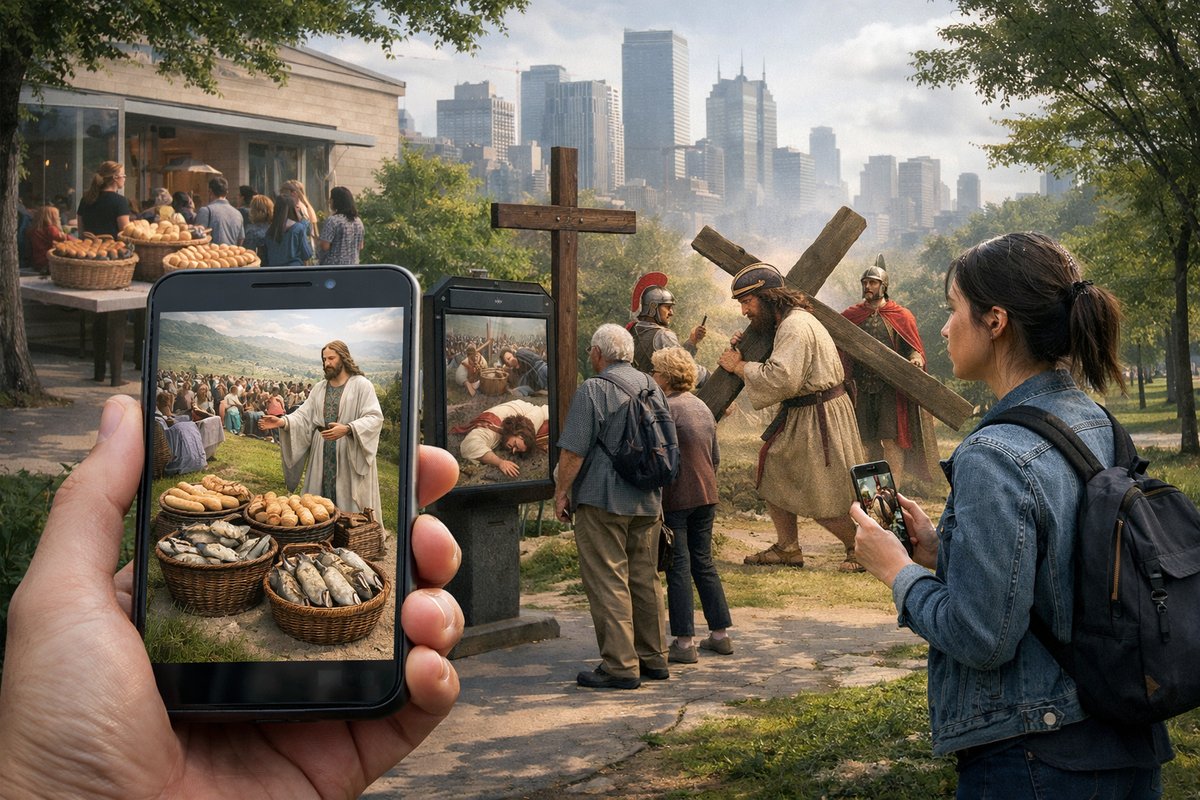
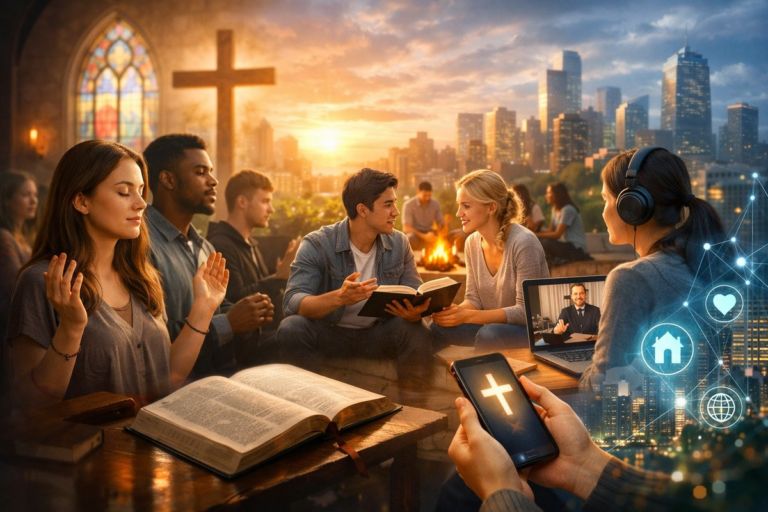
A growing number of congregations are blending cutting-edge augmented reality with mobile pilgrimage stations, inviting worshipers to experience key biblical scenes on neighborhood streets. From virtual fish-and-loaves displays at community centers to digitally guided Stations of the Cross in urban parks, faith communities are reimagining devotion for a tech-savvy generation.
In cities where church pews once felt static, a new kind of worship experience is unfolding on sidewalks, in parks and even inside repurposed shipping containers. Faith communities across the country are deploying augmented reality (AR) apps and mobile pilgrimage stations to bring Scripture to life in local neighborhoods. By pairing low-tech pop-up chapels with high-tech overlays rendered on smartphones, these churches hope to reignite curiosity, foster intimate encounters with biblical stories and meet people where they are-both physically and digitally.
Earlier this spring, a coalition of urban parishes launched an AR-guided Stations of the Cross in a downtown alley. Worshipers download a free app onto any AR-capable smartphone and point the camera at numbered waypoints marked on the pavement. As the device recognizes each marker, it stitches in a 3D dramatization of scenes such as Jesus meeting his mother or Veronica wiping his face. Ambient audio streams through wireless earbuds provided at the entrance, blending Gospel readings with ambient street sounds and a whispered choir. Congregants linger at each station, praying alongside virtual figures that appear in their physical surroundings.
This fusion of ancient devotion and modern innovation grew from a collaboration between several small churches and a local university’s digital media department. Students volunteered to prototype AR experiences on open-source platforms like ARKit and ARCore, while pastors fine-tuned the scriptural reflections and prayer prompts. The result is a touring installation that can be set up under a highway overpass, in a community garden or inside an empty storefront. More than 2,000 participants have engaged with the project in its first month, according to the organizers, and many praise its ability to make familiar narratives feel fresh.
“When the woman at the well appears to be standing right in front of you as you scan the plaza, it shifts something in your imagination,” says a lead volunteer. “It’s no longer just text on a page. You realize the Word can break into your daily routine, even on a lunch break.” The coalition intentionally chose public spaces where passersby might encounter the installation by accident. Some tourists stop to snap photos; others kneel spontaneously when prompted by the app’s call to prayer.
At one converted shipping container turned “Mobile Chapel,” worshippers find fold-out benches, prayer candles and a small altar. Mounted above the altar is a tablet loaded with an AR reflection on the feeding of the five thousand. Scan the ornate cut-out pattern on the container’s side wall, and a virtual basket of loaves and fish appears to float above the tablet. A narrated meditation asks participants to consider how generosity shapes community-prompting them to leave nonperishable food donations in a bin beside the altar.
Beyond immersive visuals, churches are also experimenting with 360-degree virtual reality services designed for home use. A handful of congregations now broadcast Sunday worship in VR, allowing viewers to don a standalone headset and find themselves seated in a digital chapel. According to a 2022 study by the Pew Research Center, 55% of Americans have used a smartphone app for Bible reading or sermon streaming, and early adopters say VR services could engage audiences who struggle to attend in person. Participants can look around the sanctuary, see hymn lyrics projected on the walls and experience worship leaders in lifelike scale-all from the comfort of their living room.
Technological infrastructure varies widely. Some churches rent equipment from a regional tech co-op, while others lean on grassroots fundraisers to purchase portable projectors, solar chargers and Wi-Fi hotspots. In rural areas without reliable broadband, solar-powered mesh networks broadcast AR content via local Wi-Fi, enabling pilgrims to use their devices even under dense tree canopies. These sustainable solutions underscore a core value driving the movement: faith communities should honor both human need and environmental stewardship.
While some parishioners embrace the digital shift, others remain cautious. A handful of traditionalists worry that technology might distract from quiet contemplation or create barriers for those less tech-savvy. In response, pastors emphasize the optional nature of the apps and host unplugged prayer services alongside digital initiatives. “Technology is a tool, not the essence of worship,” one pastor explains. “We want to enhance spiritual reflection, not replace the stillness that’s so vital to our faith.”
To bridge the gap, several churches now partner with local libraries and senior centers, holding “digital training nights” where volunteers teach people how to download the AR app, connect to the mesh network and navigate the interactive stations. These sessions double as community building events, complete with coffee, conversation and hands-on support. Organizers report that older adults who once feared digital tools now lead prayer groups, projecting Scripture verses onto portable screens and guiding newcomers through the AR pilgrimage.
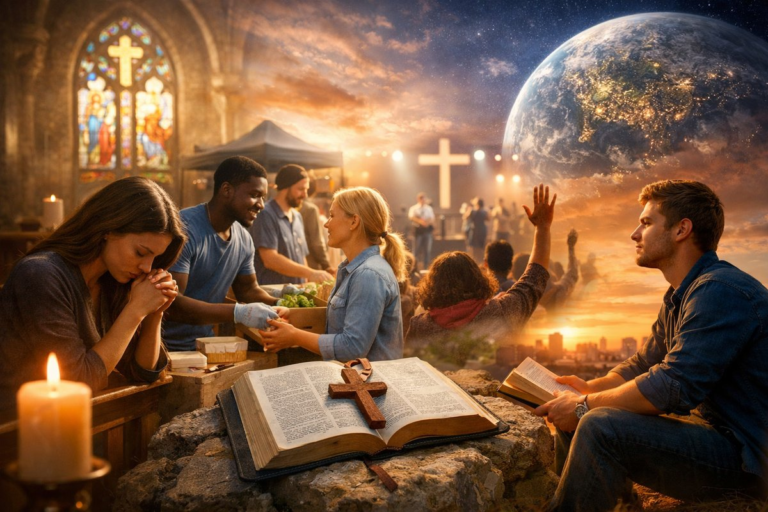
The blend of the physical and virtual also extends to charitable outreach. One congregation partnered with a downtown mission to set up a temporary “Blessing Box” kiosk next to an AR scene depicting the Good Samaritan. As visitors immerse themselves in the story of compassion and care, they’re invited to deposit hygiene kits, socks and snacks into the box. The mission collects these donations daily and distributes them to people experiencing homelessness in the area.
Experts note that this trend reflects a broader appetite for experiential faith. According to data from a national survey of church leaders, more than 40% of congregations plan to invest in hybrid worship strategies that combine in-person gatherings with digital extensions. AR and VR installations are just one expression of that shift, joining livestreamed sermons, interactive social media devotionals and smartphone-friendly small-group studies.
Looking ahead, some developers are exploring “mixed reality” headsets that overlay Scripture onto the wearer’s field of vision even when the device is powered off. Imagine walking through an art museum and having relevant Gospel passages gently appear at each exhibit, or sitting in a coffee shop and receiving an invitation to a spontaneous prayer circle. While these concepts lie on the horizon, the current wave of AR pop-ups and VR chapels is already reshaping what it means to practice faith in a digital age.
As churches continue to innovate, the guiding principle remains clear: faith is a living, breathing journey that thrives on wonder, reflection and community. Whether someone steps into a repurposed shipping container or scans a mural in the park, the goal is the same-to encounter the sacred in unexpected places and to invite all people into a deeper walk of renewal and compassion.
In neighborhoods where the roar of traffic once drowned out quiet prayer, digital echoes of ancient stories now beckon. And even as technology evolves, the essence endures: a simple invitation to pause, to reflect and to believe that the divine can break into our world in both miraculous and beautifully ordinary ways.