Location
Mount Vernon, WA 98274

Location
Mount Vernon, WA 98274
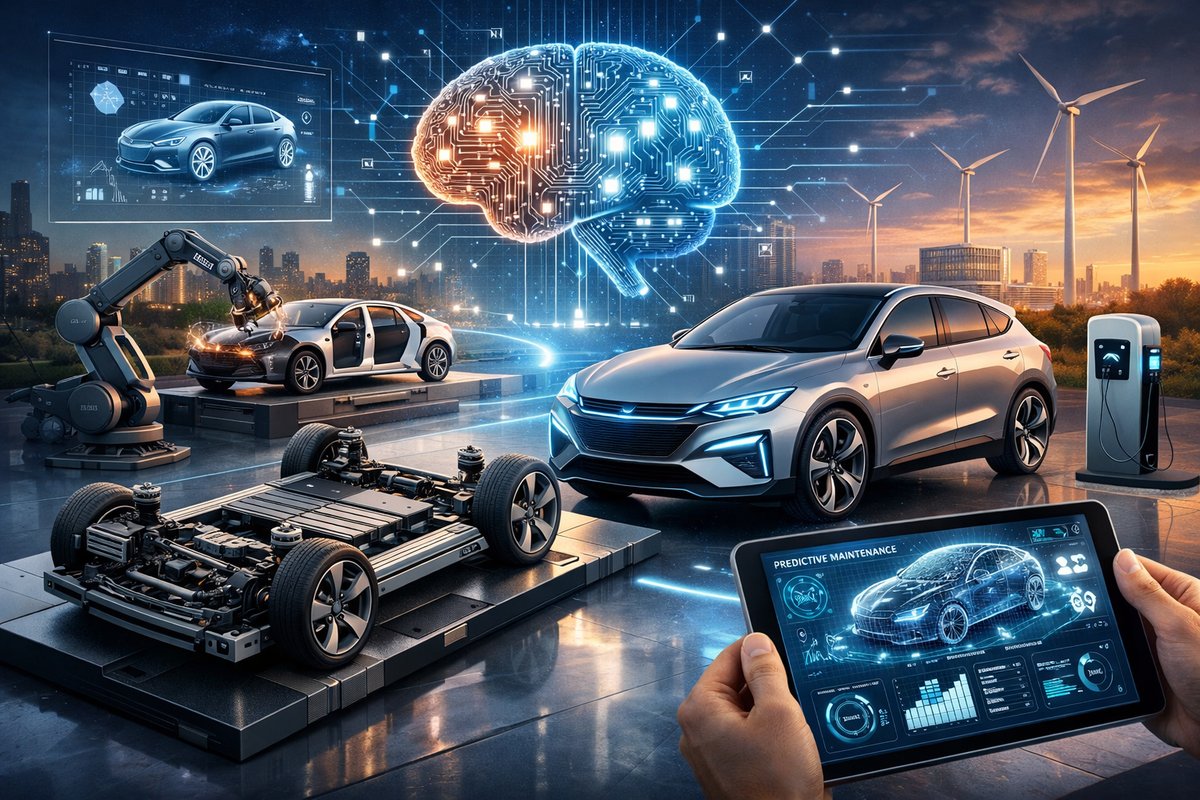
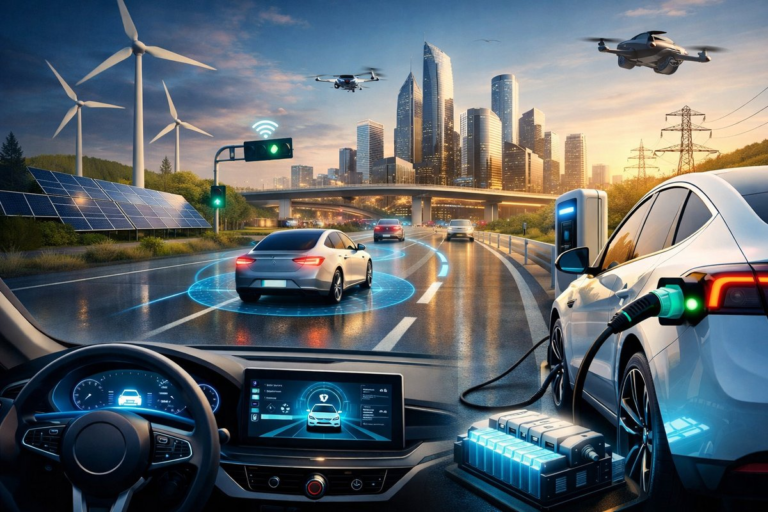
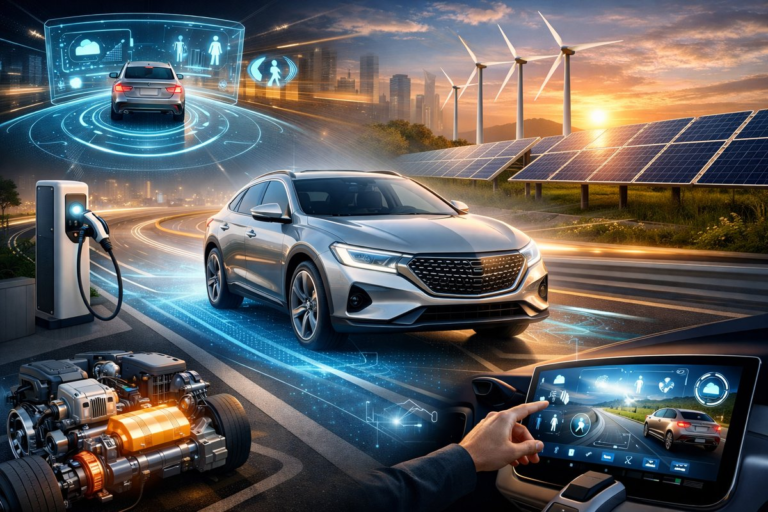
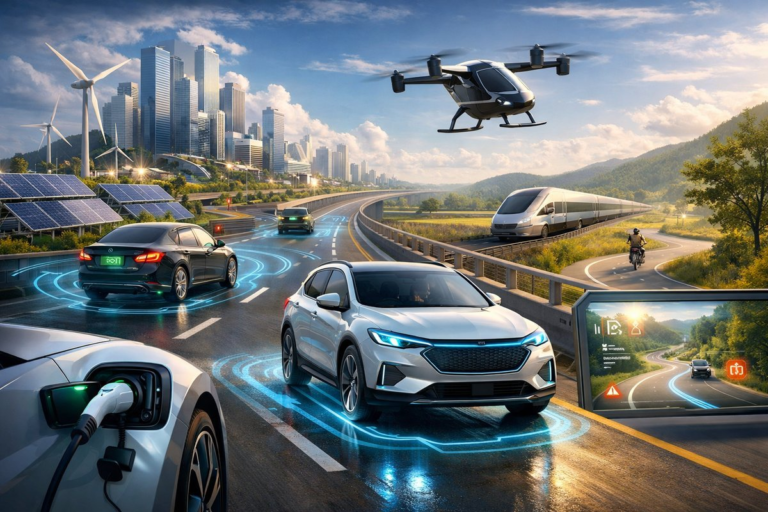
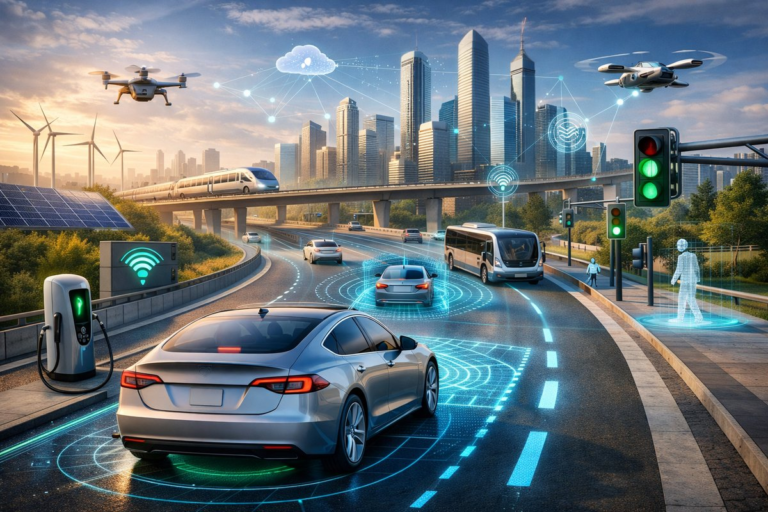
Automakers are embracing artificial intelligence and modular vehicle architectures to create more efficient, sustainable, and adaptive transportation solutions. From predictive maintenance powered by sensor networks to rapidly deployable electric vehicle platforms, the industry is shifting into high gear toward a smarter tomorrow.
The automotive industry stands at a crossroads where traditional engineering meets cutting-edge digital innovation. Manufacturers are no longer simply refining engines and chassis-they’re reinventing the very way vehicles are designed, built, and maintained through the integration of artificial intelligence and modular platforms. This convergence is unlocking new levels of efficiency, personalization, and sustainability, reshaping everything from urban commuting to long-haul freight.
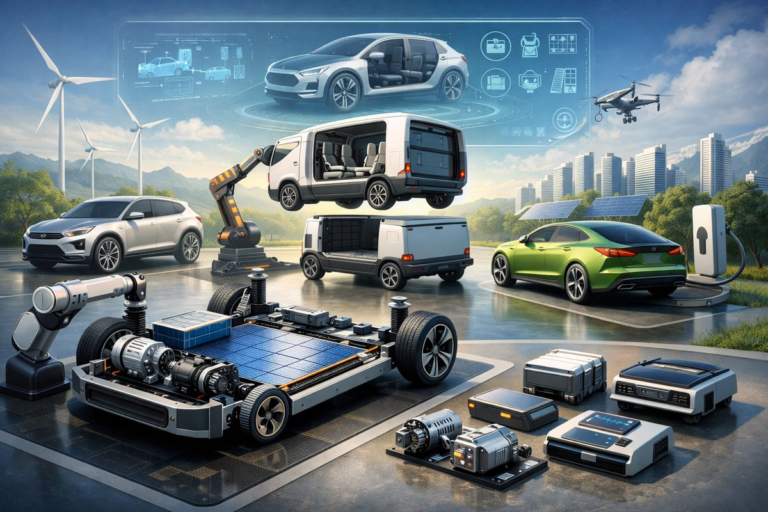
Modular architectures have emerged as a cornerstone of this transformation. By standardizing the core elements of chassis, battery packs, and electronic systems, automakers can introduce multiple vehicle models on a single platform. Recent data shows that such an approach can reduce development time by up to 30 percent and cut capital expenditure by nearly a quarter. For instance, one leading global manufacturer leveraged a dedicated electric drive platform to launch over half a dozen distinct models-ranging from compact crossovers to midsize sedans-within a two-year window.
Behind the scenes, artificial intelligence and machine learning tools are optimizing every stage of the automotive value chain. In production plants, computer vision systems monitor welds and paint finishes in real time, flagging deviations before they become costly recalls. Meanwhile, AI-driven demand forecasting helps procurement teams anticipate shortages of semiconductors and raw materials, smoothing out supply-chain bottlenecks that have plagued the industry since 2021. One recent case study reported a 15 percent reduction in parts shortages after deploying advanced analytics across global supplier networks.
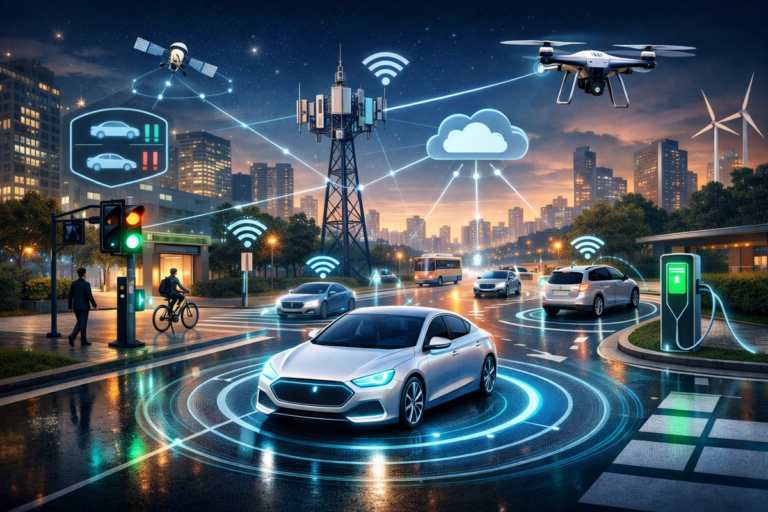
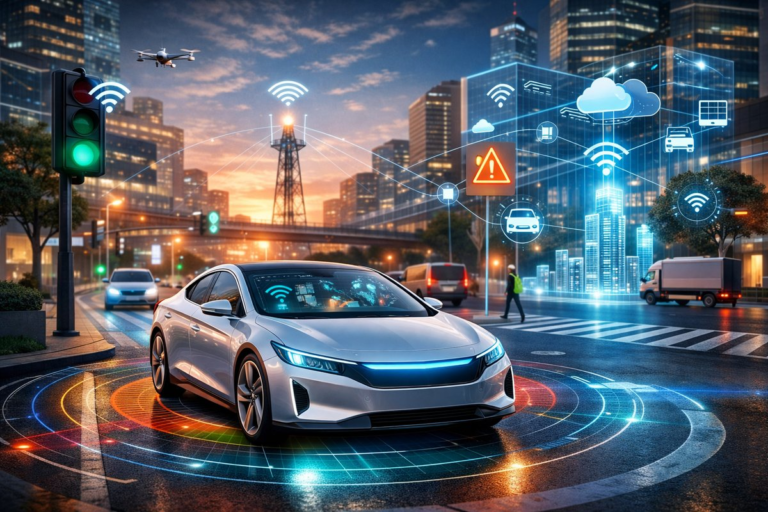
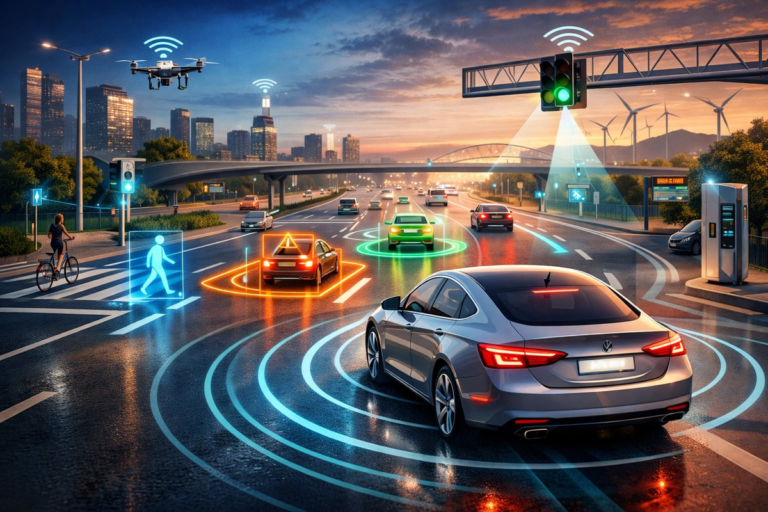
Connectivity and telematics are also powering a shift toward predictive maintenance. Embedded sensors generate streams of data on temperature, vibration, and fluid levels-feeding cloud-based algorithms that detect anomalies long before they escalate into breakdowns. Fleet operators implementing these systems have seen unplanned downtime drop by roughly 25 percent, translating to millions of dollars saved in service and tow charges each year.
On the roads themselves, the rapid expansion of public charging infrastructure is enabling broader electric vehicle adoption. Government funding programs, including a multibillion-dollar initiative under recent infrastructure legislation, aim to install tens of thousands of new fast-charging stations nationwide. In Europe, more than 80 percent of urban areas now meet the European Commission’s target for charging density, while pilots of vehicle-to-grid integration are demonstrating how parked EVs can feed power back into local microgrids during peak demand.
Over-the-air software updates, once a novelty reserved for a handful of premium brands, have become mainstream across new connected vehicles. OTA deployments enable manufacturers to patch security vulnerabilities, refine driver-assistance features, and even unlock new functionalities after sale-all without requiring owners to visit a service center. Industry analysts estimate that recalls caused by software bugs have declined by almost 40 percent thanks to this capability.
Sustainability lies at the heart of this next frontier. Lightweight materials-such as bio-based composites and recycled aluminum-are being integrated into body panels and suspension components, cutting vehicle mass and improving efficiency. Several automakers have committed to sourcing 100 percent low-carbon steel within the next decade, while in-plant recycling systems are reclaiming paint overspray and stamping scrap for reuse. Taken together, these efforts are projected to reduce lifecycle carbon emissions of new vehicles by up to 20 percent.
Inside the cabin, advances in sensor fusion and artificial intelligence are creating more intuitive and safer environments. Eye-tracking cameras detect driver fatigue, prompting alerts or suggesting breaks on long journeys. Voice-activated assistants integrate navigation, entertainment, and diagnostics into a single conversational interface. Personal profiles stored securely in the cloud can follow drivers across shared vehicles-recalling seat position, climate settings, and preferred infotainment playlists at the push of a button.
Commercial transportation is experiencing its own digital renaissance. Autonomous platooning trials on high-speed corridors are proving that closely spaced convoy driving can slash fuel consumption by up to 10 percent. Telematics-driven route optimization is reducing delivery times and idling emissions, while blockchain-based platforms offer transparent records of cargo provenance and maintenance history. Logistics providers adopting these tools report double-digit gains in asset utilization and customer satisfaction.
Automotive R&D labs are also experimenting with digital twins-virtual replicas of vehicles that mirror physical performance under myriad conditions. Engineers can simulate stress tests on powertrains, refine aerodynamic profiles, and diagnose complex software interactions without ever building a prototype. This approach has accelerated new model introductions, allowing manufacturers to respond more swiftly to shifting consumer demands and regulatory requirements.
Looking ahead, the convergence of extended reality and vehicle design promises to streamline collaboration across global teams. Designers in one hemisphere can inspect high-fidelity holographic renderings of a concept car, annotate potential improvements, and simulate user interactions in immersive environments. This level of connectivity shortens feedback loops and fosters creative breakthroughs in ergonomics, accessibility, and safety.
While headlines often focus on autonomous driving and ride-hailing, the underlying revolution is far broader. It’s a transformation of the entire ecosystem-from smart factories powered by renewable energy to connected charging stations that double as community hubs. It’s about giving drivers and fleet managers the tools to keep their vehicles running longer, cleaner, and more reliably, while reducing the environmental footprint of mobility.
For consumers, this shift means more choice and greater peace of mind. Whether purchasing a compact city EV or subscribing to a corporate fleet service, buyers can expect enhanced uptime, continuous feature upgrades, and integrated support networks. The vehicles of tomorrow will be defined not just by horsepower or top speed, but by their ability to learn, adapt, and evolve over time.
As the automotive landscape accelerates toward electrification, connectivity, and intelligence, collaboration between tech companies, regulatory bodies, and traditional manufacturers will be crucial. Standards for data privacy, cybersecurity, and interoperability must keep pace with rapid innovation. Stakeholders who embrace open platforms and shared ecosystems will reap the rewards of network effects-where each new connected vehicle or charging station amplifies the value of the entire system.
The road ahead is neither straight nor predictable, but one thing is certain: modular architectures and AI-powered insights are steering the industry toward a more resilient, efficient, and sustainable future. In this era of constant disruption, the vehicles we drive will be defined not just by the journeys they take us on, but by the invisible algorithms and adaptable platforms that power every turn, stop, and recharge.