Location
Mount Vernon, WA 98274

Location
Mount Vernon, WA 98274
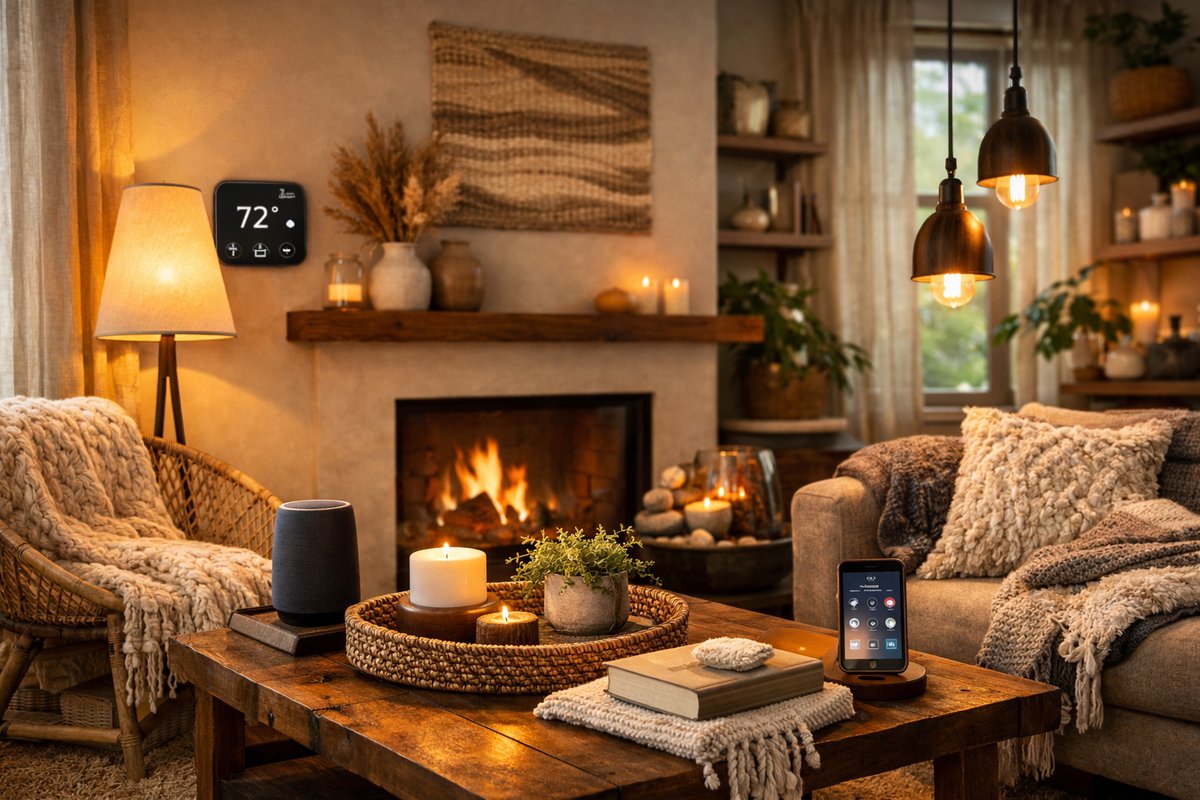
As homeowners blend technology with tactile warmth, a new wave of intentional comfort is taking shape. From adaptive lighting systems to artisanal textiles, these upgrades prioritize well-being, sustainability, and emotional connection.
In neighborhoods around the globe, a subtle revolution is underway. The modern home is no longer just a backdrop for daily life; it’s an active partner in fostering comfort, health, and mindful living. Advances in sensor-driven systems, sustainable materials, and handcrafted accents are converging to create environments that are simultaneously smart and soulful.
In a recent retrofit project in Portland, Oregon, a family transformed a 1960s bungalow by integrating motion-activated lighting, indoor air-quality monitors, and eco-friendly insulation made from reclaimed denim. “We wanted more than gadgets,” says the homeowner. “We wanted our home to sense our needs and respond in a way that feels personal.” This ethos, of marrying intelligent automation with intentional design, is reshaping how we think about home upgrades.
Ambient Intelligence in Everyday Routines
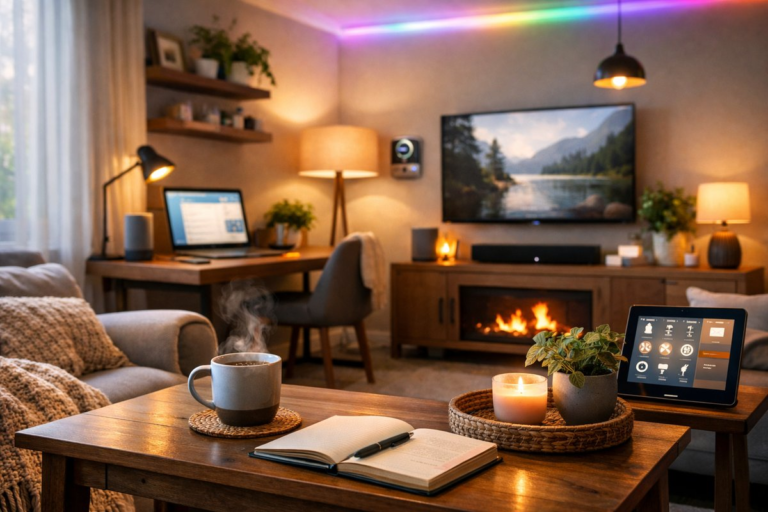
Gone are the days when a smart home was defined solely by voice assistants and remote controls. Today’s sensor networks can adjust lighting, temperature, and even soundscapes based on occupancy, time of day, or user mood. Adaptive LED fixtures, for instance, shift color temperature from cool daylight tones in the morning to warmer amber hues in the evening, supporting natural circadian rhythms. In coastal cities, humidity sensors collaborate with smart dehumidifiers to maintain optimal moisture levels, protecting both health and heritage wood flooring.
Beyond utility, these systems are being designed with emotional intelligence in mind. Some ambient audio modules analyze room acoustics and household activity patterns to play subtle background music or nature sounds when stress indicators are detected-such as elevated conversation volume or rapid motion in a playroom. Advanced air-quality monitors track volatile organic compounds and particulate matter, alerting residents to potential irritants and automatically activating plant-based air purifiers or integrated ventilation units.
Textiles That Tell a Story
While technology sets the stage, texture grounds us. A surge in artisan workshops and cooperative weavers is bringing handcrafted textiles back into the spotlight. Heavy-weight merino wool blankets, naturally dyed cotton throws, and hand-woven area rugs imbue living spaces with tactile warmth. Many makers are repurposing surplus or upcycled fibers, reducing landfill waste and celebrating regional craft traditions.
In Brooklyn’s creative districts, pop-up studios showcase limited runs of tactile wall hangings, each piece inspired by local geographies. These woven tapestries not only add visual depth but also improve acoustics in open-plan lofts. In Scandinavia, small ateliers produce zero-waste cushion covers using leftover scraps from furniture upholstery. The result is an eclectic mix of patterns, colors, and textures that bring homes to life while minimizing environmental impact.
Programmable Ambience and Mindful Rituals
The intersection of smart automation and wellness practices is giving rise to new home rituals. Take the bedroom upgrade that triggers a guided breathing session at sunset. As dusk approaches, smart blackout blinds slowly lower while a bedside lamp switches to a soft amber glow. A paired sound module begins playing a five-minute breathing guide. By the time the blinds close, occupants are primed for rest.
In kitchens, programmable faucets dispense pre-measured water for tea or pour-over coffee routines. Smart scales integrated into countertops weigh ingredients and upload measurements to recipe apps, streamlining meal prep while reducing waste. Even small rituals-like watering indoor herb gardens-benefit from automated soil sensors that light up when moisture levels fall below ideal thresholds.
Real-World Case Study: A Family’s Holistic Makeover
In suburban Atlanta, the Martinez family embarked on a whole-home upgrade last spring. Their wish list was simple: better air quality for allergy-prone kids, more seamless routines, and a cozy environment for weekend movie nights. Over six months, they installed a zoned smart thermostat, a multi-sensor air monitor, quiet automated shades, and a modular shelving system paired with handcrafted wooden bins.
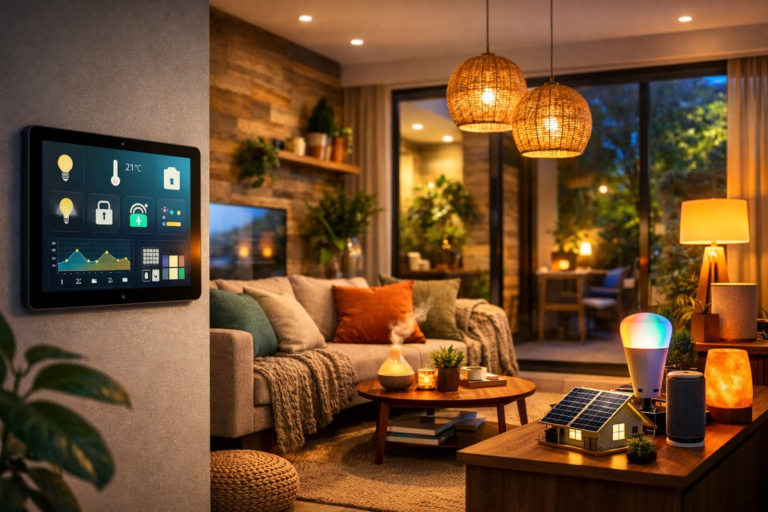
“The difference is night and day,” says Maria Martinez. “Our mornings now start with the thermostat easing into daytime temperatures while the shades let in just enough light. The air monitor reminds us when to replace filters, and the kids love the overnight star-projector mode in their bedroom. On Sundays, we roll out a soft area rug, pile up floor cushions, and gather for an impromptu movie marathon-all controlled from a single touchscreen.”
Their project underscores the importance of integrating high-tech systems with practical, soul-nourishing touches. The Martinez home wasn’t about having the flashiest gadgets; it was about creating a cohesive environment that supports daily life, health, and emotional well-being.
Expert Perspectives and Future Horizons
Interior designers and tech innovators agree that the next wave of home upgrades will deepen this fusion of smart and sensory. Materials scientists are experimenting with phase-change fabrics that store and release heat, offering temperature regulation without running HVAC systems. Biophilic design principles are being embedded into sensor algorithms, adjusting lighting and water features to mimic natural patterns-like a gentle fountain sequence at midday or a simulated sunset glow in the living room.
Meanwhile, modular furniture brands are rolling out interchangeable components made from recycled polymers and sustainably harvested wood. These systems allow homeowners to reconfigure seating, storage, and workspaces on the fly-reducing waste and supporting evolving lifestyle needs.
Ethical supply chains and transparent manufacturing processes are also top of mind. A growing number of companies publish carbon-footprint data for each product, enabling consumers to make informed choices. Repairable electronics, open-source software platforms, and local fabrication labs are empowering DIY enthusiasts to customize and maintain their smart-home gear rather than replacing it every few years.
Curiosity, Community, and Resilience
At its heart, this movement emphasizes curiosity and connection. Neighbors form repair cafes to swap parts and troubleshoot firmware together. Online forums host deep dives into sensor calibration, natural dye recipes, and handmade speaker enclosures. Workshops on sustainable insulation or small-batch candle making bring strangers together around common passions.
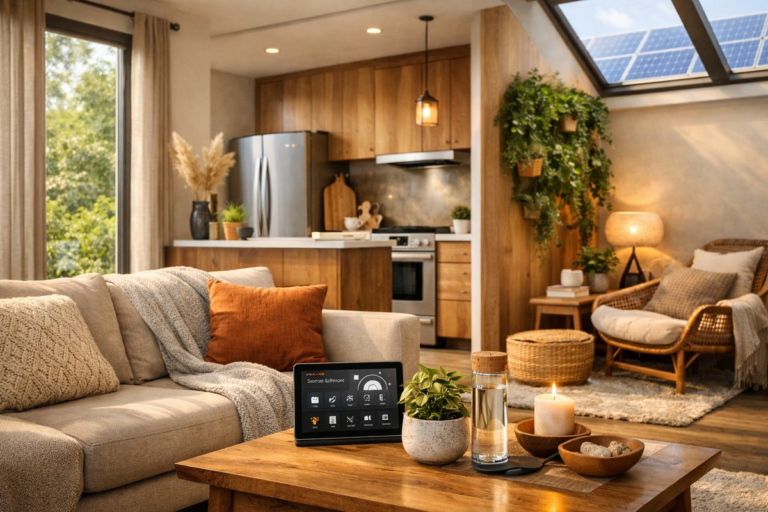
As homes become more responsive, they also become platforms for resilience. In flood-prone regions, elevated sensor networks can detect rising moisture in basements and activate emergency pumps. Off-grid cabins leverage micro-grid controllers that balance solar, wind, and battery storage-ensuring comfort even during power disruptions.
A New Chapter in Domestic Life
The transformation of our living spaces reflects a broader shift in how we view home: not as a static asset but as an ever-evolving ecosystem. By weaving together smart sensors, eco-friendly materials, and artisanal details, homeowners are crafting environments that adapt to their bodies, emotions, and values.
Whether you’re planning a full renovation or simply seeking a weekend project, the key lies in intentional choices. Start with a sensor that addresses your most pressing need-be it air quality, lighting, or temperature. Then layer in textures and accents that bring warmth and character. Slow down to choose materials with a story, and connect with local makers and tech communities to share knowledge.
In this era of mindful modernization, comfort isn’t just about plush cushions or sleek interfaces. It’s about creating spaces that respond to you, reflect your values, and foster well-being for years to come.