Location
Mount Vernon, WA 98274

Location
Mount Vernon, WA 98274
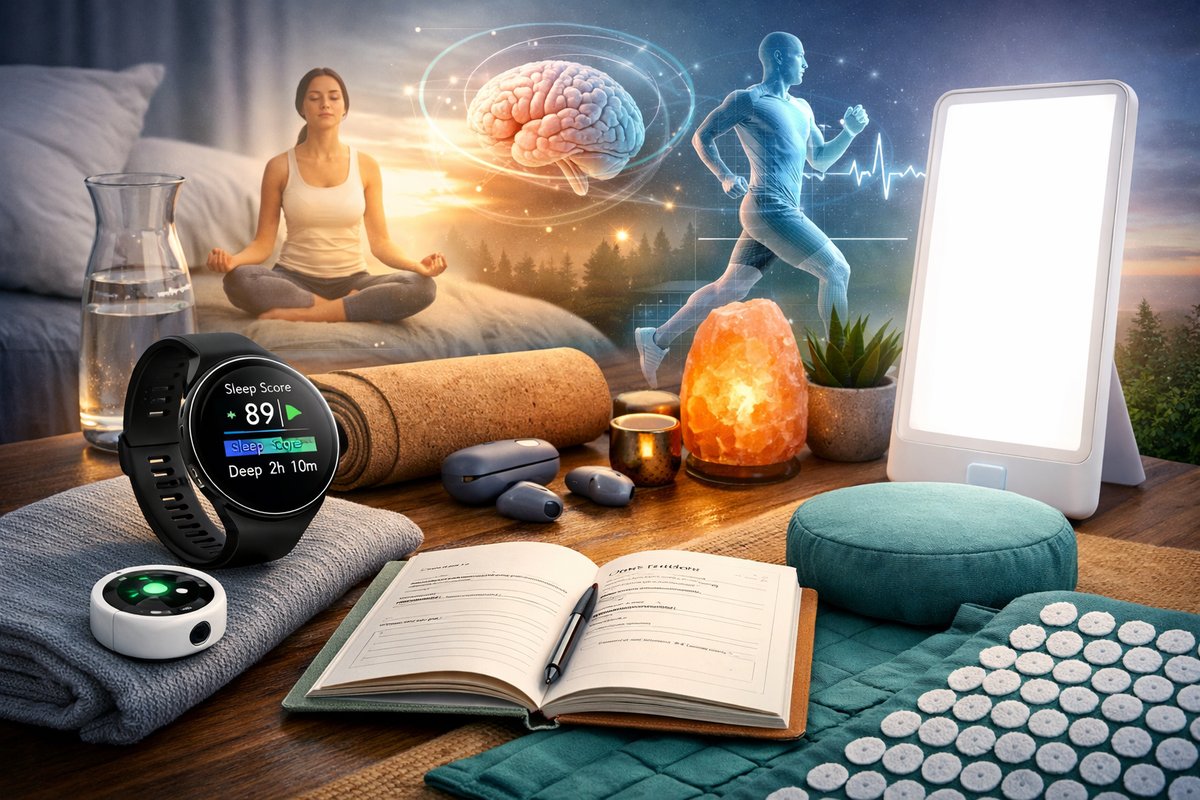
As wellness moves beyond a passing trend, a blend of high-tech gadgets and time-honored practices is reshaping how we sleep, move, and find emotional clarity. This piece explores the latest innovations-from smart sleep trackers and light therapy lamps to ergonomic mats and guided journals-fueling a more sustainable foundation for body and mind.
In the heart of a bustling Pacific Northwest city, the recent Wellness Fusion Summit drew innovators, practitioners, and curious visitors eager to sample the next generation of health tools. Among living walls of greenery and softly glowing light panels, attendees discovered devices designed to track, tune, and transform every moment of daily life. From bedroom sanctuaries that gently mimic dawn to compact studios offering guided micro-movements, the fair underscored a larger narrative: wellness is no longer a side note, but the main act.
Across the globe, the wellness technology segment has surged, growing by more than 15 percent in the most recent market analysis and reaching a valuation in the tens of billions of dollars. That momentum reflects a deeper cultural shift toward preventative self-care, where sleep, movement, and emotional clarity are viewed as interconnected foundations rather than isolated habits. As consumers demand more holistic solutions, brands and designers are weaving sustainability, privacy, and emotional intelligence into their offerings.
Sleep has emerged as the cornerstone of this evolution. Long gone are the days of generic white-noise machines and one-size-fits-all pillows. At the summit, smart sleep-tracking wearables were on full display-devices worn on the wrist or clipped to bedding that measure heart rate variability, breathing patterns, and even subtle limb movements. Their companion mobile apps use machine learning to suggest personalized wind-down routines, from guided breathing exercises to curated soundscapes that adapt to individual sleep cycles. Experts at one booth explained how data privacy protocols now encrypt all biometric readings locally, putting control back into the user’s hands.
Complementing these wearables, light therapy lamps are finding fresh relevance. No longer relegated to seasonal mood support, modern lamps feature adjustable spectrums that can emulate sunrise, sunset, or mid-day sunshine, helping to recalibrate circadian rhythms in any environment. Designers showcased minimalist desk lamps with built-in blue-light filters for evening use, and full-spectrum floor lamps with plant-friendly wavelengths for home offices turned micro-gardens. Preliminary studies suggest that combining gentle dawn simulation with sleep-tracking insights can improve overall rest quality by up to 20 percent, according to data shared during a panel discussion.
Movement tools have also undergone a renaissance. The traditional yoga mat was reinvented at the expo as an ergonomic platform with multi-density cushioning zones and built-in alignment guides. These mats are paired with compact resistance bands that tuck neatly under a couch cushion or slip into a laptop bag. For those seeking deeper myofascial release, smart foam rollers equipped with vibration modes and temperature control promise targeted relief for sore muscles after long stints at standing desks or cycling workouts.
Urban designers are taking notice too. Pop-up stretching walls and micro-mobility studios are appearing in co-working spaces and transit hubs, inviting commuters to pause and activate their joints during coffee breaks or layovers. Some cities are installing modular fitness kiosks outdoors, combining calisthenics stations with QR-coded video tutorials on demand. This fusion of place-based design and digital accessibility reflects a larger trend: building movement into the architecture of daily routines, rather than confining it to designated gym hours.
Emotional clarity remains the final frontier, and innovations here blend ancient wisdom with modern tech. Mindfulness journals loaded with thought-provoking prompts sit alongside handheld biofeedback devices that measure skin conductance and guide the user through real-time breathing exercises. Journals are no longer blank pages but structured companions that connect prompts to lasting behavior change, drawing on research from positive psychology. At the summit, visitors could scan dynamic QR codes in the journals to access short audio reflections recorded by certified coaches, deepening the connection between pen and practice.
For those craving more immersive retreats without boarding a plane, portable infrared sauna blankets and red-light therapy panels were in high demand. These compact devices promise the core benefits of spa-based treatments-improved circulation, muscle recovery, and skin rejuvenation-all in a form factor suitable for small apartments. Attendees shared stories of using red-light panels near a workstation to counteract hours spent staring at screens, while sauna blankets were described as a nightly ritual to unwind tense muscles and promote deep rest.
The intersection of biophilic design and wellness technology also gained traction. Many vendors highlighted plant-based materials such as cork, bamboo, and natural latex in their products, all chosen to reduce environmental impact and enhance tactile comfort. Sound-dampening cork yoga blocks, bamboo desk organizers, and natural latex rollers were displayed alongside air-purifying indoor green walls and salt lamps rumored to create a calming, negative-ion environment-though most experts agree the placebo effect may drive much of the perceived benefit.
What unites these innovations is a shared commitment to sustainability and personal agency. Rather than prescribing one-size-fits-all solutions, the latest tools emphasize customization, data ownership, and minimal ecological footprints. Packaging is minimal, many devices are modular and upgradable, and open-source software platforms are emerging to integrate sleep, movement, and mindfulness data in one unified hub.
As the wellness landscape continues to evolve, practitioners urge balance. A device can guide a deep breath or adjust a bedroom light, but genuine transformation sprouts from consistent habits and compassionate self-awareness. Technology serves as a bridge, reducing friction in the path toward better rest, more fluid movement, and clearer emotional insight. Ultimately, wellness remains a human endeavor, enriched by thoughtful design and evidence-based tools.
Whether you are a busy professional seeking midday restoration, a parent carving out moments of calm, or a lifelong learner experimenting with new practices, the expanded toolkit offers unprecedented choices. From sleep-tracking wearables that adapt to your personal patterns to ergonomic mats that cradle your body during movement, these innovations invite you to build a wellness foundation that lasts. As they filter into homes and communities, one fact stands out: vitality, rest, and emotional clarity are not luxuries, but the essential supports of a balanced life.