Location
Mount Vernon, WA 98274

Location
Mount Vernon, WA 98274
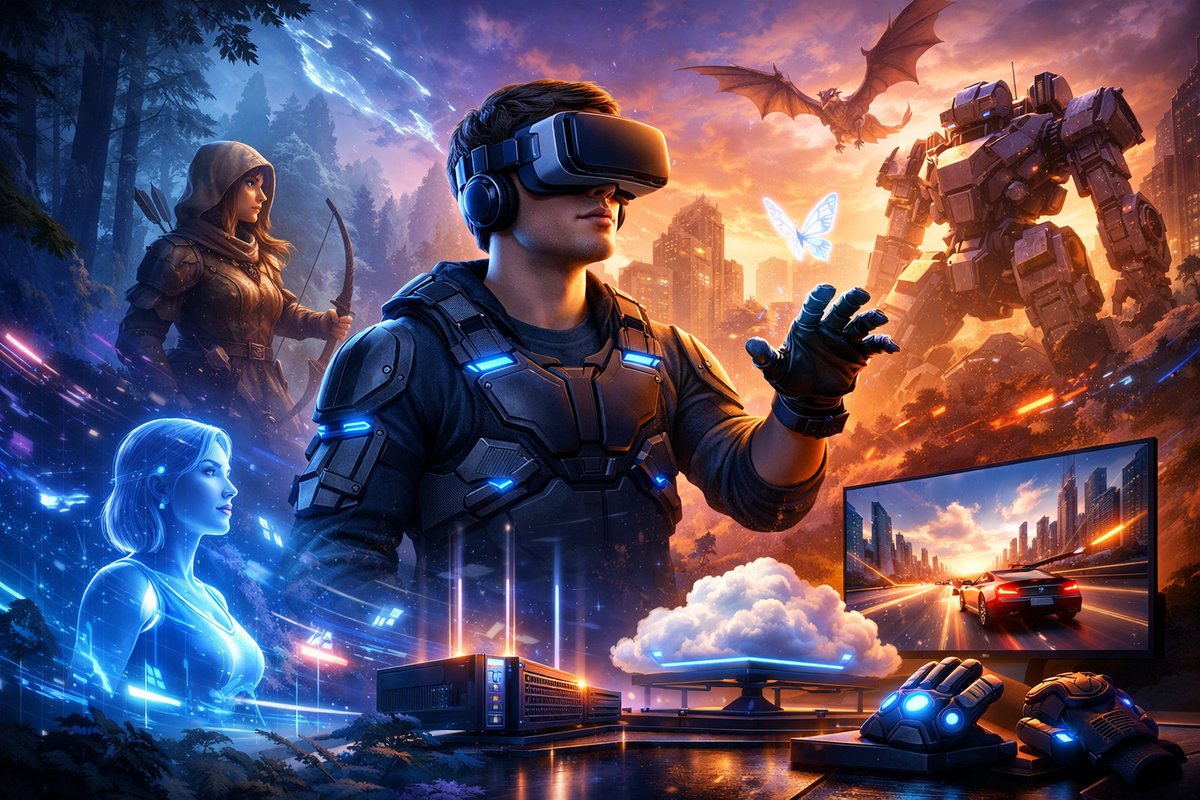
A wave of new experiences is pushing gaming beyond screens and controllers. From AI-driven storytelling engines to haptic feedback gear and ultra-responsive cloud streaming, players are stepping into dynamic worlds that respond to every decision and gesture. Read on for a closer look at the tools and trends shaping today's immersive playground.
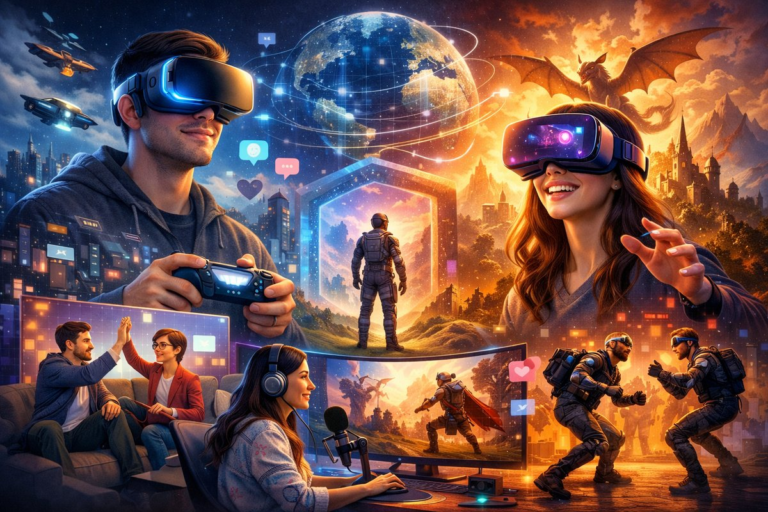
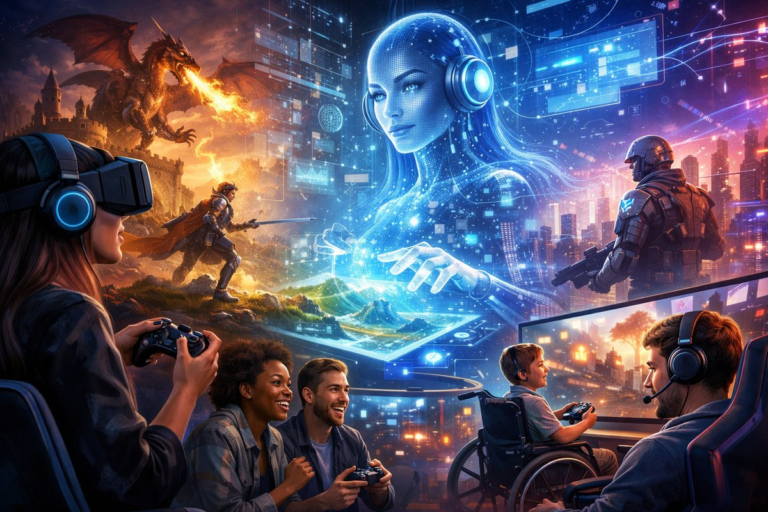
Video games are no longer confined to rectangles on a screen or rigid button sequences. Today’s breakthroughs in artificial intelligence, haptic feedback, and cloud infrastructure are converging to create play experiences that feel more alive and interactive than ever. Whether you’re navigating a sprawling open world, tackling real-time strategy with friends across continents, or exploring a neon-lit digital gallery that reacts to your heartbeat, the border between the physical and virtual is blurring. And as these innovations mature, they’re finding space not just in specialized labs or high-end arcades but in living rooms, study nooks, and community hubs around the globe.
At this summer’s global game showcase, developers revealed an AI-driven narrative engine dubbed “StoryCraft AI.” It uses natural language processing and player-action analysis to generate unique plot twists on the fly. Instead of replaying the same quest sequence, you might find an NPC forging an alliance with your rival based on your in-game dialogue choices or environmental clues you discovered hours earlier. This technology marks a milestone: rather than pre-scripted branching paths, the engine weaves emergent story threads out of your style of play. Early demos showed a medieval fantasy realm where a minor theft you committed as a rogue spurred a political skirmish weeks later-mirroring the ripple effect of decisions in real life.
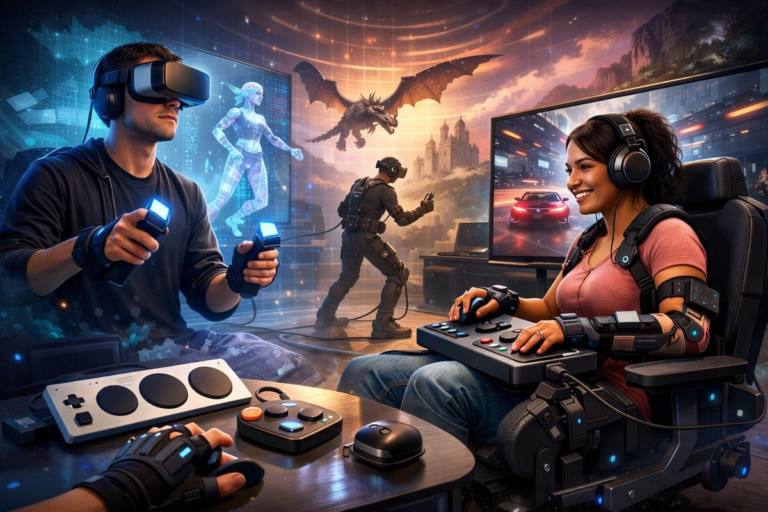
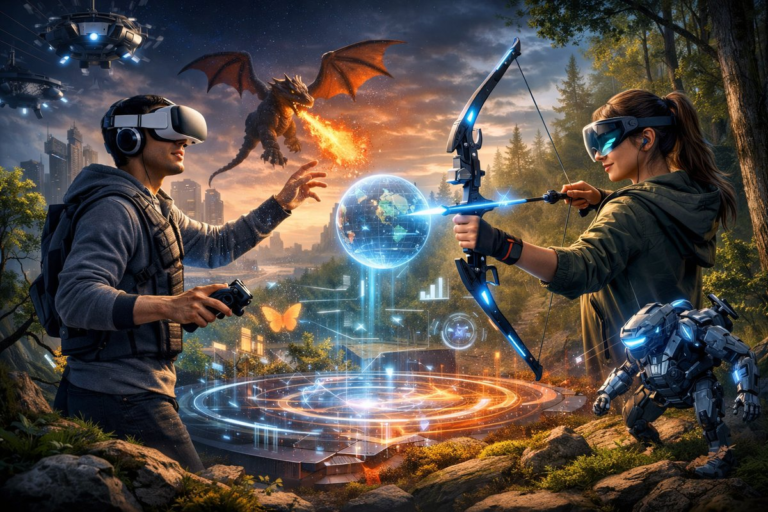
But narrative innovations are only half the story. Haptic feedback peripherals are finally coming into their own, making every clash of swords, engine rumble, or virtual heartbeat palpable. Prototype motion gloves embedded with adaptive vibrotactile arrays let players feel the tension in a bowstring or the vibrations of a hovercraft’s thrusters. Paired with a matching vest, you’ll sense directional impact when you’re hit or environmental cues like strong gusts of wind. These advances tap into tactile memory, closing the gap between sight and touch. Instead of relying solely on audio-visual cues, you respond viscerally-dodging faster, holding your aim steadier, and immersing yourself more fully in the digital world.
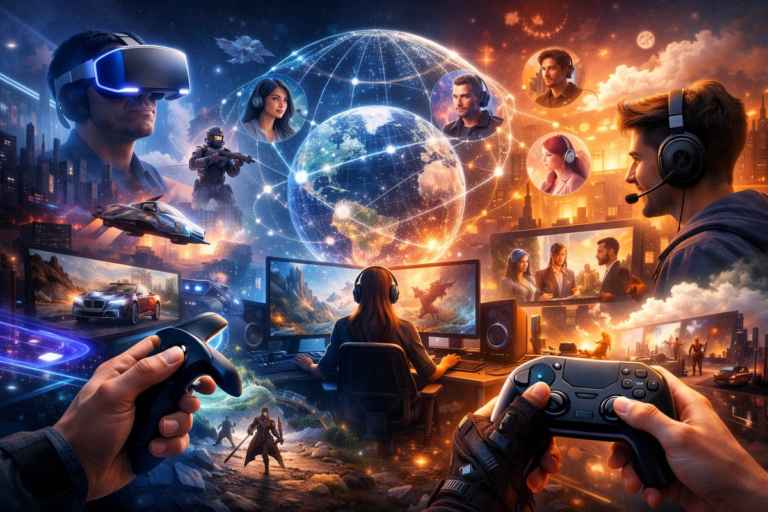
Meanwhile, improvements in cloud infrastructure have shattered the old trade-off between graphics fidelity and accessibility. Leveraging edge-computing nodes and next-gen compression algorithms, cloud streaming now delivers near-zero latency across many regions. Players with entry-level devices can experience ray-traced lighting, complex physics simulations, and dynamic weather systems without owning a top-of-the-line graphics card. Cross-platform multiplayer is smoother too: regional servers dynamically allocate resources to prevent lag spikes and frame drops. In practice, that means a console player in a dense urban skirmish can fight side-by-side with a mobile gamer halfway around the world, while both enjoy the same high-resolution textures and 60-frame animations.
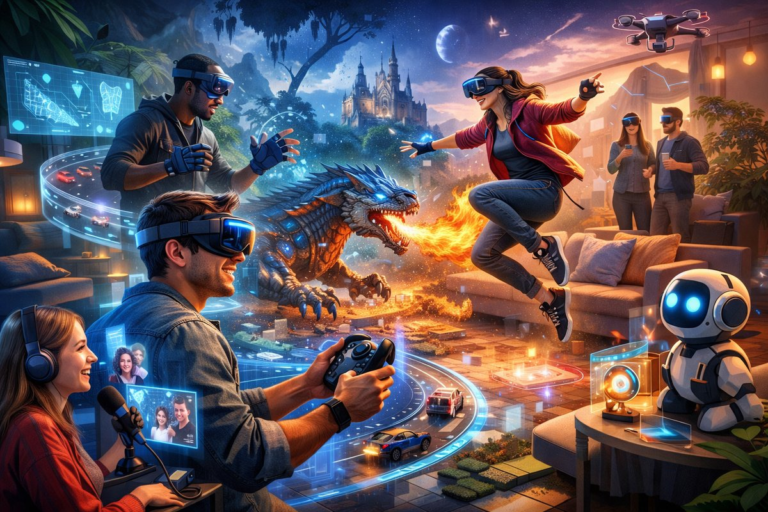
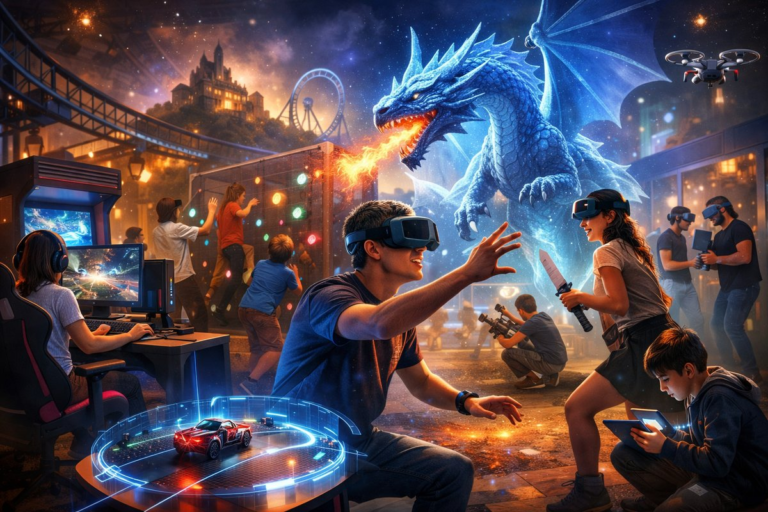
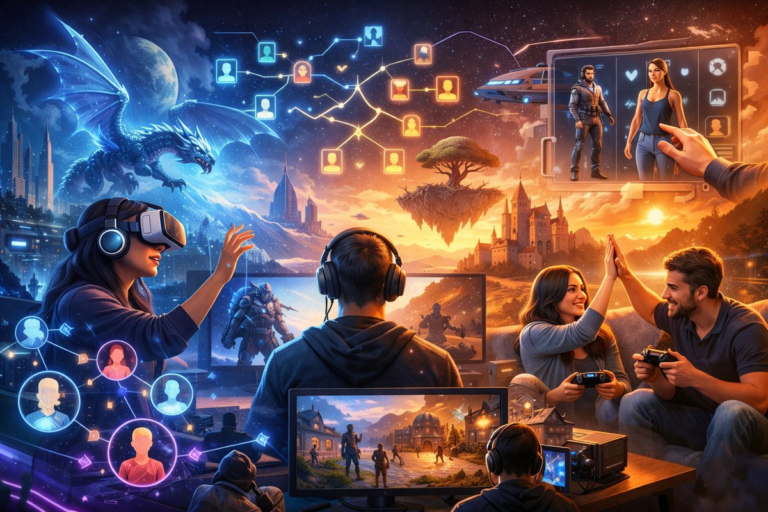
Gaming culture itself is pivoting alongside these tech leaps. Hybrid play lounges-spaces that blend retro arcade cabinets with VR pods and streaming stations-are popping up in major cities. Patrons might start an evening in a vintage driving game, then don a headset for team-based VR missions, and finally broadcast highlights to their social channel all in one seamless visit. Organizers are experimenting with dynamic lighting rigs that sync to in-game events, LED walls that project spectators’ avatars, and AI DJs that remix soundtracks based on crowd reactions. These communal spots blur the lines between esports arenas, creative studios, and digital art exhibits, reflecting gaming’s multifaceted appeal.
Independent developers are embracing the same tools powering AAA studios. A handful of small teams are using generative AI to draft concept art, procedural level layouts, and even soundscapes-dramatically cutting iteration cycles. One solo developer showcased a cyberpunk platformer where street murals morph in real time, reacting to your actions and algorithmically generated background tracks. Another team launched a survival title where AI-controlled wildlife adapts to player hunting patterns, introducing new species and behaviors to keep challenges fresh. By automating mundane tasks, creative teams are free to pursue niche artistic visions and new gameplay paradigms that might never have been greenlit under traditional budgets.
Beyond entertainment, these innovations carry practical implications for education and wellness. Language-learning titles incorporate adaptive narrative engines to practice conversation skills in branching dialogues. Physical-therapy games leverage haptic gear and motion tracking to guide rehabilitation exercises under a gamified interface. Mindfulness apps are using immersive soundscapes and subtle vibration cues to help users breathe, relax, and focus. The same cloud platforms that power blockbuster releases are now hosting virtual classrooms where students collaborate on 3D design projects in real time-mirroring professional workflows in industries like architecture and engineering.
As we look ahead, sustainability and ethical design are rising to the forefront. Manufacturers are exploring recycled materials for chassis and peripherals to shrink carbon footprints. Data centers are migrating to renewable energy sources, reducing the environmental impact of cloud-based gaming. On the software side, developers are building tools to audit AI-generated content for bias and ensure accessibility features-from customizable subtitles to colorblind-friendly palettes-are baked into core designs rather than tacked on as afterthoughts.
Together, these developments point toward a form of play that’s more adaptable, inclusive, and intertwined with daily life than ever before. Whether you’re a solo explorer charting procedurally generated realms, a team commander coordinating strikes via global cloud servers, or a casual player streaming an impromptu speedrun, the next wave of gaming is designed to respond to you. From tactile haptics to emergent narratives, from community-driven spaces to AI-powered creation tools, the future of play is as much about forging connections-between people, between ideas, between the virtual and the real-as it is about high scores and headsets. Gear up, dive in, and get ready to experience play that feels truly alive.