Location
Mount Vernon, WA 98274

Location
Mount Vernon, WA 98274
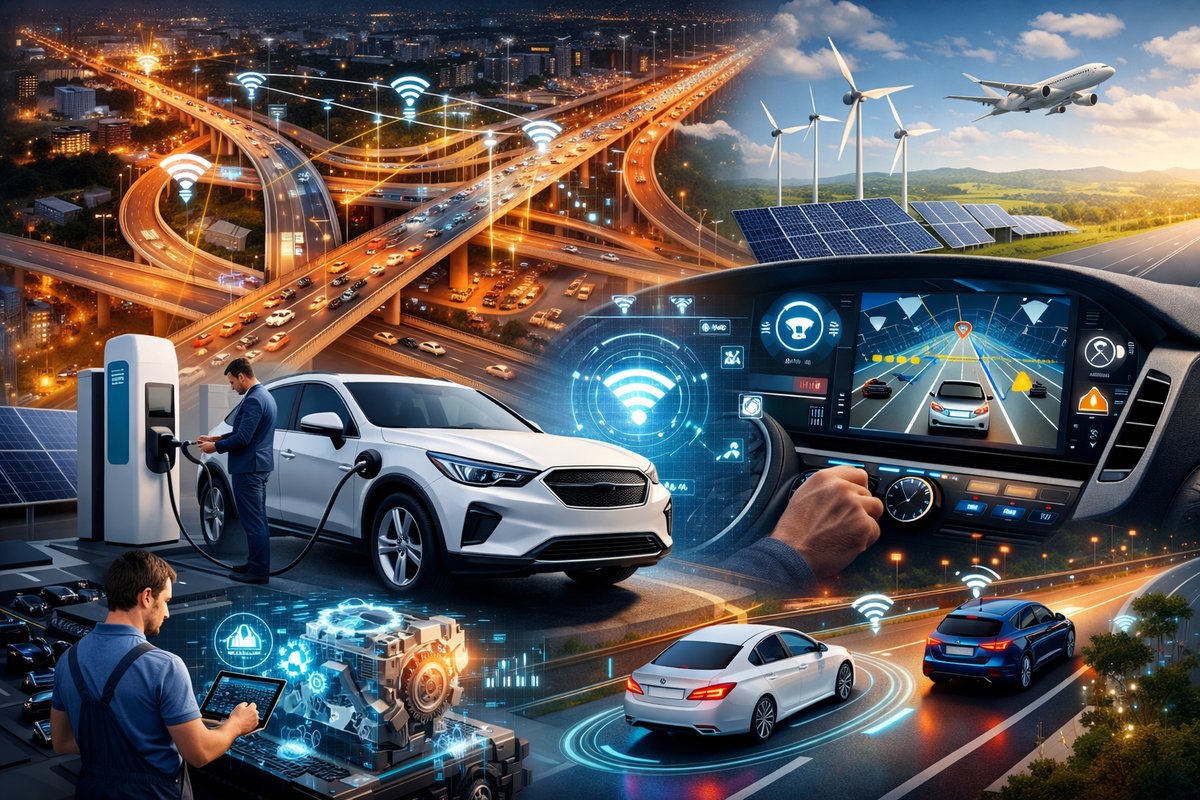
From intelligent traffic management to electric charging networks, automotive technology is on the brink of a profound transformation. This article explores the advances reshaping how we move-covering everything from predictive maintenance and connected vehicles to sustainable energy integrations and driver-centric experiences.
In cities around the globe, the hum of engines is giving way to a quieter, more efficient future. Modern automotive technology is rapidly evolving, moving beyond the confines of internal combustion and mechanical ingenuity into a realm where data, connectivity, and sustainability converge. Advances in electric vehicles (EVs), autonomous driving, and smart infrastructure promise safer roads and cleaner air, while new digital services aim to personalize the driving experience like never before.
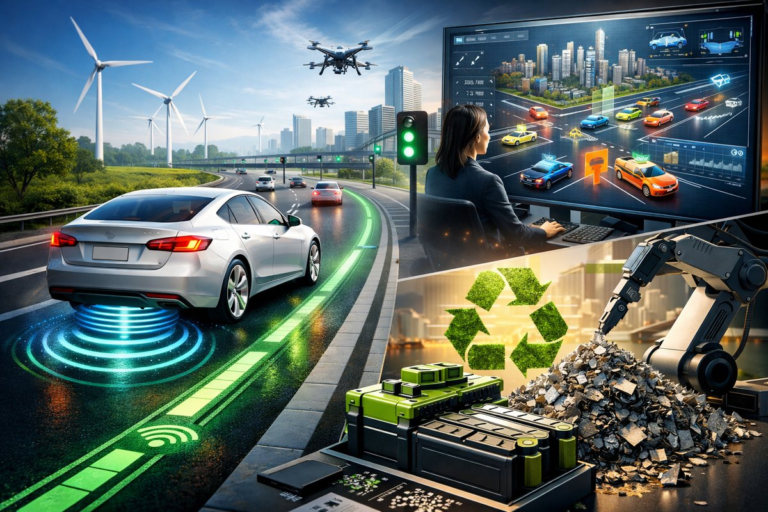
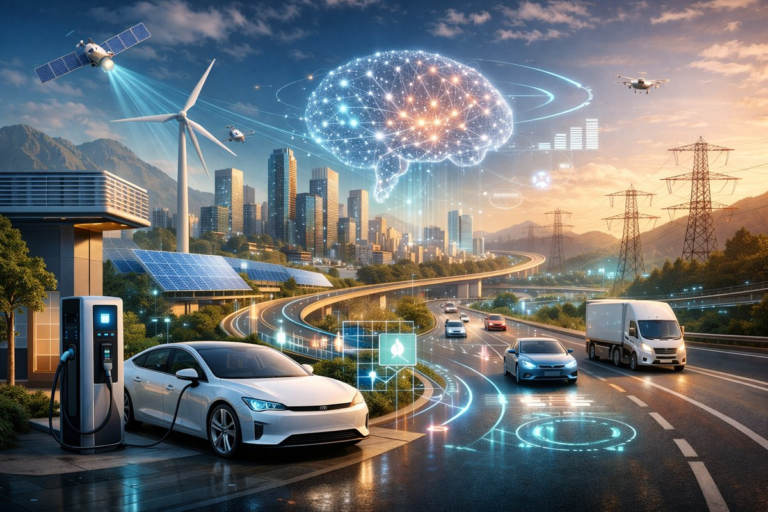
At the heart of this shift lies the expansion of EV charging ecosystems. Governments and private companies are racing to deploy high-speed charging stations along highways and within urban centers. These stations, many drawing power from renewable sources such as solar farms and wind turbines, reduce charging times to under 30 minutes for a significant range boost. Networked chargers communicate with central management platforms, balancing grid demand and optimizing charging schedules to avoid blackouts and peak-price surges. For drivers, apps provide real-time availability, reservation options, and remote payment-transforming charging stops into seamless pit stops.
Behind the scenes, smart grids are becoming critical partners in transportation. By incorporating vehicle-to-grid (V2G) technology, some charging stations can draw power back from parked EVs during peak hours, effectively turning dormant cars into mobile battery banks. This bidirectional flow of electricity helps stabilize the grid, supports renewable adoption, and introduces new revenue streams for EV owners willing to share stored energy. Trials in several metropolitan areas have shown that modest participation rates can reduce local energy costs by up to 10 percent during peak periods.
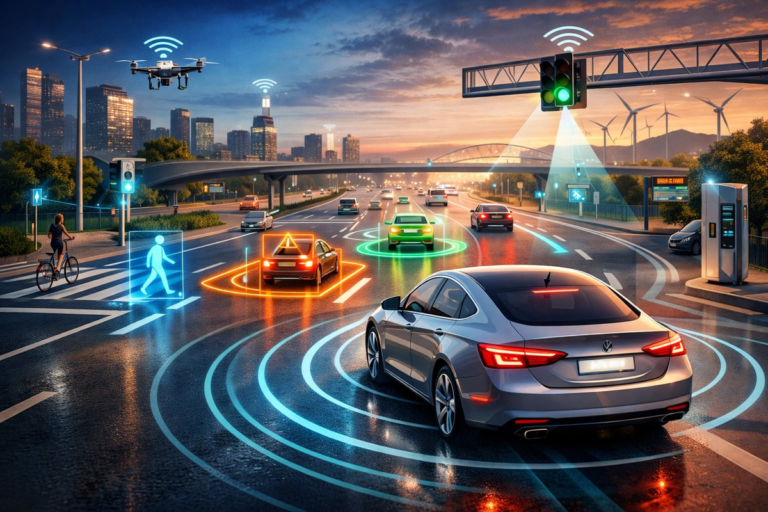
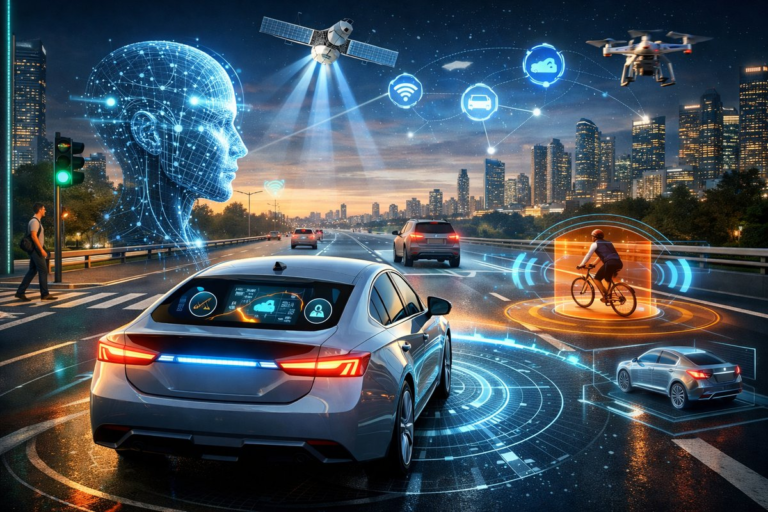
Meanwhile, autonomous driving initiatives continue to make headlines. Pilot fleets operating in controlled neighborhoods use a combination of lidar, radar, and camera sensors to navigate complex road conditions. Machine learning algorithms process vast data streams from these sensors, enabling vehicles to detect pedestrians, predict other drivers’ behavior, and execute emergency maneuvers in milliseconds. Although fully driverless ridehailing remains in testing phases, many manufacturers are rolling out advanced driver-assistance systems (ADAS) in consumer models-featuring lane centering, adaptive cruise control, and automated parking.
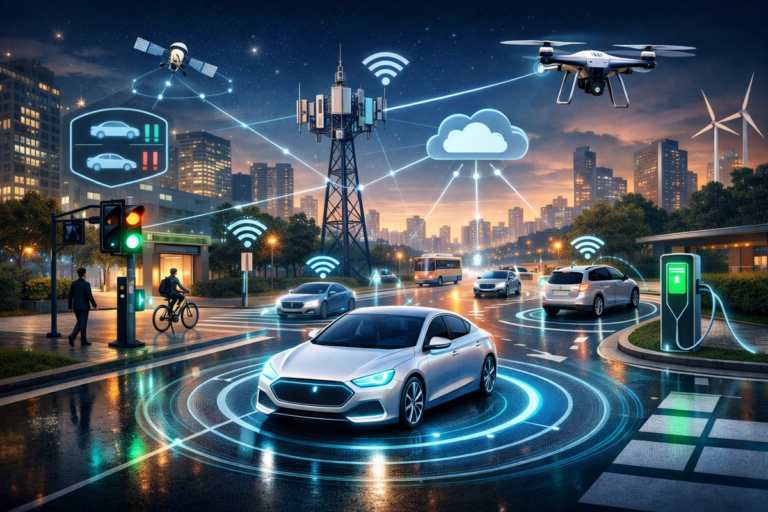
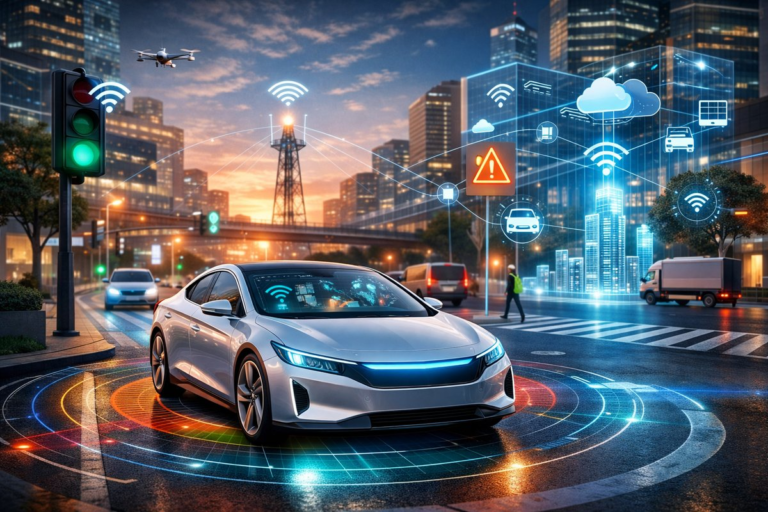
Connectivity extends beyond the vehicle itself. Smart traffic lights equipped with vehicle-to-infrastructure (V2I) communications adapt signal timing based on real-time traffic flow, emergency vehicle approach, or even public transit schedules. Municipalities report up to 20 percent reductions in average commute times and significant decreases in idling emissions. Dynamic signage can reroute drivers around congestion, accidents, or construction, relaying information directly to in-dash navigation systems or smartphone apps.
This digital ecosystem relies on continuous over-the-air (OTA) software updates-once something reserved for smartphones and computers. Today’s cars can receive new features, safety patches, and performance enhancements without a dealership visit. From refining battery management strategies to unlocking improved regenerative braking algorithms, OTA capabilities extend vehicle longevity and ensure that cars grow smarter over time. Owners no longer need to wait for annual service appointments to benefit from the latest software improvements.
Predictive maintenance leverages the same connectivity. Onboard diagnostics monitor key components-battery health, brake performance, tire pressure, and more. When sensors detect anomalies, the system alerts drivers via smartphone notifications, recommending nearby service centers or suggesting do-it-yourself troubleshooting guides. Fleets particularly value predictive insights, as unplanned downtime can be costly. Logistics operators use real-time data to schedule preventive repairs, minimize disruptions, and optimize spare parts inventories.
While software and electrification often steal the spotlight, hardware innovations continue to matter. Lightweight materials-such as carbon-fiber composites and high-strength aluminum alloys-reduce vehicle mass, extending range and improving handling. Advances in thermal management ensure that batteries operate optimally in extreme temperatures. Improved aerodynamic designs, aided by computational fluid dynamics, shave precious miles off energy consumption at highway speeds.
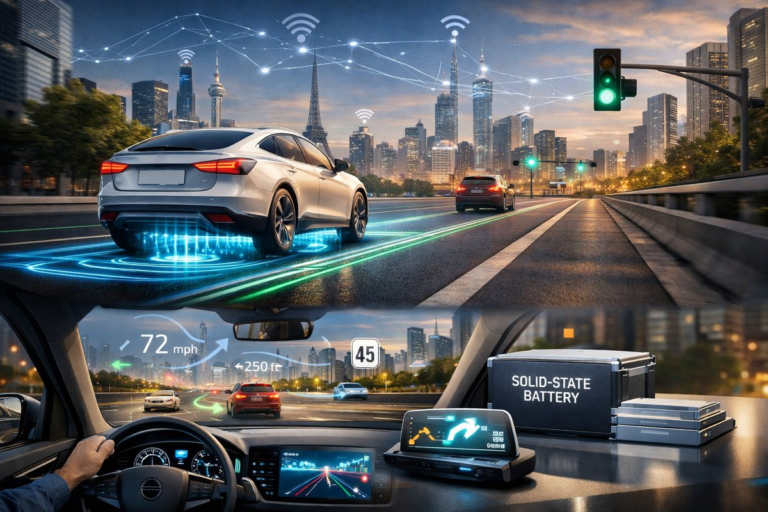
Inside the cabin, the user experience is undergoing a digital renaissance. Large touchscreen displays, voice-activated controls, and haptic feedback are replacing traditional buttons and knobs. Augmented reality head-up displays project navigation prompts and hazard warnings directly onto the windshield, helping drivers keep their eyes on the road. Personalization profiles adjust seat position, mirror angles, cabin temperature, and infotainment preferences based on who’s driving. Even ambient lighting can shift colors to match driving modes-from tranquil blue in eco settings to dynamic red in sport modes.
Safety remains paramount. Beyond traditional airbags and crumple zones, cars now feature driver monitoring systems that track eye movement and head position to detect drowsiness or distraction. In emergencies, these systems can tighten seatbelts, pre-charge brakes, and close windows automatically. Exits along busy highways integrate digital signs warning drivers of harsh weather or road hazards ahead, complementing in-car alerts.
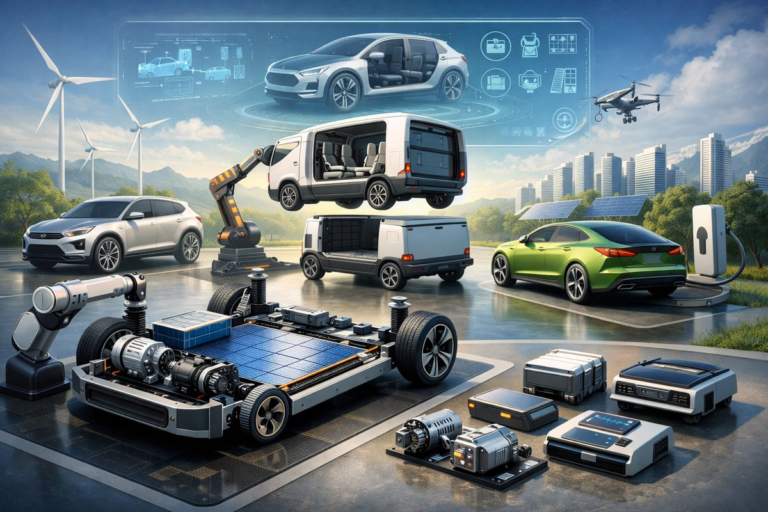
Fleet operators are equally eager to harness these technologies. Logistics companies deploy telematics platforms to track vehicle location, fuel consumption, and driver behavior. By analyzing acceleration patterns and idling times, fleet managers coach drivers on eco-friendly habits-cutting fuel costs by as much as 15 percent. Electric delivery vans equipped with modular battery packs can swap units in minutes at centralized stations, minimizing downtime on high-frequency routes.
Challenges remain before this vision is universal. Charging infrastructure still varies widely between regions, and standardization of charging connectors and payment protocols is not complete. High upfront costs for EVs and autonomous hardware can deter individual buyers, although leasing options and government incentives help bridge the gap. Cybersecurity threats loom as vehicles become more connected, prompting automakers to invest heavily in intrusion detection and secure communication protocols. Data privacy regulations also demand transparency around how driver and vehicle data are collected, stored, and used.
On the human side, there’s an enduring emotional attachment to driving. Enthusiasts lament the loss of manual transmissions and the sound of a roaring engine; yet many embrace the tranquility of electric motors and the convenience of hands-free technology. Automakers are exploring synthetic engine sounds that mimic classic exhaust notes or compose entirely new acoustic experiences. Haptic steering wheels can simulate road feel, preserving the tactile connection between driver and asphalt.
In many ways, we’re at a crossroads-balancing nostalgia with innovation, individual freedom with collective sustainability. The future of transportation will likely be a mosaic: personal EVs sharing roadways with autonomous shuttles, cyclists, and pedestrians. Micro-mobility options like e-scooters and bike-sharing will fill short-distance gaps, while high-speed rail and electric aircraft tackle longer journeys.
What’s clear is that technology will continue to drive change. From the moment you plug in your vehicle to the software updates you download overnight, every aspect of mobility is becoming smarter, greener, and more adaptable. As infrastructure catches up and costs decline, the benefits will reach more drivers and communities-making transportation safer, cleaner, and more personalized.
The horizon of motion, memory, and meaning in automotive technology is rich with possibility. Whether you’re a daily commuter seeking lower costs, a gearhead craving performance, or a fleet manager optimizing logistics, the tools and services entering the market promise to elevate every journey. Strap in, charge up, and prepare to embark on the next chapter of mobility innovation-the road ahead looks both familiar and fantastical, guided by data and powered by imagination.