Location
Mount Vernon, WA 98274

Location
Mount Vernon, WA 98274
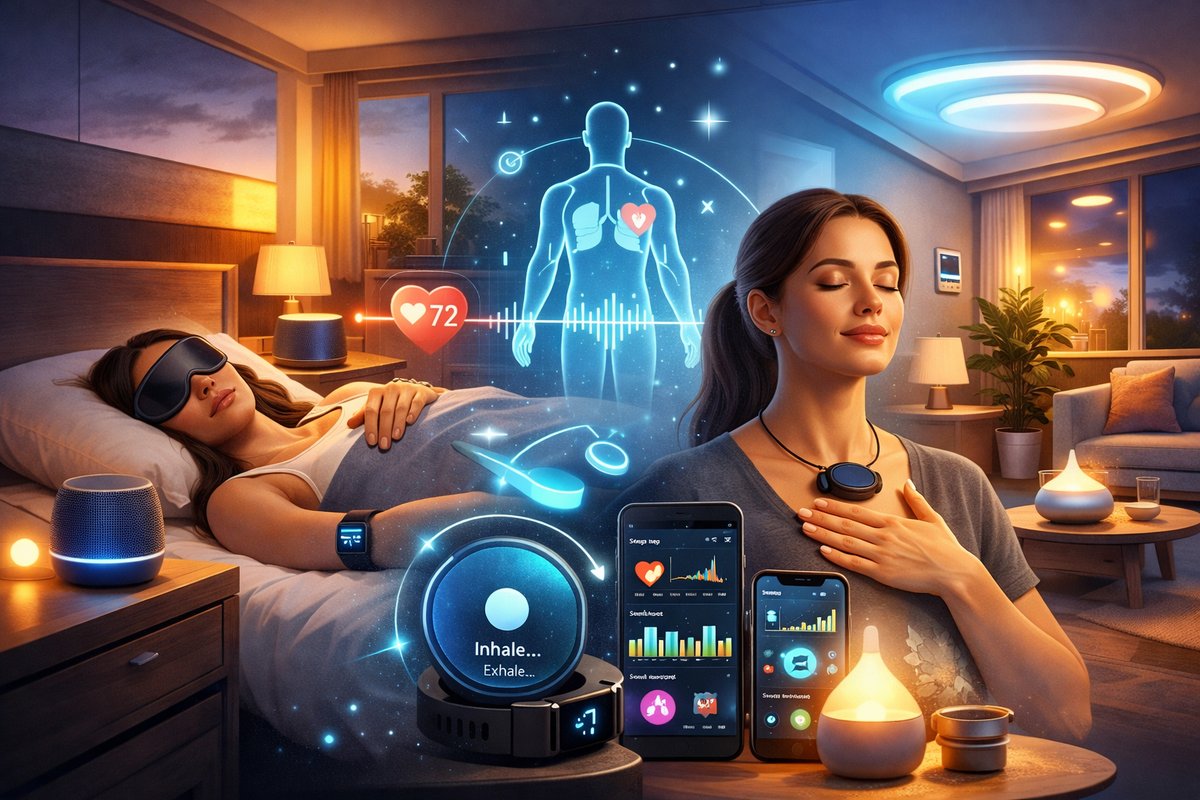
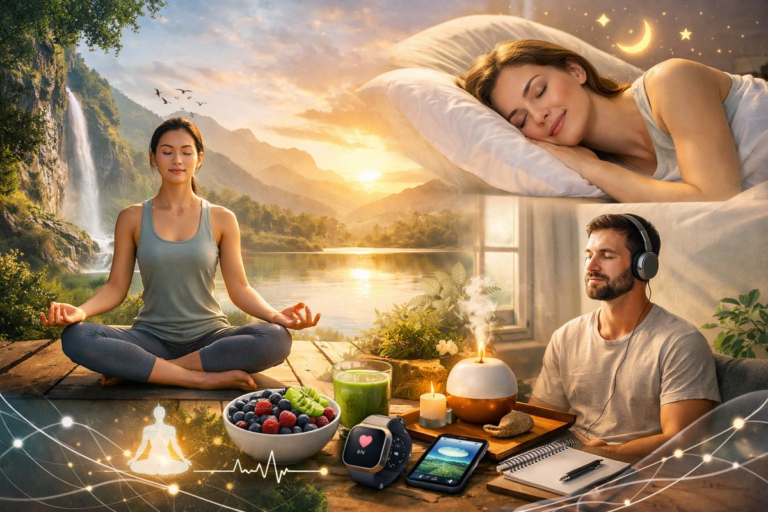
A wave of AI-powered wellness tools is reshaping how consumers manage sleep, stress, and home environments, combining real-time biometrics with personalized coaching. From adaptive lighting systems to smart breathing sensors, these innovations promise to elevate both physical recovery and mental clarity.
A recent study published by a leading public health research center reveals that nearly half of adults in urban areas suffer from chronic sleep disturbances. At the same time, demand for stress-management solutions has surged as remote work and flexible schedules blur the line between professional and personal life. In response, a cluster of startups and established wellness brands have unveiled a new generation of AI-driven devices and services designed to deliver hyper-personalized guidance across sleep, stress, movement, and indoor environmental quality.
One standout offering is a next-generation sleep coaching platform that integrates a wrist-worn sleep tracker with an adaptive bedside lamp. Sensors embedded in the wearable collect heart rate variability, skin temperature, and motion data in real time. Proprietary algorithms then analyze each user’s biological signals to recommend an optimal wind-down routine, adjusting bedroom lighting, ambient soundscapes, and guided breathing exercises. Early trials show participants falling asleep up to 20 minutes faster and reporting 15 percent fewer night awakenings.
“This isn’t about collecting data for its own sake,” explains a user experience lead at one company. “It’s about translating complex biometrics into intuitive, actionable steps. Our goal is to meet people where they are, whether they need a five-minute stress reset at their desk or a full evening ritual to reinforce their circadian rhythm.” The platform’s AI continually refines its advice by comparing nightly sleep quality, daytime energy levels, and subjective mood ratings over weeks and months.
Alongside sleep technologies, wearable stress monitors are gaining traction. These compact patches or wristbands track electrodermal activity-a marker of sympathetic nervous system activation-alongside pulse and respiration rate. When the device detects rising stress levels, it gently prompts the user to perform a guided micro-break. Using a companion smartphone app, individuals can choose from a library of two- to three-minute interventions, ranging from box breathing exercises to quick-guided visualizations set against natural soundscapes.
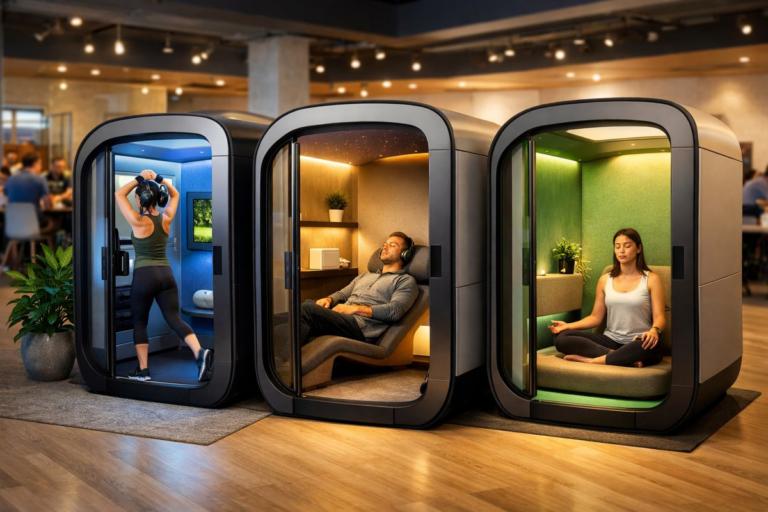
In field tests conducted with office workers, up to 70 percent of users reported feeling calmer after just one week of daily micro-break prompts. Physiological measures also support these findings: participants experienced a 12 percent reduction in average heart rate during work hours. Employers have taken note, with several major corporations piloting the technology in hybrid team environments to help employees sustain focus without increasing screen time.
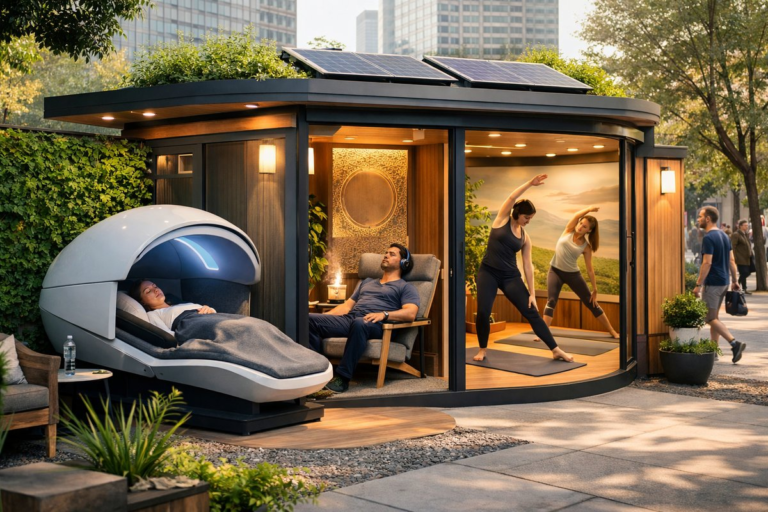
Beyond personal wearables, smart home environmental systems are moving into the mainstream. One newly launched ecosystem integrates air quality sensors, circadian lighting, and plant-based humidity regulation to create a dynamic indoor habitat. Airborne particulate levels, volatile organic compounds, temperature, and humidity are continuously monitored. When conditions fall outside ideal ranges, the system automatically adjusts ventilation, deploys targeted air-purifying jets, or signals embedded hydroponic planters to release moisture.
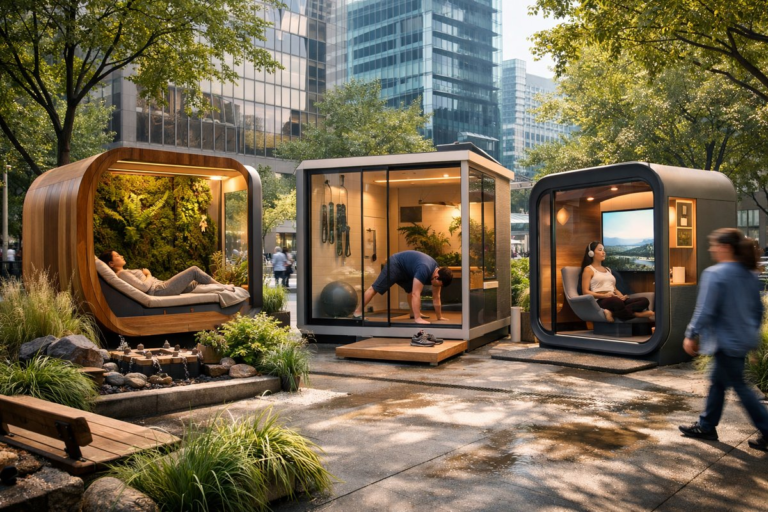
Architects and interior designers are exploring how biophilic design principles can be infused into these tech-enabled settings. In a recent retrofit of a coworking space, natural wood finishes and living green walls were paired with programmable skylights to mimic daylight patterns while reducing energy consumption. Occupants reported a 20 percent improvement in perceived air freshness and a 30 percent boost in midday alertness compared to conventional office lighting.
Movement and physical recovery have also received an AI makeover. A virtual personal training platform uses computer vision and posture analysis to deliver real-time feedback during strength and mobility exercises. Users exercise in front of a simple webcam or smartphone camera, and the system flags misaligned joints, warns against overextension, and suggests gradual progressions. Several early adopters credit the platform with helping them rebuild confidence when recovering from minor injuries, thanks especially to its ability to suggest corrective stretches.
This fusion of digital coaching with human biomechanics is now expanding into gravity-based movement tools. One recently crowdfunded device combines variable-resistance cables with motion sensors to guide users through safe, full-range squats, lunges, and deadlifts. Integrated lights change from red to green when form is optimal, and the accompanying app logs performance metrics for each muscle group.
Mental health and emotional clarity are not being left behind. Virtual reality meditation programs now blend immersive natural environments with real-time biofeedback. When a user’s breathing slows and heart rate stabilizes, the environment becomes more vivid-waves lap more gently, wind through trees intensifies, and wildlife appears at random. This positive feedback loop encourages deeper relaxation and sustained focus during sessions that range from five to twenty minutes.
Clinical psychologists are watching these developments closely. Preliminary data suggests that combining VR meditation with daily practice improves self-reported stress resilience by up to 25 percent over a twelve-week period. Researchers emphasize that while technology can catalyze habit formation, human support-via remote coaching or community groups-remains a vital component for long-term adherence and emotional processing.
With so many interconnected tools and platforms, interoperability has become a priority. A newly formed consortium of health-tech vendors is developing open standards for data exchange, allowing users to view comprehensive wellness dashboards on their preferred apps. This federated approach ensures that a sleep coach from one provider can incorporate stress data from another wearable, while environmental sensors from a third company feed into a central health profile.
Consumers are responding favorably to ecosystems that break down data silos. In a survey of 2,000 wellness technology buyers, 68 percent said they were more likely to invest in multiple tools when assured of seamless integration. As a result, some brands are partnering to offer bundled subscriptions that cover sleep analysis, stress monitoring, exercise coaching, and home environment management under one monthly plan.
Industry analysts predict that global revenue for AI-driven wellness solutions will exceed $15 billion within the next two years, driven by heightened consumer interest and ongoing health research validating these approaches. While barriers such as data privacy concerns and initial cost remain, the growing emphasis on evidence-based design and open interoperability standards is helping to build trust.
For individuals eager to revamp their daily routines, the message is clear: technology can be a supportive ally in cultivating restorative sleep, resilient mental health, intentional movement, and refreshing indoor environments. As more evidence emerges and platforms continue to refine their algorithms, the vision of a fully personalized, dynamic wellness ecosystem is drawing closer to reality-one that empowers users to listen to their bodies, adapt their surroundings, and achieve a deeper sense of balance.