Location
Mount Vernon, WA 98274

Location
Mount Vernon, WA 98274
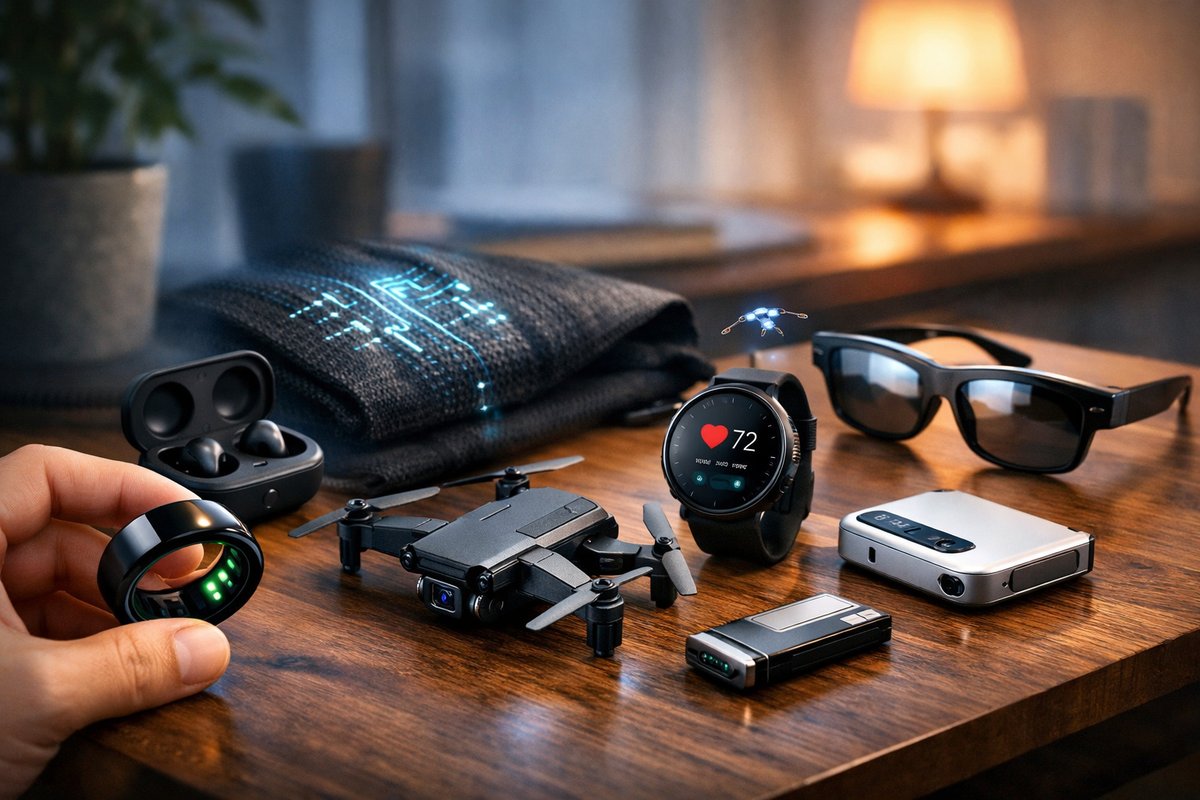
From biometric smart rings that monitor stress to fold-flat drones for on-the-go creativity, the latest wave of micro gadgets is turning once-niche tools into everyday essentials. These pocket-size innovations are weaving intelligence into clothing, surfaces, and personal accessories, promising a future where advanced tech simply fades into the background of our routines.
In the past decade, innovation has steadily shrunk. What once required a bulky desktop tower now fits in the palm of your hand: ultra-low-power microprocessors, energy-harvesting sensors and wireless antennas all squeezed onto a chip the size of a thumbnail. But we’re witnessing a new chapter in the saga of miniaturization-not simply making gadgets smaller, but embedding them seamlessly into our clothes, our accessories and even our surroundings.
A Smart Ring That Reads Your Body’s Signals
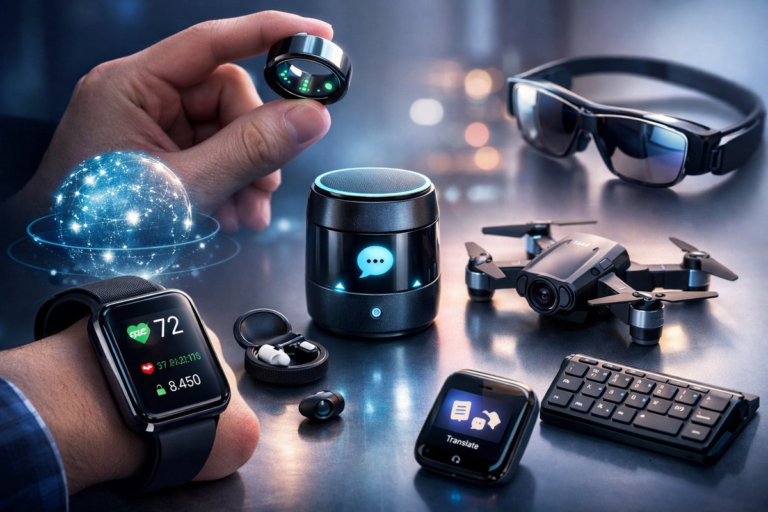
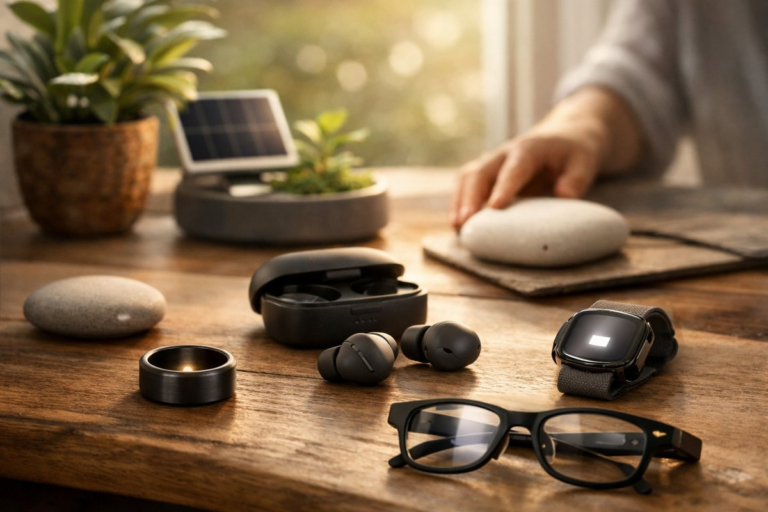
Forget wristbands that zap your arm with an electric prickle or phone apps that demand manual input. The latest generation of biometric wearables has reduced sensor arrays, batteries and communication radios into rings no thicker than a coin. These smart rings measure heart rate variability, blood-oxygen levels and subtle temperature changes to detect stress, track sleep cycles and even anticipate migraines. By analyzing tiny shifts in skin conductivity and pulse timing, they can nudge you toward mindfulness exercises or recommend when to break for a walk. The challenge for designers? Packing enough battery power into the band to run continuously for days, all while keeping it water-resistant and comfortable enough to forget you’re wearing it.
Fiber Optics in Fabric: The Rise of Responsive Clothing
Engineers working on “electrotextiles” have taken inspiration from light-guide technology. Strands of super-thin fiber optics are woven into denim or polyester blends, enabling jackets or pants to pulse with programmable LEDs, display simple notifications or channel sensor data. Imagine a commuter jacket that warns you of high pollution zones in real time, gently glowing along your sleeves as you bike through the city, or a running shirt that subtly shifts color when your body temperature exceeds a safe threshold.
The trick lies in integrating microcontrollers and sensors directly into the yarn, then connecting them with conductive threads that withstand washing and wear. By relying on low-power Bluetooth LE and small flexible batteries or even fabric-mounted solar cells, these garments can run for weeks without recharging. Designers hope to bridge the gap between fashion and function-so that technical complexity hides behind normal seams and hems.
Fold-Flat Drones: Portable Aerial Creativity
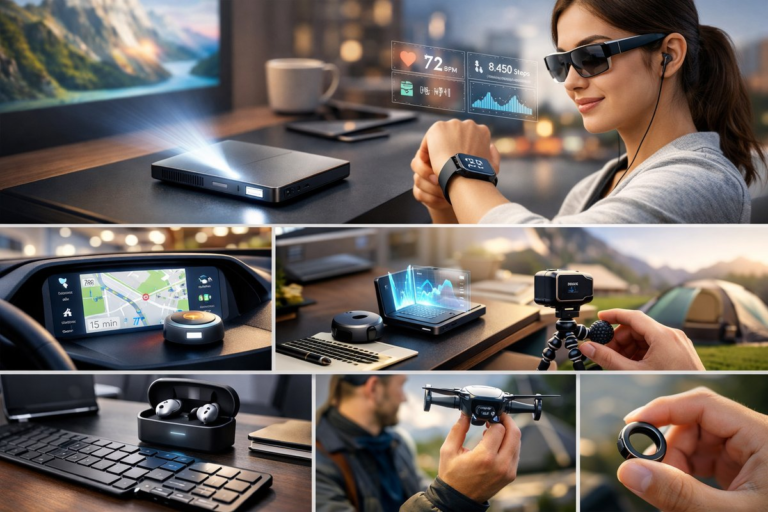
A new crop of consumer drones is redefining portability with innovative folding mechanisms. Instead of jutting arms and protruding propellers, these models collapse into a slab barely thicker than a smartphone. Yet once unfolded, they unlock high-resolution cameras, advanced obstacle avoidance and up to 20 minutes of flight time. The appeal goes beyond hobbyists: journalists and content creators can slip a drone into a messenger bag, capture aerial footage on demand and fold it away just as quickly.
Mechanical engineers have wrestled with materials that can survive repeated folding cycles-flexible carbon-fiber composite hinges, titanium-reinforced joints and magnetic latches that snap together securely. Weight savings also matter: propeller guards, vibration-dampening mounts and compact gimbal assemblies must all fit within strict mass budgets dictated by aviation regulations.
Micro Projectors That Turn Any Surface into a Screen
Smartphones already double as portable media players, but tiny laser-based projectors are pushing boundaries further. Encased in devices no larger than a small brick, these handheld projectors produce bright, sharp images up to 80 inches diagonally. They employ digital light processing (DLP) chips alongside micro-laser engines to maintain color fidelity and contrast, even in dimly lit rooms.
For remote workers and digital nomads, a fold-out tripod and a palm-sized projector is all you need for presentations in co-working lounges or impromptu movie nights on a hotel room wall. Recent models add smartphone mirroring via Wi-Fi Direct or USB-C ports that handle both power and data, slashing cable clutter.
Pocket-Size Language Translators That Bridge Cultures
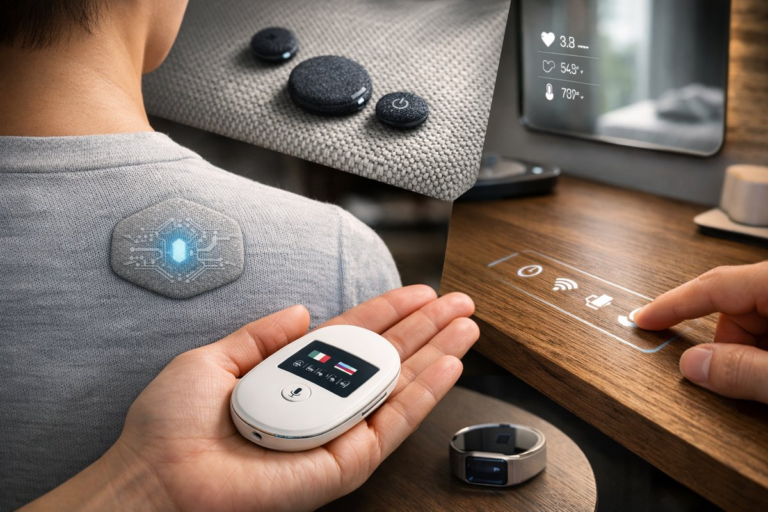
When you travel to a country where you don’t speak the language, every simple interaction-ordering food, asking for directions-becomes a mental hurdle. The latest micro translators combine on-device neural engines with edge-AI models to deliver near-instant speech translation between dozens of languages. No longer tethered to a constant Internet connection, these handheld gadgets process audio locally, then play synthesized responses aloud in your chosen tongue.
Their small footprint conceals directional microphones, noise-cancellation algorithms and high-efficiency speakers capable of handling crowded cafés or bustling street markets. Battery life for continuous operation can exceed eight hours, with rapid USB-C charging bringing you back to full power in under an hour.
UV-C Sanitizing Wands: Disinfection on Demand
The global health landscape has driven demand for compact sanitizing tools that fit in a backpack or briefcase. UV-C wands emit germicidal light at precise wavelengths to neutralize viruses and bacteria on surfaces without chemicals. As these devices shrink, safety mechanisms-proximity sensors, motion detectors and automatic shutoffs-are integrated into modules no bigger than a paperback book.
Users wave the wand over high-touch areas like phone screens, door handles or airplane tray tables, with built-in timers and feedback LEDs that ensure complete coverage. Advances in UV-C LED efficiency have driven down power draws, allowing hours of continuous sanitation on a single battery charge. Engineers are now working on folding designs and strap-on mounts for hands-free use, further broadening applications in hospitality and travel.
The Invisible Layer: Micro-Air Quality Monitors
Small, stationary air-quality sensors can slip into a purse or sit on a nightstand, continuously sampling particulate matter (PM2.5), volatile organic compounds (VOCs) and carbon dioxide levels. Chip-scale gas sensors combine metal oxide semiconductors with micro-fluidic channels, reducing power consumption and response times. Connected via Bluetooth or Thread, they feed data to smartphone apps that guide indoor ventilation, help allergy sufferers and even integrate into smart-HVAC systems.
Some startups are exploring battery-free models that harvest ambient RF energy or thermal gradients, eliminating the need for regular recharging. In these designs, user comfort and long-term reliability become paramount-no one wants a device beeping low-battery warnings or requiring frequent filter swaps.
Designing for Sustainability and Longevity
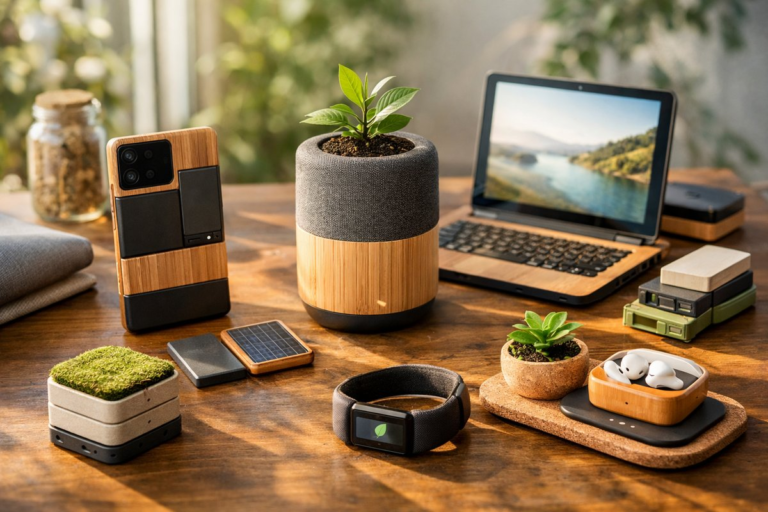
Amid the rush to miniaturize, responsible engineers emphasize modularity and repairability. Micro-gadgets often feature replaceable battery packs, snap-in sensor modules and software updates that extend functionality over years. Packaging is trending toward recycled plastics, compostable foams and minimal inserts-an attempt to curb the e-waste tidal wave generated by high-volume consumer electronics.
Companies are also exploring hardware as a service (HaaS) models. Instead of selling a device outright, they lease it alongside full-lifecycle support, ensuring that smart rings, portable projectors and mini drones are refurbished and redistributed rather than discarded. For customers, this approach adds subscription fees but comes with free repairs, software upgrades and eventual trade-in programs.
Peering Into the Micro-Powered Future
Tiny tech has always dazzled us with punchy demos-robots smaller than insects, implants that monitor health from within. But today’s frontier lies in embedding these capabilities unobtrusively into daily life: a jacket fabric that tracks air quality, a bedside sensor mapping your sleep, a palm-sized drone capturing landscapes you couldn’t otherwise frame.
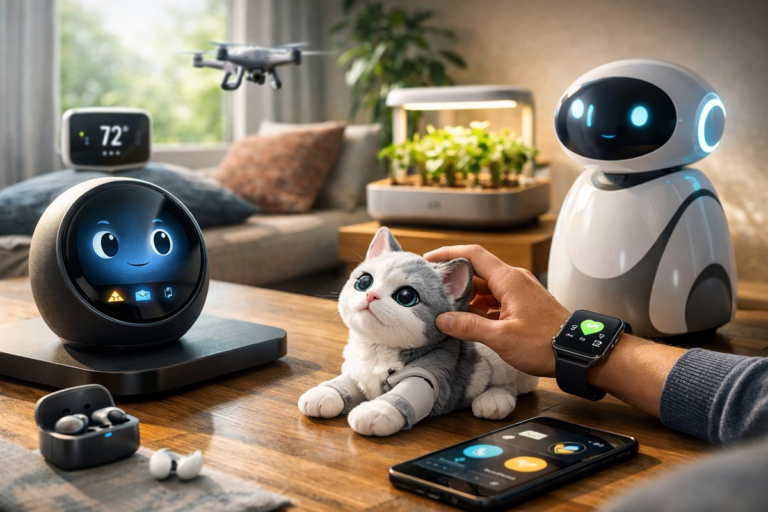
As sensors, batteries and radios shrink further, the boundaries between analogue and digital will blur. Everyday objects will gain intelligence, adapting to our needs before we even voice them. The key challenge for designers will be preserving the emotional and human-centered aspects of those objects, resisting the urge to toy with novelty at the expense of reliability and privacy.
In the next few years, we can expect micro-powered devices to proliferate in sectors as diverse as healthcare, hospitality, travel and entertainment. And as they become more aware of our habits, they’ll begin to anticipate our needs-pouring just the right amount of light, filtering just the right breath of air and capturing just the right angle for that once-in-a-lifetime photo.
This new era of tiny tech won’t always make headlines. Instead, its most profound impacts will be felt in those quiet, daily moments when a ring reminds you to breathe, a drone captures a fleeting sunset or a projector turns your bedroom wall into a cinematic canvas. In a world where everything is getting smaller, it’s our experience that may feel vastly larger.
Ready to elevate your everyday with micro-powered gear? Here are a handful of must-have tools for the curious explorer and busy urbanite alike.