Location
Mount Vernon, WA 98274

Location
Mount Vernon, WA 98274
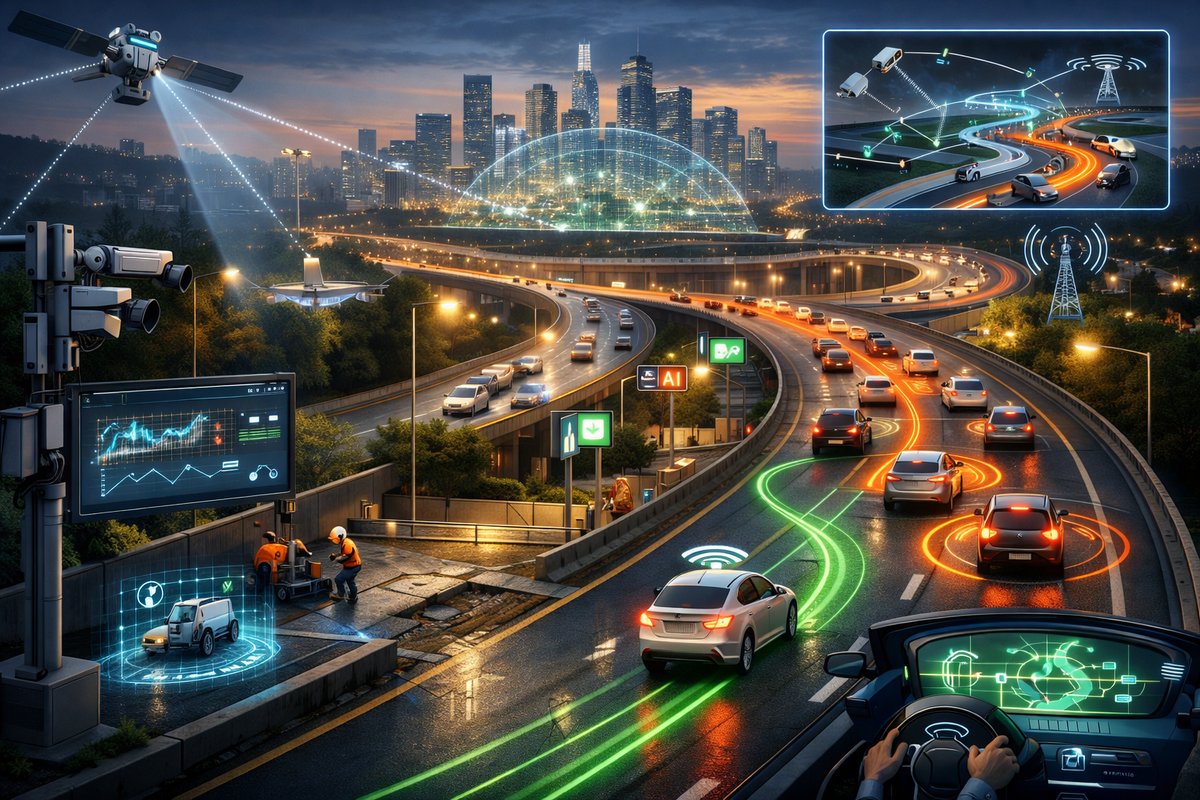
Modern roads are becoming living systems that anticipate maintenance needs, ease congestion, and guide drivers toward greener routes. From citywide AI-driven signals to in-car over-the-air updates, the hidden network of sensors and algorithms is redefining how we move.
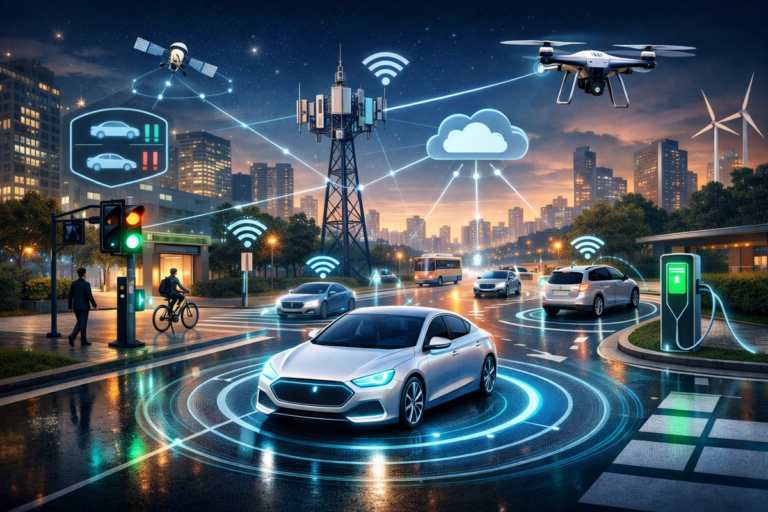
Imagine driving through a city where traffic lights smooth your journey rather than stall it, where your car warns you of an impending mechanical issue long before it leaves you stranded, and where navigation apps guide you down the most eco-friendly route available. This is not science fiction but the emerging reality of smart mobility, enabled by predictive analytics, connected infrastructure, and embedded intelligence.
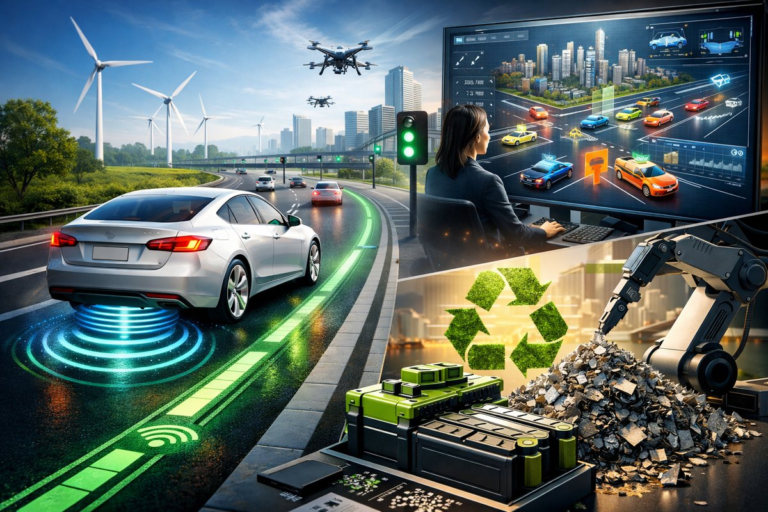
Across urban centers worldwide, municipalities are deploying AI-powered traffic management systems to tame congestion. In a recent pilot, one major European city linked more than 2,500 intersections to a central control hub that uses real-time data streams-vehicle counts, pedestrian flows, even local weather-to adjust signal timing on the fly. During peak hours, average journey times fell by nearly 15 percent, while idling at red lights dropped by 20 percent, cutting local emissions substantially.
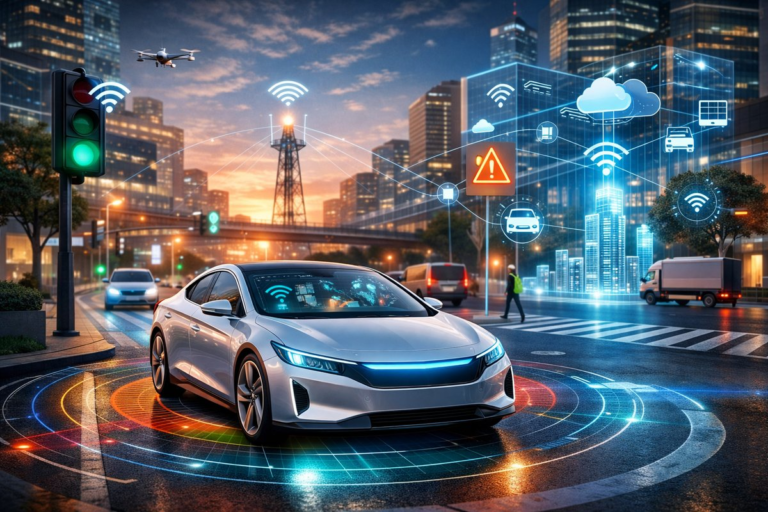
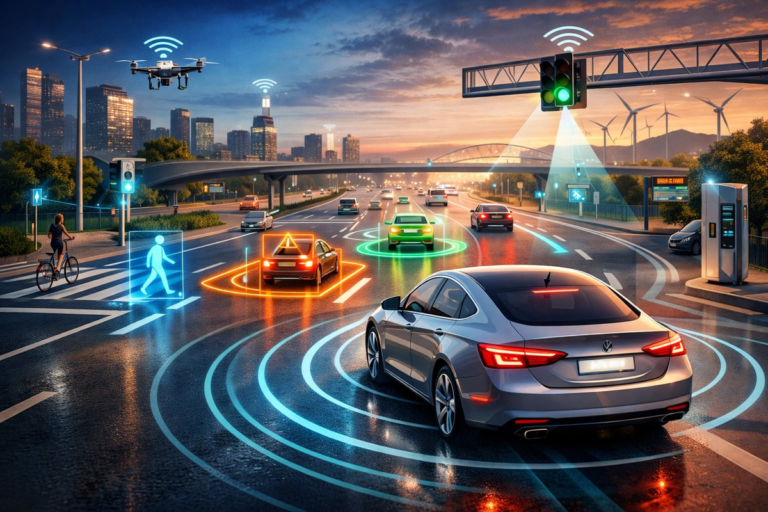
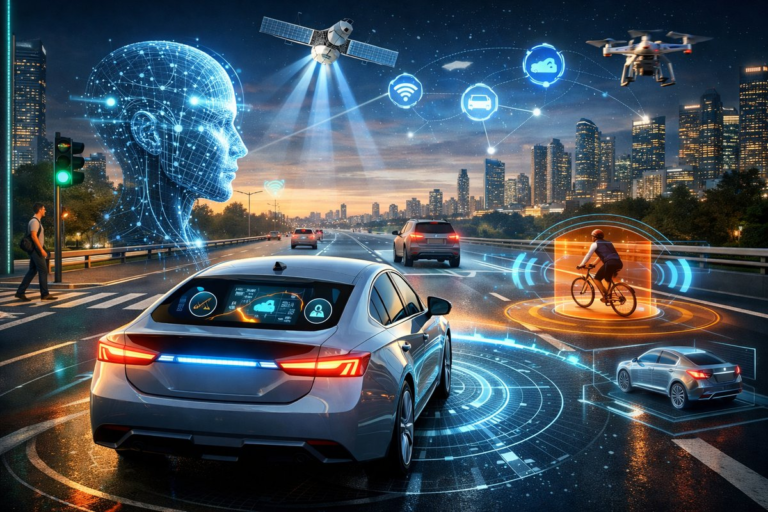
In the United States, a pioneering trial in Columbus integrated vehicle-to-infrastructure (V2I) communication into a fleet of public buses and city maintenance vans. Roadside units broadcast signal phase and timing information directly to onboard units, allowing drivers to approach green lights more often. Over a six-month evaluation, bus travel times improved by more than 7 percent, and fuel consumption dipped accordingly. This V2I groundwork lays the foundation for broader vehicle-to-everything (V2X) networks that will link cars, pedestrians, cyclists, and nearby infrastructure in a shared safety ecosystem.
Meanwhile, predictive maintenance has graduated from factory floors into everyday vehicles. By fitting cars and trucks with vibration sensors, oil-quality monitors, and temperature gauges, fleet operators and ride-hail services can spot early warning signs of component wear. According to McKinsey & Company, predictive analytics can reduce unplanned downtime by up to 30 percent and cut maintenance costs by as much as 40 percent. One major logistics firm reports that sensor-based alerts dropped breakdowns by nearly 25 percent within its heavy-duty haulage fleet, translating into significant savings and fewer late deliveries.
How does it work? Data from on-board sensors streams to cloud platforms that run machine-learning models trained on millions of hours of driving data. When a gearbox vibration pattern deviates from normal thresholds-perhaps signaling a damaged bearing-the system sends an alert to the fleet manager’s dashboard. Technicians receive a prioritized work order before the part fails outright, meaning shops can schedule repairs during routine stops rather than after a costly roadside breakdown.
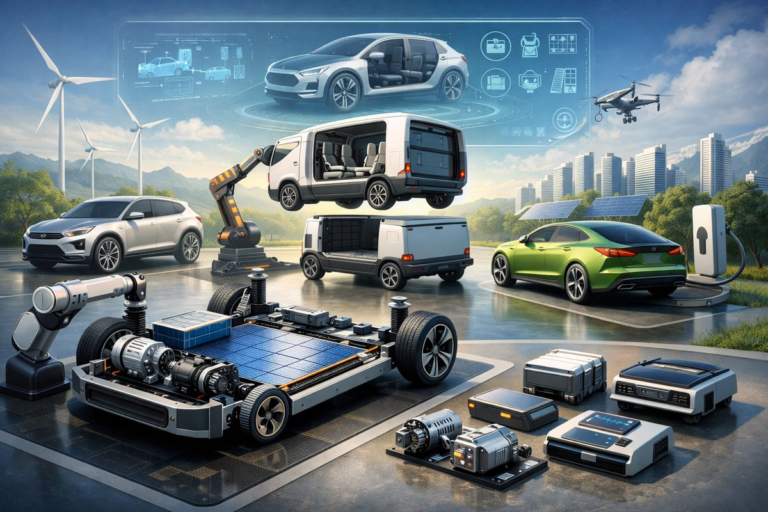
Automakers are also embracing digital twins-virtual replicas of vehicles and components-to predict performance under varying conditions. In manufacturing plants, engineers test digital twins against extreme heat, humidity, and vibration scenarios, refining designs before physical prototypes roll off the line. Later, after cars reach the hands of drivers, updates to the digital twin can reflect each vehicle’s unique usage history. This continuous feedback loop accelerates design improvements and extends the life of parts on the road.
Navigation apps have evolved beyond simple point-A-to-point-B routing. By factoring in live emission levels, road grades, and traffic speeds, eco-routing algorithms steer drivers along paths that minimize energy use-whether gasoline, diesel, or electricity. A recent trial in a congested metro area showed that eco-routes could cut CO₂ output by up to 7 percent per trip, without adding more than a minute or two to journey times. Combined across thousands of daily trips, the carbon savings quickly add up.
Another invisible revolution is over-the-air (OTA) updates, a hallmark of leading electric vehicles that is now migrating to more mainstream brands. Rather than book a service visit for firmware patches, infotainment enhancements, or the occasional fix for a safety recall, owners receive updates overnight via secure cellular or Wi-Fi links. These updates can refine everything from battery-management calibrations to driver-assistance features, improving performance and safety long after the car has left the dealership.
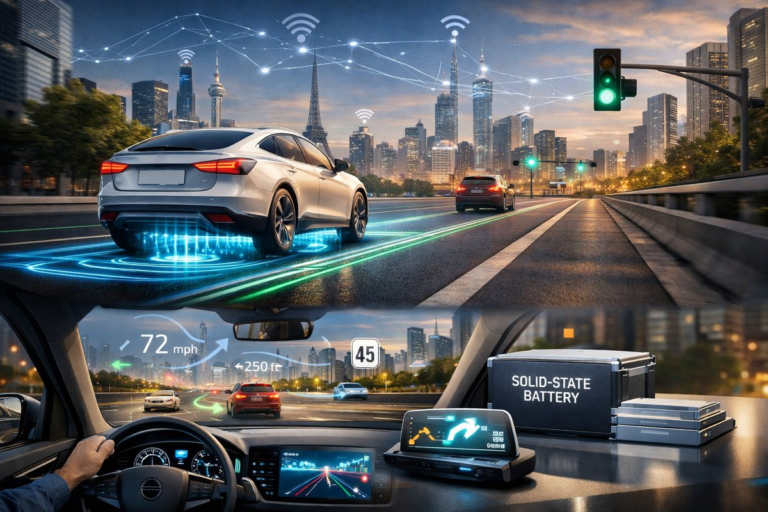
Safety is further boosted by augmented reality (AR) head-up displays (HUDs) that project navigation prompts, speed alerts, and pedestrian warnings onto the windshield. By overlaying graphics onto the driver’s field of view, AR HUDs reduce the need to glance down at center-stack screens, helping maintain focus on the road ahead. Pilots show that AR HUD users maintain a 20-to-30 percent faster response time to potential hazards compared to conventional dashboards.
All these advances depend on robust connectivity. Edge computing nodes at busy intersections preprocess data locally, reducing latency before relaying only critical alerts to central servers. Combined with emerging 5G networks and cellular-V2X (C-V2X) standards, this distributed architecture supports high-speed, low-latency communications-essential for split-second safety interventions and real-time traffic coordination.
In Barcelona, a city renowned for smart-city initiatives, the traffic operations center ingests data not just from vehicles and sensors but from public transport, parking garages, and a network of air-quality monitors. By weaving these threads together, operators can adjust bus lanes on demand, throttle or relax traffic signal phases near schools during arrival times, and even trigger green waves for clean-energy buses. The result is a more resilient, sustainable urban mobility system that adapts to the daily ebb and flow of people and vehicles.
What does this mean for everyday drivers? The next time you plow open a navigation app, you may be guided by algorithms that optimize for energy use, not just speed. Should your engine oil start to degrade, you might receive a text alert advising a preventive service stop. If you encounter a congested corridor, upcoming signals may align to keep you moving. And when your vehicle software gains new features overnight, you won’t have to make a trip to the dealer to unlock them.
Behind the scenes, carmakers, software firms, city planners, and telecom providers are forging partnerships to build this living network of roads and vehicles. Investment in smart-infrastructure projects topped $10 billion globally last year, and analyst forecasts predict the connected-vehicle market will surpass $200 billion by the end of this decade. As these capabilities scale, they promise safer roads, cleaner air, and more reliable journeys for commuters and commercial operators alike.
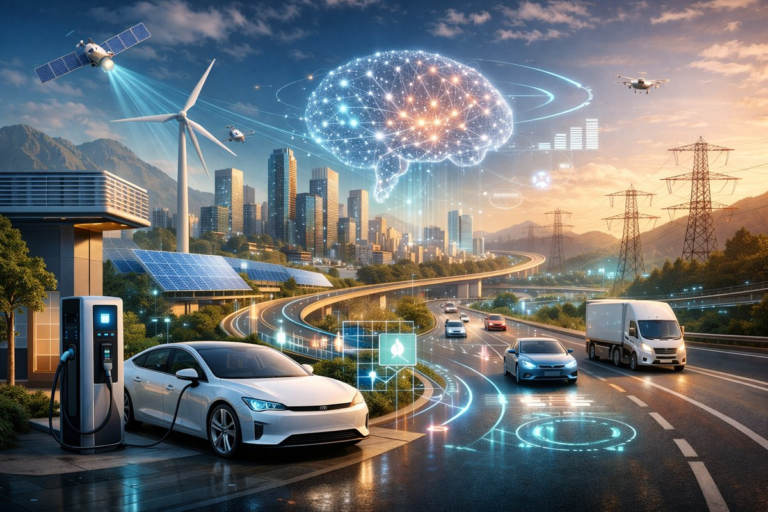
While the hardware under the hood remains crucial, the real differentiator in tomorrow’s mobility ecosystem will be data flowing seamlessly between machines, people, and places. By bringing intelligence to every intersection and insight to every dashboard, the silent revolution in transportation technology is quietly steering us toward a more efficient, sustainable, and predictable driving experience.