Location
Mount Vernon, WA 98274

Location
Mount Vernon, WA 98274
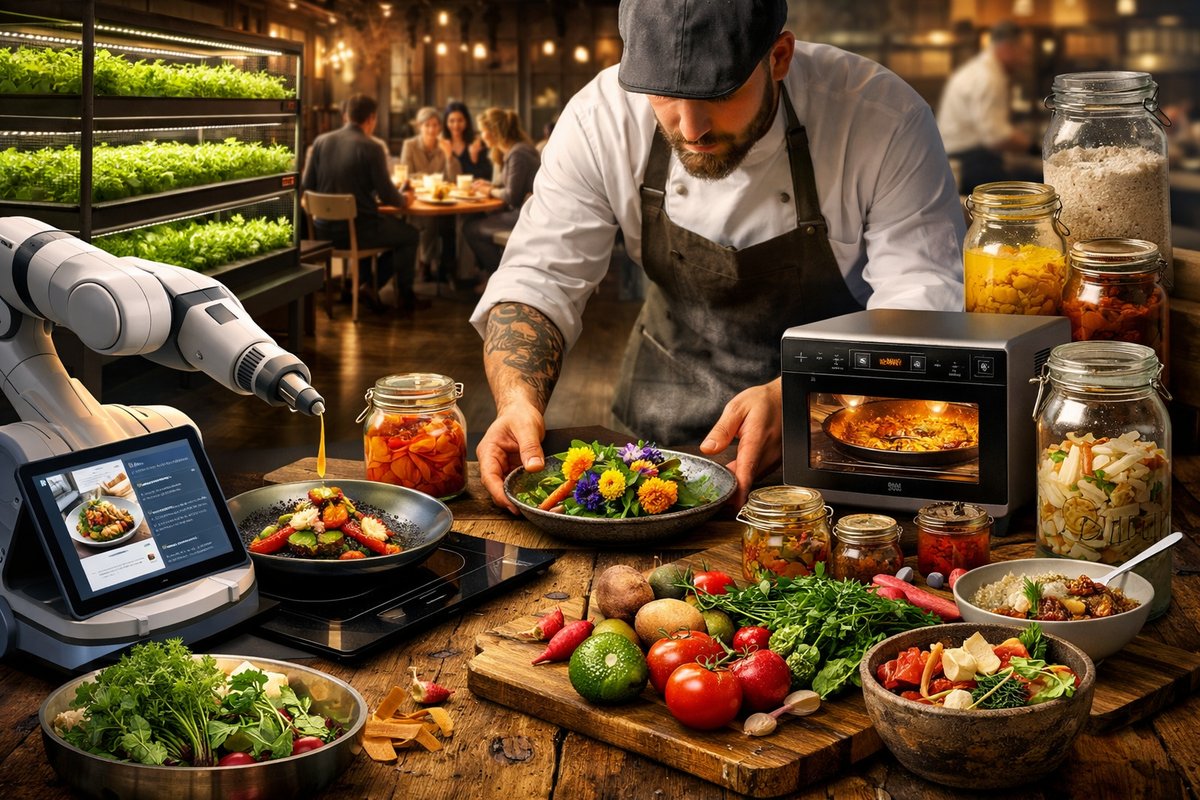
A wave of innovation is redefining how we grow, prepare and experience food-from hyper-local micro-seasonal menus and fermentation revivals to AI-powered cooking and zero-waste philosophies. This article explores the emerging forces reshaping kitchens, dining rooms and community tables around the world.
Across cities and countryside alike, chefs and home cooks are rewriting the rules of flavor, texture and sustainability. What began as a handful of experimental pop-ups has grown into a full-blown movement that touches every stage of the journey from seed to mouth. Today’s culinary news is propelled by micro-seasonality, fermentation revivals, multisensory dining, artificial intelligence in the kitchen and circular food systems. Together, these trends promise to deliver more ethical, engaging and surprising mealtime experiences.
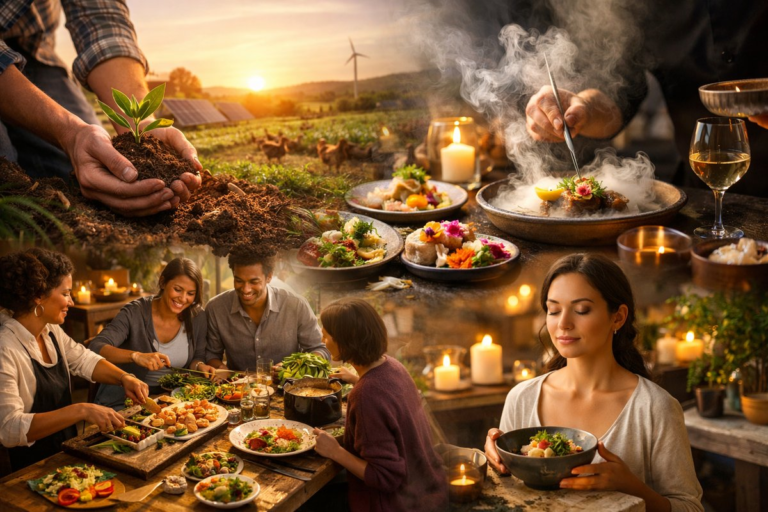
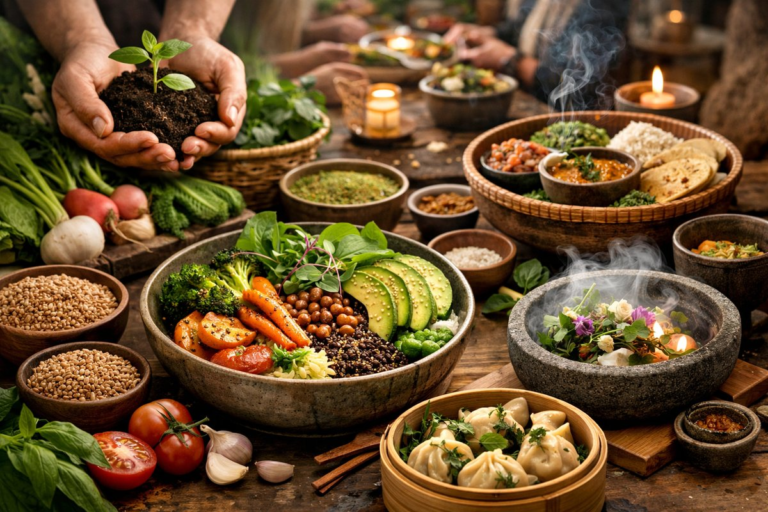
At the heart of this transformation is a renewed focus on micro-seasonality. Instead of relying on broad seasonal categories like spring or fall, forward-thinking restaurants are harvesting ingredients at the precise moment of ripeness. Foraged mushrooms appear alongside microgreens plucked hours earlier. Small farms partner with chefs to deliver daily produce crates, ensuring that menus shift with dew-fresh kale, newly dug sunchokes or wild nettles. Diners accustomed to static menus are now greeted by a living, breathing roster of offerings that change with the weather and the land.
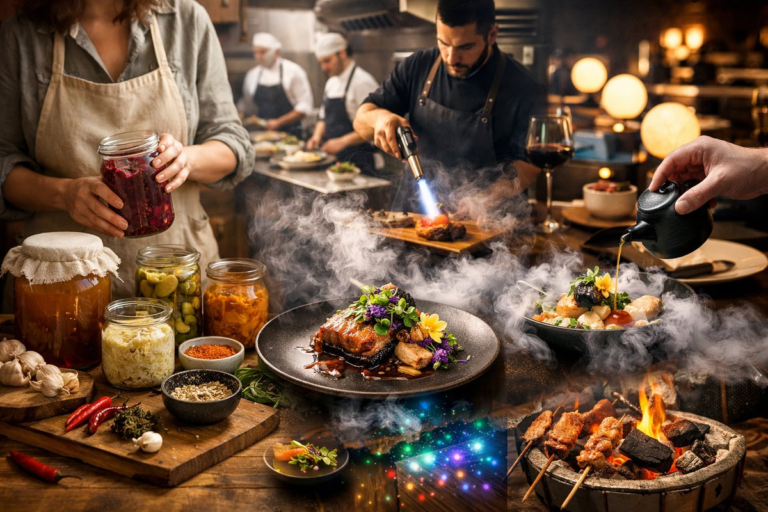
Parallel to the quest for ultimate freshness is the fermentation renaissance. Beyond kimchi and kombucha, fermenters are experimenting with novel cultures drawn from heirloom grains, wild yeasts and backyard gardens. Each jar becomes a petri dish of flavor innovation, yielding tangy soft cheddars, lacto-fermented chili pastes and sparkling vegetable brines. This revival taps into a global fascination with gut health and ancestral preservation, while allowing chefs to craft bespoke condiments, cocktail mixers and charcuterie alternatives that burst with umami.
Multisensory dining experiences are also gaining momentum. Some restaurants have begun pairing soundscapes, aromatic smoke and textured surfaces to engage all five senses. One immersive pop-up invited guests to sample coffee-infused panna cotta while listening live to the sound of morning rain and touching smooth river stones. Such theatrical presentations transform a simple bite into a synesthetic journey, sparking conversation about memory, place and the boundaries of the palate.
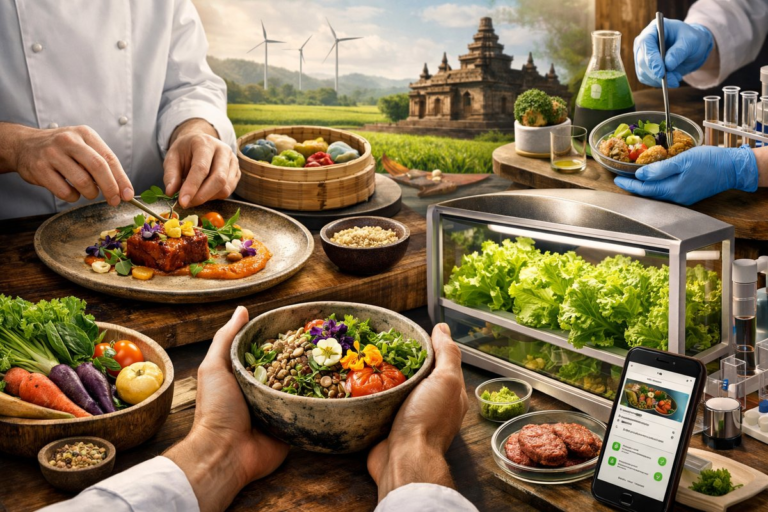
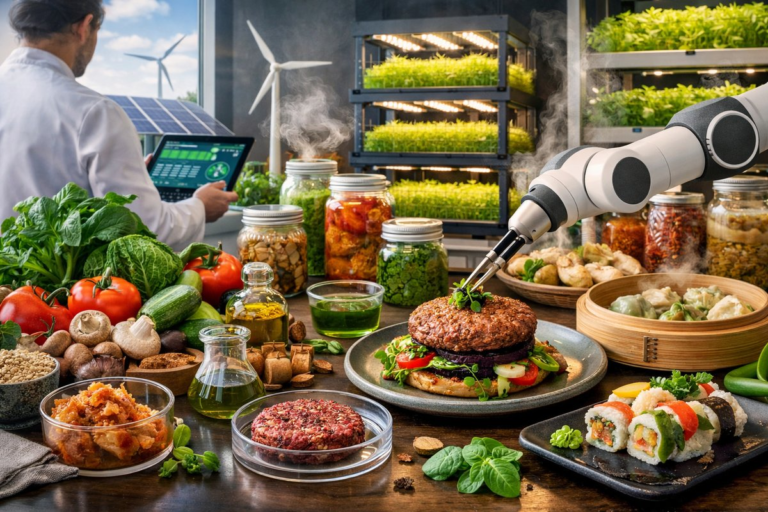
Technology, too, is redefining sous-chef duties. Artificial intelligence platforms can now analyze personal dietary needs, suggest recipe modifications and monitor cooking in real time. Professional kitchens deploy robotic arms for repetitive tasks like garnishing or plating. In home settings, precision cooking tools such as immersion circulators enable even novice cooks to achieve restaurant-quality results, while smart kitchen scales and connected thermometers guide them through complex techniques step by step.
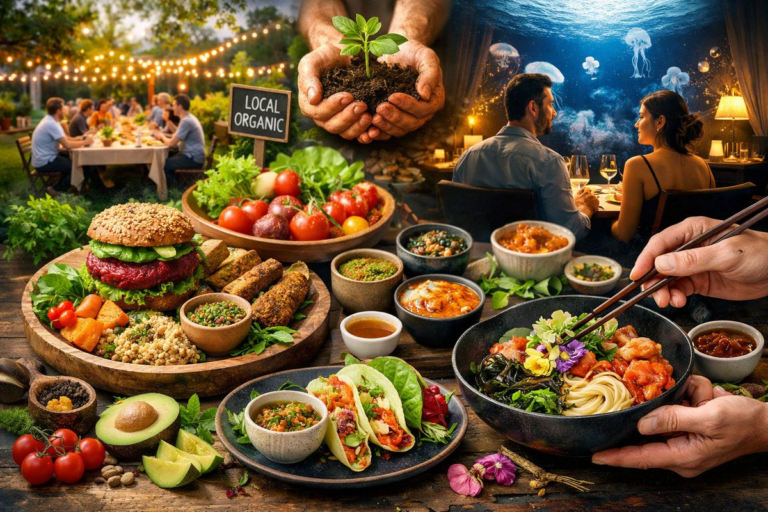
These high-tech innovations coexist with grassroots efforts to honor diaspora cuisines. Younger generations are reconnecting with ancestral recipes passed down by grandparents, while also remixing them with global influences. Street stalls serve jackfruit birria tacos, black-garlic daikon pickles accompany West African stews, and chai spiced doughnuts nod to Indian tea culture. Each mashup tells a story of migration, adaptation and the creative spark that emerges when traditions meet new ingredients.
Sustainability lies at the core of many of these movements. Waste reduction is no longer a fringe ideal but an operational imperative for hotels, restaurants and catering services. Chefs salvage broccoli stalks for creamy veloutés, roast coffee grounds in sweet pastries and partner with composting programs to close the loop on food scraps. At home, a growing number of households are experimenting with countertop compost bins and reusable food wraps instead of single-use plastics, minimizing landfill contributions and producing rich soil for window box gardens.
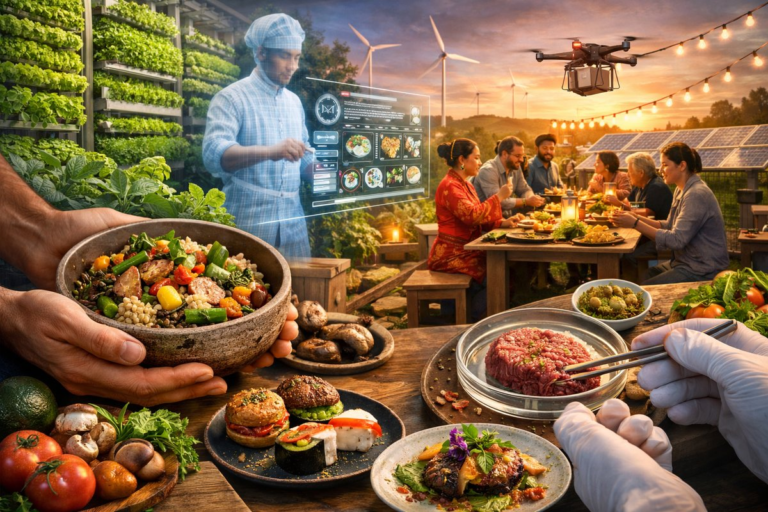
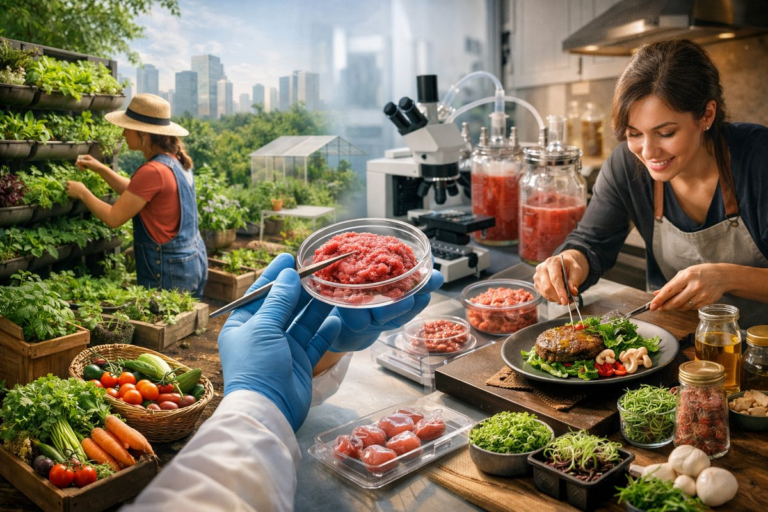
Urban agriculture is also entering the mainstream. Indoor hydroponic systems and vertical farms are turning unused rooftops and basements into verdant patches of lettuce, basil and edible flowers. These modular gardens use LED lighting and precisely metered nutrients to coax rapid growth-sometimes doubling the yield of conventional plots. For city dwellers without backyard space, kits for growing microherbs on a windowsill are becoming as common as houseplants.
While much of this innovation happens behind the scenes, consumers are increasingly seeking tools to bring these trends home. Fermentation jar kits and kombucha brewing supplies let enthusiasts create probiotic sodas in their kitchens. High-speed blenders churn nutrient-dense smoothies and emulsify plant-based creams. Reusable beeswax wraps replace cling film, and stainless steel fermentation vessels substitute for bulky plastic containers. Even small tweaks to pantry and countertop gear can elevate daily cooking into a mindful, creative practice.
Beyond gear and gadgets, digital communities fuel the momentum. Recipe-sharing platforms weave together professional chefs, food bloggers and home cooks, breaking down the barrier between commercial gastronomy and domestic tables. Live-streamed cooking classes enable global audiences to practice knife skills and fermentation charts in real time, while social apps connect neighborhood barter networks for excess harvests and pantry surplus.
As these trends converge, they also raise critical questions. Who owns ancestral recipes when they’re remixed and commercialized? How do we ensure that technology doesn’t erase small-scale farmers’ livelihoods? Will the push for perfection in flavor lead to the homogenization of taste? Chefs, policymakers and community organizers are grappling with these challenges, advocating for fair sourcing, intellectual property guidelines and transparent supply chains.
Innovation in the kitchen often spills into broader cultural shifts. Community dinners and potlucks are being reimagined as collaborative exchanges where participants share not just food but stories, seeds and digital recipe files. Mobile kitchens and temporary food halls bring together plant-based pioneers, smokehouse artisans and fermenters under one tent, creating a festival atmosphere that celebrates diversity and ingenuity.
Looking ahead, the kitchen of tomorrow may blend biotechnology and tradition. Lab-grown proteins stand alongside heritage pork, while flavor-printing technology replicates the aroma profile of rare truffles. Meanwhile, the growing focus on equity and access ensures that fresh produce and culinary education reach underserved neighborhoods. Whether in a white-tablecloth dining room or a modest community center, the future of food promises to be as democratic as it is delicious.
In this ever-evolving landscape, one thing remains constant: our shared appetite for connection. Whether breaking bread with strangers around a communal table or sharing fermentation tips online, we continue to find meaning and joy in the act of eating. By honoring both innovation and tradition, we can craft meals that nourish our bodies, delight our senses and strengthen the bonds that unite us.