Location
Mount Vernon, WA 98274

Location
Mount Vernon, WA 98274
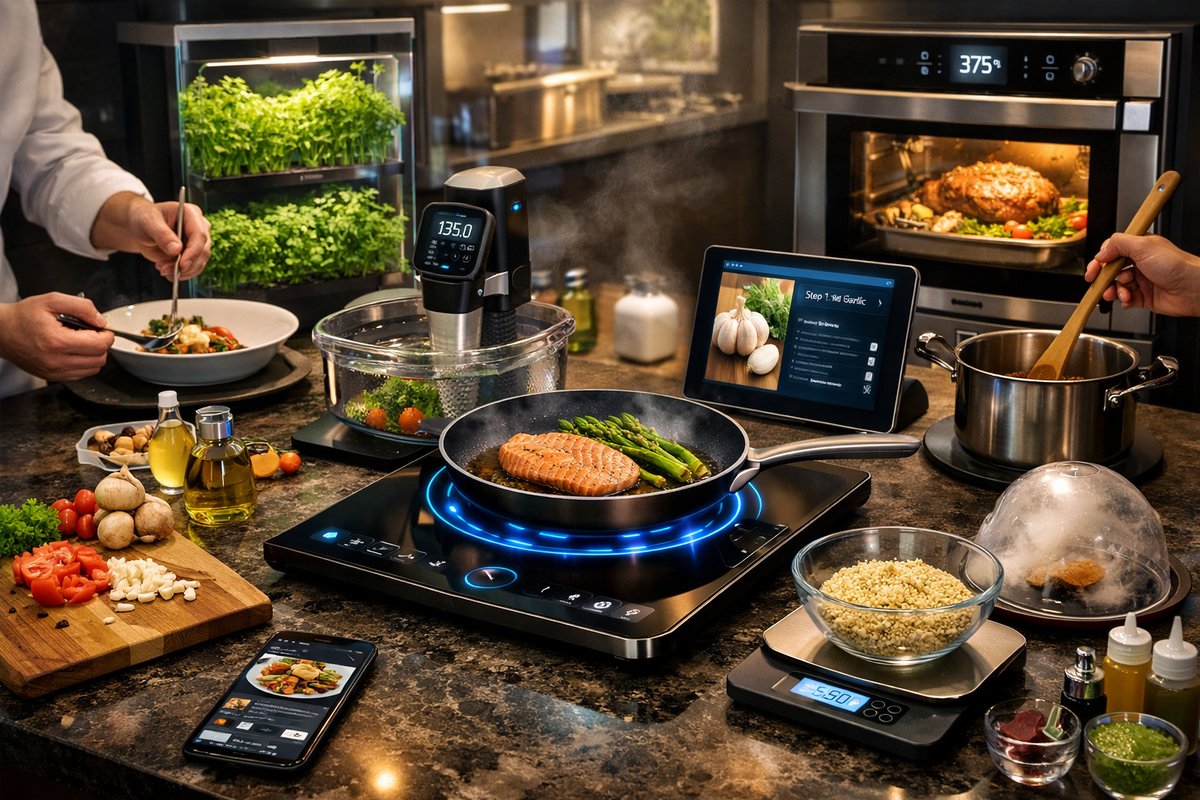
A wave of new kitchen innovations-from sensor-driven induction hobs to AI-powered recipe guides-is reshaping home cooking into a high-tech adventure. Chefs, foodies, and everyday cooks are experimenting with tools that offer precision, sustainability, and creativity like never before.
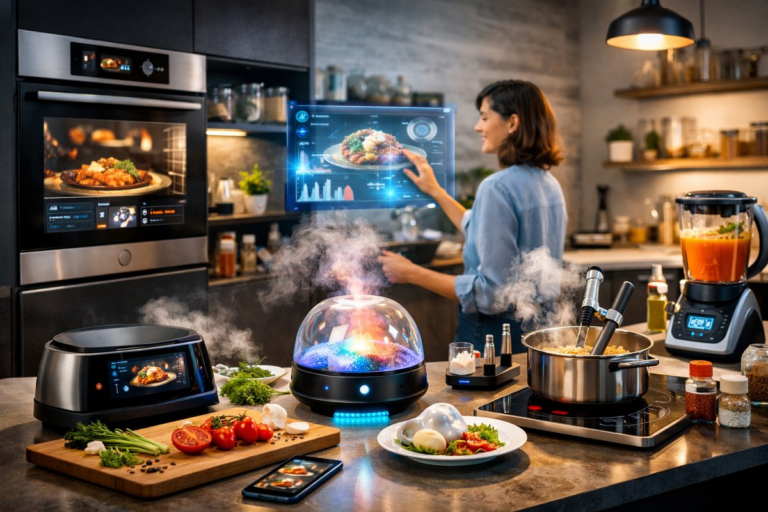
Home kitchens are undergoing a transformation once reserved for high-end test labs. What began with programmable multicookers and smart refrigerators has expanded into an ecosystem of devices that blend sensors, connectivity, and artificial intelligence. These tools promise greater precision, reduce food waste, and invite cooks of all skill levels to explore flavors in fresh ways. In this fast-moving landscape, every gadget and platform stakes a claim on curiosity and convenience.
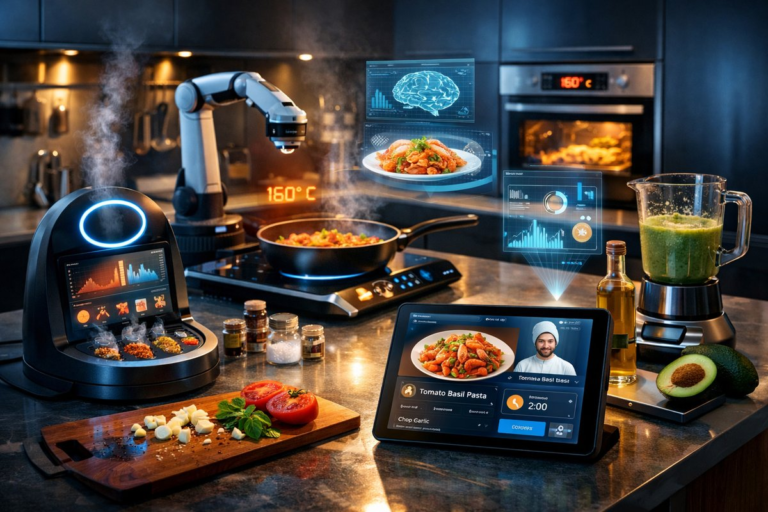
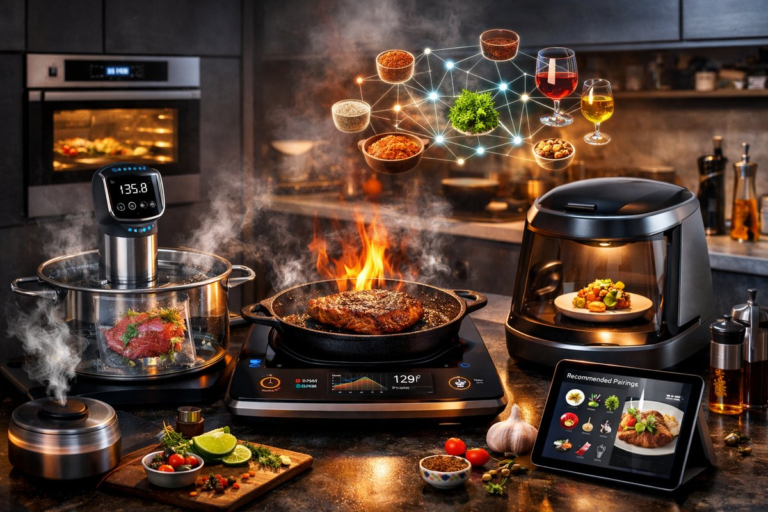
At the heart of this revolution lies induction cooking. Unlike traditional gas or electric coils, induction hobs use electromagnetic fields to heat cookware directly. Recently, manufacturers have introduced modular induction zones that automatically adjust heat across multiple pans. These zones communicate wirelessly to redistribute power when you shift a saucepan or add a third simmering pot. The result is seamless multitasking on a single countertop stove, with temperature sensors updating every second to maintain consistent results.
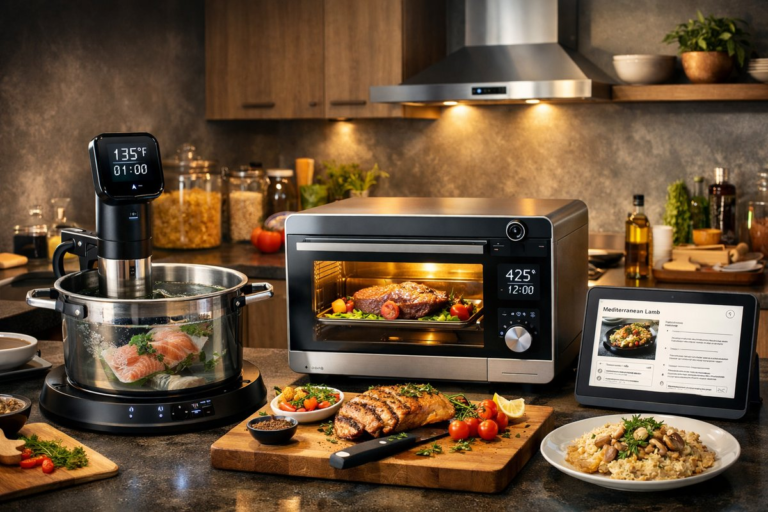
Meanwhile, smart countertop ovens have leaped forward. Embedded cameras scan the food inside and match it to an evolving database of ingredients. If you slide in a tray of seasoned vegetables, the oven’s AI recognizes them, suggests a crisp-roast setting, and sends a notification when it’s time to flip. Some models even adjust fan speed and humidity to lock in moisture for bread baking. Home bakers report near-professional loaf textures without hours of monitoring.
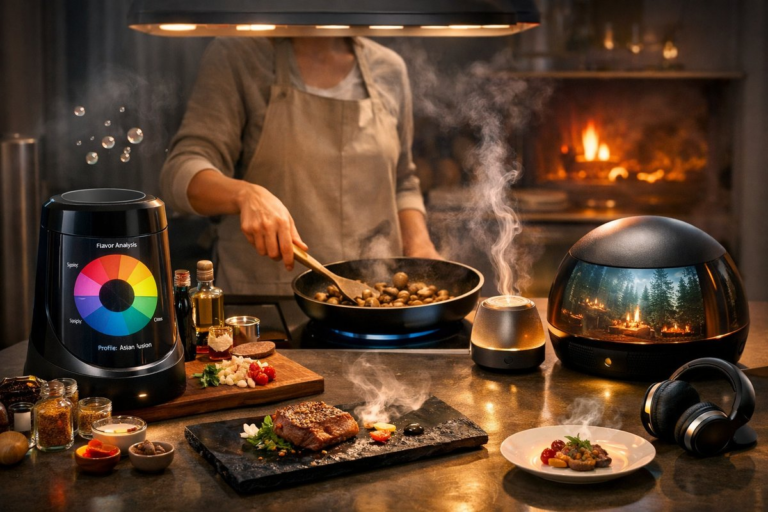
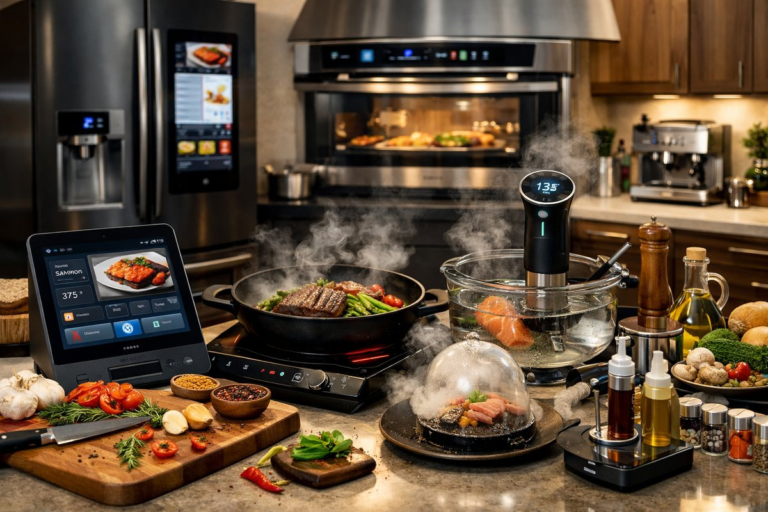
Guided cooking apps have matured alongside hardware. Instead of following static recipes, users engage with platforms that analyze pantry items via barcode scanning or photo recognition. An app might detect half an onion, a few cherry tomatoes, and leftover rice, then propose a fusion fried-rice recipe with step-by-step voice prompts. As algorithms learn from ratings and user feedback, they refine seasoning suggestions-offering a pinch more spice or a dash of lemon zest based on crowd-sourced taste profiles.
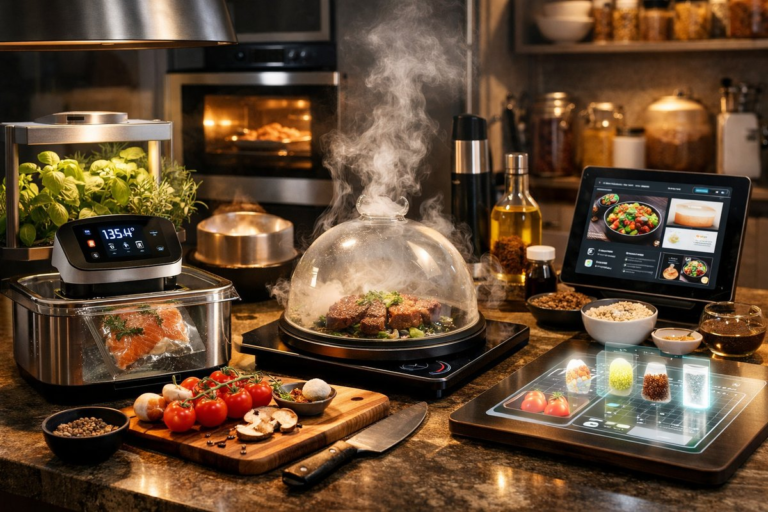
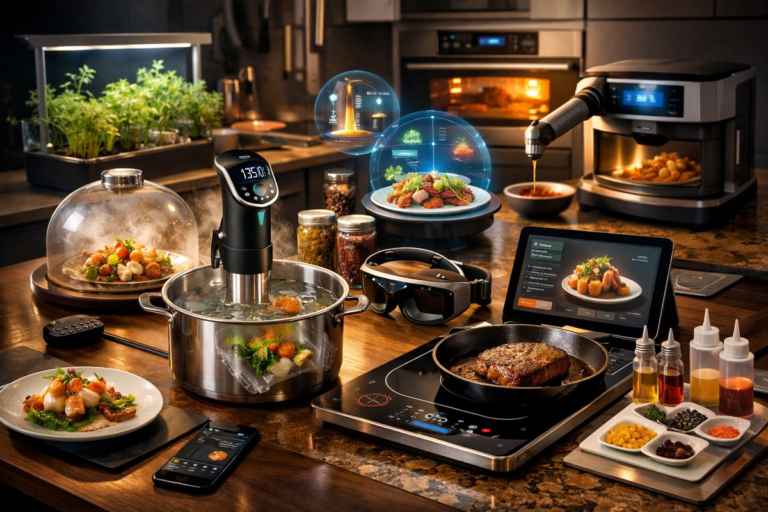
Sous-vide immersion circulators have also become more accessible. Once expensive tools for restaurant chefs, these compact modules clip onto a pot, heat water to a precise temperature, and circulate it around a vacuum-sealed pouch. The result: eggs at exact yolk firmness, salmon filets that flake apart but never overcook, and steak edges caramelized by a quick sear after hours in a water bath. Bluetooth connectivity lets you monitor temperatures from another room, freeing hands for other tasks.
Additive manufacturing-or 3D food printing-is emerging from research labs into niche home setups. Early adopters are experimenting with chocolate filigree and cookie-decorating templates, feeding the printer purees that extrude through food-safe nozzles. While still a novelty, these printers hint at a future where custom-shaped gnocchi or personalized confectionery designs roll off a desktop device. Artists and educators are also exploring vegetable- and fruit-based formulations to create shapes not possible by hand.
Sustainability is an equally strong current. Smart compost bins equipped with odor-neutralizing filters and humidity sensors encourage food-scrap recycling. Home chefs can track decomposition rates via a companion app that monitors temperature, moisture, and microbial activity. The data stream helps users learn which scraps break down fastest and when to stir or adjust airflow for optimal compost production.
Kitchen gardens are moving indoors with compact hydroponic towers and sensor-controlled LED lighting. Fresh basil, mint, and microgreens grow year-round on kitchen islands, monitored by moisture probes that trigger water pumps when levels dip. Some systems even integrate with virtual assistants, sending reminders when it’s time to harvest or suggesting midweek pesto recipes to use the yield. Fresh-cut herbs enhance flavor without the waste of packaged bunches.
Despite the promise, the proliferation of connected appliances brings challenges. Data privacy emerges as a concern when ovens upload cooking logs or scales share weight readings. Manufacturers emphasize encrypted protocols and local data processing, but some users hesitate to grant access. Interoperability is another hurdle: not all brands conform to the same smart-home standards, so users may juggle multiple apps and voice platforms rather than controlling everything from one dashboard.
Cost remains a barrier for some. While entry-level smart scales and induction burners are relatively affordable, AI-driven ovens and 3D food printers carry premium price tags. Subscription fees for recipe databases and firmware upgrades add recurring expenses. Yet many early testers view the investment as worthwhile: they cite saved time, reduced food waste, and the thrill of experimenting with new techniques.
Professional kitchens are taking note, too. Test kitchens are installing sensor-laden worktops that track ingredient usage and temperature changes, feeding anonymized data into analytics engines. The insights help chefs tweak workflows, optimize ingredient ordering, and even forecast menu trends based on seasonal shifts. These commercial tools often filter down into consumer products within a couple of years, ensuring home cooks benefit from industry-grade developments.
Looking ahead, augmented-reality cooking glasses may guide users through complex plating techniques, projecting visual overlays directly onto cutting boards. Biometric sensors embedded in utensils could measure muscle fatigue during kneading or stirring, suggesting breaks and improving ergonomic design. Meanwhile, advances in lab-grown ingredients and bio-printing point toward fully customizable flavor capsules and protein shapes tailored to individual dietary needs.
For adventurous home chefs and curious food lovers, the kitchens of tomorrow blend high-tech precision with culinary creativity. Whether you’re searing steak with sous-vide accuracy, cultivating herbs on your countertop, or letting an AI-driven oven suggest your next recipe, these tools redefine what it means to engage with food. As hardware, software, and sustainability converge, every meal becomes an opportunity to experiment, learn, and savor the intersection of tradition and innovation.
Innovation in kitchen technology is no longer reserved for professionals. By embracing new tools and mindful practices, home cooks can discover flavor adventures that were once unimaginable. The next time you hear a gentle hum from a smart sous-vide machine or see an app recommend a flavor pairing you’d never considered, take a moment to appreciate how seamlessly technology is weaving into the ritual of cooking-and how it might spark your next delicious discovery.