Location
Mount Vernon, WA 98274

Location
Mount Vernon, WA 98274
Across continents and cultures, a growing wave of explorers is redefining the meaning of travel by weaving sustainability, community engagement, and personal transformation into every itinerary. From volunteering in tropical reforestation projects to immersive culinary collaborations with local artisans, modern travelers are charting paths that leave a positive legacy.
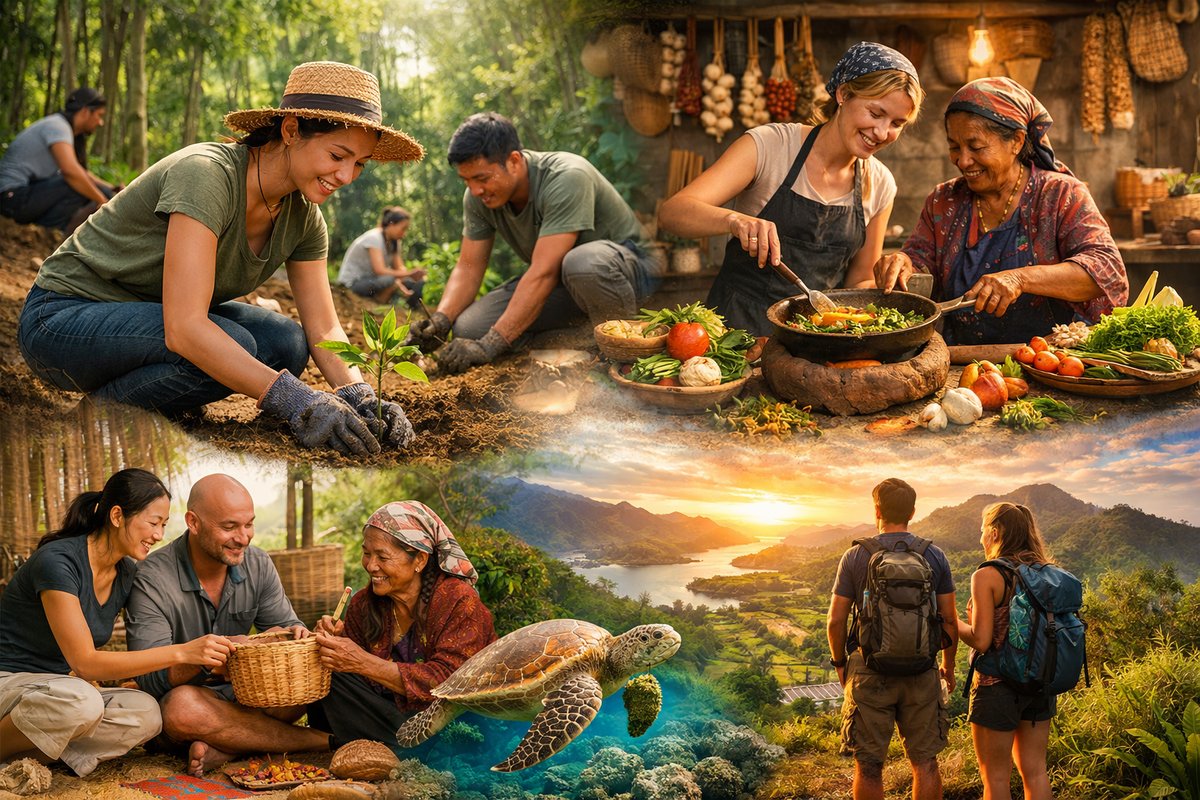
At a small coastal village on the edge of Costa Rica’s Osa Peninsula, a group of recent college graduates spends early mornings planting native tree saplings amid winding mangrove channels. They are part of a grassroots initiative that blends conservation, cultural exchange, and hands-on learning: a microcosm of a larger movement reshaping tourism around the globe. No longer content to tick off landmarks in photographic sweeps, today’s voyagers seek journeys that nourish ecosystems, strengthen communities, and foster genuine cross-cultural bonds.
According to a survey by a leading travel research firm, more than 65 percent of global travelers now prioritize eco-friendly experiences and social impact when planning trips. This shift reflects deeper desires: to connect with local people beyond the hotel lobby, to leave destinations healthier than they were found, and to return home with not just souvenirs but stories that spark long-term change.
In southern Italy’s Puglia region, a different brand of purposeful travel is taking root. Small groups of food enthusiasts spend afternoons learning age-old techniques for hand-rolling orecchiette, harvesting organic olives alongside family-run groves, and fermenting vegetables with neighborhood elders. These pop-up culinary residencies not only support farmers and artisans directly but revive traditions that risk fading under mass tourism. Participants report that preparing and sharing a home-cooked meal with complete strangers creates bonds as powerful as any guided city tour.
Meanwhile, in New Zealand’s South Island, regenerative farm stays are earning praise for offsetting carbon footprints and restoring native habitats. Travelers arrive eager to help with fence building, predator trapping, or endangered bird translocations. By living alongside hosts in off-grid lodges powered by solar panels and using composting toilets, visitors see firsthand how low-impact living can still feel luxurious. Many return home inspired to retrofit their own households with renewable energy solutions and to advocate for conservation in their communities.
The digital realm has opened fresh avenues for community-rooted exploration, too. A network of remote work retreats now offers travelers the chance to join co-working pods in rural villages or former industrial towns. In one Portuguese village, exurban properties have been converted into shared office spaces, and incoming digital nomads volunteer to teach English, support local craft cooperatives, or rehabilitate neglected heritage sites. The result is a symbiotic partnership: residents gain new income streams and language skills, while guests experience authentic life in a place seldom visited by mainstream tourism.
Though each of these adventures looks different on the map, they share a common thread: purposeful travel demands intentional planning and mindful consumption. It starts with vetting local operators who channel at least a portion of proceeds back into community projects. Many travelers now study annual impact reports or request direct introductions to program beneficiaries. They arrive with reusable water gear, leave single-use plastics behind, and pack lightweight solar chargers to minimize reliance on fossil-fuel-powered grids.
A seasoned itinerant might begin a trip armed with a detailed impact checklist: Does this homestay source produce within a 20-mile radius? Are community elders invited to co-design the experience? Will guest contributions cover a measurable percentage of local school improvements or reforestation efforts? While such scrutiny adds complexity to trip planning, it transforms every booking into a small act of global stewardship.
Travel experts warn that purpose-driven journeys are not immune to pitfalls. Token volunteer placements, superficial “photo-op” cultural activities, and exploitative labor practices can masquerade as authentic immersion. That’s why savvy travelers conduct due diligence: reading independent reviews, seeking stories from past participants, and verifying that hosts comply with fair-wage standards. Peer-to-peer platforms that require transparent financial disclosures are emerging as trusted intermediaries in this space.
Amidst these deeper adventures, the traditional guidebook still has a role-but it’s evolving. Instead of the standard listings for hotels and restaurants, the latest editions of progressive travel guides curate community revenue-share programs, eco-lodge certification criteria, and regional associations devoted to ethical tourism. They spotlight grassroots festivals celebrating local crafts and list small-batch cooperatives where visitors can help produce artisanal textiles, ceramics, or fermented goods. In one recent publication, a chapter devoted solely to “Travel as Service” outlines five model partnerships between travelers and indigenous land trusts.
The ripple effects of purpose-driven travel extend far beyond the itinerary. Host communities often receive much-needed infrastructure investments, from improved water sanitation to renewable micro-grids. Guests carry home fresh perspectives and socially conscious habits-like investing in local housing projects or volunteering with urban gardening collectives. Over time, these individual decisions accumulate into a tectonic shift in how destinations perceive tourism: not as a money-driven extractive industry but as a platform for mutual enrichment.
For families seeking a weekend escape with deeper roots, eco-campgrounds near urban centers offer a balanced blend of convenience and conscientious engagement. Weekend workshops on sustainable beekeeping or native plant restoration give city dwellers a hands-on way to connect with regional ecosystems. Meanwhile, teen travelers can join youth exchange programs that integrate service learning with adventure sports like kayaking or mountain biking-building teamwork skills while contributing to trail maintenance or shoreline cleanups.
As the lines blur between leisure, learning, and service, travel becomes a canvas for personal growth. Solo travelers often recount moments of quiet revelation while meditating in a volunteer-built forest retreat. Couples rediscover shared purpose when they collaborate on community garden initiatives in the foothills of the Andes. Even seasoned globetrotters say that these immersive experiences outshine any luxury cruise or guided palace tour.
But purpose-driven travel isn’t reserved for major expeditions or exotic locales. It can unfold on a micro scale-exploring marginalized neighborhoods in one’s own city, supporting local cooperatives at weekend marketplaces, or joining citizen science projects that monitor urban air quality. In every case, the fundamental principle holds: intentional choice can transform an ordinary outing into a catalyst for positive change.
As more travelers demand authenticity, transparency, and impact, the tourism industry is adapting. Airlines trial sustainable aviation fuels on select routes. Cruise lines invest in wastewater treatment upgrades. Hotel chains pledge to eliminate single-use plastics and divert food waste. While such corporate initiatives can feel incremental, they gain momentum when consumers vote with their wallets for operators who embrace accountability.
Travelers who align planned adventures with personal values often describe the resulting trips as “five senses awakened.” They taste flavors grown blocks away from the dining table, hear oral histories echoing across mountain valleys, feel the warmth of a community that welcomes them by name. These are the journeys that linger in memory long after the suitcase is unpacked-and the ones that ripple outward, inspiring friends and family to reimagine travel as a force for good.
In an era when every decision counts, purposeful travel offers a path forward. By choosing experiences that honor ecosystems, empower communities, and foster genuine human connection, today’s explorers are proving that travel doesn’t have to cost the planet or erode local cultures. Instead, every trip can become a chance to plant seeds of resilience, harvest shared meaning, and return home forever changed.
And so, whether you’re charting a bucket-list trek through remote highlands or planning a weekend service-learning stay in your own backyard, ask yourself: What legacy will my journey leave behind?