Location
Mount Vernon, WA 98274

Location
Mount Vernon, WA 98274
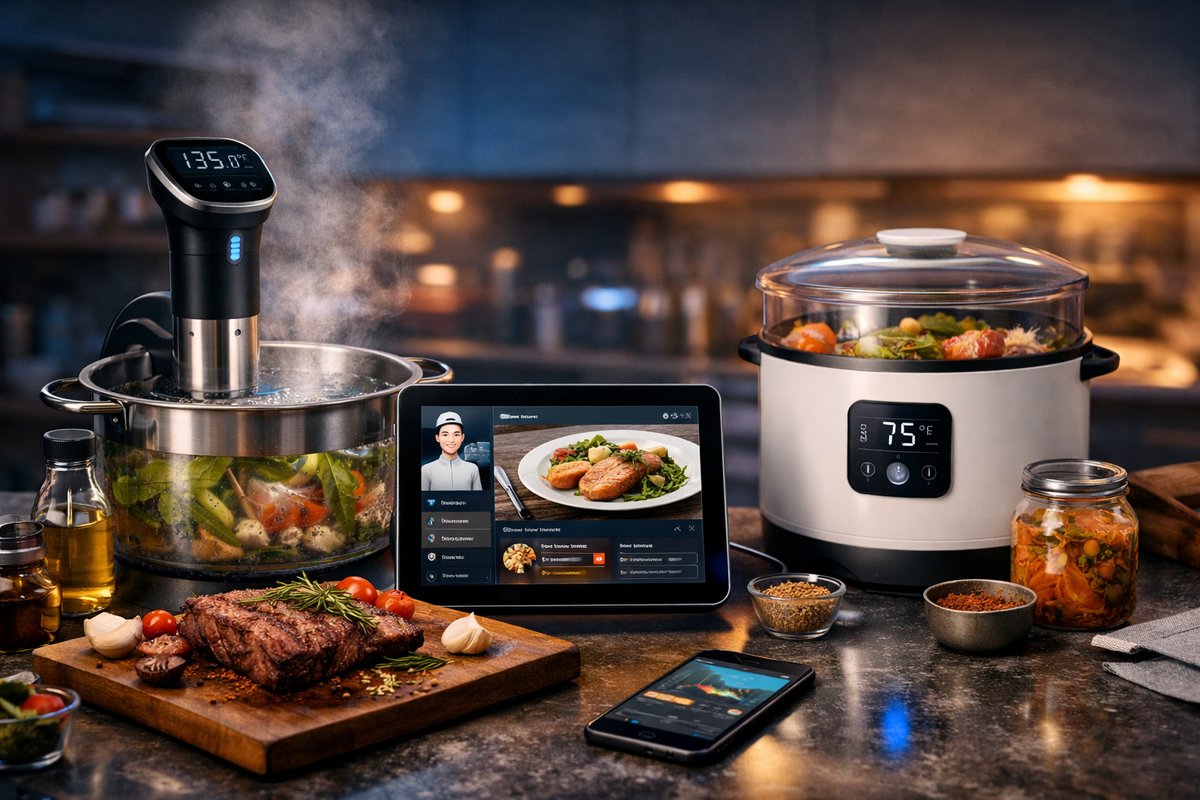
From precision immersion circulators to AI-driven recipe advisors and connected fermentation crocks, a wave of kitchen gadgets is turning everyday meal prep into a high-tech adventure. Explore how recent innovations are blending culinary art with digital intelligence to unlock new layers of flavor and creativity.
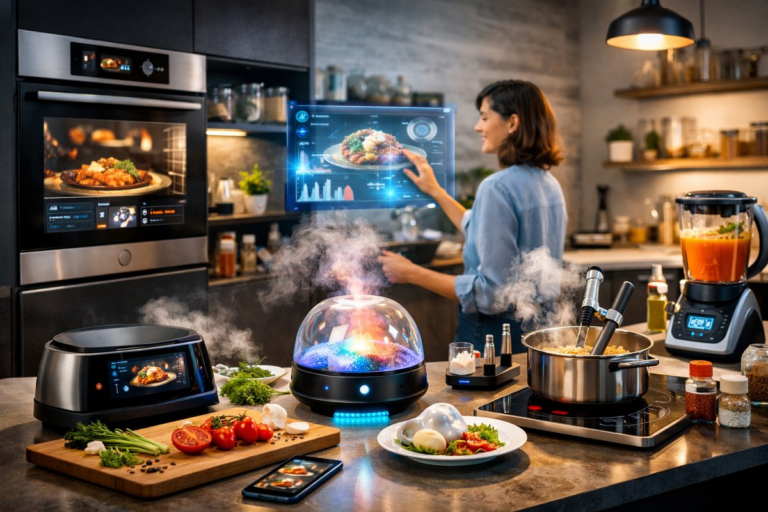
In a world where every kitchen countertop can become a command center, the latest crop of cooking tools is rewriting the recipe for home dining. At recent culinary expos and tech showcases, startups and design studios pulled back the curtain on appliances that promise not just convenience, but a deeper kind of engagement with food. Imagine a countertop that learns your flavor preferences over time, an oven that adapts its heat to the moisture content of your roast, or a fermentation crock that sends you a notification the moment your kimchi reaches ideal tang. These innovations are more than mere gizmos-they are portals into new culinary rituals that marry curiosity and control, inviting cooks of all skill levels to become flavor explorers without leaving home.
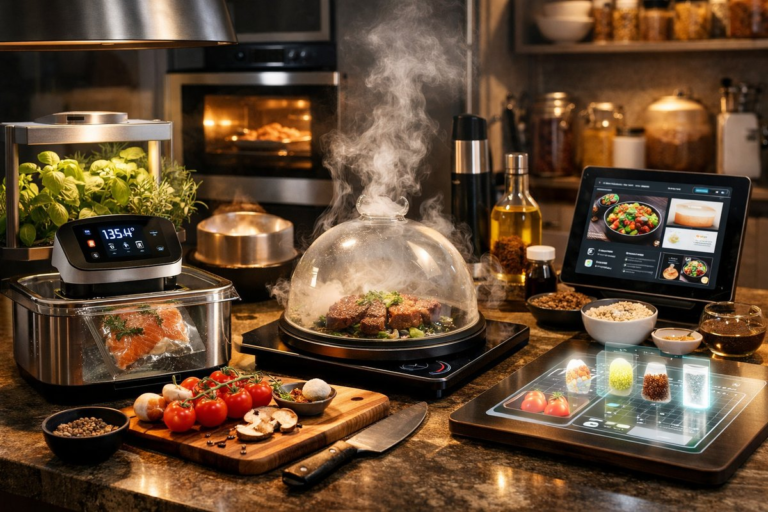
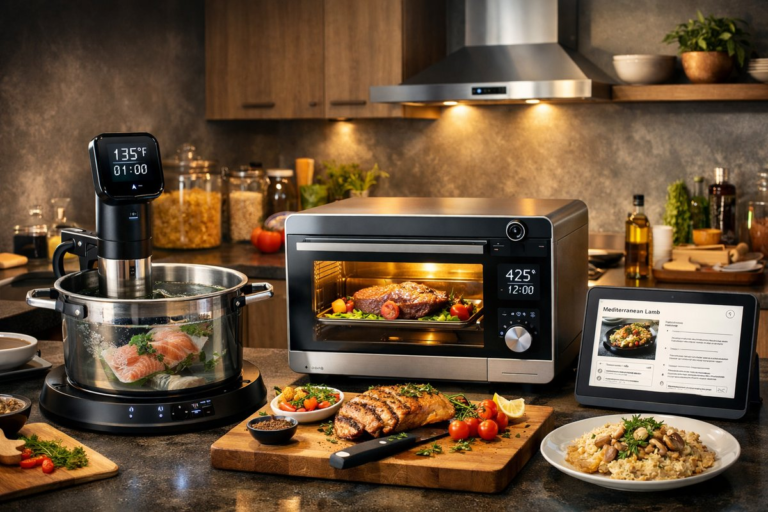
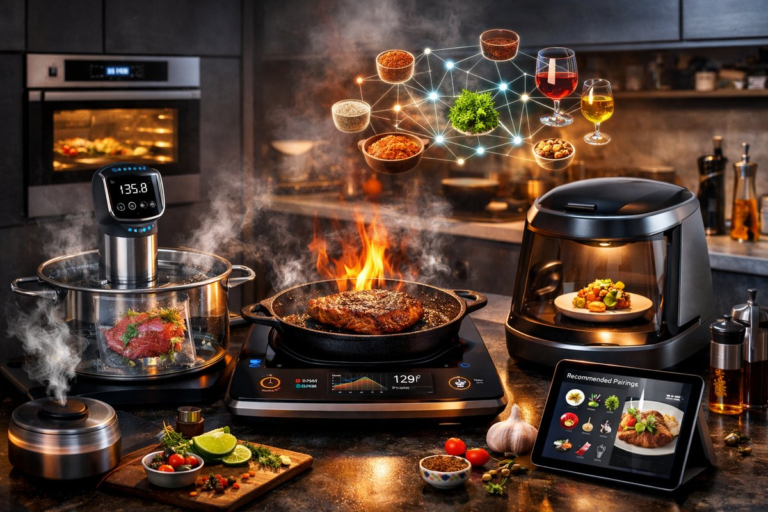
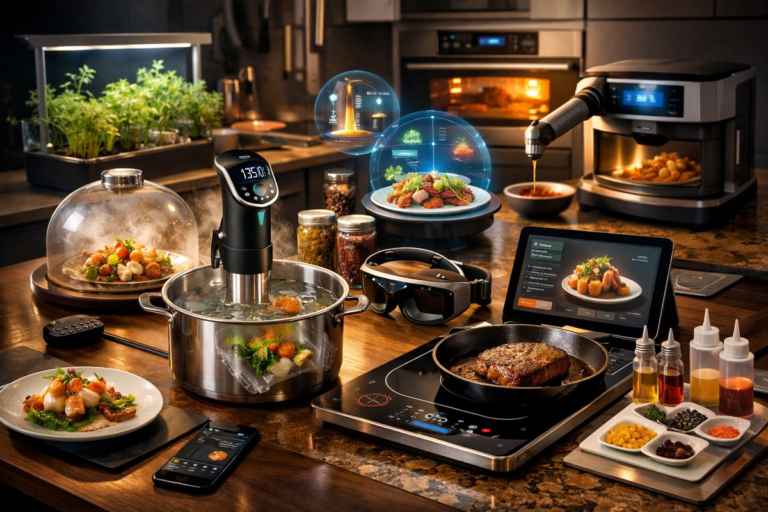
Precision cooking has long been championed by professional kitchens, but immersion circulators and thermal water baths have recently slipped into domestic life with unprecedented ease. By regulating water temperature to within fractions of a degree, these devices transform the humble chicken breast and steak into tender masterpieces usually reserved for upscale restaurants. Makers at recent industry gatherings demonstrated low-profile units that clip onto a stockpot or fit into a multipurpose container, complete with waterproof touchscreens and companion apps. Beyond meat and fish, home cooks are experimenting with sous vide desserts-custards with unbroken textures and fruits that burst with concentrated sweetness. When combined with quick-sear pans or handheld blowtorches, the results evoke a fine-dining finish with minimal guesswork.
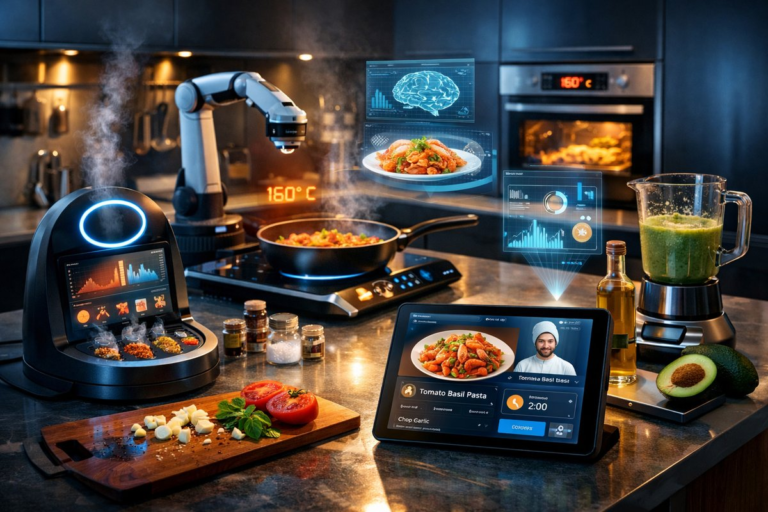
Meanwhile, digital recipe platforms are graduating from static screen displays to interactive, voice-activated assistants. In many modern kitchens, a cook can ask a countertop console to adjust a simmer, read out the next step of a recipe, or suggest ingredient substitutions based on what’s left in your smart pantry. Machine learning algorithms analyze your cooking history-favorite spices, preferred doneness levels, dietary restrictions-and propose personalized recipe paths that evolve over weeks of use. Some systems even incorporate image recognition: snap a photo of a veggie medley, and the assistant will estimate weight, caloric content, and a range of compatible cuisines. It’s like having a culinary coach that scales its advice to your tastes and skills, nudging you toward bolder experiments without leaving you adrift.
Heat control itself is going through a renaissance. Modular induction cooktops now offer multiple, independently regulated zones that slide along a magnetic rail, letting you resize each cooking surface on the fly. Sensors embedded beneath the glass surface track pan size and composition, dynamically matching frequency output to ensure uniform warming. If you reposition a saucepot or swap in a griddle plate mid-cooking, the system recalibrates in real time, preventing hot spots and burnt edges. Add integrated haptic feedback on control knobs and LED indicators that glow in sync with temperature changes, and you have a cooking station that feels both futuristic and intuitive. These units draw less energy than traditional electric coils, and quick-release controls make cleanup as simple as wiping a touchscreen.
Fermentation-the ancient alchemy of turning raw ingredients into tangy, probiotic-rich staples-has also been revived by smart technology. Connected fermentation crocks come equipped with ambient-temperature sensors, humidity trackers, and optional active cooling modules. Through a smartphone interface, you can monitor pH levels, track fermentation curves over days, and receive alerts when your sauerkraut, kombucha, or yogurt has reached optimal acidity. Some models integrate ultraviolet light cycles to suppress unwanted molds, while others offer interchangeable lids that double as yogurt strainers or kimchi presses. The result is consistent, repeatable batches that preserve regional recipes with scientific precision.
In the realm of robotics, countertop helpers are gradually moving from niche novelty into practical partners. Automated chopping stations employ vision systems to identify vegetables and fruits, then feed them into rotating blades set at adjustable thicknesses. A single unit can dice onions without tears, slice apples into uniform wedges, and even julienne carrots for stir-fries. Beyond cutting, some prototypes handle kneading and dough-shaping, allowing home bakers to experiment with fresh pasta or artisan breads without hours of arm fatigue. While fully autonomous meal bots are still on the horizon, these devices are already carving out a space between stand mixers and food processors, freeing hands for plating and garnishing while upstream preparation runs smoothly.
Amid all this digital wizardry, designers have not lost sight of sustainability. Many new gadgets favor recyclable materials-glass-reinforced nylon for water-bath cases, silicone seals without harmful additives, or anodized ceramic coatings over PTFE alternatives. Energy-efficient motors and low-power standby modes ensure that a smart kitchen station doesn’t become a phantom energy drain. Some companies are even exploring carbon-offset programs tied to device use: when your fermentation crock stabilizes at a cool temperature with minimal power, it logs the saved energy in a community ledger. These features cater to eco-conscious cooks who want their high-tech playthings to align with broader goals of reducing waste and greenhouse emissions.
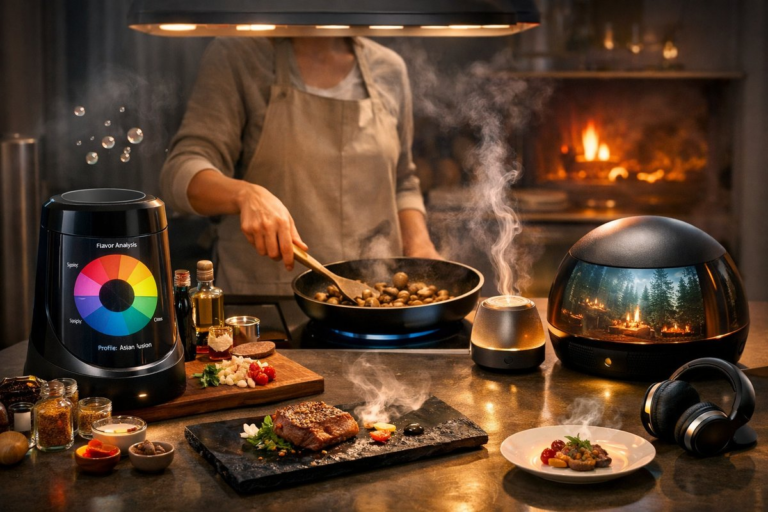
Yet the most compelling innovations celebrate the emotional side of cooking. Haptic feedback on control dials recreates the tactile satisfaction of twisting a metal knob. Soft-glow LEDs under cabinets can shift color based on cooking stages-from calm blue during preheat to warm amber as you broil-fostering a multisensory atmosphere. Even the sound design of devices matters: gentle chimes mark the end of a timer, while subtle ambient music suggestions can play in sync with the heat curve of a roast. Taken together, these details make the kitchen feel like an immersive studio rather than a purely functional workspace.
Accessibility is also top of mind. Touchscreen interfaces feature high-contrast modes and voice prompts for users with visual impairments. Removable control panels can be positioned at standing or sit-down height. Modular attachments allow customization: swap in a paddle mixer, a spiralizer, or a rice cooker lid on the same base. While premium models still command several hundred dollars, entry-level options have begun filtering into discount retailers, democratizing access to smart cooking for a wider audience. As firmware updates roll out over the air, devices purchased last year can gain new capabilities-say, a fermentation timer or expanded recipe library-without necessitating an expensive hardware upgrade.
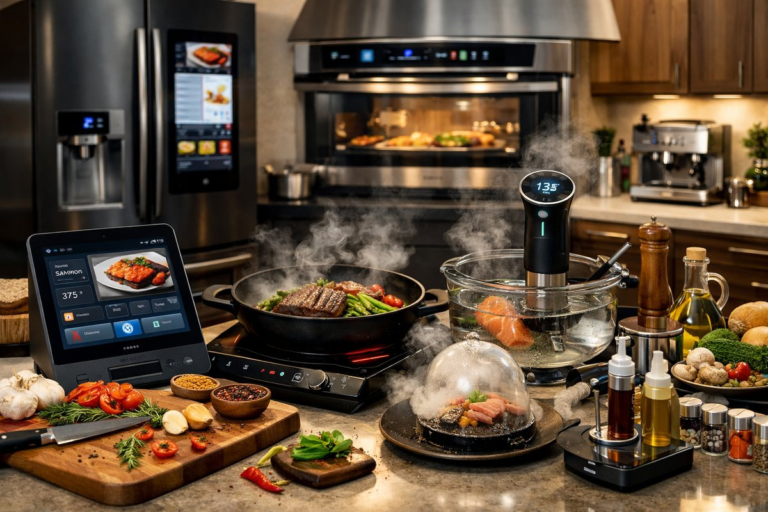
Looking ahead, the convergence of hardware, software, and data promises even richer kitchen experiences. Imagine a network of countertop sensors, each sharing insights: your refrigerator recognizes when a tomato has softened, prompts you to use it in an upcoming recipe, and the induction cooktop preheats to the perfect temperature as you approach. The next generation of cooking might be less about isolated gadgets and more about a truly interconnected culinary ecosystem. Whether you’re a curious novice eager to decode flavor science or a seasoned home chef chasing Michelin-inspired precision, these emerging tools invite a new kind of kitchen choreography-one where flavor becomes adventure and every meal feels like an experiment in possibility.