Location
Mount Vernon, WA 98274

Location
Mount Vernon, WA 98274
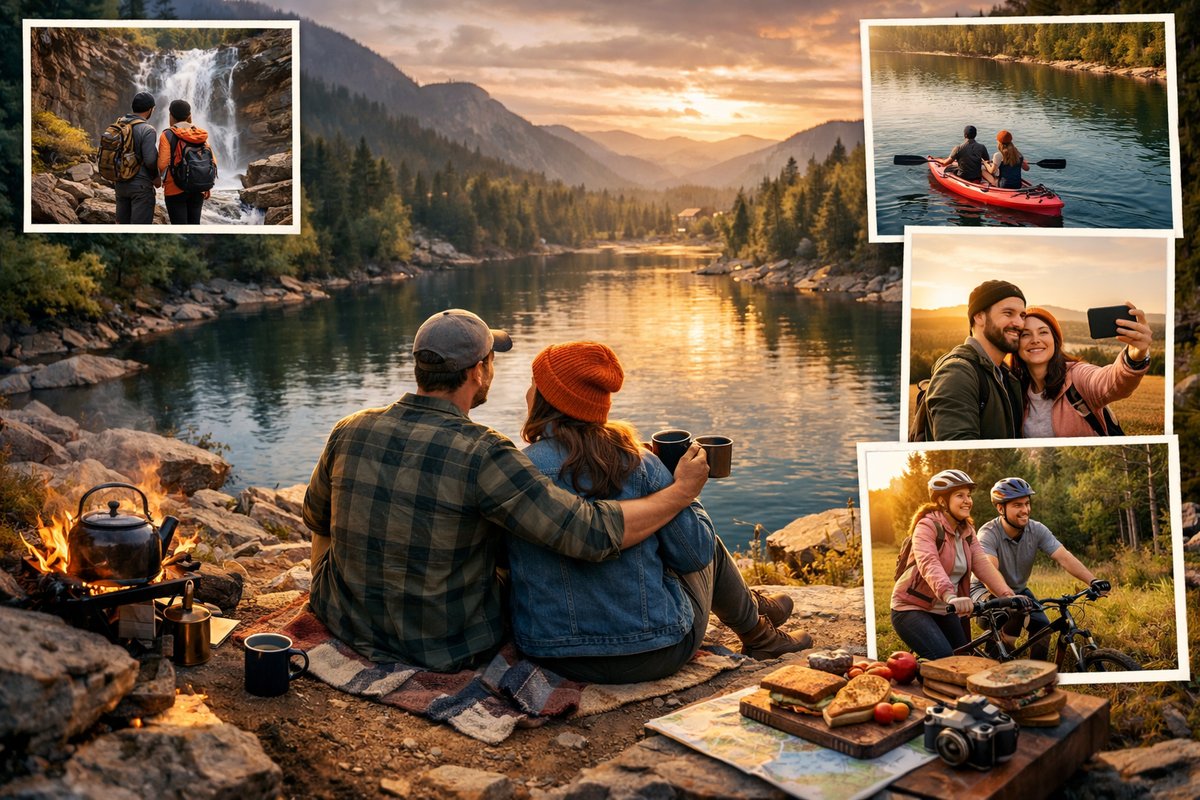
As urban life accelerates and routines harden, more couples are embracing short, local adventures to spark novelty and strengthen bonds. Relationship experts point to a surge in weekend microadventures-mini explorations under 24 hours-that are revolutionizing how partners connect, communicate and co-create memories.
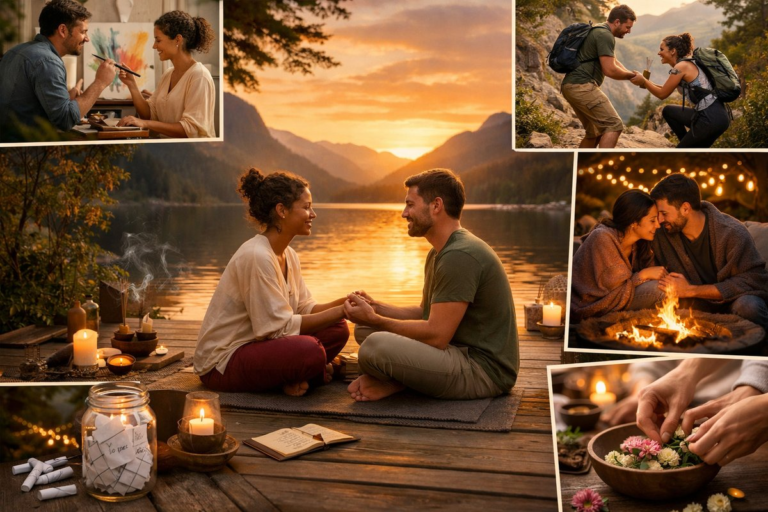
In living rooms across the country, a new trend is quietly reshaping marriage rituals. Rather than planning elaborate vacations or expensive date nights, more couples are opting for “microadventures”-short excursions that fit into a weekend, an afternoon or even a single evening. These bite-sized expeditions into nature or nearby neighborhoods are designed to disrupt routines, inject novelty and provide fresh ground for partners to explore together.
A 2023 study from the Journal of Social and Personal Relationships found that couples who engage in novel shared activities at least twice a month report a 35 percent boost in relationship satisfaction compared with those who stick to familiar routines. Experts suggest this uptick is driven by dopamine surges triggered by new experiences and the collaborative problem-solving required on unscripted outings.
“Marriage can settle into autopilot,” says Dr. Clara Mendez, a relationship researcher at a university lab focused on couple dynamics. “Microadventures offer a low-barrier way to reawaken curiosity about your partner and lean into teamwork. Whether you’re assembling a makeshift camp near a city reservoir or trying a new roadside food stand, you’re stepping outside the ordinary.”
In Seattle, software engineer Jordan and schoolteacher Maya have turned local microadventures into a weekly ritual. After work on Friday, they pack a portable hammock and a field journal, then head to a quiet riverside trail less than ten miles from home. Jordan strings up the hammock between two trees while Maya lights a small, travel-size scented candle. They spend the next hour alternating entries in the journal-writing prompts range from “Recall our first date” to “Describe a dream trip we’ll take in five years.”
“We started with an aim to save money on weekend getaways, but it became so much more,” Maya explains. “We’ve discovered a deeper layer of each other’s creativity. Seeing Jordan sketch the treeline in our journal or reading his answer to, ‘What surprised you about me this week?’ sparks conversations we’d never have at home.”
Retail data from specialty outdoor retailers shows a 27 percent increase in sales of compact camping gear and dual-occupancy hammocks since last summer. At the same time, sales of conversation card decks-packets of question prompts designed for couples-have doubled across major online marketplaces. The hardware and the prompts work in tandem: one creates the setting, the other guides the dialogue.
Dr. Mendez points to three psychological mechanisms at play. First, novelty elevates mood and strengthens the memory of shared moments. Second, collaborative challenges-like pitching a small tarp shelter or navigating a new park trail-foster a sense of “we can do it.” Finally, intentional reflection activities, such as journaling or using card prompts, deepen emotional insight and help partners celebrate each other’s strengths.
Not every outing needs gear or formal prompts. In Chicago, newlyweds Sofia and Liam turned their cold-weather fear of public transportation into a monthly “bus bingo” adventure. They created a simple checklist-spot a red streetcar, find a hidden busker performance, capture a photo of the oldest building along the route-and hop on the first bus they see. At journey’s end, they review their photos over hot chocolate from a sidewalk café.
“Our friends say it’s crazy,” Liam laughs. “But riding a random bus line forces us to notice the city again. We talk about everything we see-the murals we missed before, the small corner market we’d never tried. It feels like traveling in our own backyard.”
Therapists and coaches are now prescribing microadventure assignments to couples facing stagnation or communication lulls. Licensed marriage counselor Aria Patel incorporates a “passport of small quests” into her practice. Each month, she gives partners a booklet of localized challenges: cook a regional dish in your kitchen using only three ingredients, build a blanket fort in your living room and share stories by flashlight, or compete in a mini photo scavenger hunt based on “things that remind you of childhood.”
Clients report that these playful tasks rebuild a sense of partnership and spark laughter-often an overlooked ingredient in long-term relationships. “When I see couples smile at each other or work together on something silly, it recalibrates their connection,” Patel says. “They remember why they chose each other in the first place.”
Environmental sustainability advocates note that microadventures also reduce carbon footprints. Instead of flying to a mountain resort, partners stay local, support neighborhood businesses and discover hidden gems near home. Cities are responding by mapping “microadventure trails” on park websites and promoting pop-up outdoor gear pop-ups in urban districts.
For couples eager to try, experts recommend starting small. A daytime beach picnic with improvised art supplies can be just as transformative as a midnight forest camp. The key is intentionality-agreeing in advance to unplug from phones, focus on each other and treat the outing as a shared experiment.
Back in Seattle, Jordan and Maya are already planning their next microadventure: an overnight kayak trip on Lake Union. They’ve swapped their hammock for waterproof paddling gear and packed a batch of candle-scented linen sachets to hang in their tent. For them, the beauty of marriage lies in those tiny moments of discovery-when they step off the beaten path and realize how much there still is to explore about each other.
As modern life grows more demanding, couples may find that they don’t need far-flung journeys to reignite intimacy. Sometimes, the greatest voyage happens when two people decide to chart the world together, one microadventure at a time.