Location
Mount Vernon, WA 98274

Location
Mount Vernon, WA 98274
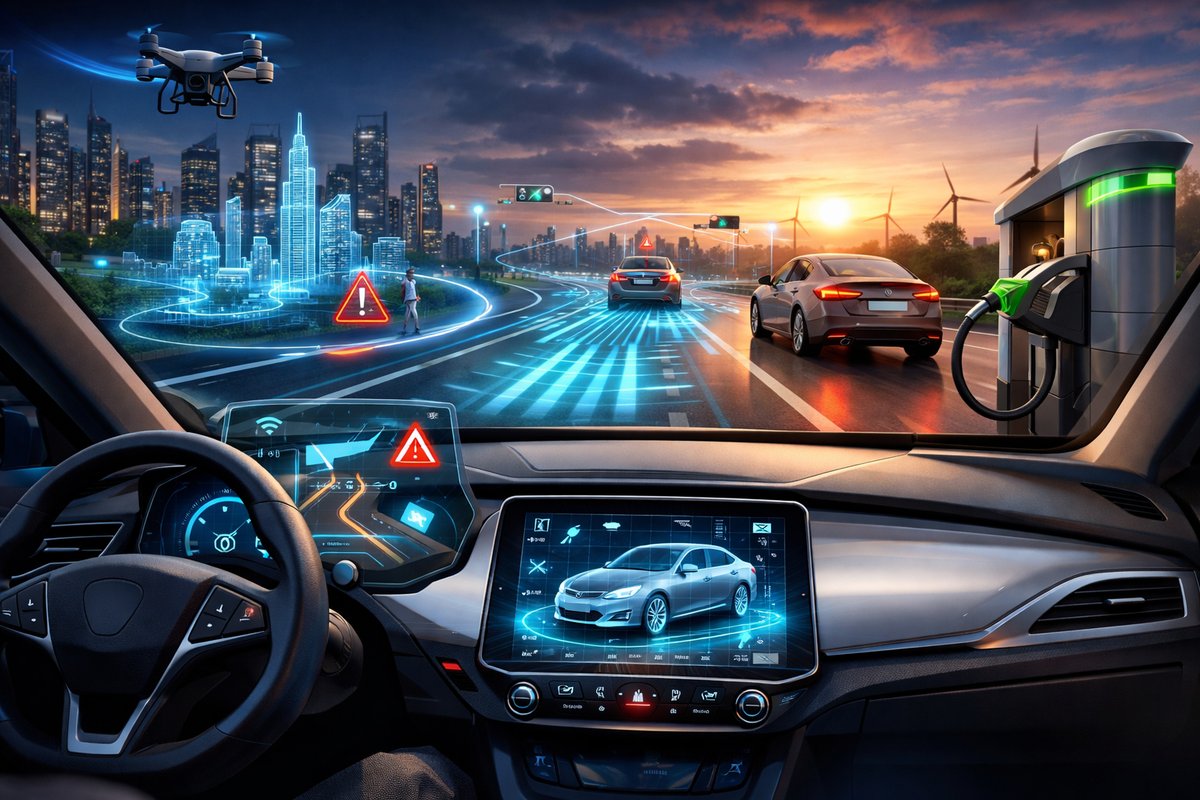
Automakers and tech firms are weaving augmented reality, digital twins, and dynamic charging into modern vehicles, forging a future where cars learn, adapt, and communicate with roads. From AR dashboards that highlight hazards to synthetic fuels that cut carbon, today's automotive innovation is redefining both the driver's experience and the ecosystem beneath every wheel.
The automotive world is undergoing a profound transformation as vehicles evolve from mechanical conveyances into intelligent partners on the road. Far beyond electric powertrains and basic driver assistance, the latest generation of cars is leveraging augmented reality, connected infrastructure, and advanced materials to create a seamless blend of digital awareness and physical performance. At the heart of this shift lies a synergy between onboard processing, edge-network communications, and a growing web of roadside sensors that can anticipate driver needs, optimize energy use, and even suggest alternate routes based on real-time traffic data.
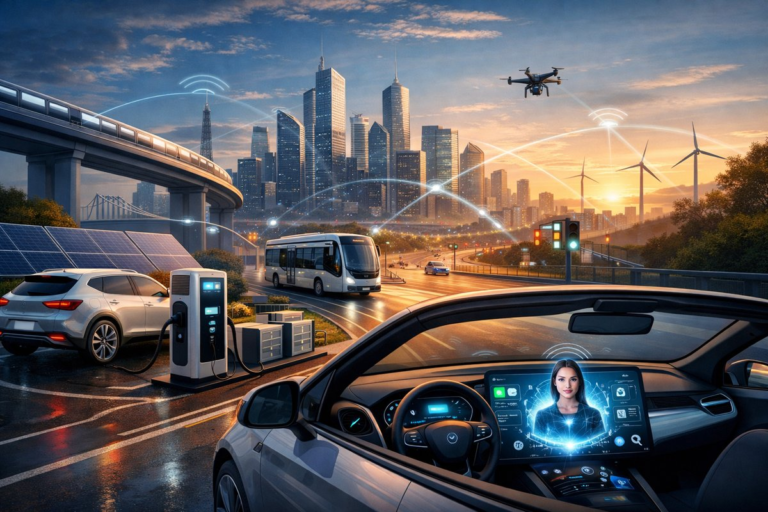
In the cockpit, augmented reality displays are replacing traditional gauges and infotainment screens. Rather than glancing down at a static speedometer, drivers now see direction arrows projected onto the windshield, contextual alerts highlighting pedestrians or cyclists, and lane guidance overlaid directly on the pavement ahead. These heads-up interfaces rely on high-resolution cameras, lidar data streams, and robust 5G connections to deliver split-second updates. Early trials by a European electric vehicle maker showed that AR cues reduced driver reaction times by as much as 30 percent when merging or navigating congested urban streets.
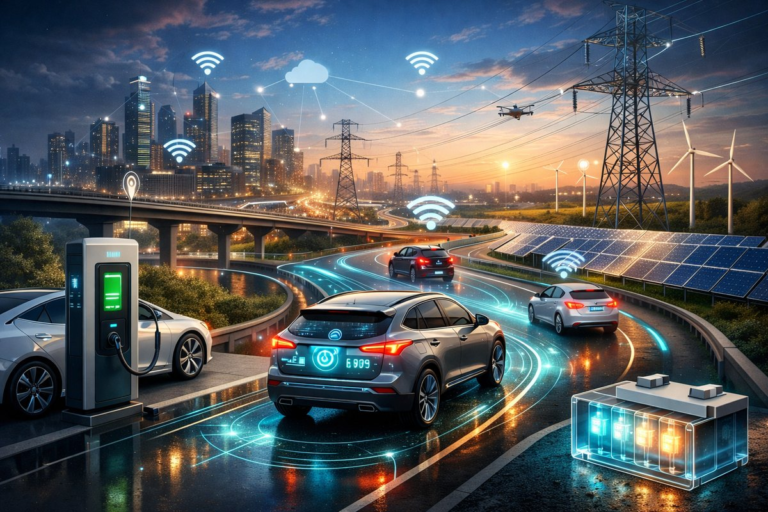
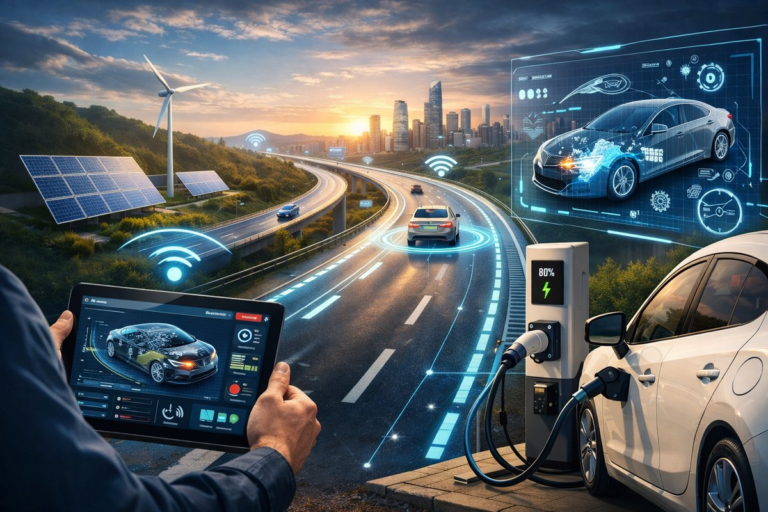
Charging the next wave of electrified vehicles goes beyond plugging in. Researchers in two major cities have begun testing dynamic wireless charging lanes paved with embedded coils that transfer 100 to 150 kilowatts of power to EVs as they drive. This “in-motion charging” concept could extend range indefinitely on main arteries and reduce the battery size-and weight-required for long-distance trips. Interim solutions include modular roadside charging pods that automatically align with a vehicle’s underbody receiver and adjust power flow based on its state of charge, temperature, and battery chemistry.
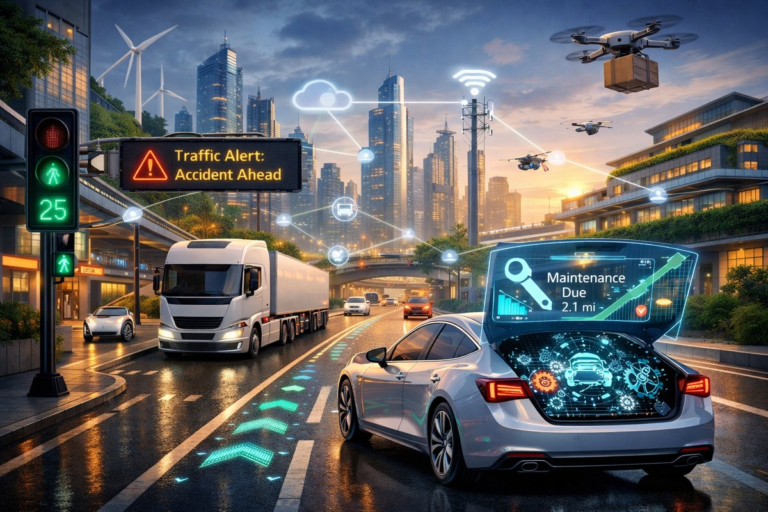
Meanwhile, infrastructure managers are building digital twins of entire highway networks. These virtual replicas ingest data from traffic cameras, road-weather stations, and vehicle telematics to simulate everything from pothole formation to optimal snowplow deployment. By running predictive models in the cloud, city planners can schedule maintenance before asphalt cracks, adjust signal timing to prevent gridlock, and even forecast parking availability at scale. The result is a smarter transportation ecosystem that saves time, cuts emissions, and uses public funds more efficiently.
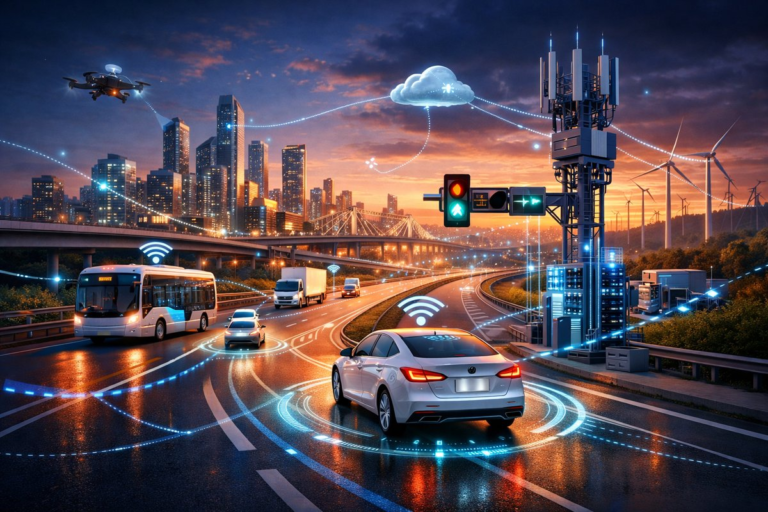
As cars share more data, cybersecurity has become mission-critical. Vehicle-to-everything (V2X) communications create new attack surfaces that require layered defenses. In response, a consortium of automakers and suppliers has adopted blockchain-style identity management to authenticate every message exchanged between cars, traffic lights, and road-side units. Each device-whether it’s a roadside weather sensor or an onboard radar-possesses a cryptographic certificate that prevents spoofing or manipulation. Security researchers report that these measures can block over 95 percent of known protocol-level exploits in trial environments.
Interoperability is another puzzle piece. Different manufacturers use unique network stacks, message sets, and encryption schemes, making cross-brand collaboration a headache for fleet managers and public authorities. Standardizing V2X protocols via international working groups is under way, but real-world deployments still require custom gateways that translate between vendor ecosystems. Efforts to open-source protocol adapters and testing frameworks are gaining momentum, fueled by the shared goal of reducing congestion, improving safety, and accelerating autonomous shuttle projects in campuses and mixed-use districts.
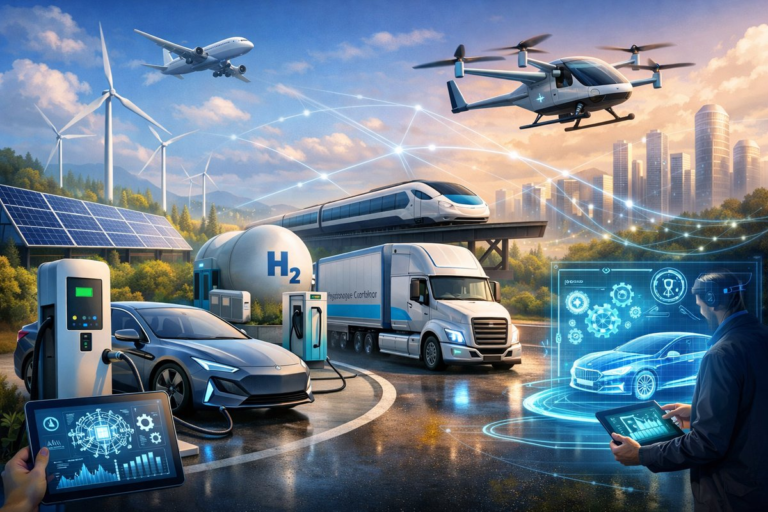
Sustainability extends beyond zero-tailpipe emissions. A handful of Scandinavian energy companies have scaled up production of synthetic e-fuels synthesized from captured carbon dioxide and renewable hydrogen. When blended in small percentages with conventional gasoline or diesel, these drop-in replacements can cut lifecycle carbon by more than 60 percent without requiring engine modifications. Researchers are now blending e-fuel with biofuels derived from algae and forestry byproducts, creating hybrid blends that hold promise for heavy trucks and legacy vehicle fleets.
In parallel, advanced lightweight composites are reducing vehicle mass without sacrificing safety. A recent passenger-car prototype used a mix of bio-resin-infused fiberboards, recycled aluminum, and high-strength steel rails to shave off more than 200 kilograms. The lower curb weight not only improves acceleration and handling, but also shrinks the electrified powertrain needed to meet range targets, further reducing the ecological footprint of battery production.
Privacy considerations arise as cars collect more personal data-seat-position profiles, biometric fatigue readings, and even mood analysis via in-cabin cameras. Automakers are testing on-device AI that processes sensitive details locally and only transmits anonymized patterns back to the cloud. For instance, a fatigue-monitoring system can alert drivers with audible cues or adaptive LED lighting but won’t share video frames or identity tags with remote servers. These edge-only architectures give users greater control over their data and help companies comply with emerging privacy regulations.
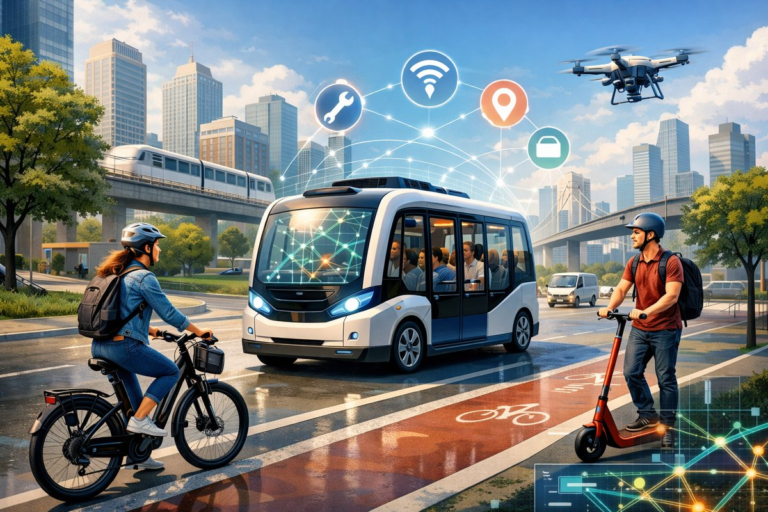
On the commerce side, mobility-as-a-service (MaaS) platforms are bundling ride-hailing, car-sharing, public transit, and micromobility into unified subscriptions. A monthly plan might include unlimited short-range scooter trips in the city center, discounted shared-car hours for errands, and credits for regional rail or autonomous shuttle pods. These integrated offerings aim to reduce single-occupant vehicle trips, lower urban emissions, and encourage a shift from vehicle ownership to access-based mobility.
The pandemic spurred a boom in contactless interactions. Biometric door-release, smartphone-based digital keys, and voice-activated climate controls have migrated from flagship models into mainstream lineups. Combined with personalized in-car profiles that adjust seats, mirror angles, and preferred playlists automatically, these features signal a move toward fully customizable driving environments where the vehicle learns and anticipates driver preferences over time.
Looking ahead, automakers are experimenting with onboard machine learning models that adapt to each driver’s style-optimizing suspension stiffness for comfort or performance, adjusting regenerative-braking force based on cornering habits, and even customizing ambient lighting to ease stress on long journeys. When paired with high-precision mapping, these systems can deliver a semi-autonomous ride that feels tailor-made for every road.
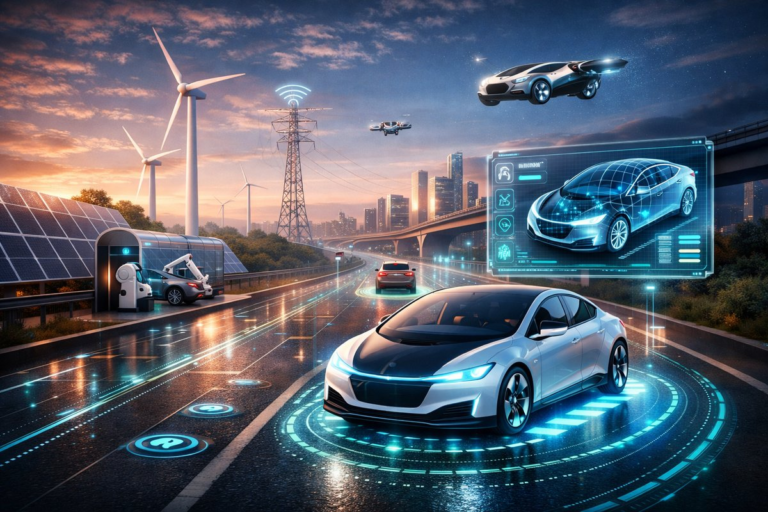
The convergence of these technologies-augmented reality, dynamic charging, digital twins, synthetic fuels, and federated machine learning-marks a pivotal shift in automotive history. Vehicles are no longer isolated conveyances but nodes in an intelligent, adaptive network where energy, data, and decision-making flow seamlessly. As privacy safeguards, open standards, and sustainable materials continue to mature, the road ahead promises to be not only more efficient and secure, but also more human-centric, turning every journey into an opportunity for discovery and delight.