Location
Mount Vernon, WA 98274

Location
Mount Vernon, WA 98274
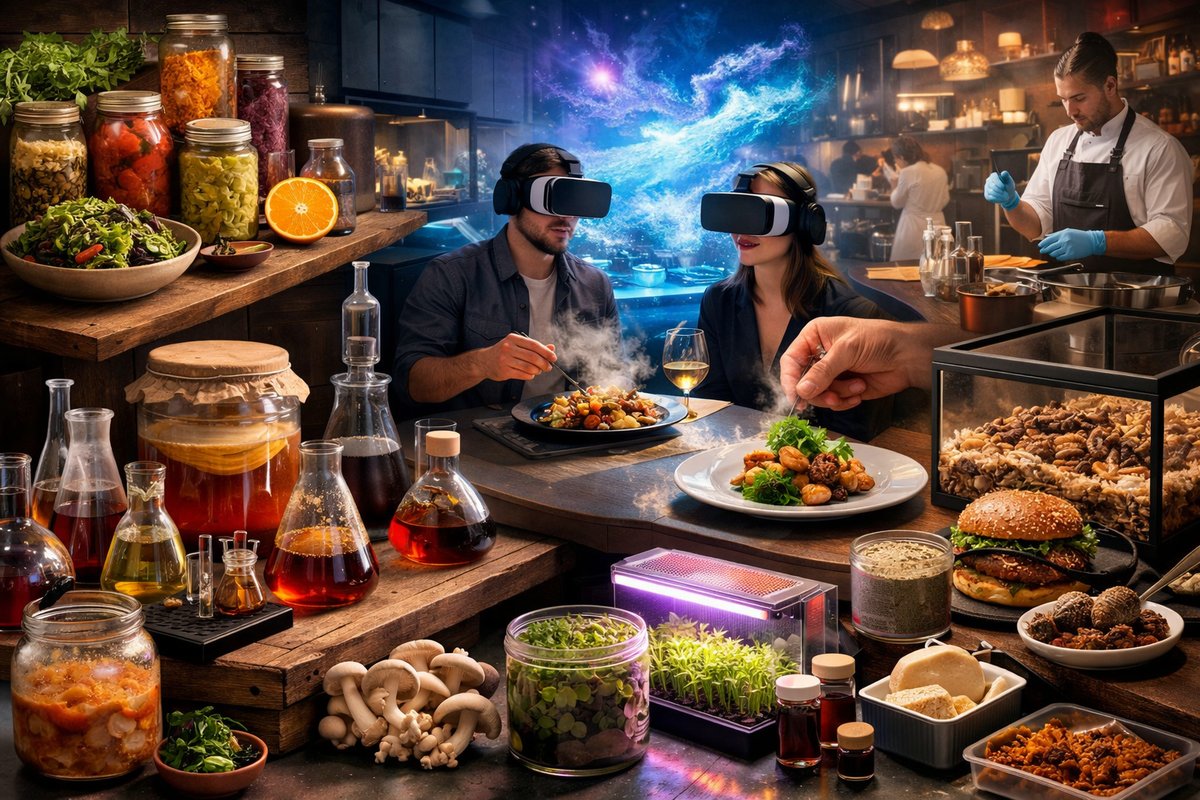
From the rise of upcycled produce to immersive multi-sensory dining, kitchens and dining rooms are morphing into laboratories, community hubs, and stages for experimental storytelling. These six trends-from home fermentation revivals to the integration of insect protein-reveal how creativity, sustainability, and technology are shaping the next era of food culture.
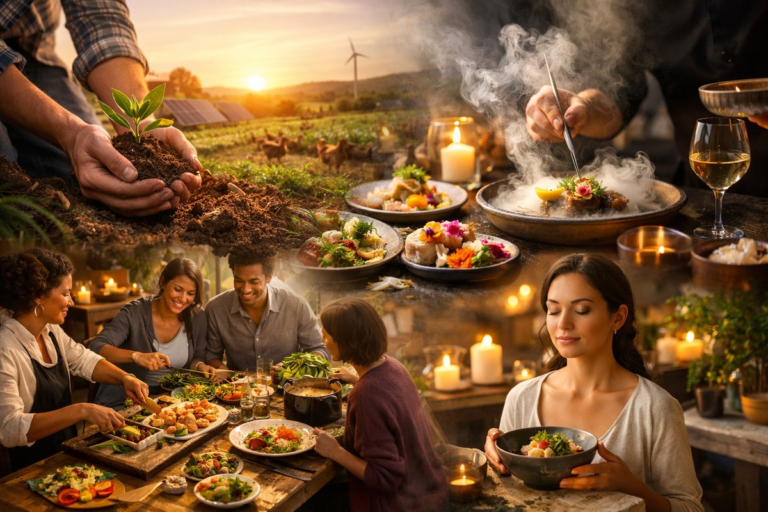
Food culture is undergoing a rapid transformation. In kitchens and on plates around the world, values of sustainability, resourcefulness, and curiosity are pushing boundaries once reserved for high-end restaurants or avant-garde laboratories. Today, home cooks ferment and pickle their way to gut health, chefs champion “ugly” produce rescued from landfill, and tech pioneers link diners directly to the farm with a simple scan. Even the humblest dining room can become a portal to multi-sensory storytelling using augmented reality headsets and curated scent diffusers. These six emerging trends spotlight how nourishment, culture, and connection are evolving together.
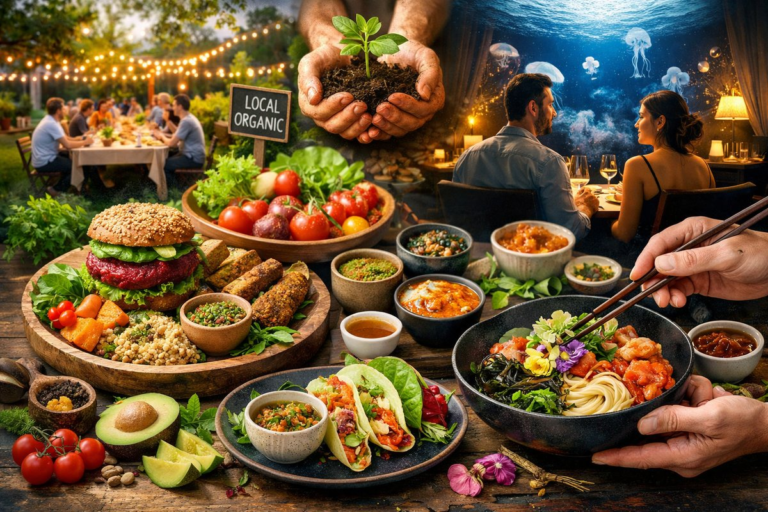
First, the ugly-food movement has moved beyond boutique shops into mainstream awareness. Grocers and subscription services now offer crates filled with misshapen potatoes, bruised apples, and off-color carrots at discounted rates. Pop-up markets celebrate the oddities of nature, transforming blemished produce into vibrant soups, stews, and pastries. Restaurants incorporate these rescued ingredients into featured specials, promoting zero-waste menus that prioritize flavor and community impact over cosmetic perfection. Farmers’ co-ops have launched smartphone platforms where surplus harvests can be auctioned or traded, ensuring that irregular fruits and vegetables find their way to eager home cooks rather than compost piles. The aesthetic of imperfection is catching on, with shared-kitchen workshops offering creative cooking demos focused on breads, jams, and sauces made entirely from upcycled ingredients.
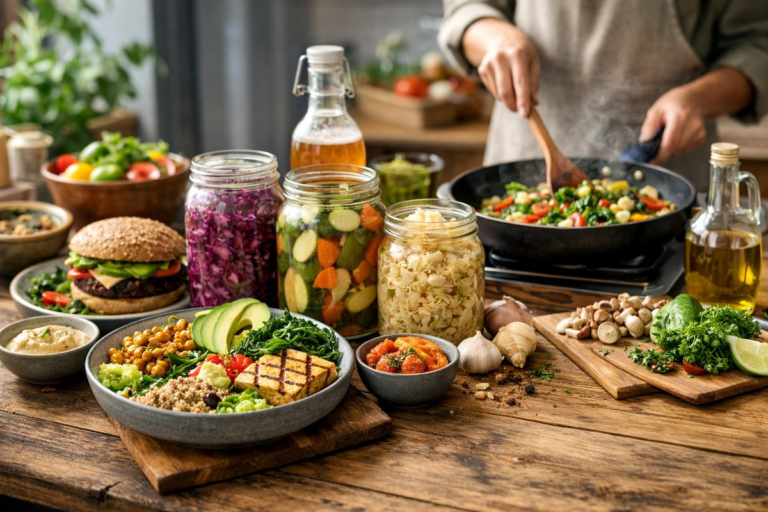
Second, a revival of home fermentation is tapping into both ancestral traditions and modern wellness trends. Neighborhood fermentation clubs have sprouted in cities from Berlin to Buenos Aires, where beginners and seasoned enthusiasts gather to swap starter cultures, troubleshoot mold issues, and sample small-batch kombuchas, kimchis, and sourdoughs. Online communities flood social media with step-by-step videos on controlling pH, maintaining water-temperature baths, and layering flavor profiles with local herbs. Research published in nutrition journals continues to highlight the gut-microbiome benefits of fermented foods, fueling a surge in probiotic supplements and DIY kits sold by kitchen retailers. Family recipes handed down through generations are being digitized, while workshops led by fermentation experts demystify the process of preserving cucumbers, cabbage, and even fruit chutneys. In city apartments and country homes alike, glass crocks and air-lock lids now sit side by side with stovetop pressure cookers and sous-vide circulators as everyday culinary tools.
The third trend turns to an unconventional protein source: edible insects. Once confined to specialty markets and niche eateries, insect protein has begun to wend its way onto mainstream menus and into pantry staples. Cricket flour blends seamlessly into energy bars, pancake batters, and pasta, boosting protein content without imparting an overt “bug” taste. Fine-dining chefs experiment with mealworm-infused sauces, grasshopper tempura, and locust garnishes that add a satisfying crunch. Regulatory approvals in multiple regions have encouraged packaged-food producers to fortify breakfast cereals, protein powders, and even chocolate with insect-based ingredients. Pop-up dinners in Copenhagen and San Francisco have showcased multi-course insect menus, often paired with wines selected to complement the nutty and umami-rich notes. As concerns over livestock methane emissions and land use intensify, insects offer a low-footprint alternative that’s gaining traction from sustainability advocates and adventurous eaters alike.
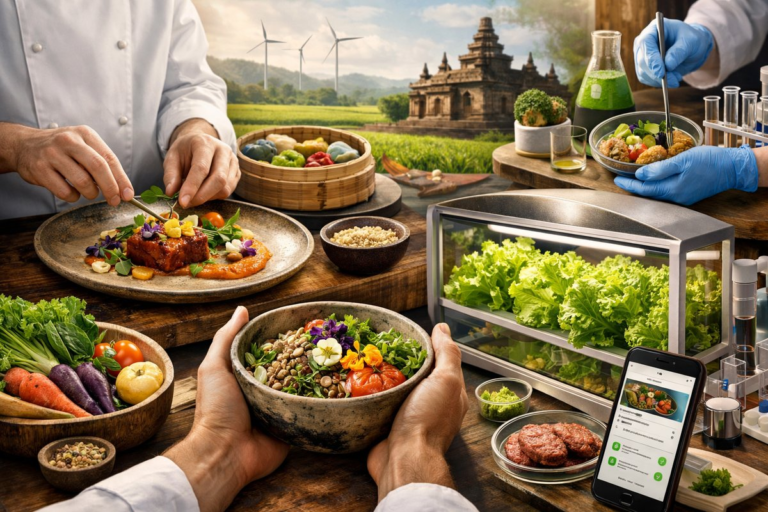
Fourth, molecular gastronomy is stepping out of elite restaurant kitchens and into home setups. Spherification spoons let amateur cooks shape liquid droplets into glossy pearls of olive oil or fruit purée; foaming canisters transform vegetable broths into airy mousses; and edible films can encapsulate cocktail ingredients for a playful burst of flavor. Affordable kits now include precision syringes, gelling agents, and detailed recipe guides. Video platforms stream live demos where chefs teach techniques for creating nitro-infused sorbets and aroma-spraying bottles. Even school science labs are incorporating edible chemistry experiments into their curricula, inspiring the next generation of culinary innovators. This democratization of experimental cooking tools encourages backyard artisans to stage informal dinner parties that feel like tasting menus at renowned establishments-yet without the exorbitant price tags.
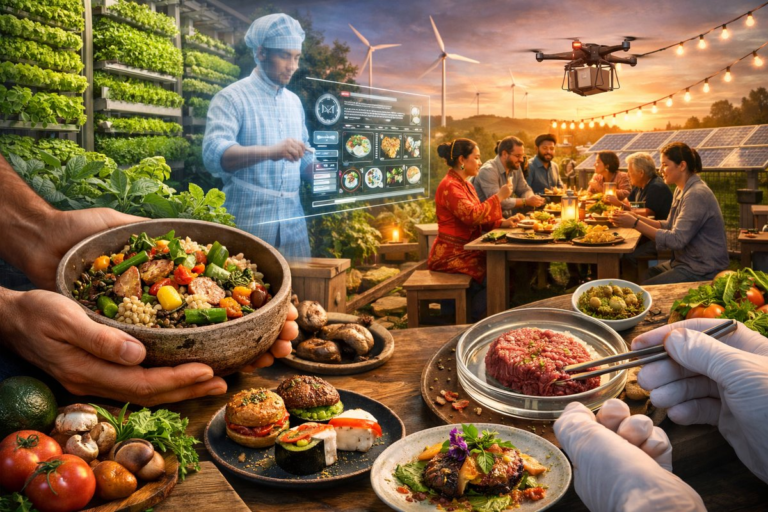
The fifth movement harnesses food-traceability technology to bolster transparency and build trust from farm to fork. Blockchain-backed supply-chain platforms allow consumers to scan QR codes printed on produce labels, instantly revealing the grower’s name, harvesting date, and carbon emissions footprint. At farmers’ markets, digital kiosks display interactive maps showing how water-usage metrics compare across agricultural regions. Some cafés have piloted near-real-time dashboards that update co-op members when a new batch of heirloom tomatoes or heritage grains is available. Chefs collaborate directly with smallhold farmers to design “menu maps,” virtual journeys that walk diners through the fields where each ingredient was nurtured. This tech-driven spotlight on provenance encourages responsible farming practices and gives home cooks a deeper sense of connection to the origins of their meals.
Finally, immersive multi-sensory dining experiences are blurring the line between meal and performance art. Patrons don lightweight augmented reality headsets that overlay projected visuals-falling leaves in a forest-themed dinner, neon brushstrokes over abstract courses, or holographic aquatic creatures gliding across a seafood platter. Coordinated scent diffusers release aroma notes timed to each bite, while a curated music playlist shifts in tempo to enhance sweet, sour, bitter, or umami sensations. Some supper clubs rent out sound-proofed living rooms transformed into dreamscapes, complete with kinetic sculptures and interactive lighting. Others enable guests to control ambient elements via smartphone apps-tuning the wind sounds in a mountain-inspired buffet or intensifying campfire scents during a marshmallow dessert course. These experiential dinners invite participants to become co-creators, forging emotional memories that linger long after the last crumb is gone.
These six culinary trends share common threads: an emphasis on sustainability, a nod to tradition, and a willingness to embrace technology as both a facilitator and storyteller. They reflect values-driven consumers seeking not only nourishment but also deeper connections to food, to the people who grow it, and to the cultural narratives that inform what ends up on our plates. Whether it’s rescuing imperfect produce, cultivating homemade probiotics, or donning an AR headset at the table, modern diners are co-designers in a dynamic food system that champions curiosity, community, and environmental stewardship.
As these movements continue to intersect and evolve, the kitchen becomes a laboratory, the dining room a stage, and every meal an opportunity to explore how innovation can honor heritage and foster resilience. For those eager to embark on this journey, a handful of essential tools-fermentation vessels, precise measuring devices, experimental ingredient kits, and even immersive-tech gear-can open new creative pathways. The future of eating is not just about taste; it’s about forging authentic connections and redefining the rituals that bind communities around the universal act of sharing food.