Location
Mount Vernon, WA 98274

Location
Mount Vernon, WA 98274
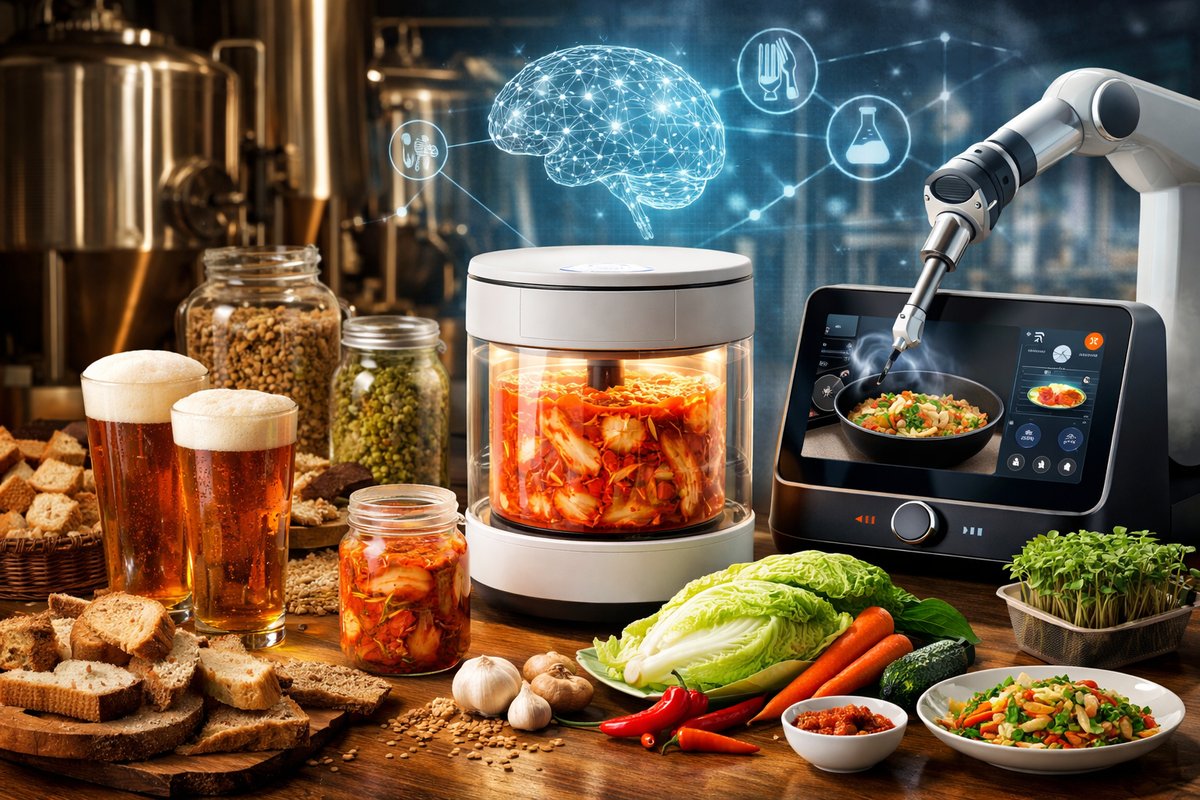
From craft breweries turning surplus bread into beer to countertop fermenters bringing kimchi into every kitchen, three converging movements-fermentation's renaissance, culinary upcycling, and AI-driven cooking-are redefining how we nourish ourselves. Explore the real-world experiments and pilot programs that signal a new chapter in sustainable, high-tech gastronomy.
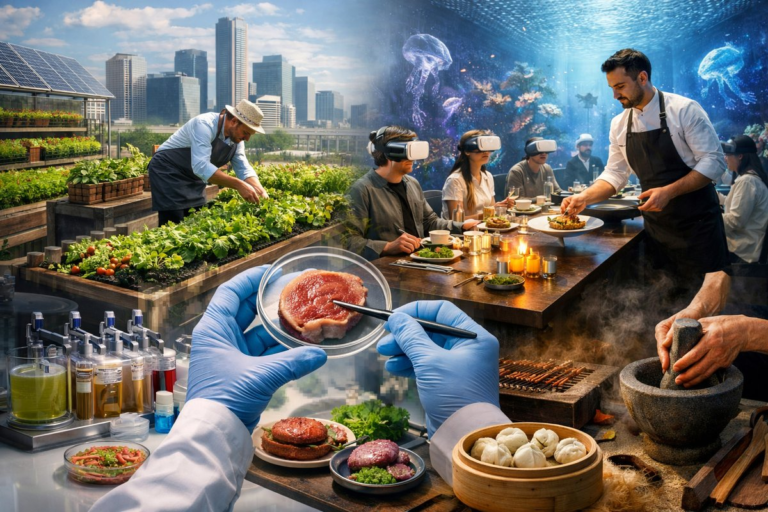
Restaurants, home cooks, and researchers around the globe are rewriting the culinary playbook. Long gone are the days when progress in food meant only faster delivery or bigger portions. Today’s headlines are about microbial alchemy, second-life ingredients, and machines that learn taste. Across three distinct yet interconnected waves-fermentation’s resurgence, the rise of upcycling in professional and home kitchens, and artificial intelligence applied to cooking-our relationship with food is undergoing a transformation as profound as the shift from open-fire hearths to electric ovens.
At its heart, this movement isn’t just about novelty. It answers mounting pressures: climate change demanding gentle supply chains, waste streams crying out for rescue, and diners yearning for flavors that spark curiosity. Against that backdrop, culinary professionals and hobbyists alike are seizing technologies and time-honored techniques to create dishes that are greener, smarter, and often more delicious than anything on offer a decade ago.
In London, a craft brewery recently launched the latest chapter in a long fermentation story by tapping unsold bakery crusts as its core ingredient. Each week, partner bakeries deliver loaves that didn’t sell; the crusts are dried, milled, and used to brew an amber ale. The project diverts tons of starch from landfills while producing a beer punctuated by toasty notes and light sweetness. Diners at adjoining brewpubs pair that beer with small plates of upcycled vegetable skins transformed into crunchy crisps-a fitting parallel to the lager’s ethos.
Meanwhile, fermentation labs are breeding new microbes and reclaiming ancestral cultures. A chef collective in Barcelona has collaborated with food scientists to cultivate a wild yeast strain originally harvested from dried figs in a Sicilian market. That yeast now underpins a series of naturally effervescent wines-the latest entrant in a sparkling category projected to grow 20 percent by volume in the next two years, per data from a global beverage research firm. Across town, a restaurant uses parallel fermentation-employing lactic acid bacteria alongside a proprietary probiotic culture-to produce a dairy-free cheese that ages like gouda but offers a tang reminiscent of traditional kefir.
These fermentation experiments aren’t restricted to beverage or cheese. Community kitchens in Vancouver are trialing a pilot that uses a home countertop fermenter to turn surplus pears into sugar-reducing cider vinegar in under two weeks. Participants share data via an open-source app that tracks temperature, acidity, and microbial diversity, creating one of the first crowdsourced databases of small-batch ferments. The result: a transparent archive of strains and flavors available to anyone curious enough to try their hand at controlled spoilage.
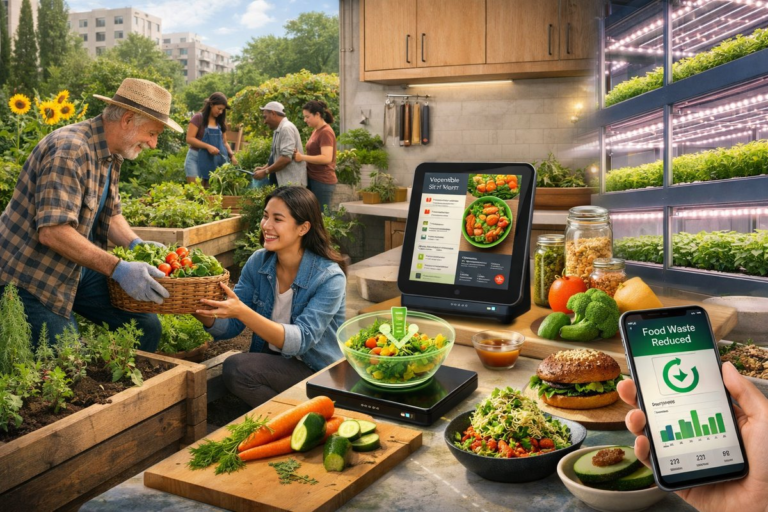
Upcycling’s second wave has also moved from novelty pop-ups to pilot partnerships with mainstream grocers. In Amsterdam, a food hall now hosts stalls where vendors use broccoli stalks discarded by wholesalers to make velouté soups and pesto spreads. At a nearby stall, carrot tops are blanched, blended with nuts and garlic, and sold as a twist on classic chimichurri. These initiatives coincide with consumer data showing that nearly 60 percent of shoppers say they’d pay a slight premium for products made from rescued ingredients.
Major chains are taking notice. One quick-service outlet now toasts spent coffee grounds to infuse barbecue sauces with smoky depth. Another national sandwich concept has a weekly “zero-waste special” spotlighting offcuts of bread, vegetables too imperfect for the produce shelf, and cheese ends. These limited-run dishes not only cut waste but become social media victors, sparking conversations around resourcefulness and origin.
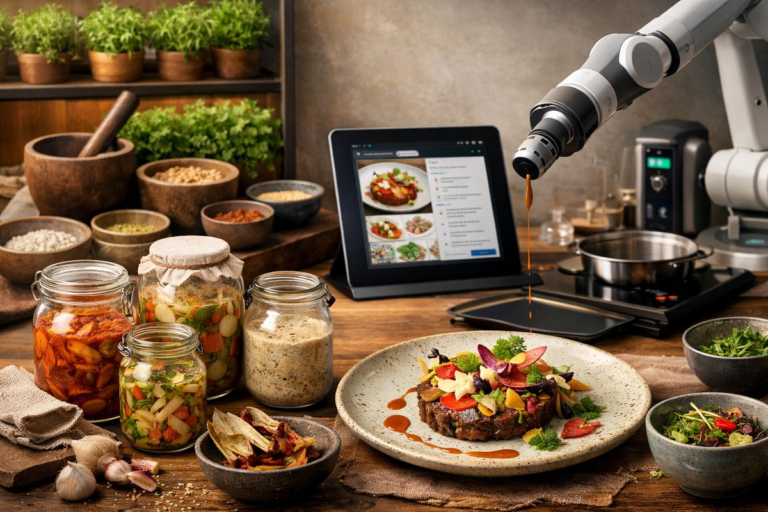
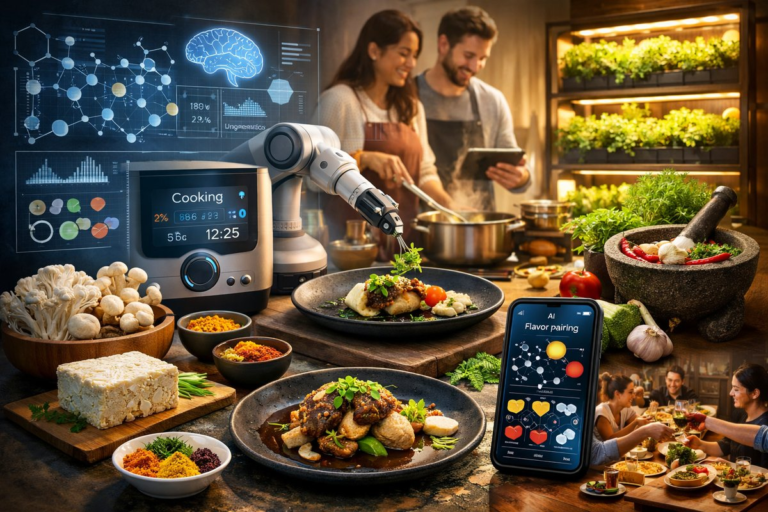
On the technology front, artificial intelligence and robotics are migrating from factory floors to test kitchens and neighborhood trattorias. At a recent expo in Shenzhen, an open-source research group unveiled a prototype kitchen assistant equipped with computer vision and thermal sensors. It scans peppers for ripeness, times blistering on a stovetop griddle, and alerts the chef when to flip-learning from each flip’s footage to improve precision. Developers say this system could reduce energy consumption by up to 10 percent and cut burned batches by half.
If that sounds like science fiction, consider the AI-led recipe platforms now training on millions of crowd-sourced cooking logs. One university lab used anonymized cooking data to teach a neural network the principles of Maillard reaction-the browning that makes seared meat so flavorful. The AI then suggested novel spice blends optimized for specific cuts of plant-based proteins, yielding combinations no human chef had tested. Early home trials in Munich and Seoul report dishes that tasters find both surprising and deeply satisfying.
Those interested in the cutting edge can even try 3D food printing. Last year at a global summit in Valencia, a university team demonstrated cell-cultured fish filaments extruded layer by layer to reassemble the texture of salmon. While commercial availability remains a few years away, desktop food printers capable of crafting decorative chocolate sculptures and snack-sized pasta shapes are already on sale for curious home cooks.
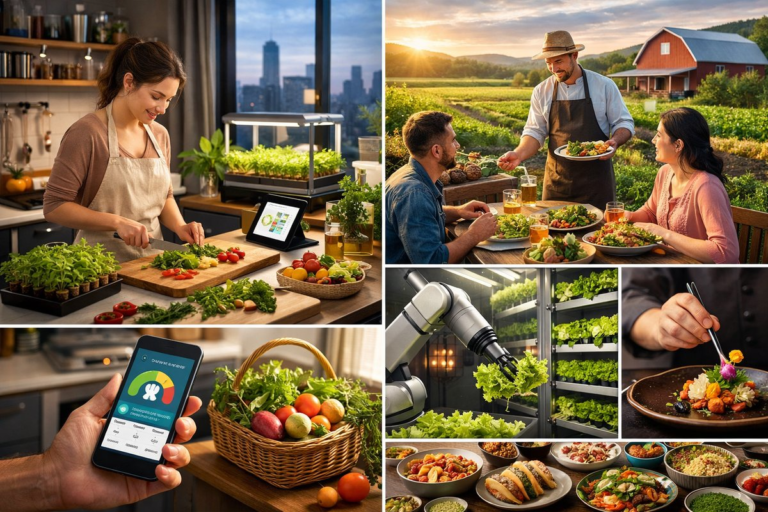
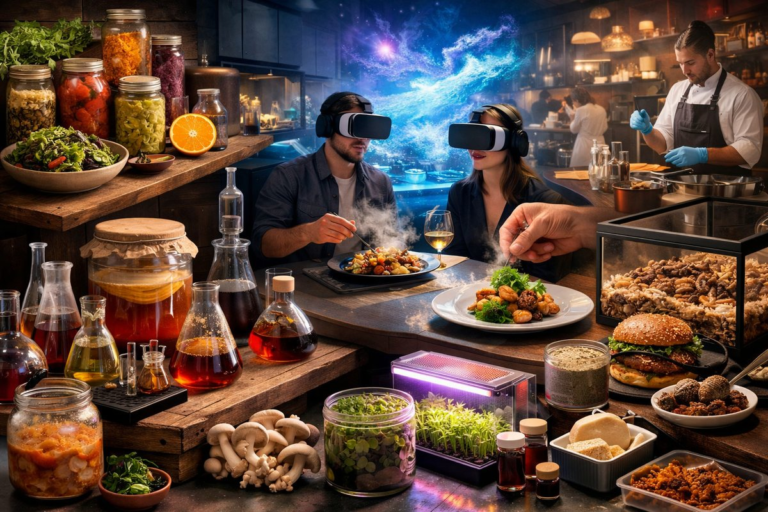
These three arcs-fermentation, upcycling, and AI-driven cooking-are not isolated trends but overlapping currents. A fermenter equipped with sensors could feed data to an AI engine that tailors temperature profiles, while robotic arms might handle the bulky work of processing rescued vegetables. The synergy offers a glimpse of sustainable, hyper-personalized kitchens where human creativity and machine precision reinforce each other.
For food professionals, the challenge will be integrating these tools without losing the emotional resonance that comes from manual craft. For home cooks, it means balancing the joy of hands-on fermenting with the convenience of smart appliances. Yet if recent ventures are any indication, the outcome promises dishes that tell richer stories-stories of rescued resources, ancient microbes, and algorithms learning to appreciate the subtle interplay of flavor and texture.
The coming year will test just how scalable these experiments are, especially in a world still adjusting to supply-chain disruptions and shifting labor markets. But if news from pilot programs and pop-ups is any guide, gastronomy’s next frontier lies at the intersection of tradition and innovation. Whether you’re sampling a probiotic kombucha brewed from foraged tea leaves or ordering an algorithm-designed seasoning blend for your tofu steak, one thing is clear: the culinary landscape is becoming more sustainable, more inventive, and more attuned to both science and soul.