Location
Mount Vernon, WA 98274

Location
Mount Vernon, WA 98274
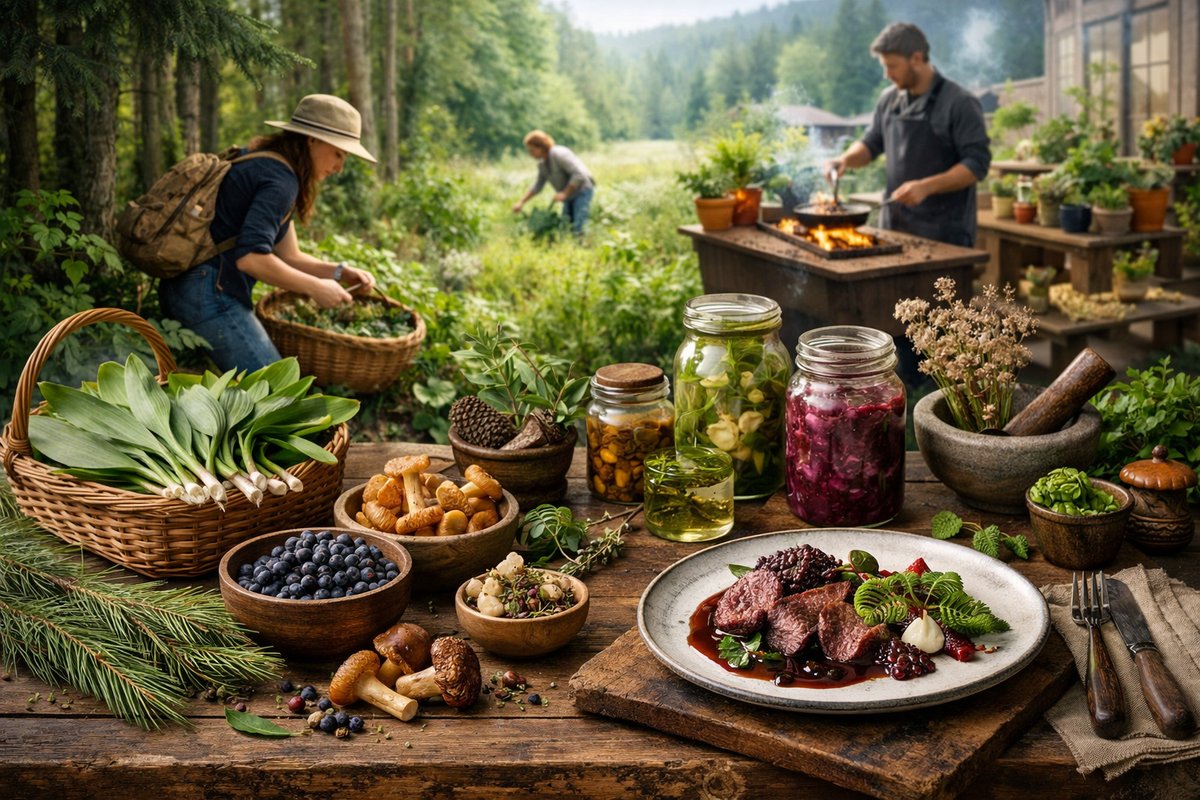
A new culinary movement is bringing the untamed flavors of forests, meadows, and urban backyards into kitchens around the world. From expert foragers harvesting ramps and pine needles to home fermenters aging wild-berry krauts, chefs and home cooks are forging deeper connections with nature and seasons. This trend not only celebrates sustainable sourcing but also sparks creative recipes and community rituals.
On a misty morning in a Pacific Northwest woodland, an experienced guide kneels before a cluster of bright green ramps, their garlic-scented leaves pushing up through leaf litter. Participants in a weekend foraging workshop snap photos, then gently twist stems to reveal bulbs that will star in pesto, pickles, and pasta sauces. Attendance at these wild-gathering classes has surged nearly 30 percent in the past year, according to a leading events platform, as home cooks and professional chefs seek fresh, local ingredients beyond farmers’ markets.
This resurgence of foraging reflects a broader shift in how people relate to food and landscape. No longer confined to the pantry staples of supermarkets, adventurous eaters are exploring uncommon edible plants like miner’s lettuce, wood sorrel, and salal berries. Urban foragers map out green spaces in city parks, while rural guides lead trips through private woodlots. Alongside the desire for unique flavors, many participants value the lesson in ecology-learning to identify invasive species like garlic mustard or Japanese knotweed that can be turned into tangy relishes and pestos.
Parallel to the wild-ingredient revival is a renewed fascination with fermentation and preservation. Fermented foods now represent a global market nearing $15 billion, growing at almost 7 percent annually. Shoppers are no longer content with a single jar of sauerkraut in a cold corner of the supermarket shelf; they’re seeking small-batch kimchis, jun teas, water kefirs, and lacto-fermented hot sauces. Home fermentation kit sales have jumped, with specialty grocery stores reporting a 40 percent increase in crock and weight sets over the past two years.
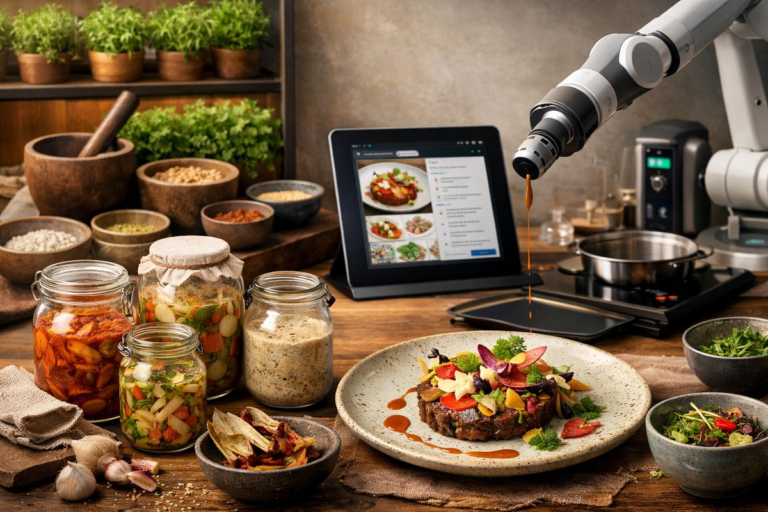
The intersection of wild ingredients and fermentation has yielded some of the most inventive culinary experiments of the moment. Wild-berry krauts combine handpicked blackcaps or elderberries with salt and water for tangy preserves that blur the line between jam and pickle. Pine-needle vinegar, steeped in spring’s first new growth, adds resinous brightness to vinaigrettes and marinades. Even wild nettles, after being blanched, find new life in lacto-fermented pickles that preserve their green flavor well into winter.
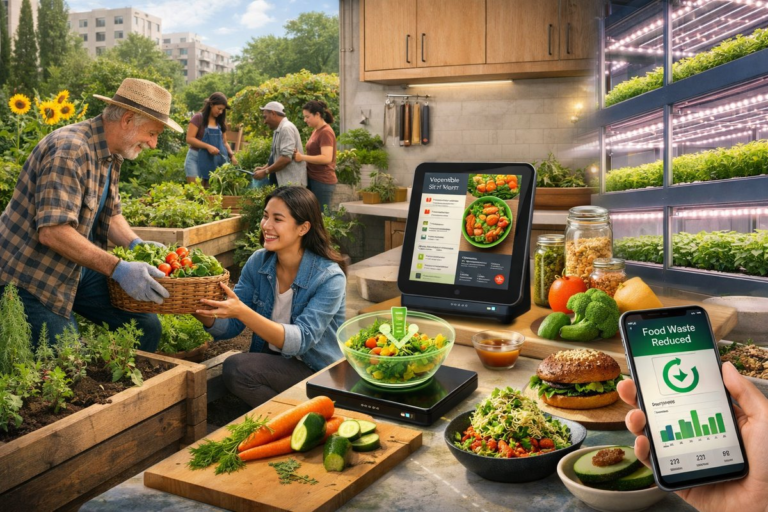
Sustainability is at the heart of this rewilding movement. Foragers learn to harvest responsibly, taking only a fraction of available shoots to ensure plants regenerate. Home cooks are repurposing vegetable trimmings-radish tops become pesto, broccoli stalks transform into slaw, and spent coffee grounds enrich mushroom substrates. Zero-waste dinner parties, where every peel and seed is turned into toast seasoning or shrub syrups, are popping up in city lofts and country farm stays alike, redefining resourcefulness in the kitchen.
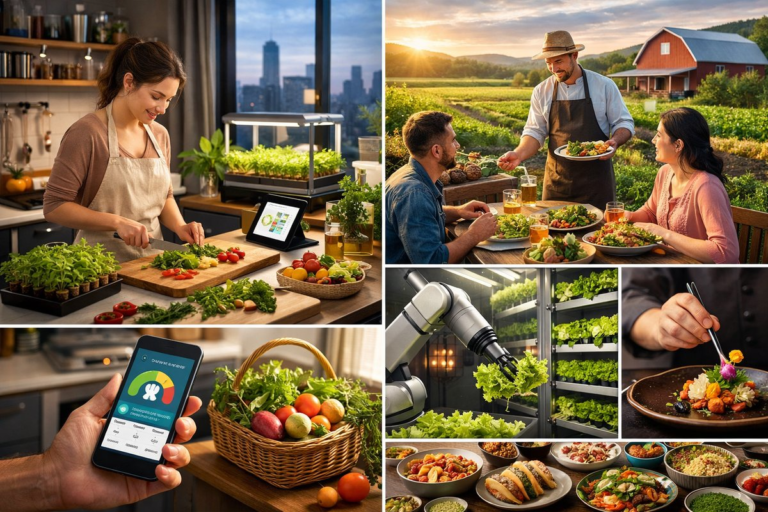
At the same time, home cultivation tools have evolved beyond a single windowsill basil pot. Indoor hydroponic herb gardens with smart lighting systems now allow year-round chives, thyme, and tarragon. Microgreens trays stack on apartment shelves, producing shoots packed with flavor and vitamins in just seven days. Mushroom grow kits employing sawdust blocks inoculated with oyster or shiitake spawn let beginners harvest their first flush of fungi in under three weeks. The line between foraging and farming is blurring as city dwellers coax exotic herbs and berries from balcony planters.
Do-it-yourself fermentation is similarly demystified. Enthusiasts invest in glass crocks equipped with airlock lids and ceramic weights to keep vegetables submerged. Digital pH testers help beginners find the point of optimal tang, while instructional books and online forums guide each step. Once multiple batches of sauerkraut and sourdough starter are thriving, many home operators experiment with wild ferments-collecting dandelion blossoms for cordial or fermenting spruce tips for soda-like elixirs.
Professional kitchens are embracing these trends too. Tasting menus devoted entirely to locally foraged ingredients now appear on destination restaurant lists. In some regions chefs partner with botanical gardens and forestry services to host “forest-to-table” pop-up dinners deep among the trees. The stories of each ingredient-who harvested it, where it grew, how it was preserved-become part of the guest experience. This narrative layer enriches a plate of ramp butter noodles or wild mushroom ragout with a sense of place and season.
Advances in technology are beginning to support this wild renaissance. Mobile apps use image recognition and GPS overlays to help amateur foragers identify safe berries and mushrooms. Blockchain tracking pilots are tracing wild-caught seaweed and salt docks to verify sustainable harvests. Genetic testing is being explored to differentiate foraged herbs and spices with similar appearances. Even drone scouting is on the horizon, mapping remote truffle hotspots or monitoring the health of wild mustard and amaranth patches.
The rewilding trend is not just about novel flavors; it’s profoundly human. Families gather at community centers for seasonal preserve swaps, exchanging jars of sour cherry kombucha or nettle kvass. Elders pass down lore of moon phase planting, while children learn to forage for wild garlic under their parents’ watchful eyes. In a time of global uncertainty, these rituals offer grounding-an understanding that food can connect the human to the wild, creating bonds across generations.
As more cooks explore the edges of fields, forests, and balconies, kitchens become laboratories of curiosity and conservation. The lines between home gardener, forager, and chef are blurring, and the once rigid boundaries between cooking and ecological stewardship dissolve. Rewilding invites each of us to rediscover the thrill of discovery-whether tasting a bright-green ramp for the first time, gently kneading dough enriched with wild yeast, or simply mixing water, salt, and wild juniper berries for a homemade fermented snack.
This movement reminds us that food is never just fuel. It carries stories of meadow and wood, of patient fermentation and sudden discovery, of community gatherings and solo experiments alike. Whether you’re harvesting mushrooms in an urban park, fermenting your first jar of wild-berry sauerkraut, or nesting microgreen trays in your kitchen, the rewilded kitchen offers uncharted territory for every curious cook.