Location
Mount Vernon, WA 98274

Location
Mount Vernon, WA 98274
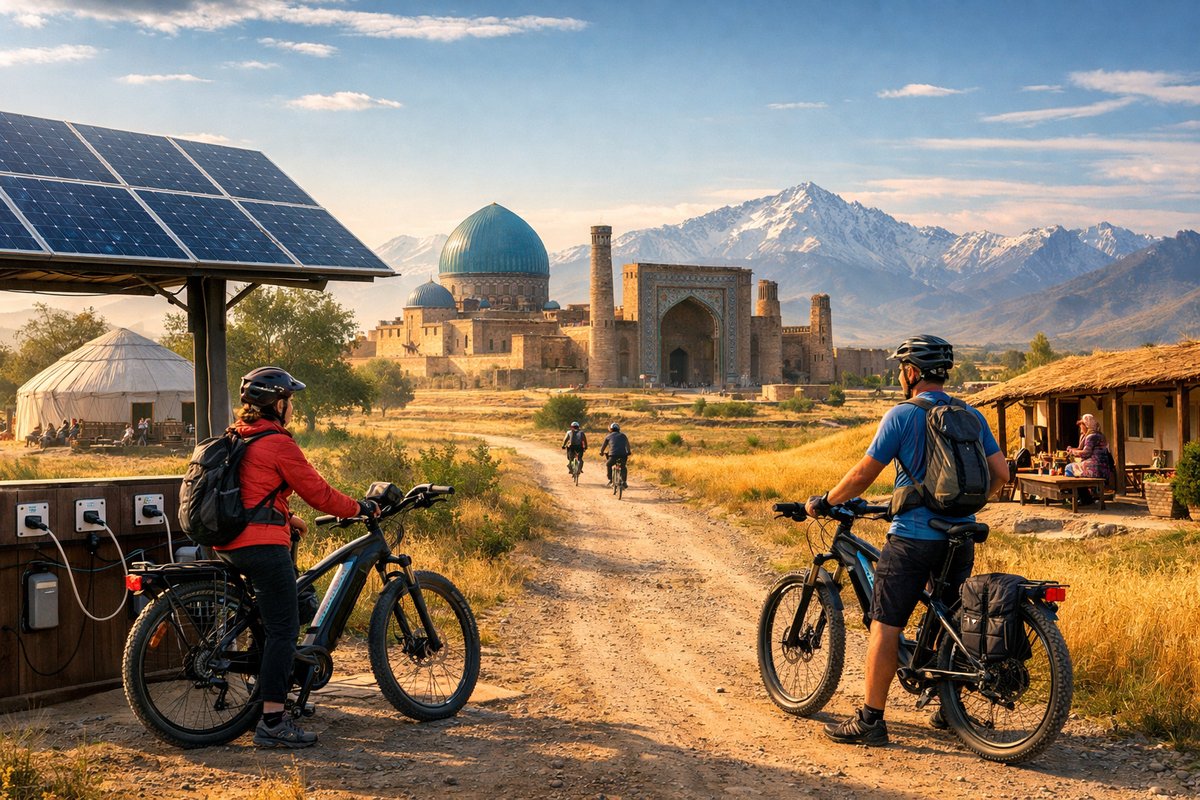
A groundbreaking 1,500-kilometer electric-assist cycling trail is opening across Central Asia, connecting Silk Road cities with solar-powered charging stations and community-driven homestays. This initiative blends sustainable tourism, cultural exchange, and technological innovation, offering travelers a deeper glimpse into the historic heart of Eurasia.
In an ambitious effort to revive the legendary Silk Road with twenty-first-century technology, a coalition of Central Asian governments and local entrepreneurs has unveiled an electric-assist cycling route stretching 1,500 kilometers from Almaty to Samarkand. This corridor weaves through high mountain passes, desert steppes, and riverside villages, linking Kazakhstan, Kyrgyzstan, Uzbekistan, and Tajikistan. Designed with a focus on sustainability and community benefit, the trail promises a smooth blend of cultural immersion, renewable energy infrastructure, and electric bicycle rentals that make the journey accessible to a wider range of travelers.
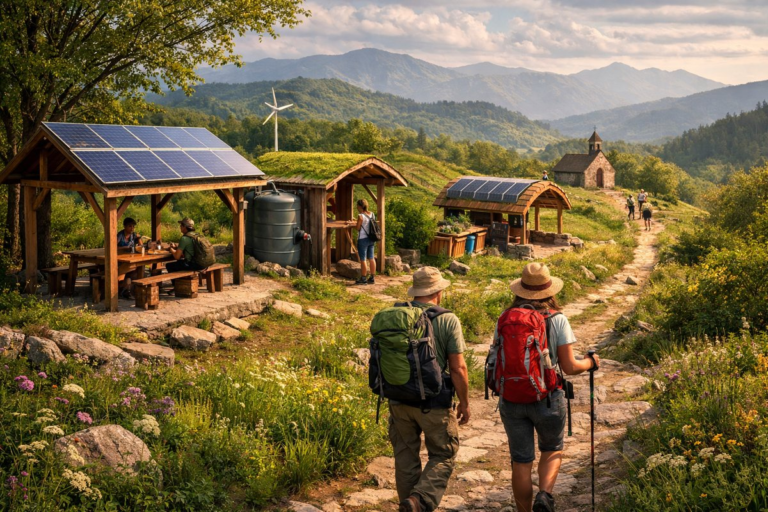
Planners mapped the route along historic caravan paths and repurposed rural tracks, installing more than eighty solar-powered charging stations in small towns and roadside rest stops. Each station can replenish an electric-assist battery in under two hours, drawing energy from rooftop panels installed on local schools, health clinics, and homestays. Electric bikes are available in fleet hubs every 50 to 70 kilometers, and travelers can choose from trekking models, folding units, or robust cargo e-bikes for self-supported camping. All rental profits are reinvested in local maintenance funds and training programs for mechanics in nearby villages.
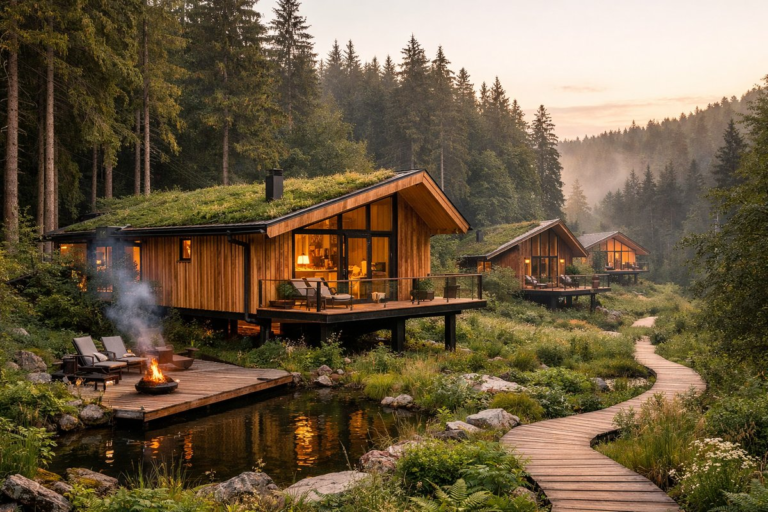
Beyond charging infrastructure, community-run homestays and guesthouses are at the heart of this initiative. In villages along the route, families open their doors to cyclists, offering traditional meals cooked on wood-fired hearths and simple beds on woven carpets. Many homestays have been retrofitted with passive cooling systems that draw on centuries-old courtyard architecture, reducing reliance on air conditioning. Hosts receive training in hygiene standards, language basics, and hospitality management, ensuring a quality experience while preserving authentic cultural exchange.
Sustainability metrics are baked into every aspect of the design. Trail operators track carbon offsets from solar installations and estimate that each completed e-bike trip displaces two hundred kilograms of CO₂ compared to a diesel-fueled minibus journey. Waste management teams collect recyclables at rest stops, and a network of composting toilets minimizes water use in remote sections. Local craft cooperatives craft upcycled signage from repurposed metal and wood, and interpretive maps are printed on recycled paper sourced from a paper mill powered by agricultural waste.
For many cyclists, the New Silk Road experience is as much about human connection as it is about scenery. Along the way, travelers can join yurt-building workshops in Kyrgyz highlands, learn to press walnut oil in Uzbek orchards, or join nomadic families for sunset camel treks in Tajikistan’s foothills. Cultural mediators help bridge language gaps, organizing impromptu music evenings or puppet shows that showcase folklore passed down through generations. These small moments deepen travelers’ appreciation for Central Asia’s rich tapestry of traditions.
Local officials emphasize that economic uplift is a core goal. Small enterprises-cafés, bicycle repair shops, artisanal workshops-have already opened in towns that once saw few visitors. A pilot survey reported a 30 percent increase in income for homestay hosts and a 50 percent rise in part-time employment along the route in its first season. Even remote border crossings, once notorious for paperwork delays, have introduced streamlined e-visa procedures and cross-border cycling permits to accommodate the growing wave of touring cyclists.
International cycle tourism experts see this project as part of a larger shift toward regenerative travel. According to data from a global tourism organization, interest in e-bike tours has grown by 40 percent over the past two years, especially among travelers aged thirty to forty-five. The combination of electric-assist technology and community-based itineraries appeals to those seeking active adventures without the steep learning curve of traditional touring. Many first-time bikepackers report covering 80 to 100 kilometers a day with minimal fatigue when guided by electric motor assistance.
Safety and route support are critical. Mobile repair units patrol key segments of the trail on motorcycles, carrying spare parts and offering on-the-spot fixes for flats or motor issues. Satellite-based navigation apps provide offline trail maps and alert users to upcoming elevation gains, water sources, and charging points. A dedicated emergency hotline connects cyclists with medical personnel in under thirty minutes, and geofenced trackers ensure that vulnerable stretches-such as high mountain passes-can be monitored during extreme weather.
One of the most celebrated sections runs from Osh in Kyrgyzstan to Khujand in Tajikistan, threading valleys carved by the hefty flow of the Syr Darya River. Riders glide past terraced fields and centuries-old fortresses, with a midday stop in riverine orchards that yield pomegranates and mulberries. In the late afternoon, the path rises into pine forests that whisper with the wind, offering glimpses of snowcapped peaks across the border. Each winding curve reveals a new panorama, underscoring why Silk Road travelers prized these routes for their blend of strategic vantage and scenic variety.
Practical advice for prospective cyclists includes packing lightweight camping gear, investing in moisture-wicking clothing layers, and bringing a compact multi-tool for quick adjustments. Many recommend carrying a foldable water filter or purification tablets for roadside wells, and a high-capacity power bank to supplement solar stations on cloudy days. Booking homestays in advance is encouraged, especially in popular segments where demand spikes during shoulder seasons in spring and autumn.
From a policy standpoint, the trail has fostered cross-border cooperation unprecedented in this region. Customs authorities now share real-time data on incoming cyclists, while tourism ministries coordinate marketing efforts targeting markets in Europe and East Asia. Plans are underway to extend the route westward toward the Caspian Sea and eastward into Xinjiang. Talks are also being held to integrate the trail with a parallel low-impact camel caravan route for travelers seeking a slower pace.
Challenges remain, including maintaining infrastructure in remote areas prone to landslides and harsh winter conditions. Local communities express concern over overtourism during festival seasons, prompting discussions on visitor caps and additional trail maintenance volunteers. Nevertheless, stakeholders view these hurdles as manageable through adaptive planning and ongoing community consultations that ensure both traveler satisfaction and environmental stewardship.
The New Silk Road e-bike trail represents a blending of ancient pathways with modern innovations. It invites adventurers to pedal through living history while leaving a lighter footprint. As more travelers exchange four-wheeled hotels for two-wheeled journeys, Central Asia’s promise of vast steppes, rugged peaks, and open-hearted hospitality stands ready to reshape our understanding of responsible exploration.
For those seeking an odyssey that balances sustainable infrastructure, cultural depth, and electric-assist ease, the New Silk Road offers a compelling new chapter in the story of human movement. Cyclists pedal forward not just along a historic route, but into a future where travel regenerates the places it visits, forging connections that endure long after wheels come to rest.