Location
Mount Vernon, WA 98274

Location
Mount Vernon, WA 98274
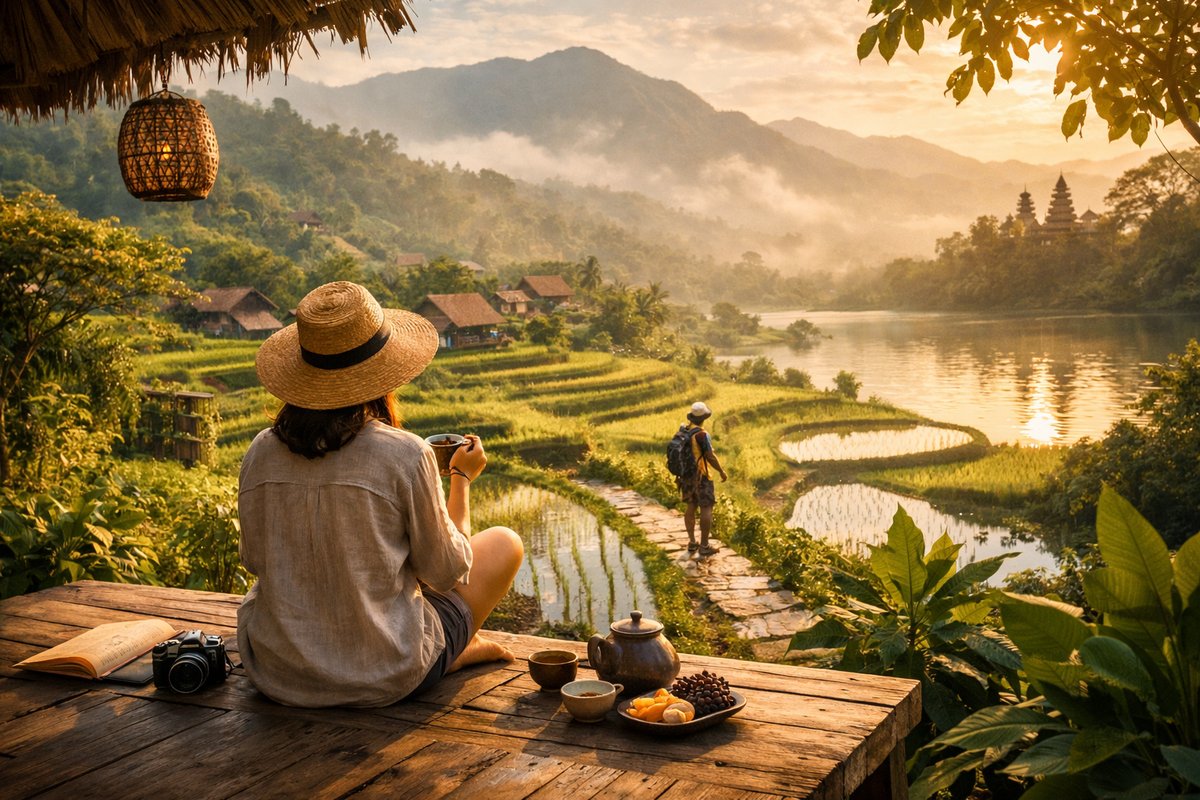
As the pace of modern life accelerates, a growing number of travelers are turning to slow travel to reconnect with the world and themselves. This approach invites exploration through lingering moments, immersive experiences, and mindful journeys that transform how we perceive places and cultures.
In a world dominated by rapid transit, instant information, and the ceaseless pull of productivity, slow travel has emerged as a meaningful antidote-offering a way to engage deeply with destinations and cultivate a richer sense of presence. Unlike traditional tourism focused on ticking off landmarks or maximizing itinerary efficiency, slow travel encourages lingering, reflection, and genuine connection with the environment and its people.
The philosophy of slow travel aligns with broader cultural shifts toward mindfulness, sustainability, and intentional living. It is not merely about moving slowly but about traveling thoughtfully, allowing space for serendipity and transformation. This approach often means choosing modes of transportation that prioritize experience over speed, such as trains, bicycles, or even walking, which open the door to discovering overlooked landscapes and small communities.
One inspiring example comes from the resurgence of rail journeys that highlight scenic routes and cultural immersion. Across various continents, rail operators have introduced services designed to slow the pace and enhance the journey itself. These trains traverse mountains, coastlines, and rural heartlands, offering panoramic views and opportunities to engage with local traditions. The allure lies in the rhythm of the rails, the chance encounters at small stations, and the sensory immersion-the smell of pine forests, the sound of distant waterfalls, the taste of regional delicacies served on board.
Similarly, cycling tours have blossomed as a sustainable, intimate way to explore regions at a human scale. Whether pedaling through vineyards, along canals, or across historic trails, cyclists experience the landscape’s nuances-the changing light, the texture of the road, the vibrant life of villages. This mode of travel fosters a sense of accomplishment and connection, demanding physical engagement and attentiveness.
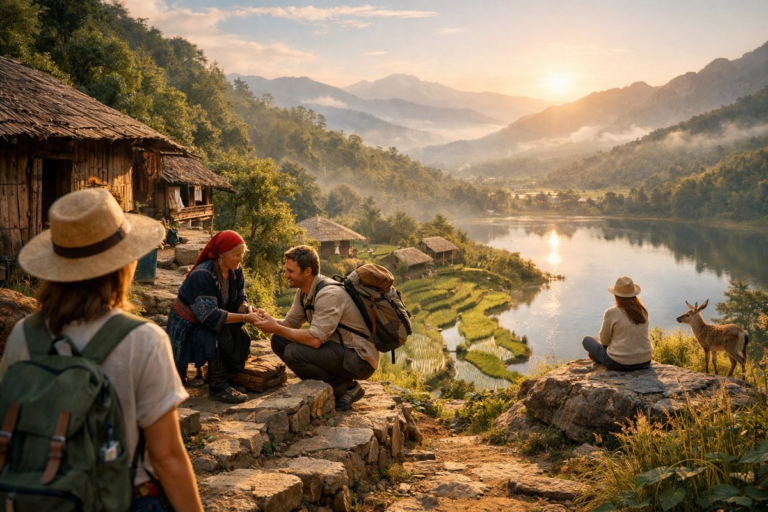
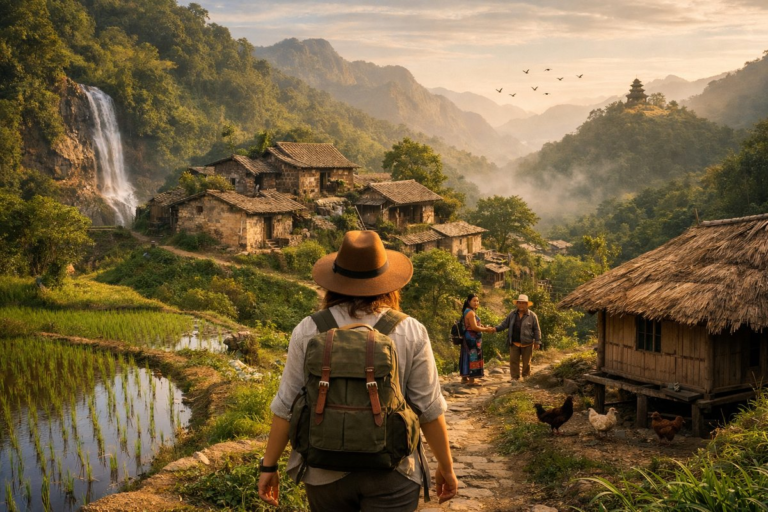
Slow travel also invites travelers to rethink accommodation choices, favoring homestays, eco-lodges, and community-run guesthouses over generic hotels. Such options often provide deeper cultural insights and support local economies. Engaging with hosts can lead to shared meals, storytelling, and participation in daily rituals that reveal the soul of a place beyond surface attractions.
The environmental benefits of slow travel are significant. By reducing reliance on airplanes and fast vehicles, travelers decrease their carbon footprint. Choosing sustainable lodging and supporting local businesses further aligns with ecological stewardship. Moreover, slow travel encourages respect for natural and cultural heritage, promoting preservation rather than exploitation.
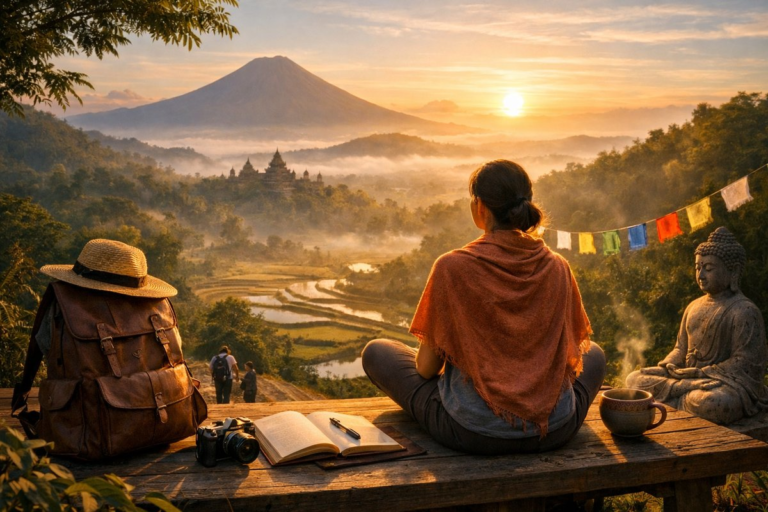
This approach to journeying is also an inward exploration. The slower pace allows for reflection, mental rest, and emotional openness. Many travelers report a sense of rejuvenation and clarity that comes from stepping out of hectic routines and immersing themselves fully in new environments. The practice nurtures curiosity and empathy, qualities essential for meaningful cross-cultural understanding.
Challenges remain in embracing slow travel widely. Time constraints, economic factors, and ingrained cultural habits around travel speed can be barriers. Yet, as technology advances and awareness grows, infrastructure supporting slower modes of travel is expanding. Digital tools help travelers plan flexible itineraries that prioritize depth over breadth, and communities increasingly recognize the value of welcoming visitors who linger respectfully.
For those inspired to embark on slow travel journeys, starting points can include selecting a single region to explore thoroughly, opting for train or bike over flights, and seeking accommodations that emphasize local engagement. Preparing with mindful packing-favoring versatile, sustainable gear-enhances comfort and adaptability.
Ultimately, slow travel invites us to see the world through a different lens: one that values quality over quantity, presence over haste, and connection over consumption. In doing so, it offers a pathway not only to new destinations but to renewed ways of relating to the places and people we encounter. The stories carried home from such journeys are richer, the memories more vivid, and the impact more lasting-both for the traveler and the world they touch.