Location
Mount Vernon, WA 98274

Location
Mount Vernon, WA 98274
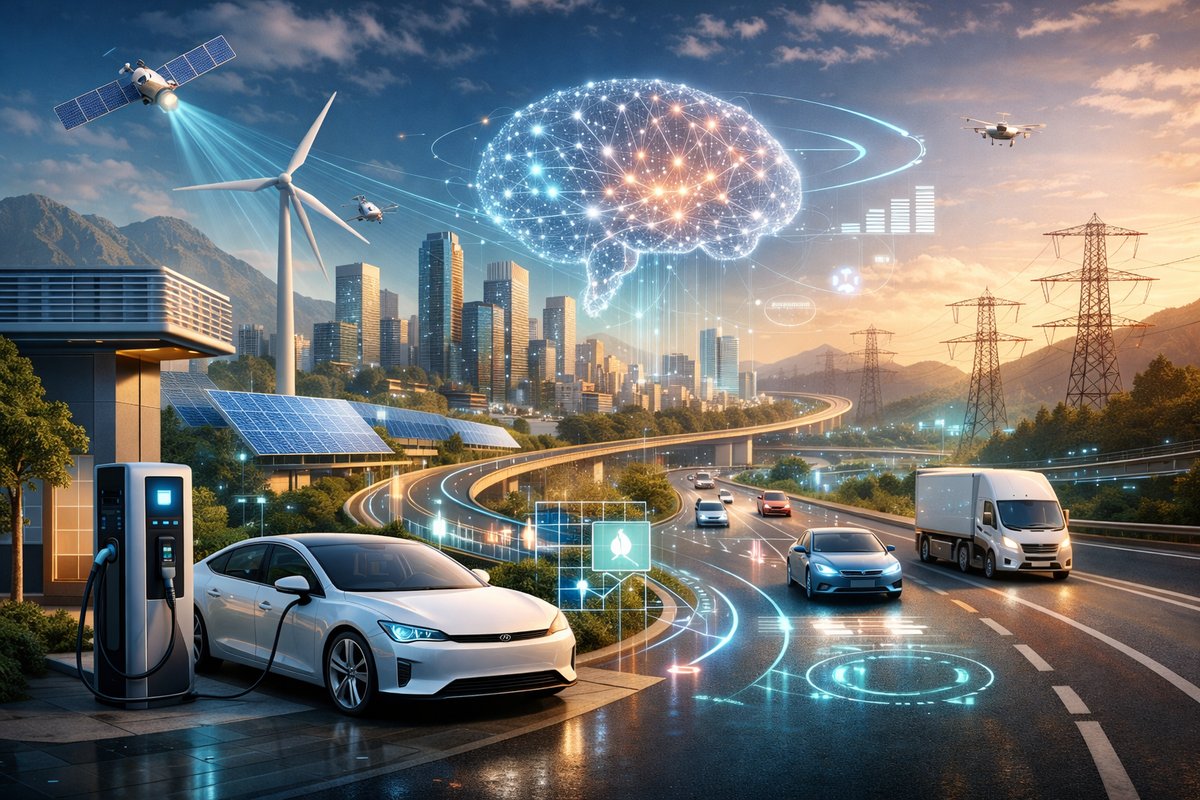
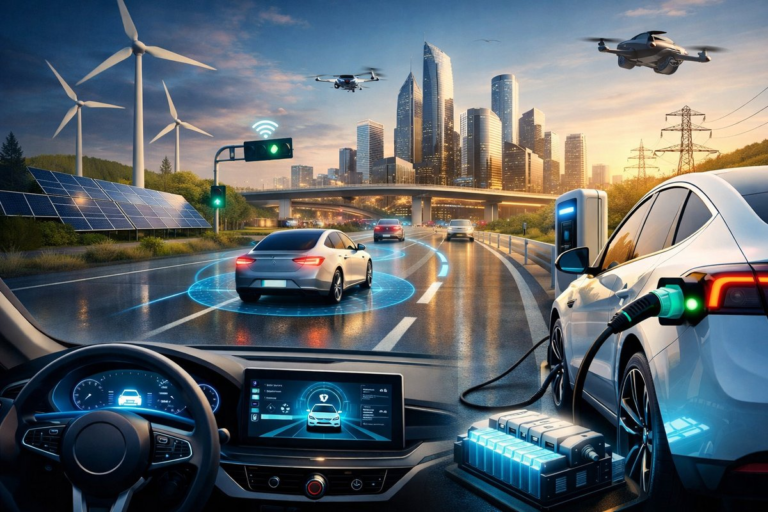
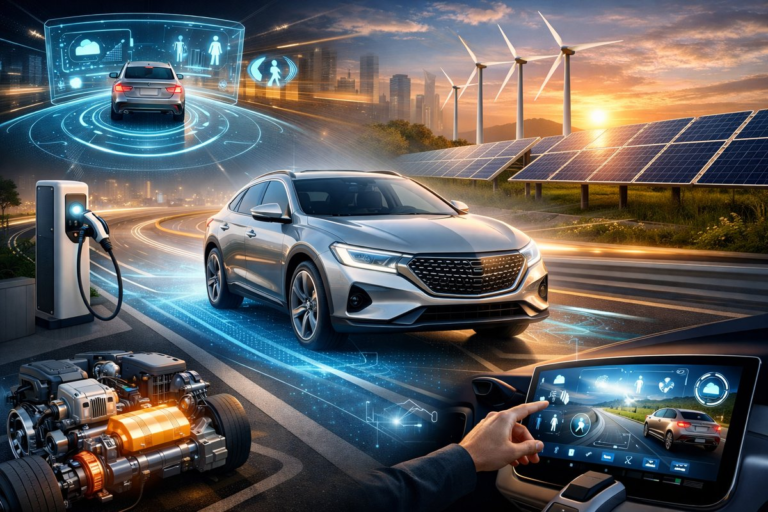
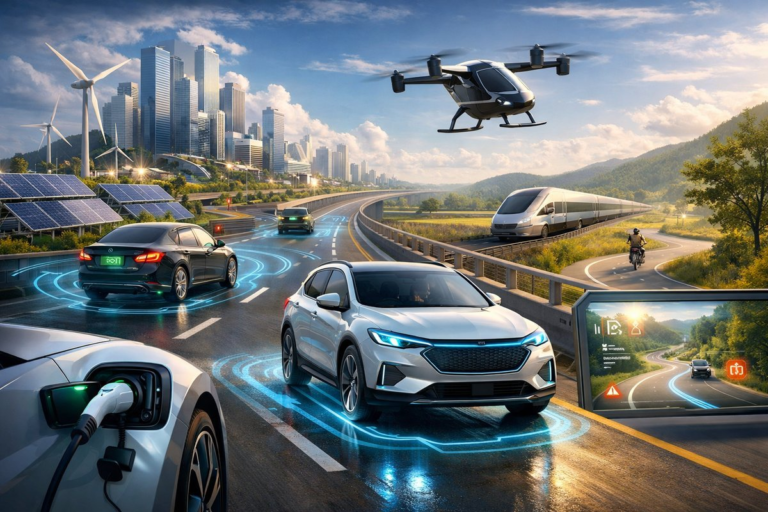
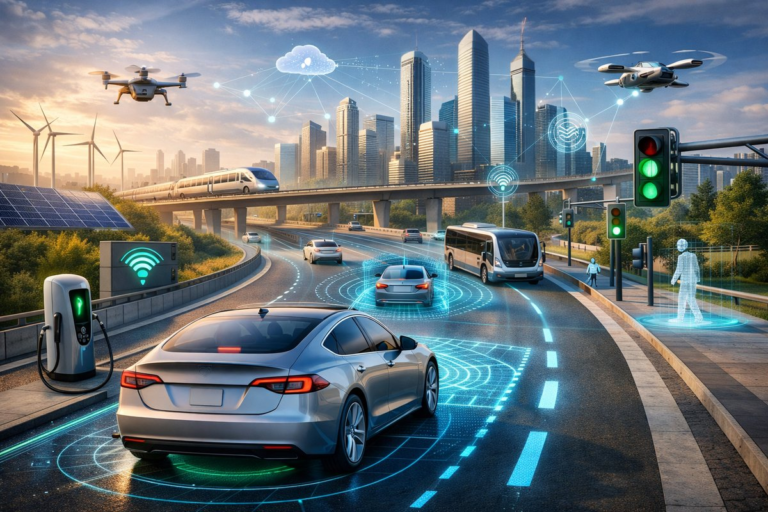
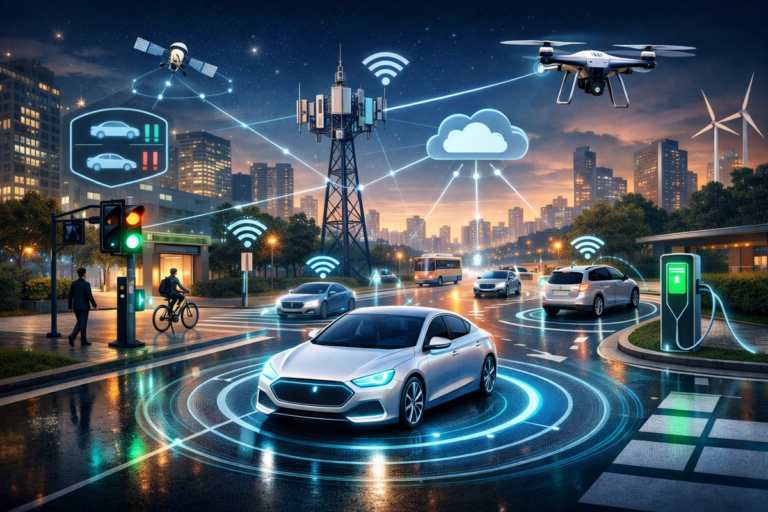
In cities and highways around the world, an unprecedented convergence is underway. Electric vehicles, smart charging networks, and artificial intelligence are weaving together to create a transportation ecosystem that adapts in real time, balances grids, and smooths the journey for every driver. This shift points to a future where vehicles not only move us across terrain but also stabilize energy systems and unlock new layers of convenience.
Across urban boulevards and open highways, a quiet revolution is rolling forward at the intersection of electrification, connectivity, and artificial intelligence. The familiar rumble of internal-combustion engines is giving way to the near-silence of electric motors, but the change goes deeper than just powertrains. Today’s vehicles are nodes in an adaptive network-charging stations that respond to grid demand, roadways that communicate real-time traffic insights, and onboard software that anticipates maintenance before a fault emerges. This isn’t science fiction. It’s the next chapter of transportation, unfolding now.
In the first half of last year, global sales of electric vehicles surged by more than 60 percent, driven by expanding model lineups and stronger charging infrastructures. Along key corridors in California, for example, a pilot program has equipped EV owners with chargers capable of “vehicle-to-grid” (V2G) operation, allowing parked cars to send stored energy back to the grid during peak demand hours. Early results show such V2G systems can shave as much as 15 percent off peak power costs for utilities, while participating drivers receive credits on their energy bills. Similar pilots in northern Europe, where wind farms create erratic surpluses, have yielded up to 80 megawatts of dispatchable storage capacity during afternoon peaks-enough to power tens of thousands of homes.
But the transformation extends far beyond bi-directional charging. Thanks to standardized communication protocols, next-generation charging ports exchange encrypted data with power networks and utility operators. That means chargers can throttle current to prevent grid overload, track energy usage to the nearest kilowatt-hour, and even anticipate demand spikes through machine-learning algorithms integrated at both the station and utility level. An adaptive charging network isn’t just a convenience-it’s a stabilizing force for renewables, smoothing the unpredictable output of solar and wind farms onto the grid.
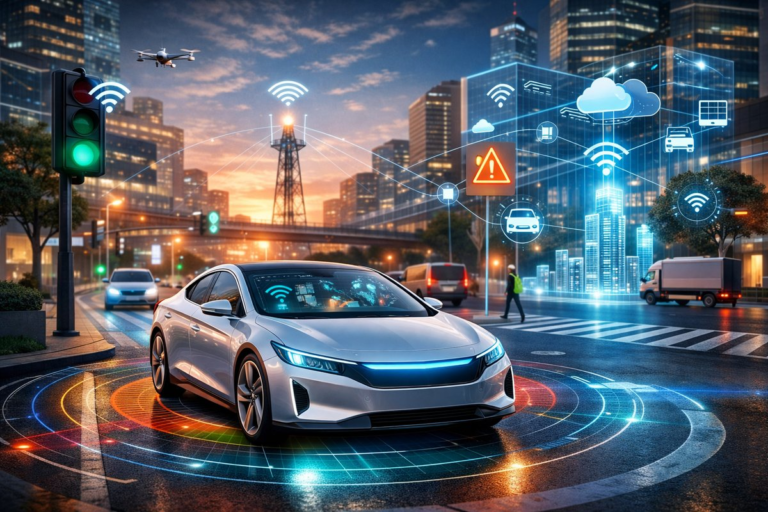
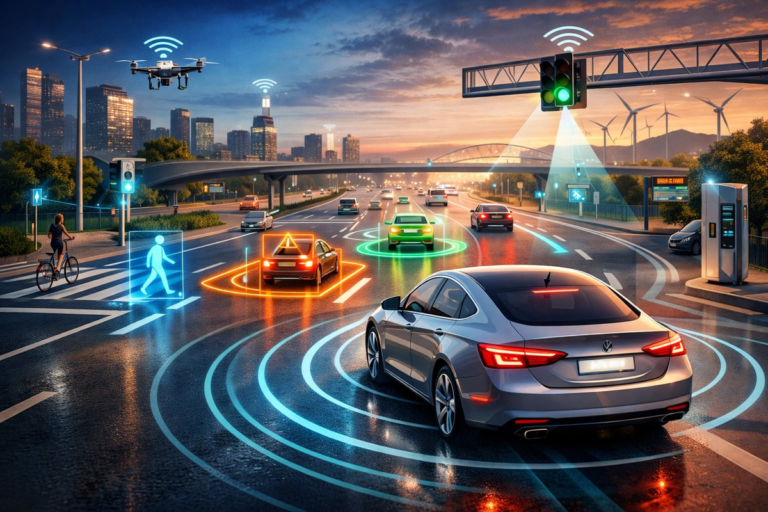
At the same time, highways and urban streets are getting smarter. In parts of Michigan and Germany, test sections of roadway embed wireless beacons that relay speed, weather, and traffic-density information to connected vehicles. Onboard AI systems fuse this data with live sensor streams-lidar scans, camera feeds, ultrasonic distance readings-to build a predictive map of the road ahead. The result: smoother speed adjustments, safer lane changes, and a reduction in sudden braking events that lead to congestion waves. Early deployments report up to a 25 percent drop in travel time variability, translating into more consistent commute durations and fewer bottlenecks.
Meanwhile, predictive maintenance platforms are reshaping fleet management for commercial transportation. By streaming diagnostic data-battery health metrics, coolant temperatures, motor torque readings-to cloud-based analytics engines, logistics companies can schedule service before an issue escalates. One trucking operator reported 30 percent fewer roadside breakdowns after equipping its fleet with real-time condition monitoring. The same data that feeds predictive maintenance can be anonymized and shared with municipal planners, offering granular insights into road wear patterns and informing more efficient maintenance schedules.
In passenger vehicles, software-driven features are becoming a differentiator. Over-the-air updates can add new driving modes, adjust regenerative braking profiles, or refine advanced driver-assistance functions months after a car rolls off the line. This continuous improvement model takes inspiration from smartphone ecosystems, turning each vehicle into a platform that evolves alongside its user’s needs. As automation becomes more sophisticated, companies are testing AI-driven chauffeur modes that navigate complex urban environments under human supervision. While fully driverless service remains a few regulatory and technical milestones away, these supervised systems are laying the groundwork for tomorrow’s mobility services.
Connectivity plays a central role in forging this new paradigm. Embedded telematics modules link vehicles to fleet operations centers, utility control rooms, and infrastructure managers. Open-data initiatives in major metropolises now aggregate anonymized trip data to optimize signal timing, prioritize emergency-vehicle corridors, and even guide dynamic toll pricing. By coordinating traffic flows at the system level, cities can reduce stop-and-go conditions that burn excess energy and generate unnecessary emissions.
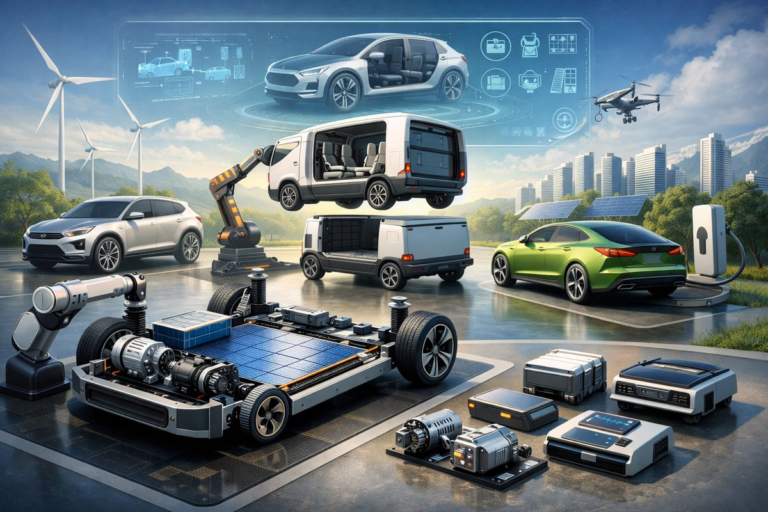
As these intertwined technologies scale up, sustainability remains both a goal and a metric. Automakers are exploring recycled materials for battery enclosures, while recycling facilities sharpen techniques to recover critical metals like lithium and nickel. On the infrastructure side, solar canopies over charging plazas generate renewable power on-site, reducing dependence on fossil-fuel peaker plants. In one European port city, a network of solar-augmented chargers has supplied more than 40 percent of its energy from rooftop photovoltaics during daylight hours, significantly cutting the carbon footprint of local ferries and cargo trucks.
Despite the momentum, challenges persist. Grid operators must upgrade aging substations to handle two-way energy flows and invest in cybersecurity measures that guard against malicious interference. Urban planners wrestle with equitable charger distribution, aiming to serve underserved neighborhoods that historically lack private garages. Data privacy advocates emphasize transparent policies for how vehicle-generated information is collected, stored, and used. Ensuring that the benefits of electrification and connectivity reach every community demands coordinated policy frameworks and collaboration between private stakeholders and public agencies.
Yet even with these hurdles, the horizon is bright. Imagine a future where an electric SUV charging overnight doubles as a backup power source during a blackout, seamlessly switching its stored energy back to your home. Picture highways that adapt lane assignments in real time to ease rush-hour congestion, guided by predictive models that factor in special events, weather forecasts, and historic traffic patterns. Envision fleets that self-diagnose, self-schedule for maintenance, and self-optimize routes for minimal environmental impact-all while passengers relax under tinted smart-glass roofs and personalized climate controls.
We stand at the dawn of a new era in transportation-one in which vehicles, energy systems, and intelligent infrastructure converge to redefine how we move people and goods. This convergence promises not only cleaner streets and quieter commutes but also a more resilient and adaptive mobility ecosystem. As electric vehicles become integral grid assets, and as roads evolve into interactive platforms for data exchange, the line between driving and being driven will blur. In that space lies an opportunity to craft a more efficient, sustainable, and human-centered transportation future-journeys powered by electrons, orchestrated by algorithms, and infused with the freedom to roam farther than ever before.