Location
Mount Vernon, WA 98274

Location
Mount Vernon, WA 98274
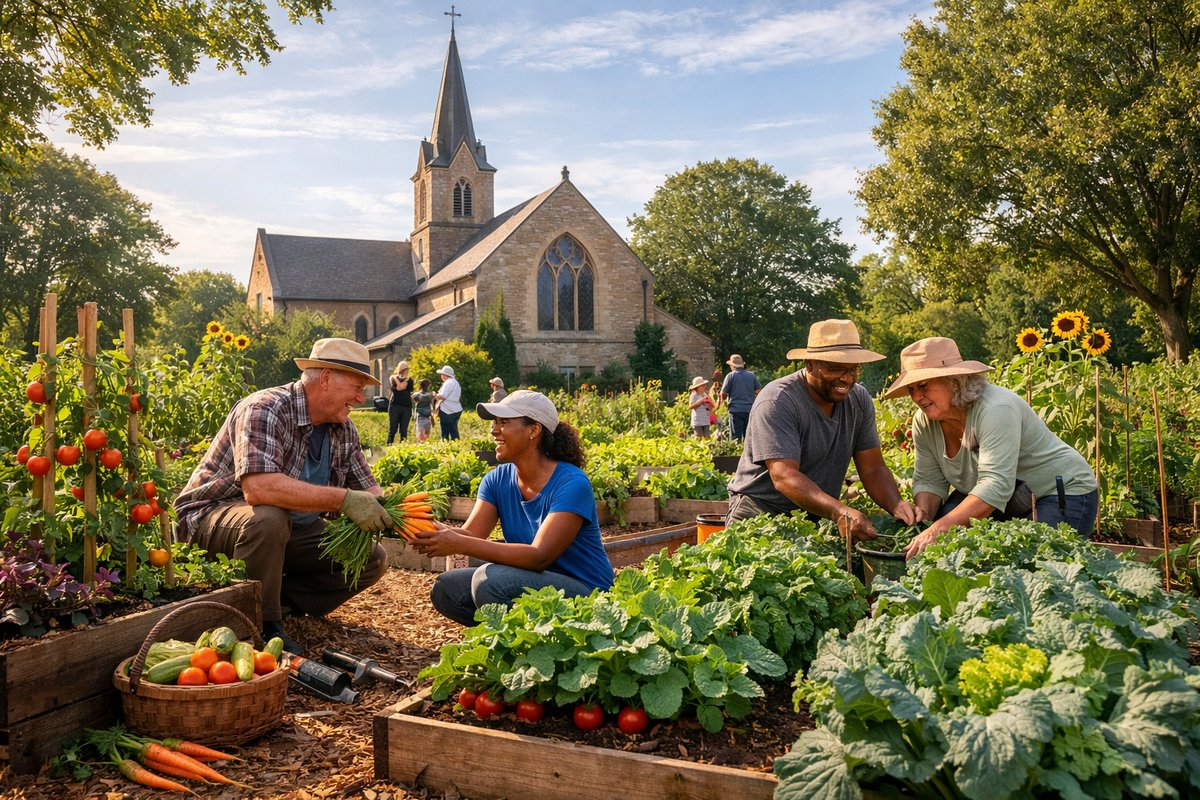
From vacant lawns to thriving vegetable plots, churches across the country are transforming underutilized spaces into community gardens. This movement not only addresses food insecurity but also fosters mental well-being and deeper spiritual connections through hands-on cultivation and collaboration.
In neighborhoods from small towns to large cities, church parking lots and green spaces are blossoming into plots of lettuce, kale, tomatoes and herbs. What started as an experimental initiative in a handful of urban congregations has grown into a nationwide trend: Christian communities embracing community gardens as expressions of environmental stewardship and neighborly care.
According to a recent report by a faith-based environmental coalition, more than 200 congregations launched garden projects last year alone, collectively yielding over 10,000 pounds of fresh produce. These church gardens serve multiple purposes: they supply local food banks, support vulnerable families, and offer a living classroom where volunteers of all ages engage in prayerful labor alongside soil and seed.
At Grace Fellowship in Dayton, Ohio, a former lawn divided into raised beds now produces half a ton of vegetables each season. Pastor Andrea Ruiz recalls the earliest conversations over coffee and bulletins. “Our team wanted a practical way to care for Creation and our neighbors who face hunger every day,” she explains. “The garden became both a ministry and an act of worship-hands in the dirt, hearts lifted in prayer.” Volunteers meet weekly to plant, water and harvest, often pausing to read a psalm or share concerns before returning to work.
Partnerships with local agencies amplify the gardens’ impact. Second Harvest Food Bank in the region collects surplus produce and distributes it through mobile pantries. Church volunteer coordinator Malik Thompson notes that this collaboration has doubled the reach of their outreach efforts. “Items we can’t use fresh in our own community dinners still find their way to families across five counties,” Thompson says.
Beyond addressing hunger, church gardeners point to unexpected benefits for mental health and social cohesion. A 2022 survey by a major psychological association found that outdoor group activities reduce symptoms of anxiety and depression by as much as 30 percent. Participants in faith communities often describe the rhythm of planting and harvesting as a form of contemplative practice-a way to slow down, bear witness to new life, and find solace in routine labor.
“When I was going through a difficult season, I found peace kneeling in the soil,” says Elaine Parker, a retiree who leads an intergenerational gardening circle at St. Mark’s Episcopal. “We lifted each other up with prayers and potted basil cuttings. It changed how I connect prayer and daily life.” Her group uses a simple watering schedule app to share reminders and prayer requests, blending digital tools with hands-on ministry.
Environmental theologians point to a growing theological emphasis on Creation care. Dr. Linda Brown, a professor at a leading seminary, characterizes the garden movement as a living sermon on bearing fruit. “The biblical motifs of sowing and reaping take on new meaning when congregations cultivate actual crops. It bridges ancient Scripture and contemporary concerns about climate, justice and community resilience.”
Launching a garden is not without challenges. Soil testing often reveals contamination in urban lots, requiring raised beds filled with clean topsoil. Zoning restrictions, volunteer recruitment and startup costs can also pose obstacles. Many congregations address these hurdles through microgrants from church networks or local foundations. Some have organized tool-sharing cooperatives to reduce expenses and build connections with neighboring faith communities.
At Mount Zion Baptist in Cleveland, leaders turned to composting to amend poor soil, salvaging kitchen scraps from church potlucks and nearby cafes. “It’s recycling at its finest-and it teaches stewardship in a practical way,” says youth minister Carlos Vega. “Our teenagers see how food scraps become soil boosters, and it sparks conversations about waste, consumption and care for Creation.” The finished compost feeds tomato vines that later end up in community meals.
In coastal communities, where salt air and sandy soil present other challenges, congregations adapt by selecting salt-tolerant herbs like rosemary and mint. Volunteers craft simple drip irrigation systems from recycled materials, ensuring plants thrive even during seasonal droughts. These creative responses underline the resourcefulness that faith groups bring to local environmental and social issues.
Volunteerism itself fosters intergenerational relationships. Teenagers mentor younger children in planting seeds and identifying pests, while senior members share memories of family farms and heirloom seeds. These shared experiences strengthen bonds and create a sense of collective purpose across age groups.
Many churches integrate their gardens with worship and spiritual formation. During harvest festivals, congregations distribute produce in reusable bags printed with Scripture verses. Sermons draw on passages about sowing, growth and gratitude. Some communities hold outdoor prayer vigils among the beds, offering silent reflection on seasons of trial and renewal.
Education is also central. Workshops on soil science, pollinator habitats and organic pest control attract both gardeners and curious neighbors. Partnerships with local universities and master gardener programs bring expertise and encourage ongoing learning. Attendees leave with practical skills and a renewed sense of hope rooted in shared labor toward the common good.
This blending of faith, ecology and social outreach resonates with broader cultural concerns about sustainability and community resilience. As consumers seek local, responsibly grown produce, church gardens model a low-tech, relationship-driven approach. They demonstrate how a small plot of land can yield fresh food and flourishing connections among volunteers, recipients and passerby who stop to admire the rows of bright green leaves.
Looking ahead, several coalitions are exploring ways to measure the gardens’ long-term impact on food security and community health. Pilot studies track nutritional outcomes among families receiving produce and survey participants about changes in stress levels and social ties. These data promise to guide future support and inspire more congregations to turn their churchyards into places of planting and prayer.
For congregations considering their first garden, seasoned organizers offer simple advice: start small with a few raised beds, recruit a core team, and reach out to local partners for resources and expertise. Begin with a clear vision that connects spiritual values with practical outcomes-whether feeding hungry neighbors, nurturing volunteers’ well-being, or honoring the Creation entrusted to human care.
In a time when many seek tangible ways to live out their convictions, church community gardens stand as hopeful examples. They remind believers and observers alike that faith can take root in dirt under our fingernails, in shared laughter among rows of green, and in the quiet promise of a seed becoming sustenance for body and soul.
The movement is still young, but its fruits are already nourishing congregations, stretching across landscapes and traditions. As more churches plant gardens, they cultivate more than vegetables-they sow hope, community and a deeper sense of what it means to worship through loving care for neighbors and Creation.