Location
Mount Vernon, WA 98274

Location
Mount Vernon, WA 98274
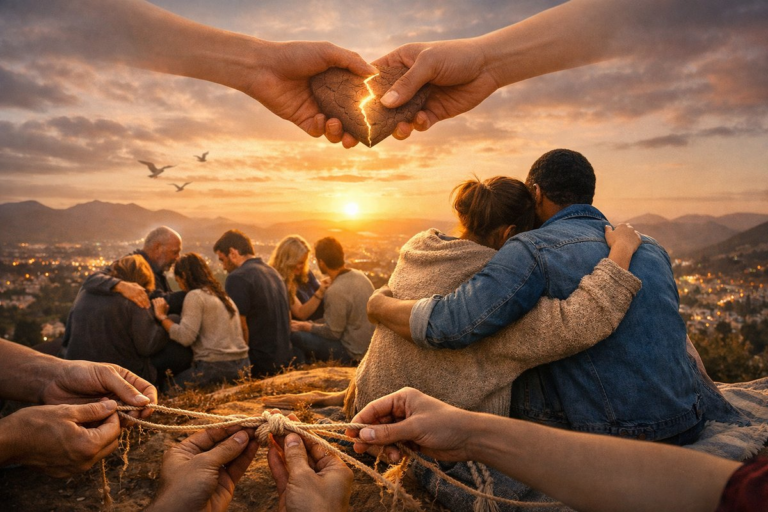
Across towns and cities, grassroots initiatives are transforming isolated individuals into connected neighbors. Through community gardens, mutual aid networks, and peer support circles, volunteers are rediscovering purpose, tackling mental health challenges, and nurturing hope in the face of adversity.
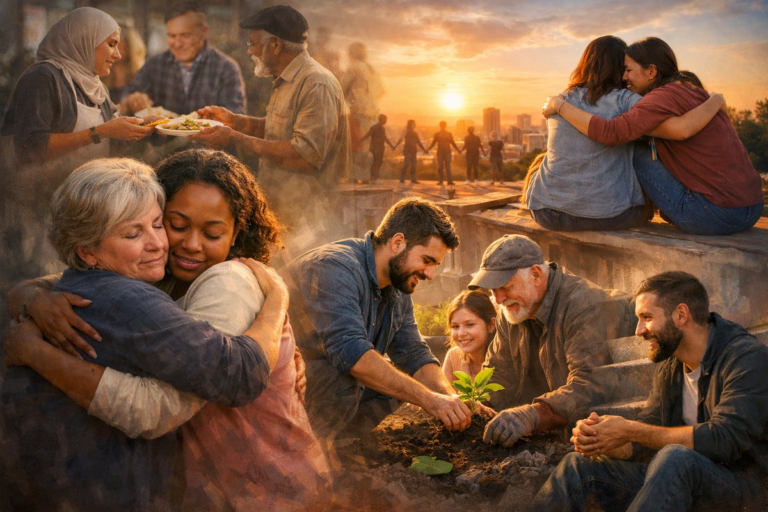
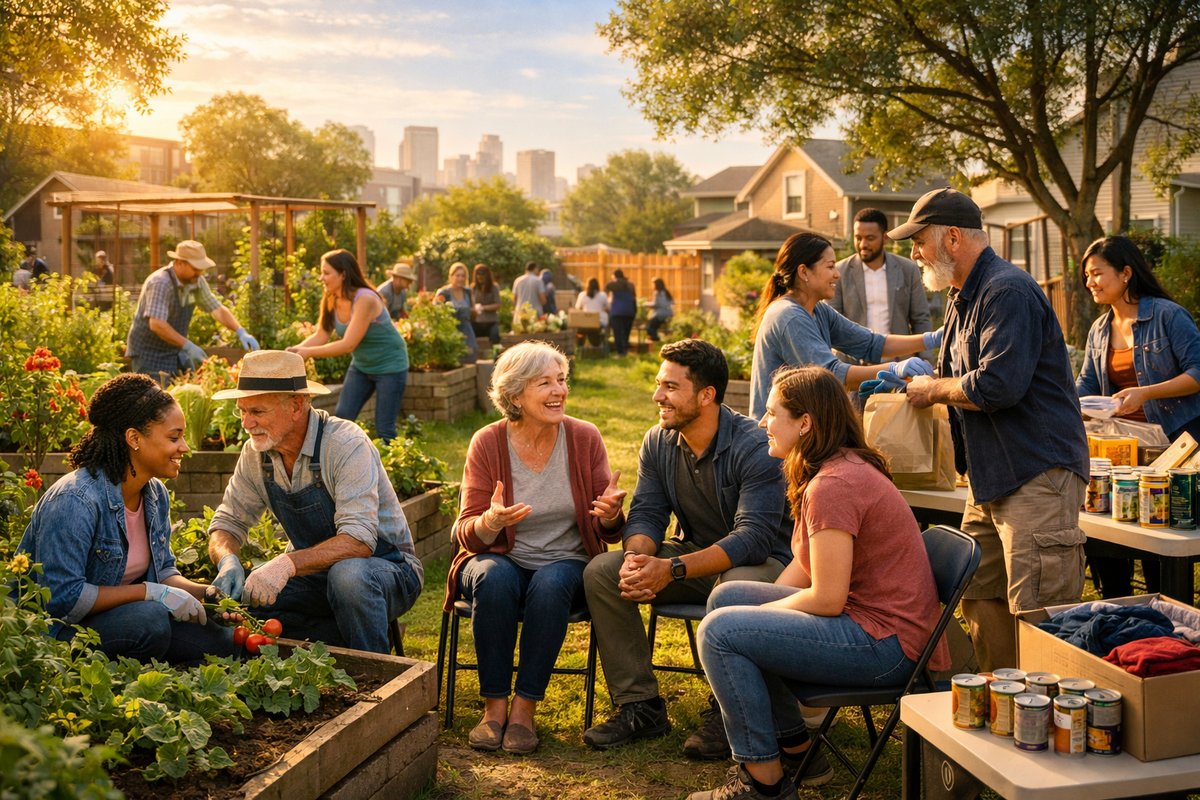
On a crisp spring morning in a small riverside town, a dozen volunteers assemble wheelbarrows, shovels, and young tomato seedlings beneath the branches of an old oak tree. What began as a modest community garden to supply fresh produce to a local food pantry has blossomed into a gathering place where neighbors share stories, tools-and sometimes tears. Amid the rows of lettuce and beans, friendships are forming, mental health struggles are being voiced, and a quiet courage pulses through every seedling.
This pattern is emerging nationwide. From dense urban neighborhoods to remote rural hamlets, grassroots projects are knitting people back together after years of social distancing, economic uncertainty, and isolation. Volunteer-run meal delivery teams navigate side streets with insulated food carriers, while pop-up art workshops in school gymnasiums invite residents to paint murals of resilience. Peer-led support circles meet in reopened libraries, offering safe spaces for anyone wrestling with anxiety, job loss, or the ache of loneliness.
In Riverbend, Ohio, the food pantry garden now spans half an acre. Volunteers range from retirees seeking purpose to young professionals craving face-to-face connection after hours glued to their screens. On Saturdays, families bring children who learn to plant seeds alongside neighbors they never knew. As one volunteer muses, “When I tuck my kids into bed, they talk about Mr. Ortiz’s compost heap instead of their video games. I’ve never felt more hopeful.”
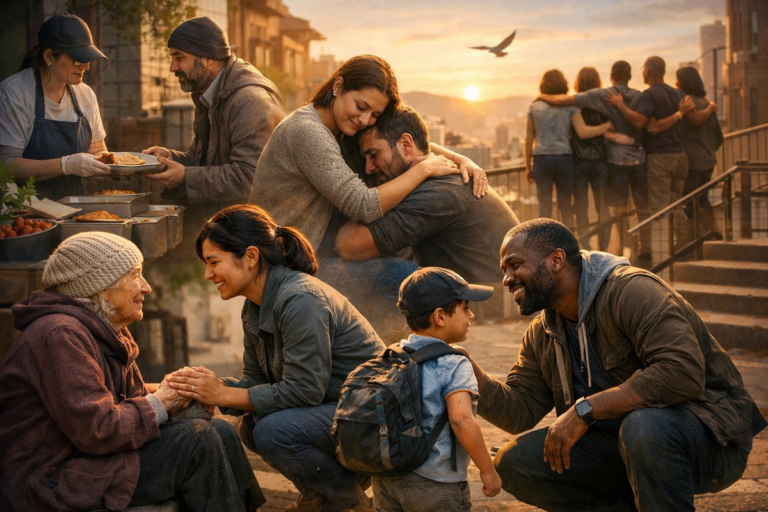
Over 500 miles away, in a neighborhood of high-rise apartments, a mutual aid network organizes weekly meal swaps: casserole for curry, soup for stew, pies for pasta. What started as a private group chat to check on elderly residents has grown into a rotation of cooks who deliver heart-warmed dishes in insulated pouches-with room for recipe cards and a handwritten note. Beyond the nourishing food, the daily visits have become lifelines to older adults who once feared they’d fade into obscurity.
Mental health professionals are taking note. Clinicians report that patients who volunteer-even for short shifts-experience fewer depressive symptoms and report higher life satisfaction. Local libraries, sensing this shift, have repurposed meeting rooms into peer support hubs. These circles are open to anyone seeking a listening ear: new parents overwhelmed by isolation, former gig-economy workers struggling to find stable ground, and teens yearning for a judgment-free zone.
Inside one such circle in an old brick library, a young teacher shares her struggles with burnout. A retiree listens, noting how she once battled similar doubts before finding solace in woodworking. Another member produces a set of watercolor pencils and offers a brief art-therapy exercise: “Let’s paint the emotion that we carry today.” In minutes, walls once steeped in silence fill with splashes of color-stormy grays, hopeful yellows, soft blues.
Community art projects have become anchor points in several cities. In San Diego, volunteers are painting a 200-foot mural on the side of a youth center. The design incorporates local wildlife, favorite foods, and handprints of every volunteer, young and old. “We’re literally leaving bits of our hearts on the wall,” says an organizer. The mural launch included live music, free face-painting, and a pop-up book swap-blurring the lines between celebration and solidarity.
Despite these triumphs, challenges persist. Volunteers grapple with resource shortages, weather delays, and the emotional toll of witnessing neighbors in crisis. Burnout is a real threat; coordinating schedules, sourcing materials, and offering constant emotional support can stretch organizers thin. Yet many insist the struggle is worth it. “After building six raised beds, I don’t just see soil,” says a high school counselor. “I see hope taking root.”
Nonprofits and municipal offices are stepping up to provide modest grants for supplies such as gardening gloves, paintbrushes, and insulated food carriers. Local businesses donate notebooks and mindfulness journals for peer support groups. One town library even invested in a solar-powered lantern that travels to evening gatherings in parks, extending conversations well past sundown.
These efforts speak to a deeper longing: the search for purpose and unconditional connection. In online surveys, volunteers consistently report that their involvement rekindles a sense of belonging, reduces feelings of anxiety, and sharpens empathy for others’ hardships. As isolation yields to interaction, neighborhoods once fractured by distrust are piecing together new social ties.
Experts argue that this grassroots wave offers a blueprint for long-term resilience. Urban planners are studying community garden models as antidotes to food deserts; mental health advocates are recommending peer-led hubs as complements to therapy; public health officials are noting decreases in stress-related hospital visits in areas with robust volunteer programs.
But beyond statistics and research, the true measure lies in human stories. The single mother who found a coworker-friend planting carrots beside her; the veteran who swapped uniforms for overalls and rediscovered purpose through composting; the teenager who once avoided eye contact in hallways but now leads weekend mural workshops-these are the faces of a movement grounded in empathy and the courage to rise again.
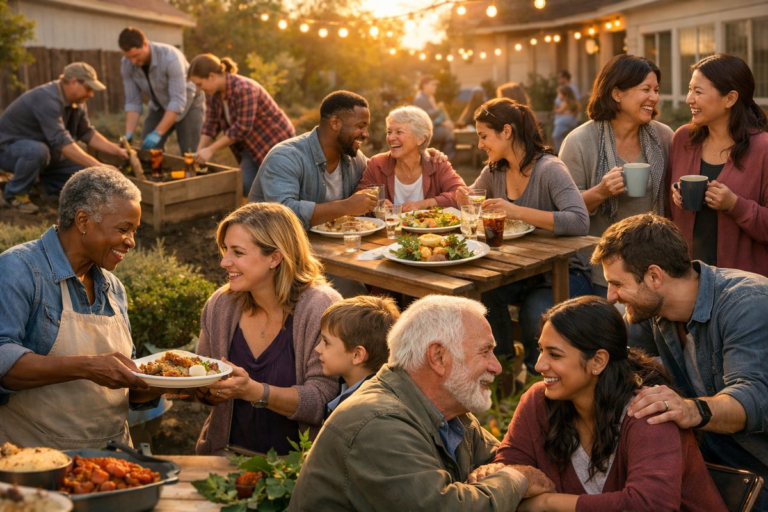
As summer unfolds, volunteers across the country are planning block parties, night-sky story circles under string lights, and mobile book-and-tool libraries for streets that lack public services. Even the simplest act-handing someone a journal and a pen-can spark reflection that ripples outward. In a world hungry for connection, these gestures shine as quiet beacons of hope.
Whether planting seeds or painting walls, delivering meals or lending an ear, neighbors are rediscovering that we rise by lifting others. It’s a lesson both timeless and urgently needed, a testament to the resilience that makes us beautifully human.
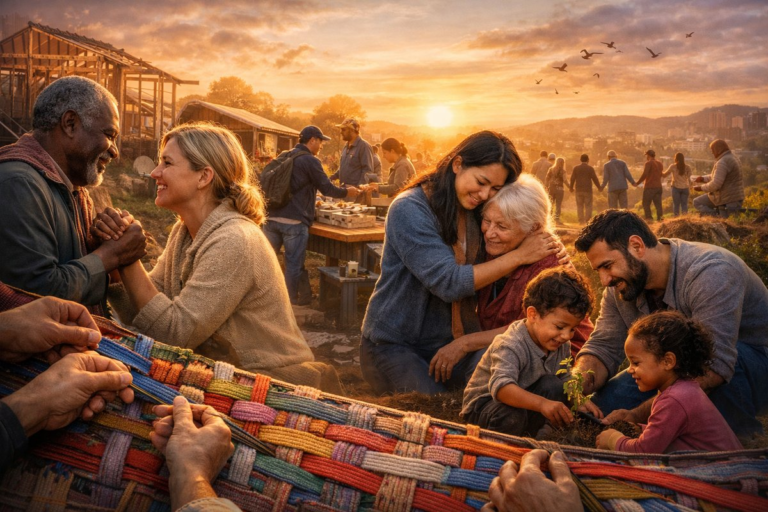
May these stories inspire more hands to dig, more voices to speak, and more cups of tea to be shared across front porches. Because when people come together, every shovel of soil, every brushstroke, and every heartfelt conversation becomes part of a living tapestry-one that honors struggle, celebrates growth, and holds space for hope to flourish.