Location
Mount Vernon, WA 98274

Location
Mount Vernon, WA 98274
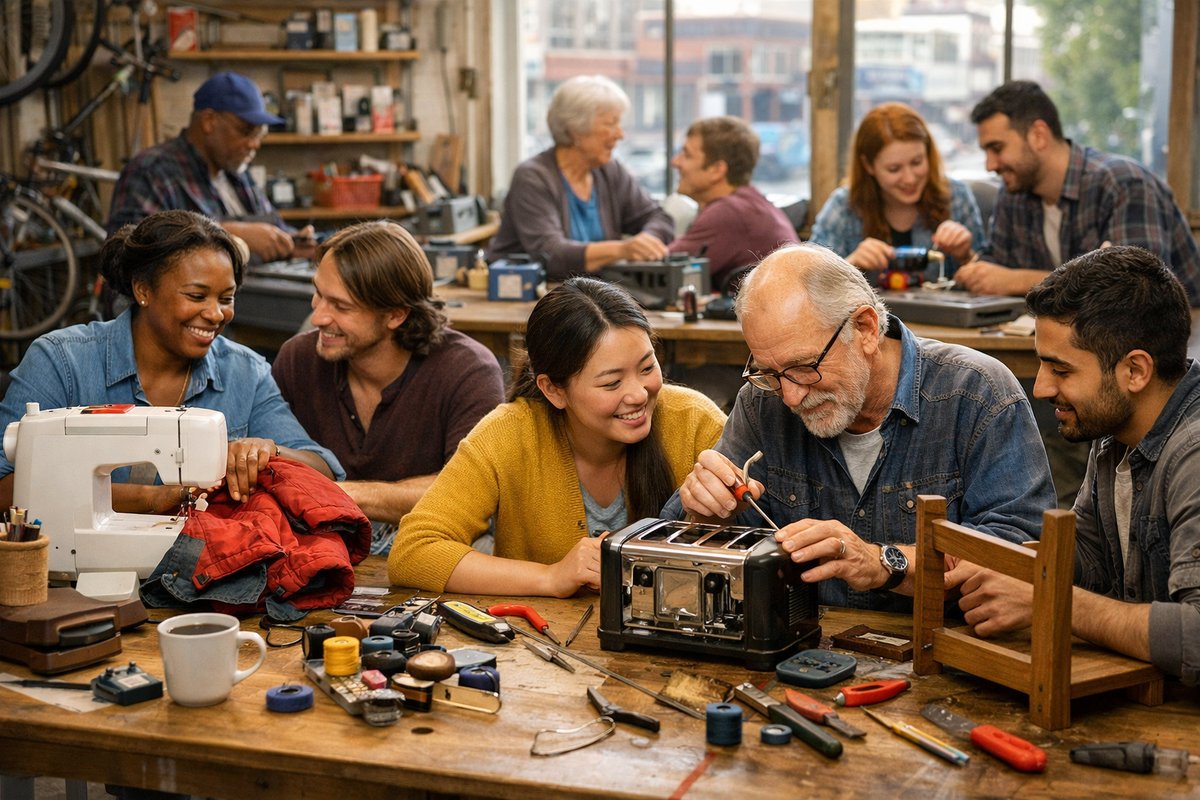
In city neighborhoods around the globe, volunteer-run repair cafés are emerging as hubs of creativity, learning, and connection. By bringing broken toasters, torn jackets, and rattling chairs to communal worktables, residents are rediscovering hands-on skills, forging unexpected friendships, and turning waste into opportunity.
In a sunlit community hall at the edge of a bustling district, half a dozen residents ring a long table cluttered with broken electronics, faded fabric scraps, and dental floss-thin wires. The buzz of conversation mingles with the occasional hum of a soldering iron. This is a repair café: a grassroots gathering where volunteers teach practical skills to revive household items and, in the process, nurture resilience and belonging.
Around the world, more than 2,200 repair cafés now operate in over 30 countries. What began in a small Dutch town as an experiment to curb landfill waste has grown into an international movement. Yet the movement’s true energy comes not from environmental statistics but from its unassuming power to transform the way we relate to possessions-and to one another.
When an electric juicer arrives with a loose motor coil, a retired engineer gently steers a young parent through the steps of disassembly. While a visiting student carefully stitches a fraying coat under the guidance of a tailor, neighbors drifting through the door trade repair stories with strangers turned impromptu allies. In these moments, failure becomes a chance to learn and to bridge generational divides.
For many participants, the repair café is more than a free fix-it service. It’s a sanctuary from the anonymity of urban life. A freelance illustrator recalled arriving for the first session feeling isolated after moving across the country. As she learned to rethread her sewing machine-her grandmother’s old wedding gift-she found herself sharing recipes, laughter, even life advice with fellow menders.
This emerging culture of shared repair is fueled by a simple principle: knowledge multiplies when it is given away. Volunteers offer expertise in electronics, textiles, furniture restoration, and even bike maintenance. They bring spare parts and recycled materials donated by local shops. Participants contribute broken objects, curiosity, and gratitude. Over time, cafés become incubators for new skills and micro-communities built on mutual aid.
Beyond the warmth of camaraderie, there’s tangible impact on waste reduction. A recent analysis by a European sustainability nonprofit found that communities hosting repair cafés saw up to a 25 percent drop in small-appliance disposal. In cities grappling with overflowing landfills, this shift offers both practical relief and a deeper message: we can resist the throwaway mindset that defines so much of modern consumption.
Some cafés have evolved into creative labs where discarded objects spark experiments in upcycling. A lampshade crafted from repurposed circuit boards; tote bags stitched from colorful fabric scraps donated by fashion studios; side tables built from reclaimed wood-all speak to a resourcefulness born of collaboration.
Yet the movement isn’t without its challenges. Securing a consistent venue, sourcing replacement parts, and recruiting skilled volunteers require persistent coordination. Some organizers worry about liability when a repaired item malfunctions later. To manage risk, many cafés ask participants to sign basic waivers and rely on shared safety protocols for tools and electrical work.
Local governments are taking notice. In several cities, municipal grants now support the launch of new repair cafés, framing them as tools for both waste diversion and community engagement. Public libraries, youth centers, and cultural hubs have opened their doors for weekly meetups-providing free spaces and promoting events through city newsletters.
Digital platforms also play a part. An online map of global repair cafés helps curious residents locate nearby events and RSVP. Forums connect volunteer fixers with organizers seeking specific expertise-from watch repairers to upholstery specialists. These networks ensure that even small towns and low-income neighborhoods can tap into the broader repair movement.
At the heart of each session lies an unspoken lesson: broken things need not be discarded, and humans need not be isolated. When a teenager learns to solder under the patient watch of a pensioner, both discover unexpected value. The teenager gains a skill that could pay a future bill; the pensioner rediscovers purpose beyond retirement.
Parents bring restless children, hoping a simple toy repair will hold their attention. Instead, they leave with a glimpse of intergenerational solidarity as someone’s grandmother teaches a three-year-old to press fabric with care. These gentle acts of mentorship become the threads that stitch together neighborhoods frayed by modern life.
Repair cafés also foster emotional resilience. Confronting failure in a supportive environment-learning that mistakes are part of the process-translates into life lessons. Clinic coordinators note that participants often report fewer feelings of helplessness and greater confidence in tackling daily challenges after a few sessions.
In a world where digital abstractions dominate, the tactile satisfaction of tightening a screw or restoring a fabric seam engages more than just the hands. It engages the mind, rekindles curiosity, and reminds people that they possess agency. By repairing a beloved item, they reclaim control in a culture that often insists on buying new.
Some repair cafés have expanded their mission to include financial empowerment. Workshops on budgeting household repairs, buying quality tools, and valuing long-term maintenance have become staples. Attendees leave not only with their resurrected toaster but also with a deeper understanding of consumption’s true costs.
Community leaders see repair cafés as fertile ground for broader social innovation. Pop-up cafés have paired repair skills with legal clinics, helping tenants fix broken door locks while consulting on housing rights. Others have introduced health-screening pop-ups alongside skill-sharing tables, blending tangible fixes with personal well-being check-ins.
Despite the movement’s rapid growth, its core ethos remains humble. There is no profit motive. No marketing blitz. At its best, a repair café is simply a gathering of people who believe that things-and relationships-are worth saving.
For those seeking to start a local chapter, the first step is assembling a small team of volunteers willing to host a trial session. Securing a versatile space, gathering basic repair tools, and spreading the word through community boards or social media can be enough to test demand. Partnerships with repair-focused businesses or nonprofits can supply spare parts and volunteer instructors.
As the global repair café network collects stories of revived blenders, bikes, and broken hearts, one truth stands out: when we fix together, we heal together. Whether driven by environmental urgency or a yearning for genuine connection, participants find in each repair session a reflection of life itself-imperfect, collaborative, and endlessly hopeful.
In city halls, community centers, and church basements, repair cafés are quietly reweaving the bonds that once held neighborhoods together. By sharing tools, time, and wisdom, participants transform brokenness into belonging. And in that alchemy, they discover that the greatest repairs often involve faces, not fuses-and that rebuilding community can begin with one soldered joint, one stitched seam, and one shared conversation at a table lined with well-worn tools.