Location
Mount Vernon, WA 98274

Location
Mount Vernon, WA 98274
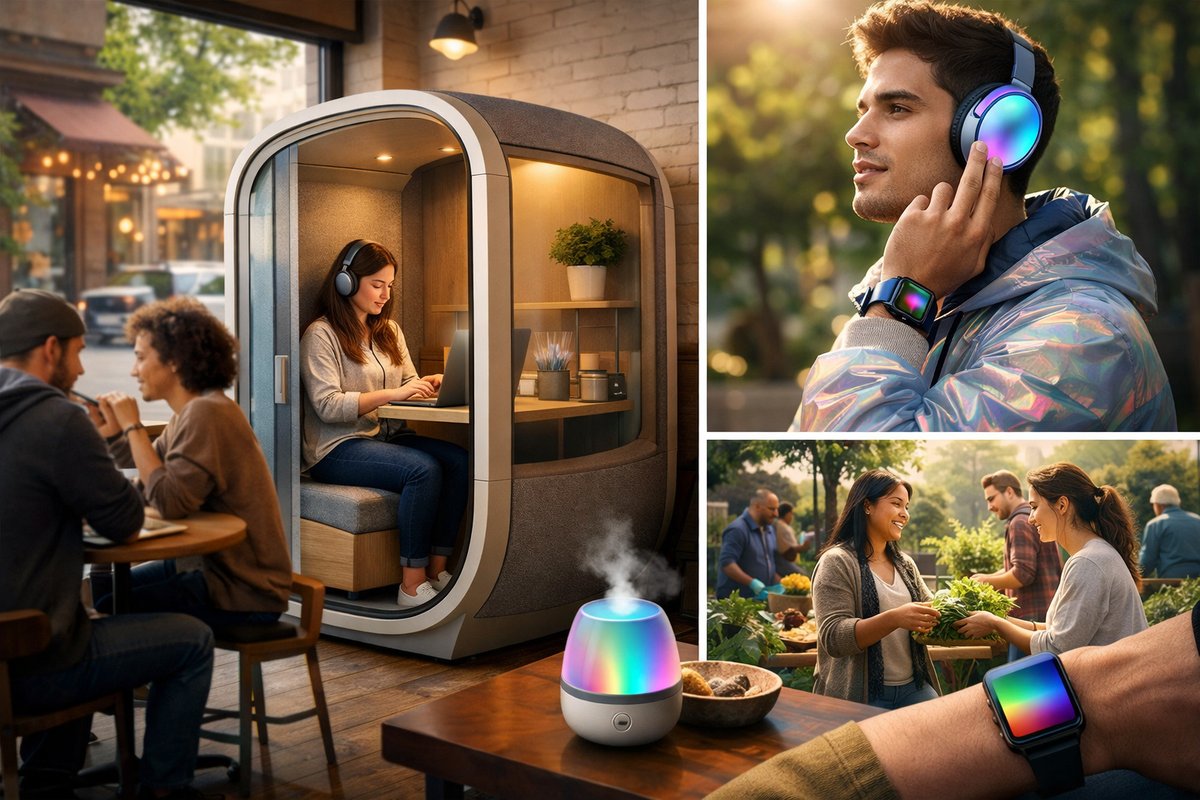
From pop-up work pods in neighborhood cafés to color-adaptive wearable tech, a wave of micro-trends is reshaping daily routines. These nimble shifts-from hyper-local community exchanges to sensory micro-immersions-offer fresh paths to connection, self-expression, and sustainable living.
In recent months, a constellation of small-scale innovations has begun to alter the texture of daily life. While blockbuster trends still command headlines, it’s the subtler shifts-often unnoticed until they coalesce into recognizable patterns-that reveal where communities and individuals are truly headed. These micro-movements emerge at the intersection of necessity and desire, driven by a need for flexibility, personalization, and emotional rejuvenation. By decoding these signals of change, we can glimpse the contours of tomorrow’s rituals, design strategies, and social architectures.
One of the most visible ripples across urban centers is the proliferation of ad hoc workstations in unexpected corners. Independent cafés, converted shipping containers, and even repurposed street kiosks are hosting hourly rentals of foldable desks and seating pods. Recent data from a commercial real estate study shows a 35 percent uptick in short-term desk bookings at nontraditional venues, as remote workers seek novelty and community. Unlike sprawling coworking campuses, these micro-workspaces prioritize intimacy and spontaneity, encouraging impromptu collaboration and a looser boundary between public and private zones.
At the heart of this phenomenon are modular desk panels and easy-to-store seating units that can be assembled or stowed away in under a minute. Many operators pair these pop-up work nooks with noise-canceling earbuds available on loan, creating an ephemeral bubble of focus in the midst of a bustling café. A light mist of citrus or pine from a portable aroma diffuser often completes the setup, offering a quick sensory reset between Zoom calls. These installations speak to a craving for both autonomy and fleeting social connection-a dynamic that large, subscription-based coworking providers can struggle to deliver.
Wearable technology is also shrinking its scope, pivoting from all-in-one smartwatches to garments that sense micro-changes in the body. Emerging brands are weaving conductive yarns into jackets, scarves, and even gloves, enabling temperature-sensitive color shifts and haptic feedback. Early experiments include jackets that cool down when body heat spikes during commutes or sweaters that glow softly in low light. Users connect the garment to a phone app, choosing palettes or letting environmental data drive the color transitions in real time.
These bio-adaptive textiles are more than style statements. They tap into a deeper desire for clothing that responds to shifting moods, climates, and social contexts. Instead of buying separate layers for every season, wearers can carry one piece of adaptive outerwear that morphs on demand. This approach promises to cut waste by reducing impulse purchases and extending the lifecycle of each garment, a small but meaningful advance toward sustainable fashion practices.
Meanwhile, digital platforms have begun mapping hyper-local exchange networks that function almost like neighborhood barter markets. Through smartphone apps, residents can list tools, seeds, homemade preserves, or DIY repair skills for short-term swaps with nearby neighbors. In some cities, community fridges now pop up in front yards, stocked and maintained by volunteer stewards who encourage daily check-ins and recipe sharing via group chat. Seed libraries tucked into public libraries allow gardeners to borrow heirloom varieties in exchange for saving and returning fresh seeds at season’s end.
Early surveys suggest participants in these micro-communities are 47 percent more likely to meet a new neighbor within four weeks of joining. Beyond resource conservation, these informal networks foster trust and reduce social isolation-especially in dense urban environments where traditional neighborhood ties have frayed. The micro-trend underscores a yearning for local resilience and reciprocal exchange, turning every garage, porch, or digital bulletin board into a node of collective creativity.
On the flip side of sharing and swapping, sensory micro-immersions are taking shape as quick emotional resets. Mobile sound-bath stations have appeared in transit hubs, offering five-minute guided listening sessions through specialized headphones. Pop-up scent bars near busy intersections allow passersby to inhale tea-leaf, sandalwood, or citrus blends formulated to reduce stress. Even commute apps have started inserting two-minute mindfulness cues before the train arrives, nudging riders to close their eyes and sync their breath to a gentle voiceover.
Consumers are embracing compact devices with preset ambient soundscapes-rainfall, forest dawn chorus, or distant waves-that can be summoned wherever they go. Paired with a pocket-sized ultrasonic diffuser and a vial of essential oil, these micro-immersions can transform a subway seat or office corner into a momentary refuge. The trend speaks to a collective craving for pause points in an otherwise relentless tempo, with design and technology collaborating to deliver emotional relief at scale.
Art and creativity are shrinking too, in the form of daily commissions and ephemeral installations. A growing number of mobile apps commission local artists to drop a minute-long animation or generative image directly to users’ lock screens each day. These tiny bursts of visual surprise-often animated with seasonal motifs or neighborhood landmarks-offer a brief artistic dialogue between creator and observer. In parallel, city authorities have invited street artists to paint miniature murals on construction hoardings, anticipating the walls will be covered by scaffolding within weeks. Despite their impermanence, these works galvanize passerby attention and spark spontaneous photo-sharing.
The philosophy behind these artistic micro-moments is simple: creativity need not be monumentally scaled to be impactful. By weaving art into the fabric of daily commutes and digital routines, the initiative reduces barriers to creative engagement. The result is a subtle democratization of public art, with each viewer assuming the role of curator for their own personal micro-gallery.
When examined together, these micro-trends share several unifying threads. Modular design-products that can be reconfigured, stored, or repurposed-underpins both pop-up work pods and adaptive wearables. Ephemerality, from street murals to seed libraries, stresses the freedom to experiment without long-term commitment. Personalization through user-driven interfaces connects bio-adaptive clothing to daily art commissions. And a laser focus on local communities-from tool exchanges to neighborly fridge stewardship-points to a renewed investment in place-based networks.
As these small-scale phenomena gain momentum, they hint at larger shifts in how people will organize their time, space, and creative expression. Designers and entrepreneurs are increasingly attuned to the fact that today’s consumer craves agency: the ability to personalize experiences, toggle between solitude and sociality, and engage with their immediate environment in tangible ways. Sustainability concerns heighten the appeal of products that serve multiple purposes and minimize waste, while emotional intelligence drives demand for quick, mood-elevating rituals scattered throughout the day.
Looking ahead, we can expect these micro-movements to converge into richer service ecosystems: local platforms that rent foldable furniture, curate neighborhood cultural drops, and schedule pop-up wellness sessions-all coordinated by AI systems that learn individual preferences and optimize for local resources. As modular infrastructures scale outwards, they may well redefine the boundaries between urban planning, product design, and social care, forging a future that prizes nimbleness and emotional well-being above mass standardization.
We live in a world of accelerating change, yet these small-scale patterns remind us that lasting transformation often begins with subtle shifts-in a café corner, along a fence line, or in the fibers of our clothing. By tuning into these signals of change, each of us can become both observer and participant in the next wave of cultural innovation. The challenge now is to harness these micro-movements thoughtfully, ensuring they cultivate connection, sustainability, and individual agency as they ripple outward into everyday life.