Location
Mount Vernon, WA 98274

Location
Mount Vernon, WA 98274
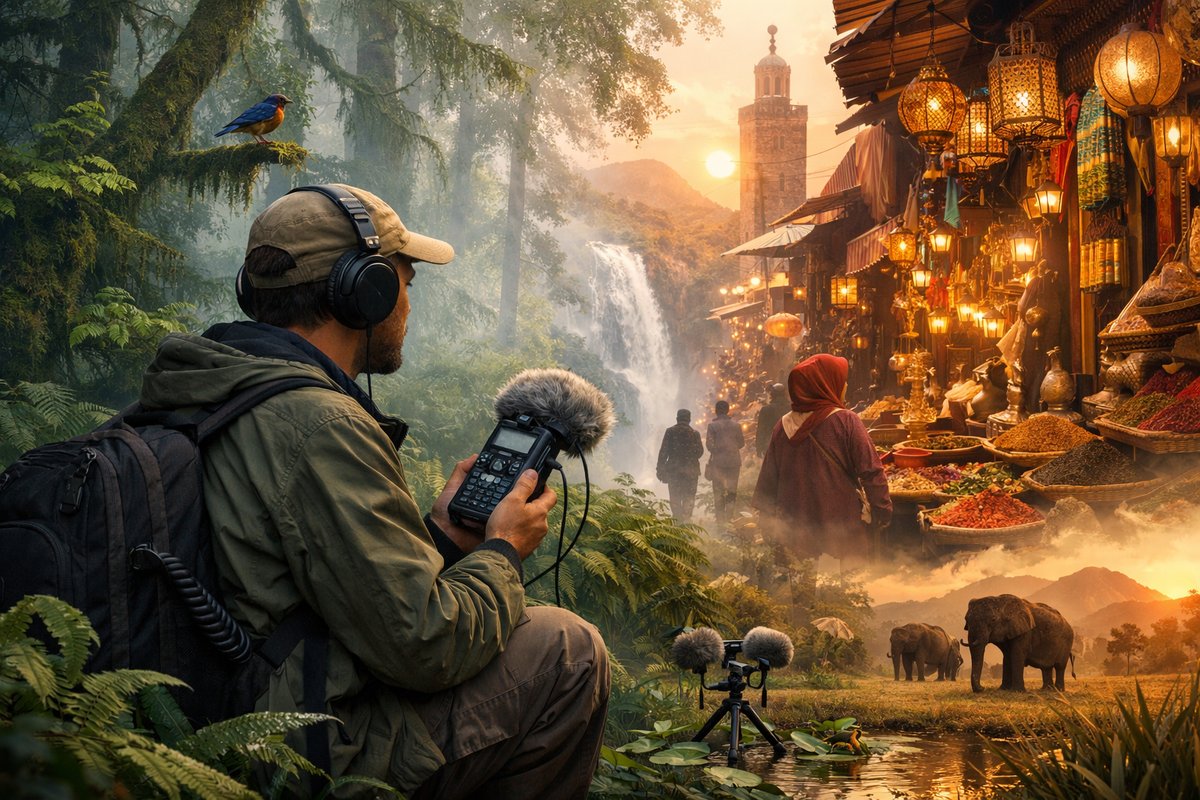
A rising wave of explorers is swapping guidebooks for portable recorders, turning ambient audio into a passport for deeper cultural and ecological insight. From misty forests to bustling medinas, field recording expeditions are charting unheard territories and sparking sustainable tourism opportunities worldwide.
In recent months a growing number of travelers have abandoned the traditional checklist approach in favor of capturing the world’s soundtrack. Equipped with handheld digital recorders and noise-reduction windscreens, they venture into mountain ranges, rainforests and urban alleys to document ambient soundscapes and unlock fresh layers of cultural and environmental understanding. What began as a niche hobby for audio enthusiasts has blossomed into a grassroots movement reshaping how people experience destinations and engage with conservation.
Last spring a collective known as the Field Recorders Network announced a 25 percent spike in membership after hosting a series of “Listening Labs” across three continents. Participants gathered in the Sierra Nevada foothills for ten days of guided dawn chorus expeditions, each attendee recording bird calls, wind patterns and distant streams to contribute to an open-source acoustic atlas. The initiative received a modest grant from a national arts council, allowing local guides to document ecosystems at risk and sharing data with researchers tracking biodiversity trends.
On the streets of Marrakesh, another group of travelers partnered with market vendors and street musicians to record spontaneous rhythms in spice alleys and leather souks. Those raw clips later formed the backbone of a pop-up radio broadcast called “Global Bazaar Live,” transmitted from a mobile studio built into a converted van. Listeners tuning in heard the chatter of bartering shoppers, the drone of call-to-prayer speakers and impromptu flute solos, all tagged to precise GPS coordinates. Organizers say these broadcasts not only generate curiosity about lesser-visited neighborhoods but also funnel funds back to artisans who host small-group listening walks.
Acoustic ecologists are taking notice, too. A recent study published in the Journal of Ecoacoustics found that sites with robust sound diversity-measured by the number of distinct animal calls and natural ambient layers-tend to host richer plant and insect populations. Dr. Lena Morales, an environmental researcher at Coastal State University, points out that declines in natural dawn choruses often correlate with habitat loss and noise pollution. Travelers who record these shifts provide invaluable snapshots of ecological health over time, especially in remote regions where monitoring stations are scarce.
Technology platforms are rising to meet the demand. SoundTrail, a community-driven mapping service, now boasts more than 10,000 geo-tagged audio entries from over eighty countries. Users can upload field recordings, annotate them with notes on species or cultural context and create custom playlists for friends or fellow adventurers. The service’s mobile app supports offline playback, so explorers can revisit their own captures even in flight or subway tunnels. A feature in development will enable augmented-reality overlays, guiding users to hidden listening spots flagged by previous travelers.
This paradigm shift is sparking new sustainable income streams for local hosts. In coastal regions of Indonesia travelers pay a small fee to join guided snorkel-and-record expeditions, documenting the clicks and whistles of dolphins in marine reserves. In the Scottish Highlands, estates traditionally known for hunting stag now offer “phonic safaris,” where visitors record red deer calls at sunrise. Proceeds from those safaris go toward habitat restoration and educational programs for nearby schools.
Yet these journeys bring fresh challenges. Some countries impose restrictions on remote-area recording, citing privacy or security concerns. Travelers must navigate complex permit requirements when using certain frequency bands, especially near military installations or sensitive archaeological sites. In response, community groups have developed anonymization tools that strip identifiable human voices from recordings and encrypt metadata to safeguard host-community privacy.
Packing the right gear has become an art form. Seasoned sonic travelers recommend a rugged digital field recorder with dual XLR inputs, paired with a low-noise shotgun microphone and detachable foam windscreen. Batteries can drain quickly when recording long sessions, so a high-capacity USB power bank and compact solar charger are essential. Waterproof backpacks with modular compartments keep electronics safe during monsoon treks or desert sandstorms. Most aficionados also bring noise-cancelling headphones to preview captures on the move and reduce fatigue during late-night editing marathons.
For those eager to dip a toe into this trend, experts advise starting small. Scout a local park or urban greenway and spend an afternoon capturing rustling leaves, cicada calls or distant traffic rhythms. Compare your clips with online archives, note differences and strike up conversations in audio traveler communities. Over time you might forge partnerships with conservation researchers or community radio stations eager to feature your recordings in environmental awareness programs.
As the line between tourism, citizen science and creative expression continues to blur, the sound-seeker phenomenon signals a broader transformation in how people explore the planet. Future updates to mapping platforms may integrate real-time acoustic analytics, alerting visitors to peaks in insect chorus or whale song migrations. Governments and NGOs are already investigating acoustic impact assessments as part of environmental policy. For travelers, the simple act of listening-and recording-offers a powerful way to connect with destinations on a deeper level, preserving not just images or souvenirs, but the living pulse of places on the brink of change.
This movement could redefine adventure in the years ahead, turning each journey into an opportunity to document, share and safeguard the world’s most precious and ephemeral voices. Whether you’re wandering urban alleyways, kayaking through mangrove swamps or hiking ancient footpaths, don’t just see the landscape-tune in to its story.