Location
Mount Vernon, WA 98274

Location
Mount Vernon, WA 98274
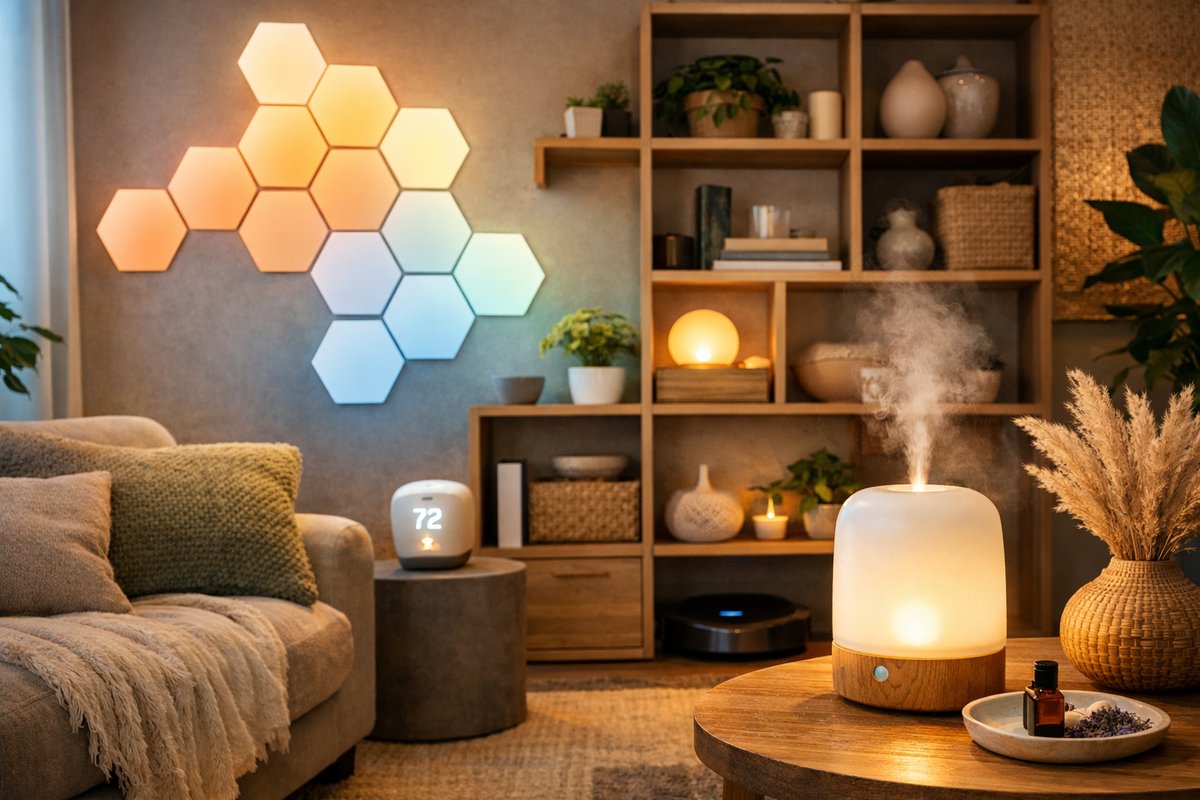
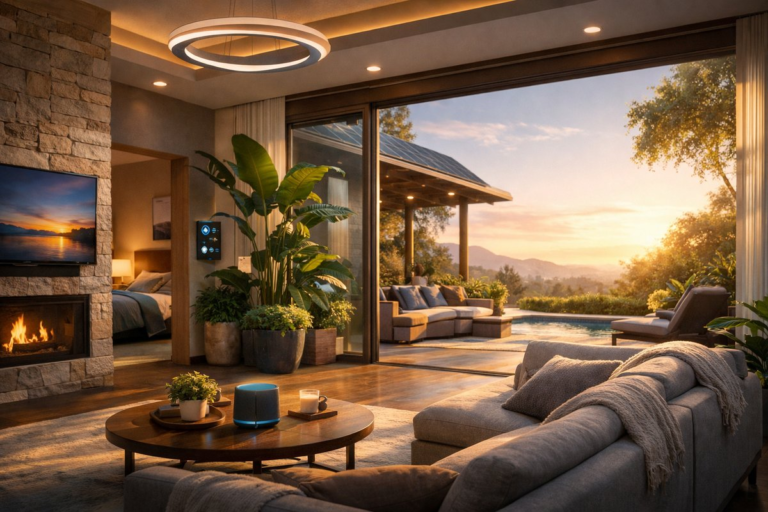
From adaptive lighting panels to voice-activated diffusers and modular shelving, a wave of sensor-driven comfort and tactile accents is redefining how we experience home. This trend story explores the rise of data-informed design, sustainability-minded materials, and emotional wellbeing at the heart of today's intentional living spaces.
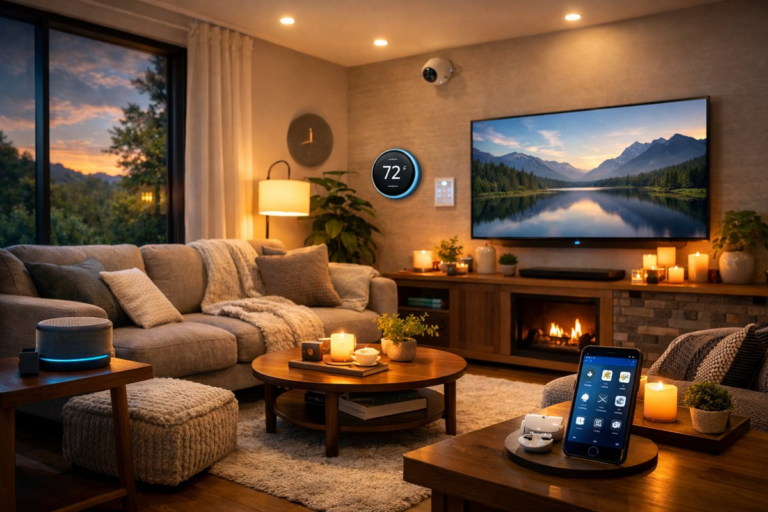
Every morning, a Brooklyn-based software designer wakes to a gentle wash of color across her ceiling, triggered by a self-learning thermostat that has noted her sleep patterns. As she stretches, a network of smart light panels quietly adjusts brightness and hue to ease her into the day. By midafternoon, a voice-activated essential oil diffuser fills the air with crisp peppermint, masking the city noise. Across town, a family in a suburban townhouse uses app-controlled motorized blinds to filter harsh sunlight and maximize energy savings. Meanwhile, acoustic wall panels soften echoes in a Chicago loft, and self-watering planters bring verdant life to nooks that once gathered dust.
This is not a sci-fi scenario but an unfolding reality in intentional home design. Fueled by advances in sensors, artificial intelligence, and sustainable materials, today’s homeowners are moving beyond one-off gadgets toward integrated ecosystems that prioritize wellbeing, efficiency, and personal expression.
Data-Driven Comfort
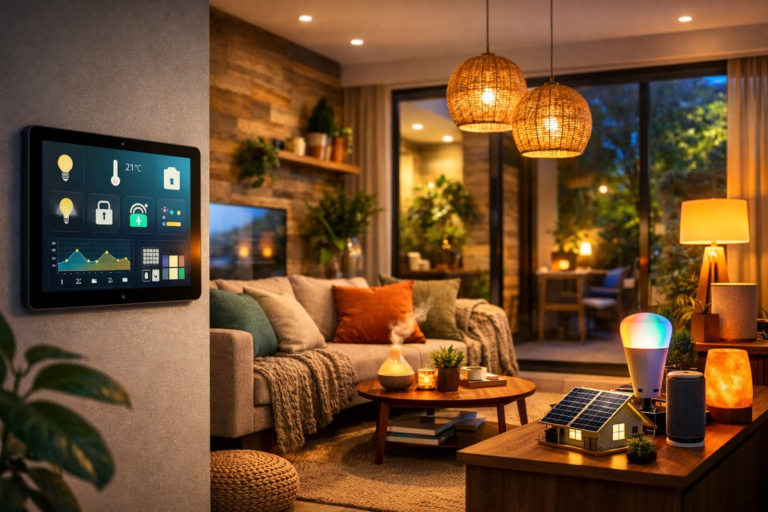
Recent surveys indicate that nearly half of homeowners plan to invest in climate control upgrades over the next year. Self-learning thermostats equipped with humidity and occupancy sensors can fine-tune temperatures room by room, reducing energy waste by up to 25 percent according to industry analysts. In tandem, modular smart light systems-composed of lightweight panels that connect magnetically-offer dynamic illumination schemes that shift from cool white during work hours to warm ambient tones at night, mimicking natural light cycles.
“Lighting and temperature have a profound physiological effect,” notes one design strategist. “When you align your environment with your body’s rhythm, you sleep better, focus more, and feel calmer. These technologies aren’t about gimmicks-they’re about aligning your space with your daily mood and needs.”
Sustainability Meets Style
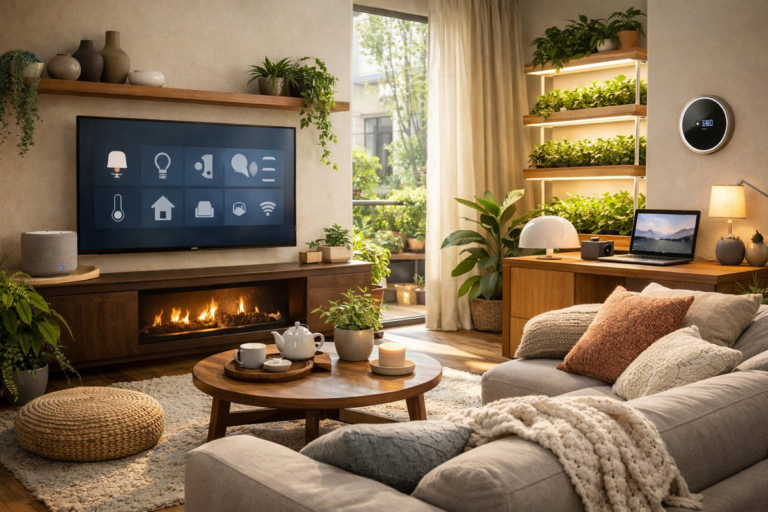
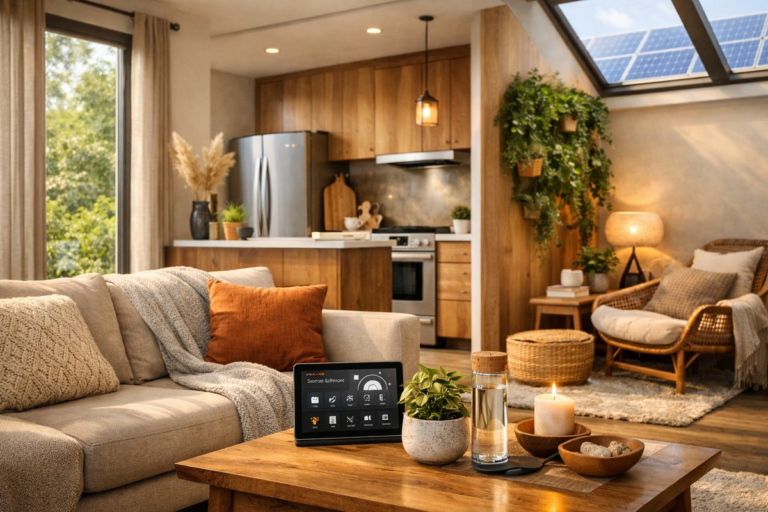
The push for greener living is prompting designers to rethink everything from furniture to textiles. Acoustic wall panels once made from virgin materials are now available in recycled fabrics and plant-based foam. Floating shelves built from reclaimed wood add warmth while supporting rapid rearrangement as tastes evolve. Self-watering planters-engineered with capillary systems and water reservoirs-cut down on waste and eliminate the need for daily watering, making urban gardening more approachable.
A study by a sustainability nonprofit found that homes incorporating recycled or upcycled materials in decor choices can reduce interior carbon footprints by as much as 30 percent. As shoppers seek eco-conscious alternatives, retailers are rolling out collections made from salvaged stone, repurposed metal, and biodegradable fibers.
Emotional Intelligence as Design Principle
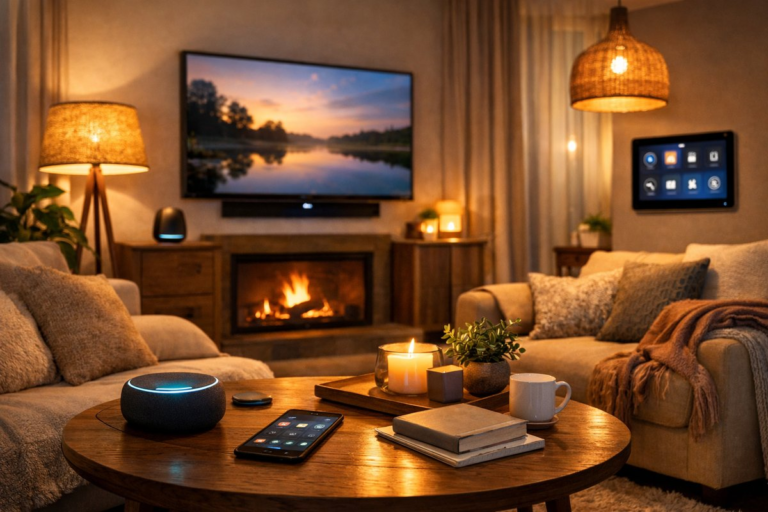
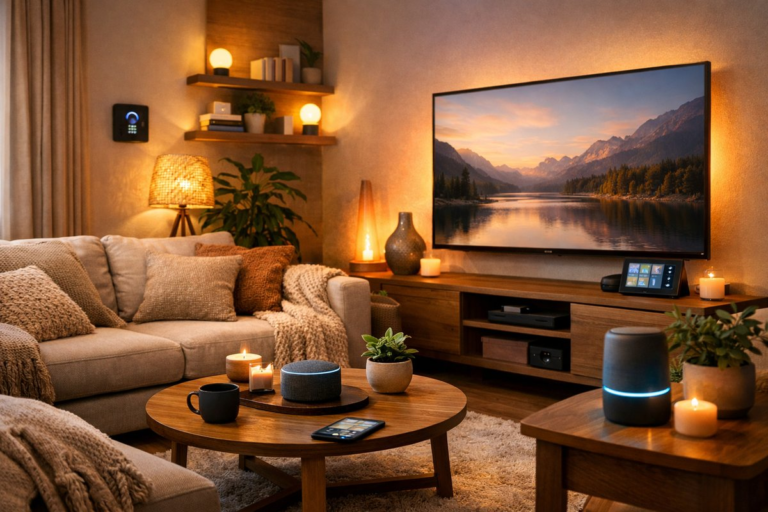
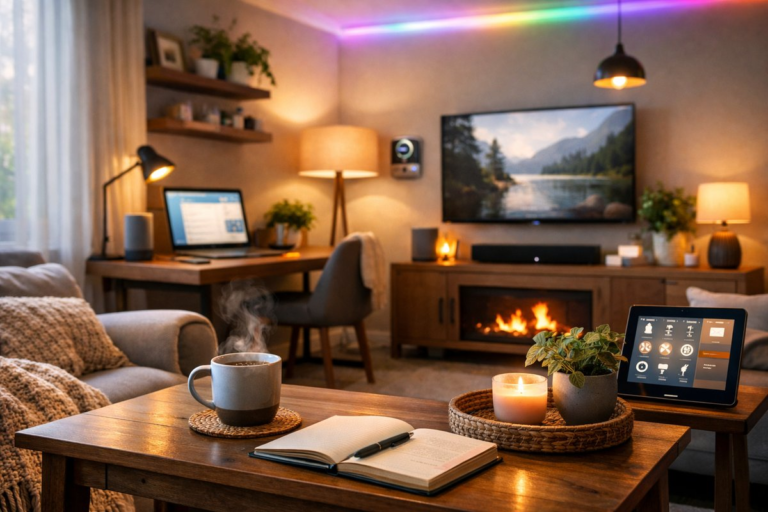
Cozy isn’t just a texture; it’s a curated feeling. Layering soft area rugs over hardwood floors, tucking tactile throws into reading nooks, and strategically placing warm glows of table lamps turns each corner into an invitation. The latest wave of smart diffusers pairs with scent capsules that only release fragrance when motion sensors detect presence-so the aroma of cedarwood or lavender greets you when you enter but remains dormant otherwise, preserving each scent capsule for longer use.
These subtle activations tap into how our brains process memory and comfort. A whiff of vanilla in the living room might remind someone of Sunday baking, while pine in the study evokes quiet forest walks. Designers are collaborating with psychologists to map out scent experiences that reinforce positive moods throughout the day.
Modularity for Moment-to-Moment Living
Beyond fixed installations, adaptability is key. Grid-based wall systems let users rearrange modular shelves and hooks to suit growing collections of art, books, or kitchen tools. Snap-in LED strips integrate seamlessly with cabinetry edges, offering under-shelf task lighting that can be toggled or color-shifted on command.
This flexible approach extends to furnishings: convertible side tables that rise to laptop height or nests of stools that tuck away when not in use. By future-proofing homes for varying needs-be it remote work, at-home yoga, or multigenerational gatherings-residents avoid the waste and cost of one-size-fits-all purchases.
Privacy, Security, and Ethical Data
As homes gather more user data-from patterns of light use to temperature preferences-privacy becomes front and center. The latest wave of hubs emphasizes on-device processing, meaning personal routines stay local rather than being uploaded to far-off servers. Encrypted communication between devices and open standards for smart home ecosystems are gaining traction, offering consumers more control over what data is shared and with whom.
Security updates delivered automatically help shield appliances from vulnerabilities, while built-in failsafes ensure that lights and climate systems continue operating even during brief network outages. In short, the smart home of tomorrow must be as trustworthy as it is convenient.
Looking Ahead: The Future of Intentional Spaces
Emerging entries on the horizon include adaptive soundscapes that integrate tiny wall-mounted speakers to fill background noise with gentle rain or forest sounds tailored to room size. AI-driven wall art-digital canvases that shift scenes based on time of day or current weather-promise to add a dynamic decorative layer. Smart glass windows that momentarily tint when glare spikes or switch to opaque for privacy are already in trials among high-end homebuilders.
But at its core, intentional living isn’t about chasing every new widget. It’s about identifying the moments that matter-morning calm, afternoon productivity, evening unwinding-and layering smart and tactile elements in harmony. As one interior consultant puts it, “True intentionality happens when technology fades into the background and all you notice is how natural it feels to be at home.”
By marrying sensor-driven automation with handcrafted textures and plant life, the homes of today blend efficiency with warmth, data with delight, and sustainability with sensual comfort. In doing so, they herald a shift from spaces that simply look good to spaces that feel profoundly in tune with the people who inhabit them.