Location
Mount Vernon, WA 98274

Location
Mount Vernon, WA 98274
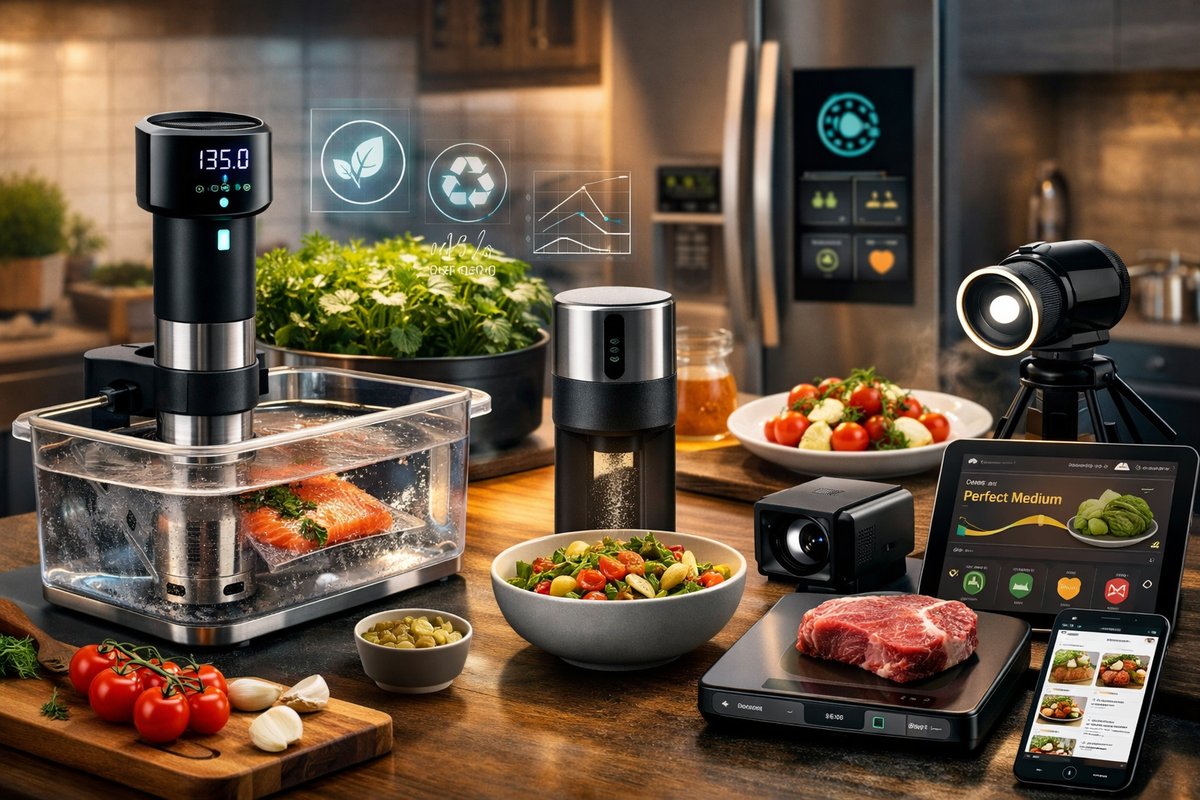
From precision immersion circulators to AI-driven seasoning sensors, a new wave of connected tools is transforming the way home cooks create, experiment, and share meals. These innovations promise not only convenience but also sustainability, food safety, and deeply personalized flavor journeys.
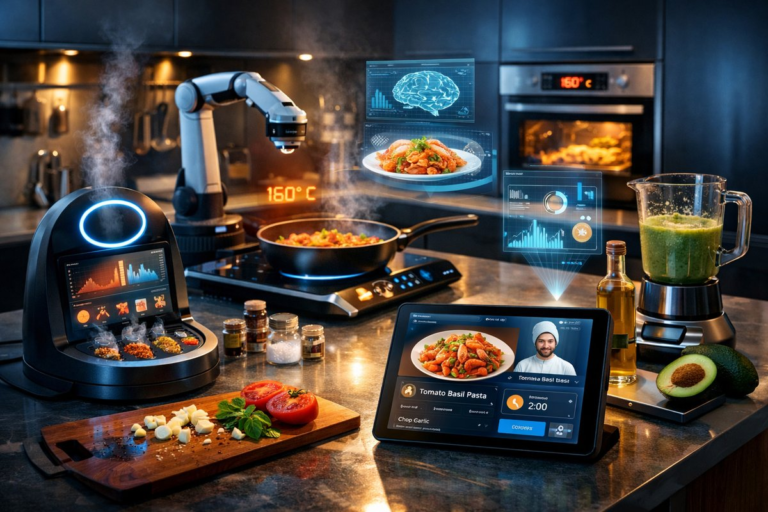
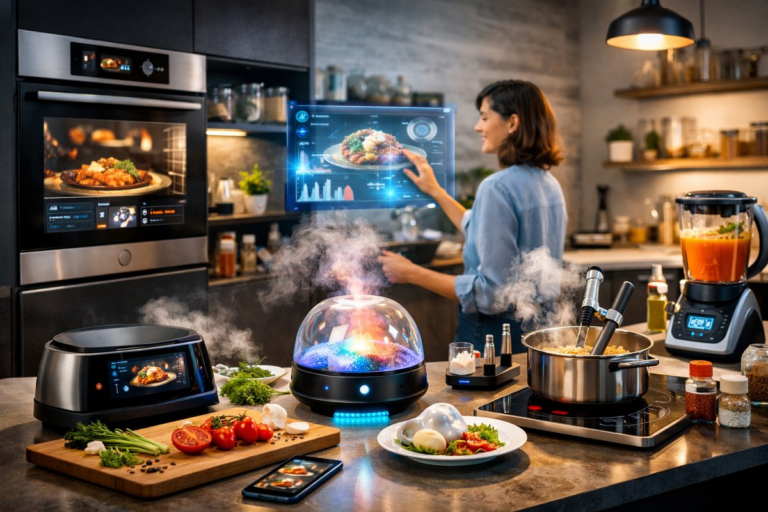
In kitchens around the world, a quiet revolution is underway. Wall clocks and gas hobs are ceding ground to touchscreens, wireless sensors, and cloud-connected appliances. At a recent technology expo, startups and established innovators alike showcased a dazzling array of devices that promise to make cooking more precise, more creative, and more sustainable. Rather than relying on gut instinct alone, amateur chefs can now tap into real-time data on temperature, humidity, ingredient freshness, and even molecular breakdown, all delivered to their smartphone or kitchen display.
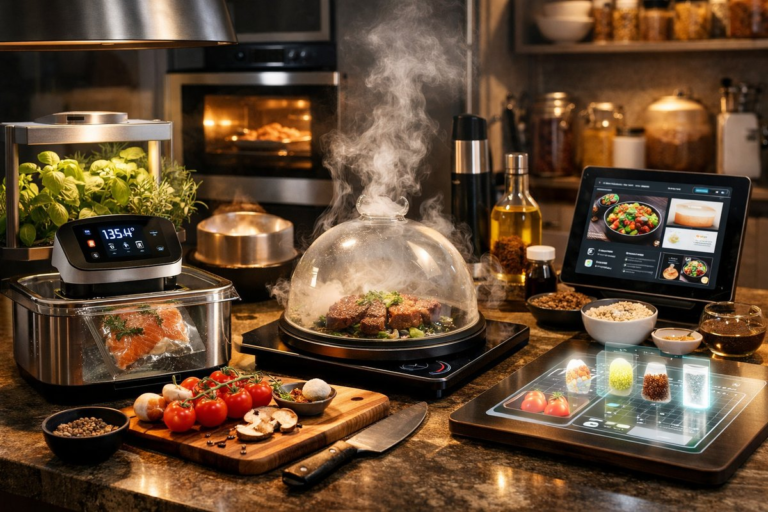
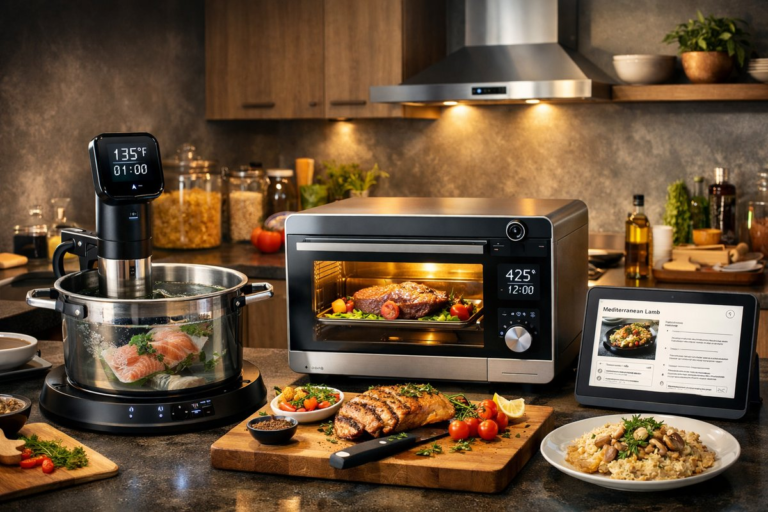
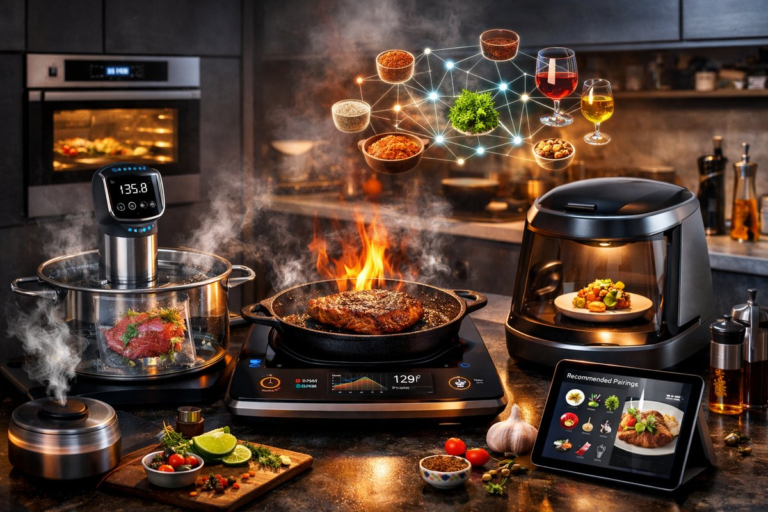
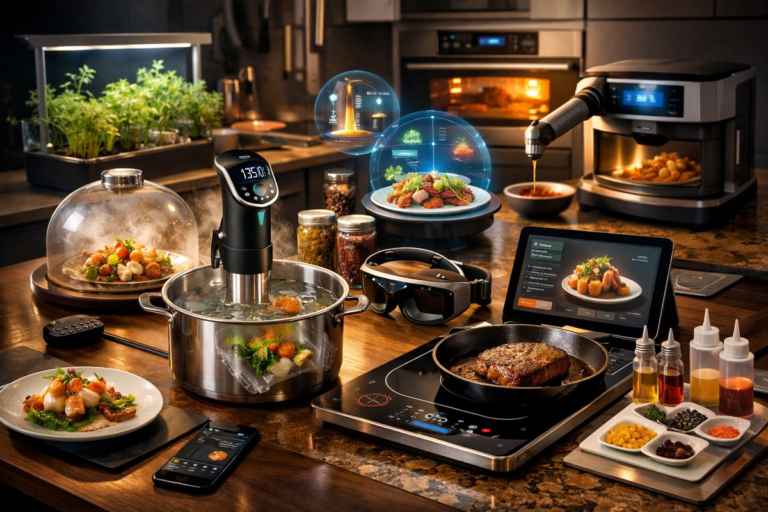
One standout development is the rise of precision immersion circulators. These compact sous-vide units attach to any pot or container, maintain water bath temperature within a fraction of a degree, and sync with dedicated apps to execute multi-step programs. Home cooks who once feared overcooking chicken breasts or ending up with leathery scallops can follow guided recipes or adjust cook-time profiles with a swipe. The result is consistently tender proteins, deeply infused flavors, and less guesswork at dinner time.
But precision doesn’t stop at temperature control. Sensor-equipped utensils are another emerging category. A smart measuring spoon or connected kitchen scale can detect weight changes on the fly, suggest ingredient adjustments, and even adjust seasoning ratios based on dietary preferences. Early adopters report that an AI-driven spoon helps them strike the perfect balance of salt and acidity in salad dressings, while a Bluetooth-linked scale guides them toward bake-ready dough hydration levels. These tools transform cooking into a collaborative act between human intuition and machine intelligence.
Meanwhile, induction cooktops are evolving to integrate wireless control and recipe-driven temperature curves. Gone are the days of fiddling with dials; instead, a touchscreen interface or mobile app can ramp heat up or down precisely at key moments-searing steak at high power, then transitioning to a gentle simmer for a pan sauce. Some cooktops even communicate with compatible pots and pans that contain embedded chips, optimizing energy delivery based on material and volume. The synergy between cookware and cooktop is ushering in an era where pan frying, braising, and stir-frying become repeatable, programmable processes.
Another dimension of kitchen innovation focuses on ingredient sourcing and freshness. Countertop hydroponic gardens allow cooks to harvest basil, cilantro, mint, and more within arm’s reach. These self-contained systems cycle water and nutrients through compact trays, mimicking the greenhouse environment without soil. Smart lighting and automated timers ensure plants receive optimal wavelengths for growth, while companion apps notify users when it’s time to plant new seeds or prune overgrown shoots. The result? Hyper-fresh herbs year-round and a tangible connection to the living ingredients on your plate.
Food safety and hygiene are also benefiting from new hardware. Ultraviolet-C countertop sanitizing wands and drawer-based UV chambers promise to zap bacteria on cutting boards, utensils, and freshly washed produce. With single-button activation, these devices deliver a precise dose of germ-killing light without chemicals. Early reports suggest that routine UV sterilization can reduce cross-contamination risks in households that prepare multiple dishes simultaneously. For families with infants or immune-compromised members, the peace of mind these gadgets provide can be priceless.
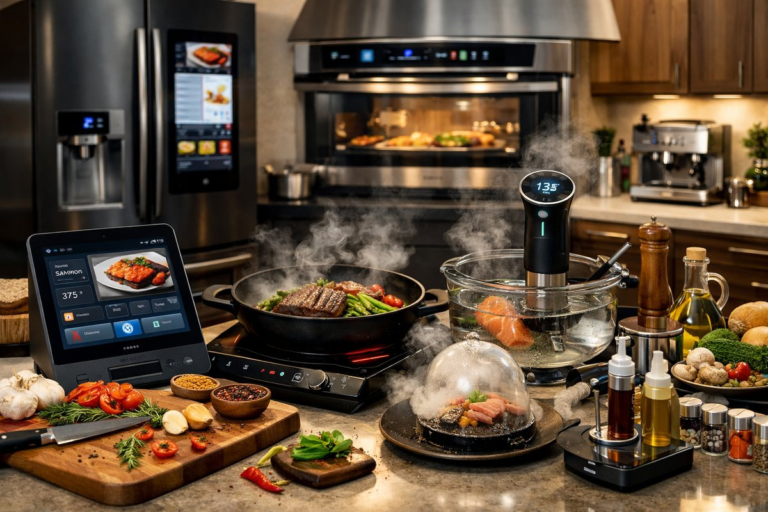
Behind all these tools lies a growing ecosystem of companion apps and cloud services. Recipe platforms now integrate seamlessly with smart appliances, delivering step-by-step guidance, push notifications, and automatic logging of cooking metrics. Users can share custom settings with an online community, download peer-tested profiles for new ingredients, or even unlock premium recipe packs. While this connectivity offers powerful convenience, it also raises questions about data privacy. Many manufacturers emphasize end-to-end encryption and local-only data storage to protect personal cooking habits and dietary preferences.
Sustainability is woven throughout this new wave of kitchen tech. By harnessing precise temperature control, connected scales, and real-time freshness sensors, home cooks can reduce food waste, optimize energy consumption, and make more informed purchasing decisions. IoT-enabled compost bins even track produce waste, offering insights into which ingredients most often go unused. Those findings can guide meal-planning services toward portions that better match family routines, cutting down on scraps and discarded leftovers.
Of course, the shift to a highly connected kitchen is not without challenges. Price tags on flagship devices remain steep, and some cooks worry about the learning curve required to operate multiple companion apps. Others lament that screens and notifications can distract from the tactile pleasure of cooking with hands-on techniques passed down through generations. Balancing high-tech convenience with the soul of homemade cooking will be an ongoing negotiation for many households.
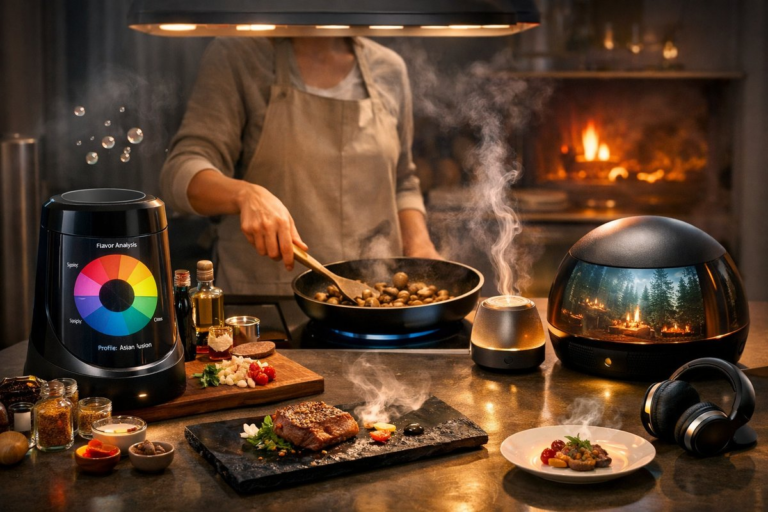
Looking ahead, experts anticipate further convergence of immersive experiences and kitchen robotics. Imagine recipe-tailored flavor cartridges, multi-axis stirring arms, or AI-powered taste analyzers that chart a meal’s chemical profile in seconds. As these innovations mature, the line between professional test kitchen and home countertop will blur even further. For the curious cook, that means every dish can become an experiment, every ingredient a fresh opportunity, and every meal an invitation to explore. The flavor of tomorrow’s cooking is more than taste alone-it’s the sum of data, design, ritual, and discovery.