Location
Mount Vernon, WA 98274

Location
Mount Vernon, WA 98274
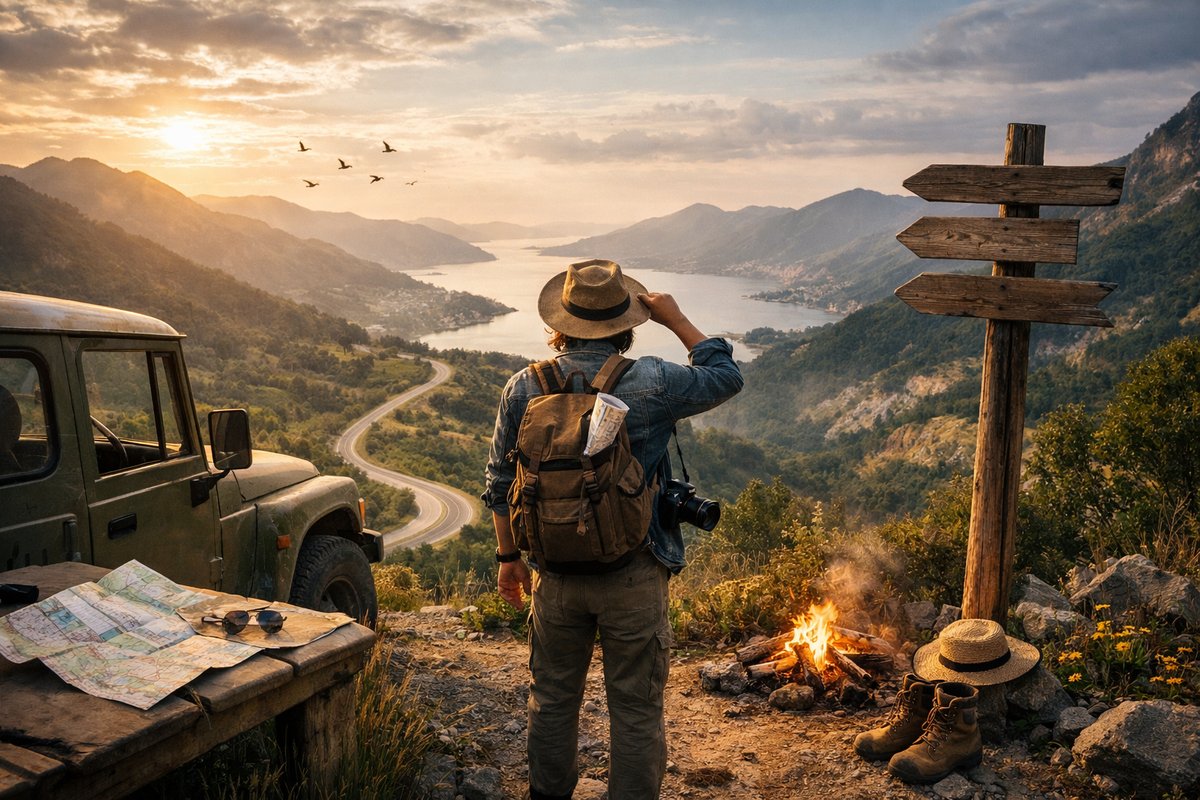
In an era dominated by meticulously planned itineraries and social media highlights, spontaneous travel offers a refreshing counterpoint-inviting travelers to embrace uncertainty and discover deeper connections with landscapes and cultures. This article explores how unplanned journeys can reshape our understanding of the world and ourselves.
Travel has long been celebrated as a gateway to new experiences, fresh perspectives, and personal transformation. Yet, in recent years, the rise of carefully curated trips, exhaustive planning apps, and the pressure to capture perfect moments for social media has paradoxically narrowed the scope of discovery. While well-structured travel has undeniable merits, there is a growing movement of travelers who champion spontaneity-journeys defined less by rigid schedules and more by openness to serendipity and the unknown.
This shift toward embracing the unplanned invites a richer engagement with the places we visit and the people we meet. When travelers relinquish control over every detail, they often find themselves more attuned to the rhythms of local life, more responsive to unexpected invitations, and more present in the unfolding moment. This kind of travel can catalyze profound emotional and intellectual growth, challenging preconceived notions and fostering humility.
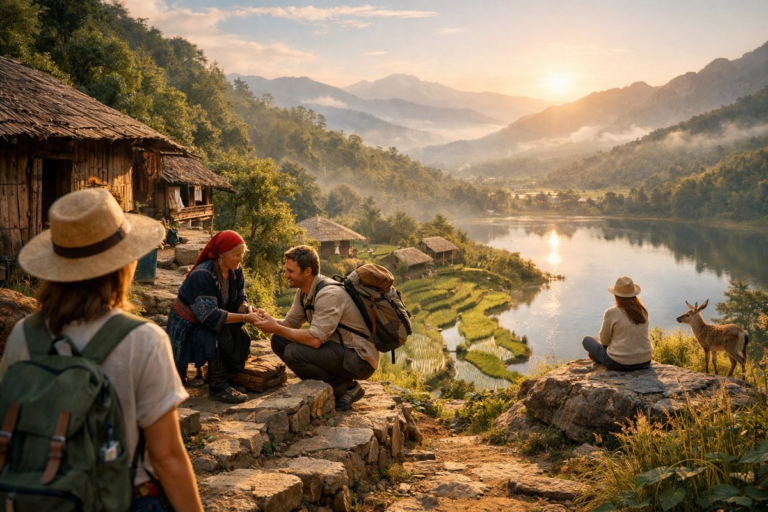
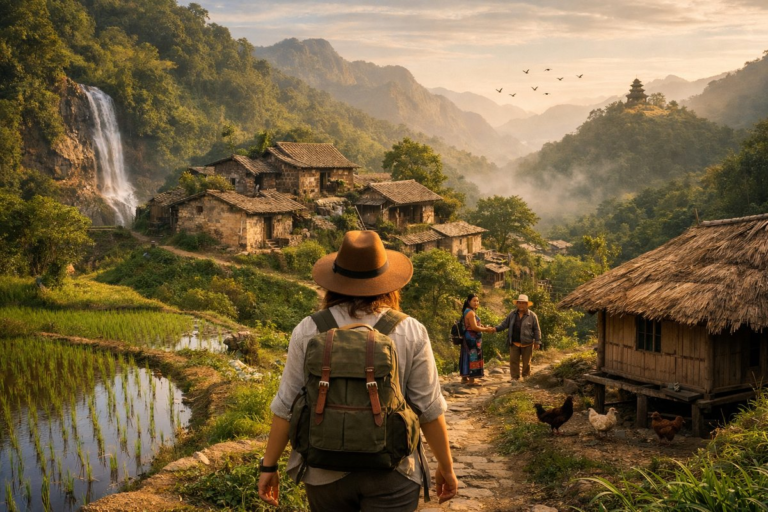
At the heart of spontaneous travel is a willingness to step outside the safety net of familiarity. It may mean missing the last bus and instead sharing a meal with locals who offer insights into their culture, or wandering off the beaten path to discover a quiet village where traditions remain untouched by tourism. These unplanned detours often become the stories travelers cherish most-moments of connection and wonder that no guidebook could predict.
Research in psychology supports the benefits of such openness. Studies suggest that novel experiences stimulate brain plasticity, enhancing creativity and problem-solving skills. Moreover, navigating uncertainty can build resilience and adaptability-qualities increasingly valuable in our rapidly changing world. Travelers who practice this mindset often report a deeper sense of fulfillment and a more authentic relationship with the places they visit.
However, embracing spontaneity does not mean abandoning all preparation. Practical considerations like safety, local customs, and environmental impact remain essential. Thoughtful travelers balance a flexible itinerary with respect for the communities they encounter, striving to minimize their footprint and contribute positively.
Eco-conscious spontaneous travel is gaining traction, as adventurers seek not only to explore but also to protect fragile ecosystems. Whether hiking unmarked trails with a leave-no-trace ethic or choosing locally owned accommodations on a whim, these choices align with a broader commitment to sustainability and cultural sensitivity.
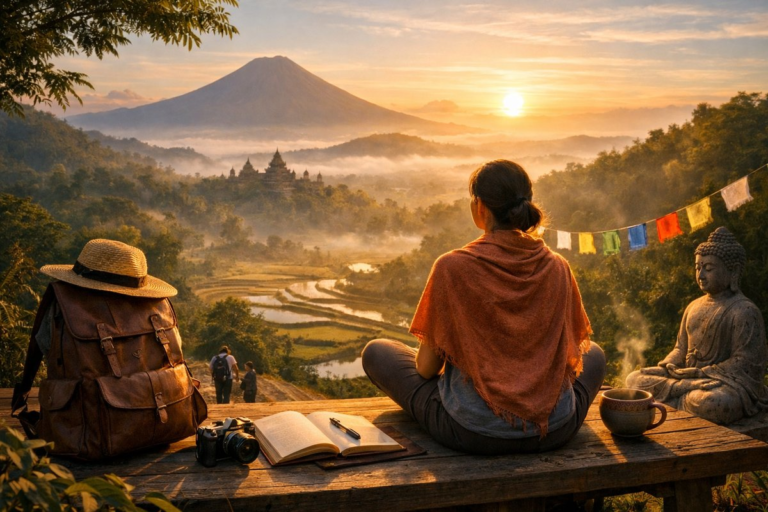
Technology plays a paradoxical role in this landscape. While smartphones and apps facilitate last-minute bookings and navigation, they can also distract from genuine immersion. The challenge lies in harnessing digital tools to enhance serendipity without allowing screens to mediate every interaction. Some travelers deliberately disconnect during parts of their journey to foster deeper awareness.
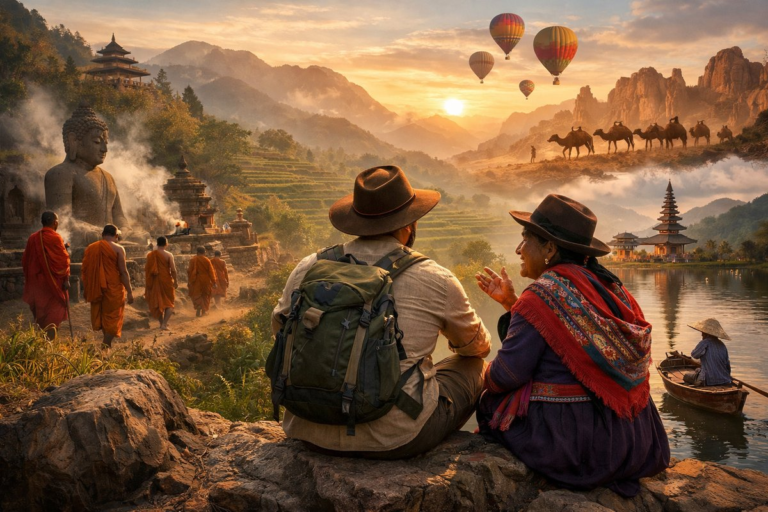
Examples abound of spontaneous journeys that have left lasting impressions. Travelers recount chance encounters at roadside markets, impromptu invitations to family celebrations, and unanticipated natural wonders revealed during aimless wanderings. These experiences often defy categorization but resonate deeply, expanding the traveler’s sense of empathy and belonging.
Ultimately, spontaneous travel is a practice of curiosity and surrender. It asks us to trust in the generosity of strangers, to accept imperfection, and to find beauty in the unexpected. In doing so, it transforms travel from a checklist of sights to a living dialogue with place and self.
For those yearning to break free from the confines of rigid planning, starting small can be a gentle way in: skipping a scheduled activity in favor of exploring a nearby neighborhood, following a local’s recommendation at a moment’s notice, or simply allowing extra time for unstructured wandering. Over time, these choices cultivate an openness that enriches all future journeys.
In a world where much is controlled and curated, spontaneous travel reminds us of the joy in discovery and the profound lessons found beyond maps and itineraries. It invites us to travel not just through space, but into new dimensions of awareness, connection, and growth.