Location
Mount Vernon, WA 98274

Location
Mount Vernon, WA 98274
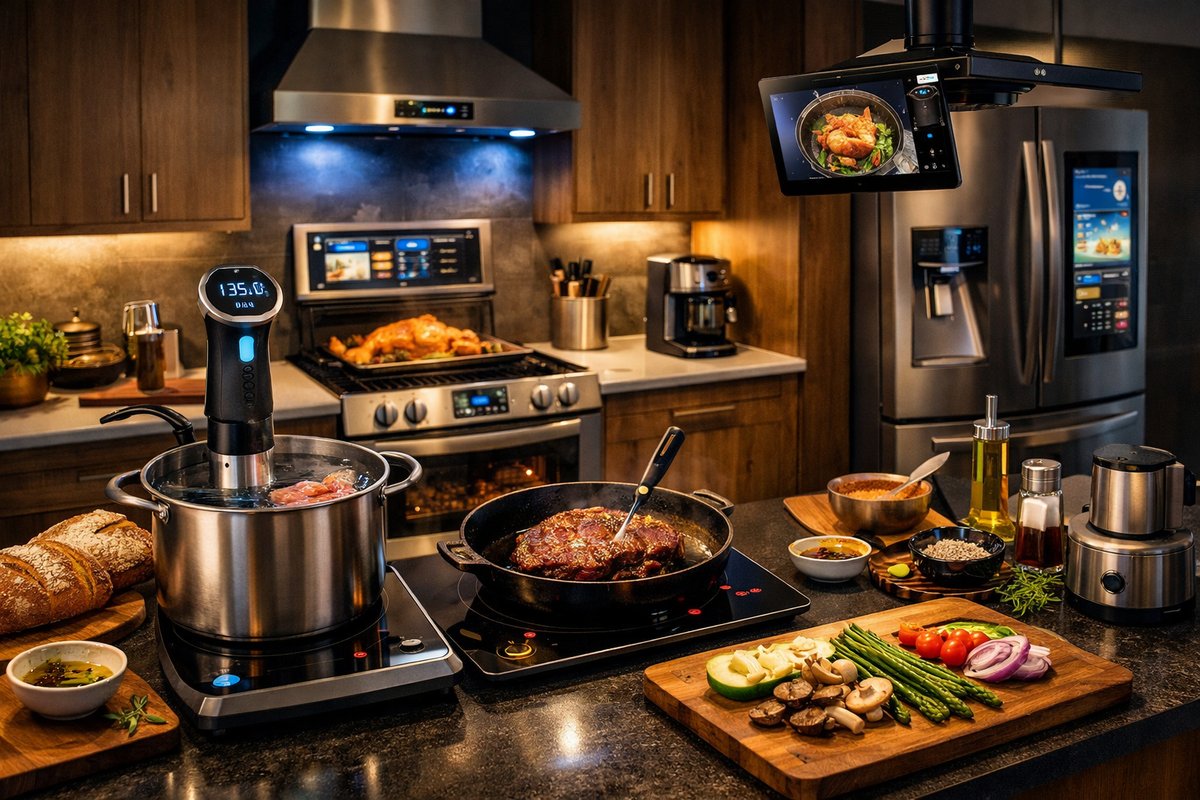
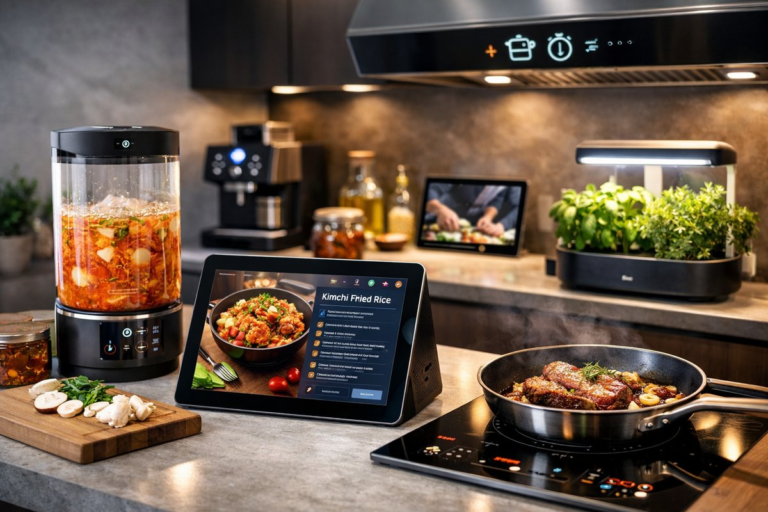
Modern kitchen technology is reshaping how we approach cooking, blending innovation with tradition to create more engaging, efficient, and flavorful culinary experiences. From smart appliances that learn your preferences to precision tools that elevate technique, the kitchen of today invites curiosity and creativity like never before.
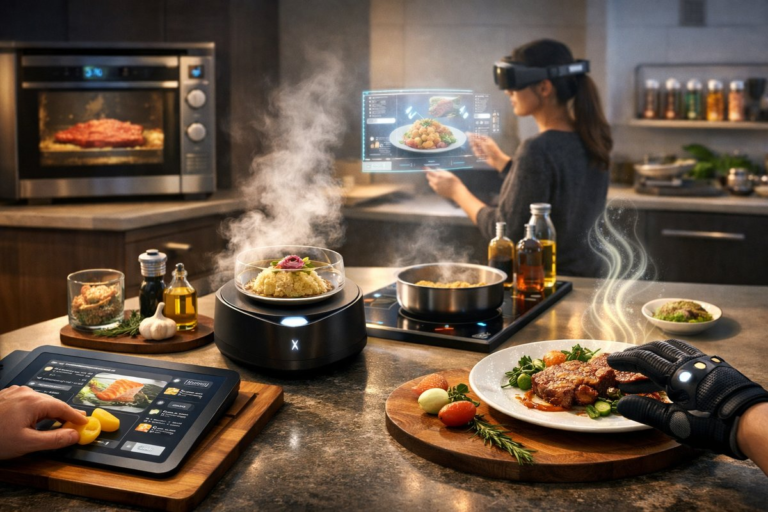
In recent years, the kitchen has evolved far beyond a mere workspace for preparing meals. It has become a dynamic hub where technology meets culinary art, transforming everyday cooking into an immersive sensory adventure. This fusion of smart technology and traditional cooking rituals is redefining how we interact with ingredients, tools, and flavors – inviting both novice cooks and seasoned food enthusiasts to explore new dimensions of taste and technique.
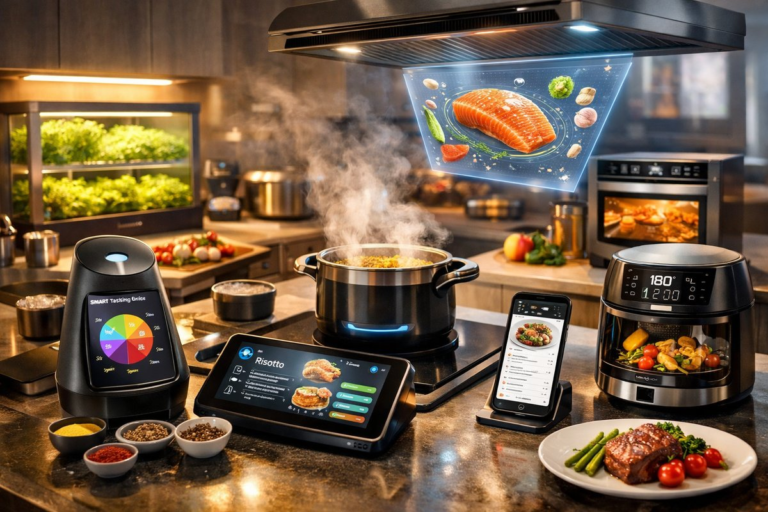
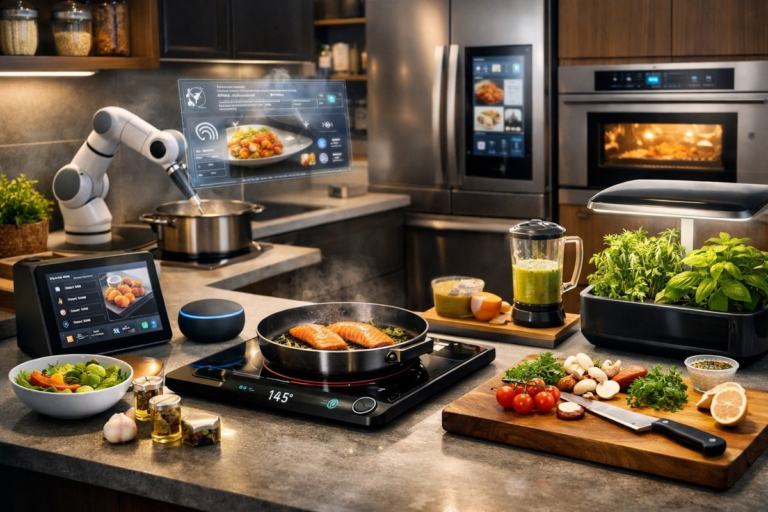
One of the most exciting developments in kitchen technology is the rise of smart appliances that integrate sensors, connectivity, and adaptive controls. These devices do more than automate tasks; they learn from user habits, adjust cooking parameters in real-time, and provide feedback to optimize flavor and texture. For example, smart ovens with built-in cameras and humidity sensors can monitor the progress of a roast, adjusting temperature and timing to achieve perfect doneness without constant supervision. This not only reduces the risk of overcooking but also enhances the natural flavors and juiciness of the dish.
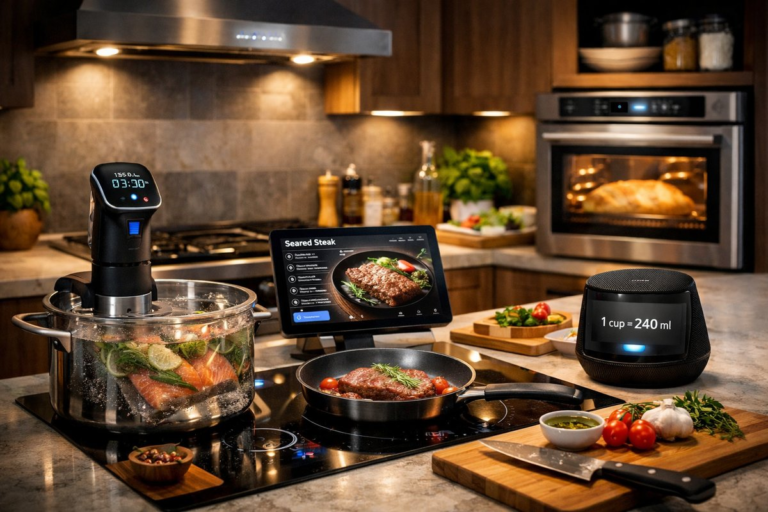
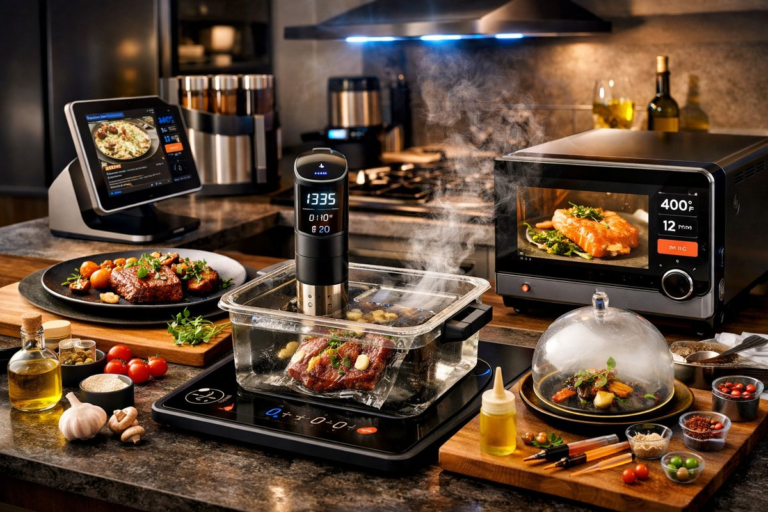
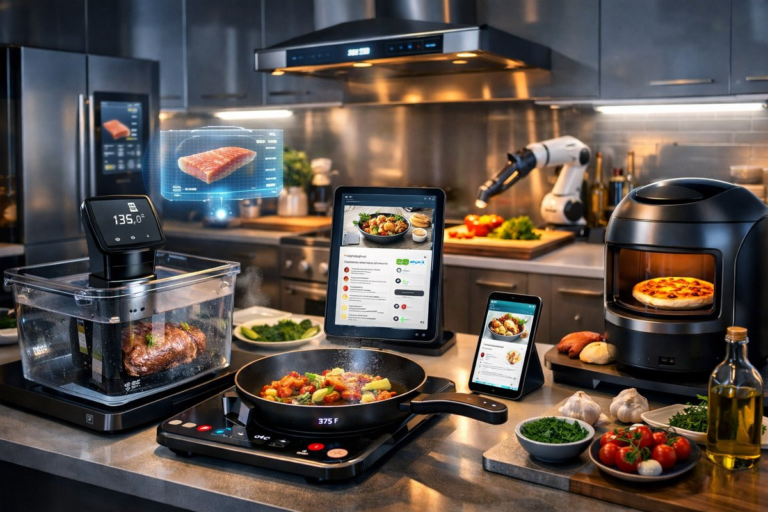
Similarly, precision cooking tools such as sous vide machines have become increasingly accessible to home cooks. By circulating water at controlled temperatures, sous vide devices enable precise control over cooking, preserving the integrity and moisture of proteins and vegetables alike. This technique, once reserved for professional kitchens, is now democratized, allowing anyone to experiment with textures and flavors that were previously difficult to replicate.
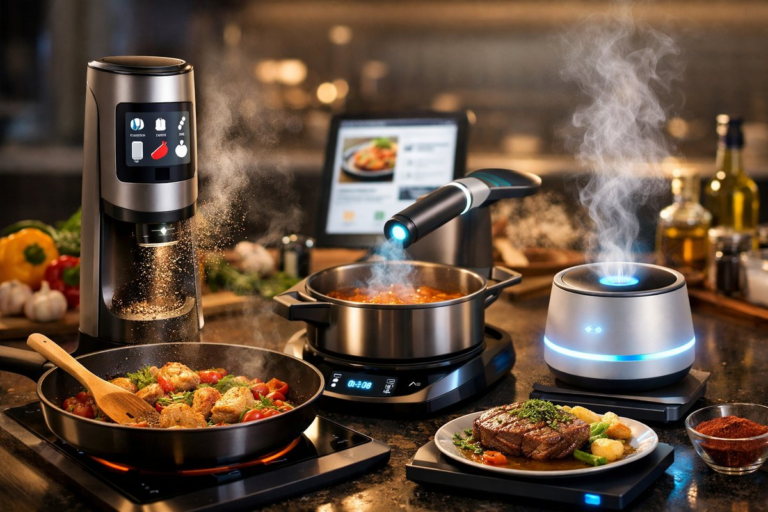
Beyond appliances, kitchen technology is also influencing ingredient preparation and flavor development. Smart scales and connected measuring devices help ensure recipe accuracy, while apps that sync with these tools can suggest ingredient substitutions or flavor pairings based on what’s available. This supports sustainable cooking practices by reducing food waste and encouraging creativity with pantry staples.
Another emerging trend is the use of AI-powered recipe assistants that guide cooks through complex dishes step-by-step, adjusting instructions based on skill level or dietary preferences. These assistants can also recommend wine pairings or complementary side dishes, enriching the meal experience. The emotional intelligence built into these systems fosters a more intuitive and personalized approach to cooking, encouraging experimentation without fear of failure.
Sustainability and health are also central themes in this technological renaissance. Smart refrigerators equipped with inventory tracking can alert users when ingredients are nearing expiration, suggest recipes to use those items, and even order groceries automatically to minimize waste. Air fryers and steam ovens offer healthier cooking alternatives by reducing the need for excessive oil or long cooking times, preserving nutrients and flavor.
The tactile and sensory aspects of cooking remain vital despite these advances. Many cooks appreciate that technology can enhance, not replace, the joy of hands-on preparation. For example, induction cooktops offer precise heat control with immediate responsiveness, allowing chefs to master temperature-dependent techniques like searing or simmering with confidence. Digital thermometers with instant-read capabilities ensure meat is cooked safely and to preferred levels, bridging traditional skill with modern precision.
Moreover, connectivity enables sharing and community-building around food. Social cooking platforms allow users to exchange recipes enhanced by technology, share photos and tips, and participate in virtual cooking classes. This collective curiosity fuels ongoing innovation and invites diverse cultural influences into home kitchens worldwide.
As kitchen technology continues to evolve, it invites a balanced approach that respects culinary traditions while embracing the possibilities of innovation. The result is a richer, more engaging cooking experience where flavor is not just a goal but an unfolding adventure. Whether through smart appliances, precision tools, or digital guidance, these advances empower cooks to explore new tastes, techniques, and rituals – turning everyday meals into memorable moments.