Location
Mount Vernon, WA 98274

Location
Mount Vernon, WA 98274
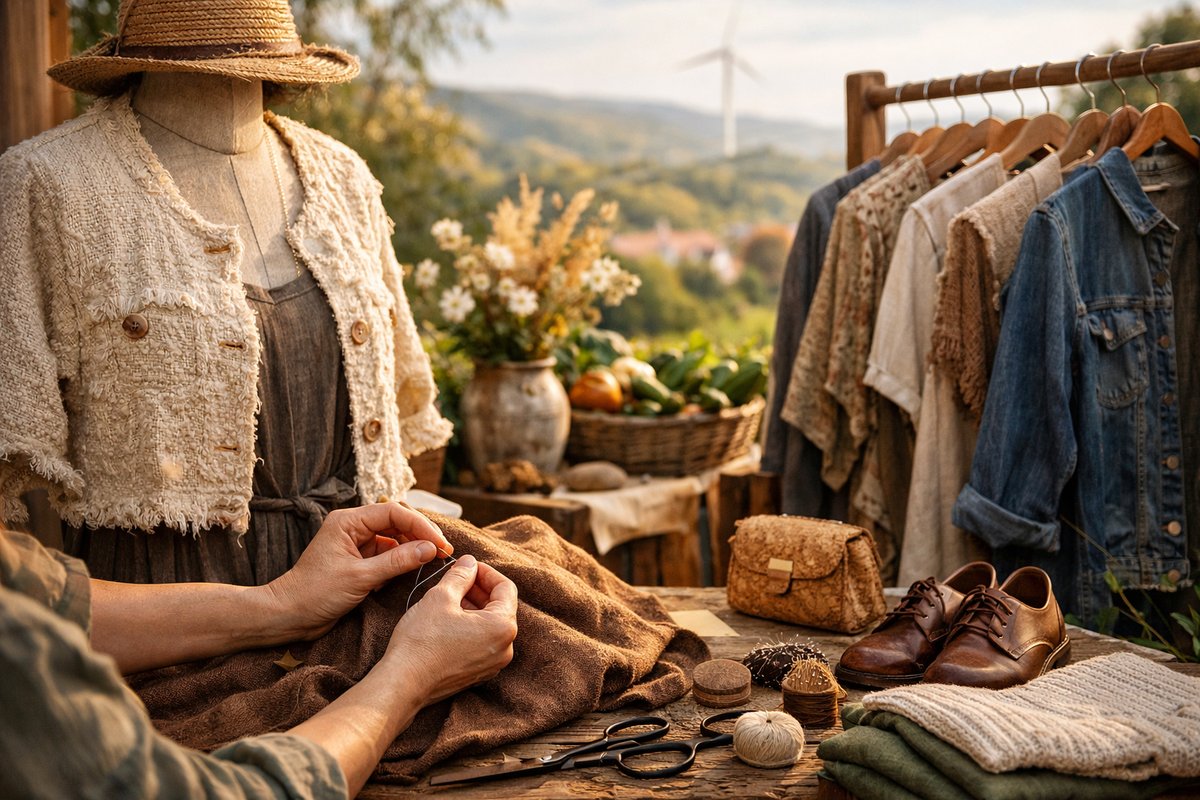
As consumers increasingly seek authenticity and sustainability, fashion is evolving beyond trends to embrace craftsmanship, locality, and environmental mindfulness. This shift is redefining wardrobes with pieces that carry stories and values, proving that what we wear can be a powerful form of personal and planetary expression.
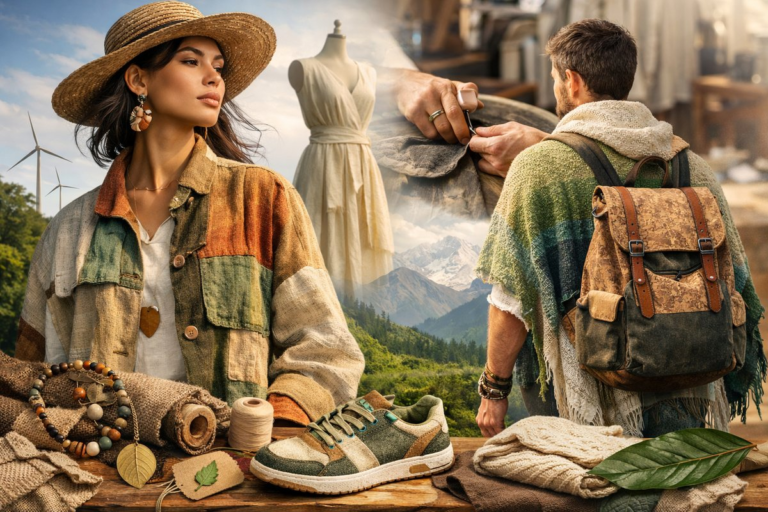
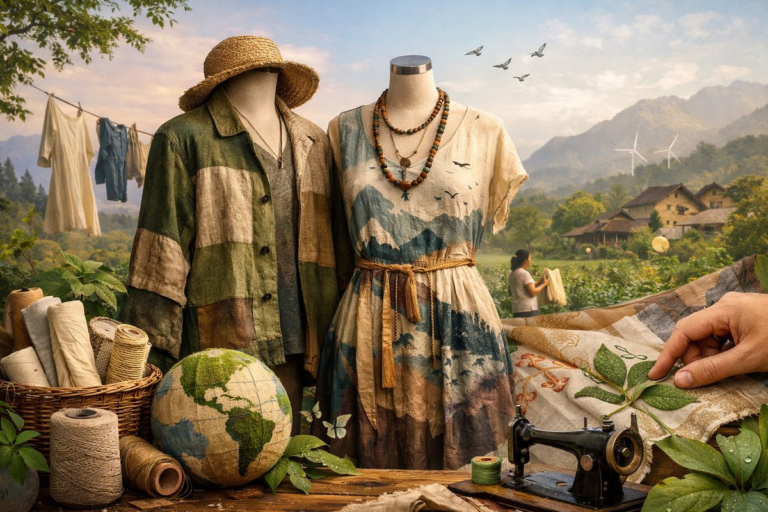
In recent years, the fashion industry has witnessed a transformative wave where consumers are not just purchasing clothing but investing in narratives, ethics, and ecological responsibility. This cultural shift is moving fashion away from fast, disposable cycles toward garments that embody meaning, care, and longevity. At the heart of this movement lies a renewed appreciation for handmade, locally crafted, and eco-conscious apparel-elements that stitch together identity, sustainability, and community.
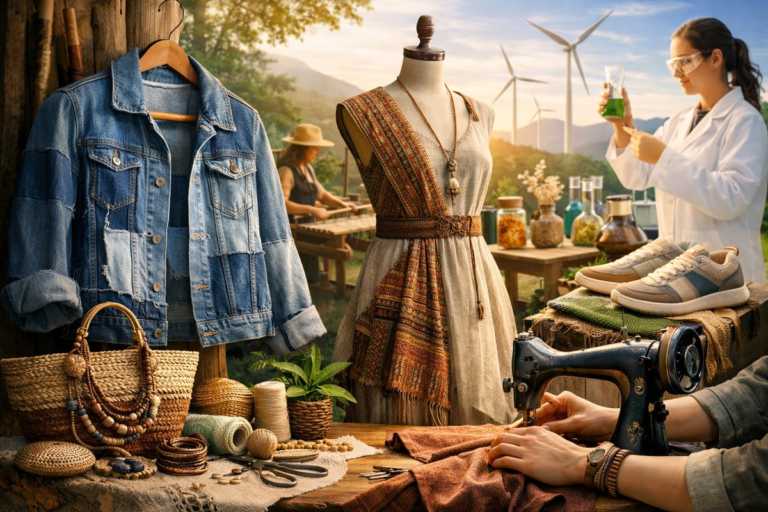
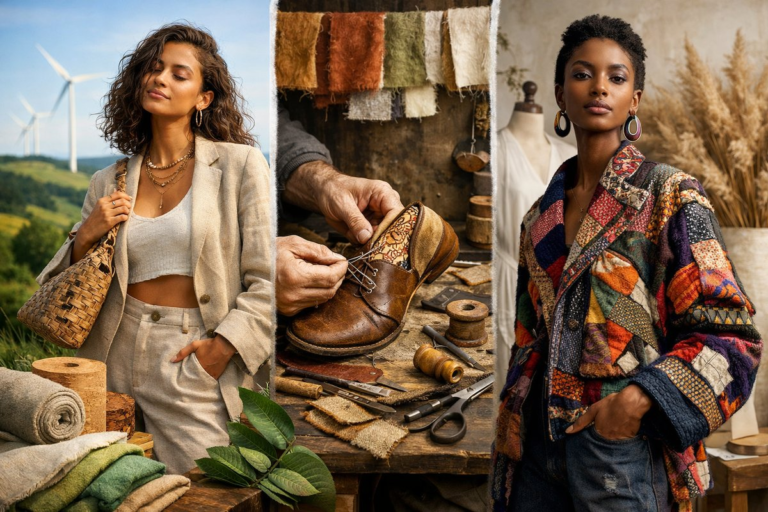
Handmade fashion is experiencing a renaissance, propelled by a growing desire for authenticity and individuality. Unlike mass-produced items churned out in factories, handmade garments tell a story of human touch and skill. Artisans carefully select materials, employ traditional techniques, and imbue each piece with a distinct character that machines cannot replicate. This tactile connection between maker and wearer fosters a deeper emotional bond with clothing, transforming apparel into cherished possessions rather than fleeting commodities.
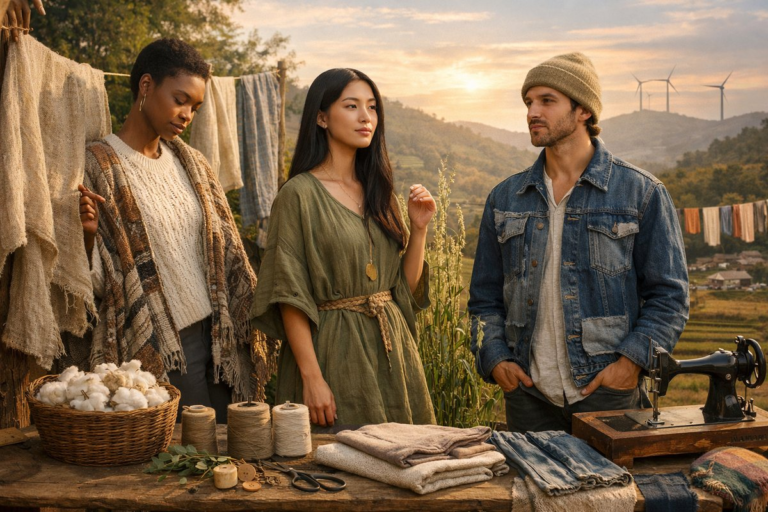
Local production complements this ethos by reducing the environmental footprint and supporting regional economies. When clothes are made closer to where they are worn, transportation emissions diminish significantly, and supply chains become more transparent. Consumers can engage directly with the stories behind their clothing-understanding the artisans’ backgrounds, the materials’ origins, and the cultural inspirations woven into every seam. This proximity nurtures trust and accountability, essential pillars for a sustainable fashion future.
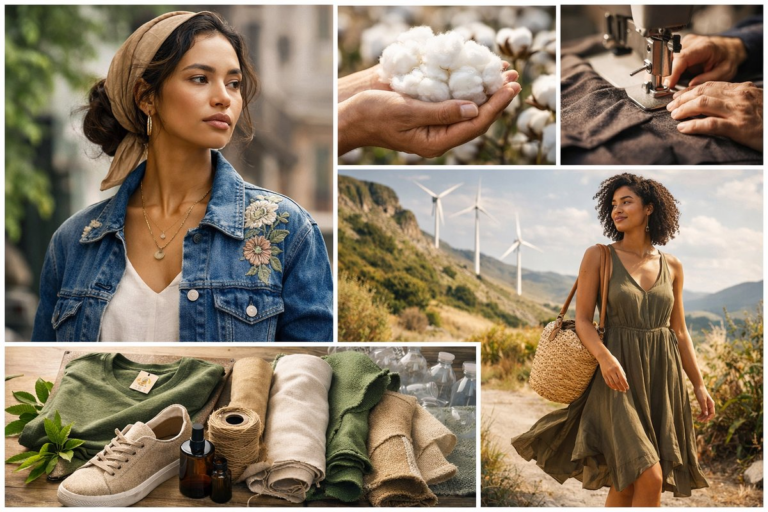
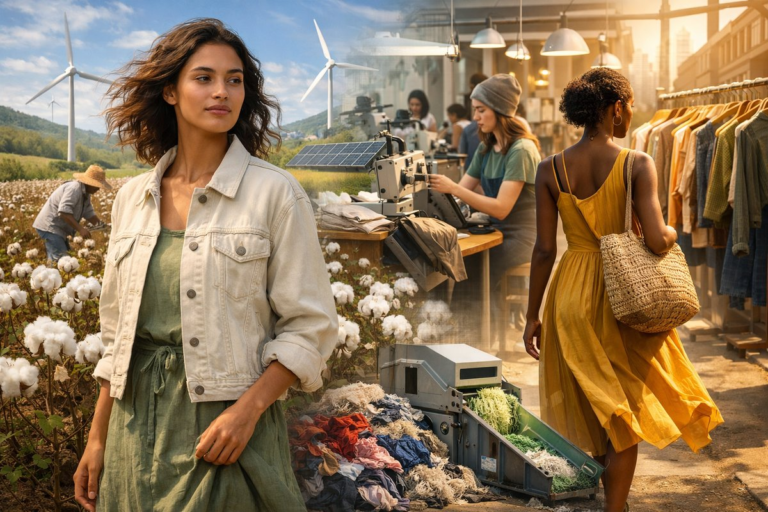
Eco-conscious materials play a pivotal role in this evolving landscape. Natural fibers such as organic cotton, hemp, and linen are favored for their biodegradability and lower environmental impact compared to synthetic alternatives. Additionally, innovative textiles derived from agricultural waste, recycled plastics, and even lab-grown fabrics are gaining traction, offering new avenues to reduce resource consumption and pollution. These materials not only lessen harm but often provide superior comfort and durability, aligning with consumers’ desires for quality and conscience.
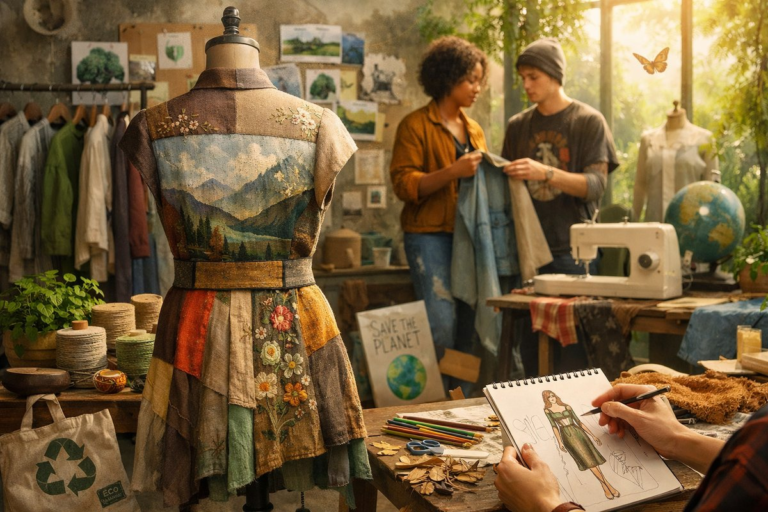
The integration of these values is evident in contemporary collections that blend timeless aesthetics with thoughtful production. Designers are increasingly incorporating zero-waste patterns, natural dyes, and modular designs that allow garments to be repaired or customized, extending their lifecycle. This approach counters the disposable nature of fast fashion, inviting wearers to curate wardrobes that evolve with them and the planet.
Moreover, technology is facilitating transparency and traceability in fashion supply chains. Blockchain and digital tagging systems enable consumers to verify the provenance and sustainability credentials of their purchases instantly. This digital empowerment complements the tactile and emotional connection of handmade pieces, ensuring that values are verifiable as well as felt.
On a social level, this movement revitalizes artisan communities and preserves cultural heritage. By valuing craftsmanship, fashion becomes a vehicle for economic empowerment and cultural expression. Many small-scale producers, often women and marginalized groups, find new opportunities to sustain their livelihoods while sharing their traditions globally. This exchange enriches the fashion landscape with diversity and meaning.
Ultimately, the rise of handmade, local, and eco-friendly apparel invites a shift in how we perceive clothing-from mere utility or trend to a form of storytelling and ethical engagement. It challenges consumers to consider the lifecycle of their garments, the hands that made them, and the planet they inhabit. In embracing these values, fashion becomes a medium for conscious expression, reflecting not just personal style but a commitment to a more thoughtful and sustainable world.
As this paradigm continues to expand, wardrobes will increasingly feature pieces that resonate with individuality and integrity. Whether it’s a hand-stitched jacket, a locally spun scarf, or a dress dyed with natural pigments, each item carries the potential to connect wearer and maker, tradition and innovation, style and sustainability. In this way, fashion transcends its commercial roots to become a catalyst for cultural and environmental renewal.