Location
Mount Vernon, WA 98274

Location
Mount Vernon, WA 98274
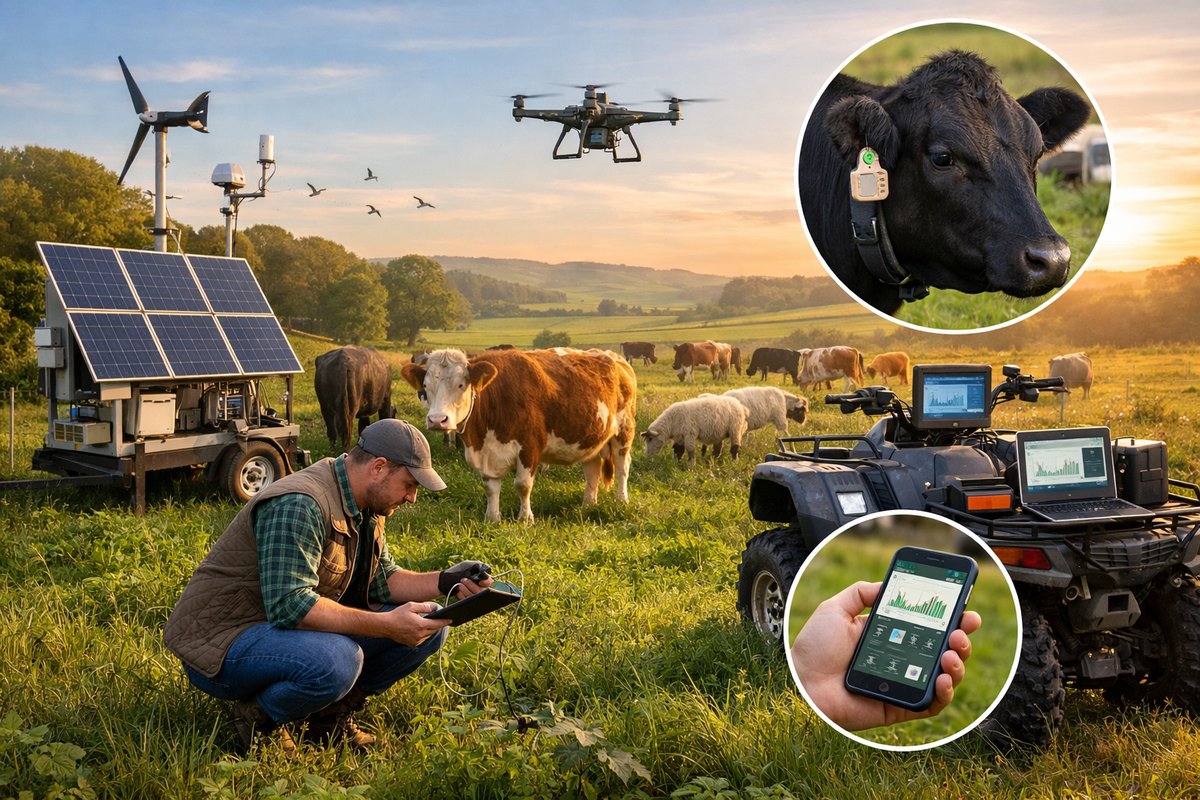
As climate concerns deepen and consumer demand for ethically raised meat grows, livestock farmers are pioneering new approaches that blend traditional knowledge with cutting-edge technology. From regenerative grazing practices to sensor-based animal health monitoring, these innovations promise to reshape sustainable animal care and rural livelihoods.
In recent years, livestock farming has increasingly become a focal point for sustainability efforts, as the sector faces mounting pressure to reduce greenhouse gas emissions, improve animal welfare, and maintain soil health. While conventional intensive farming methods have often been criticized for their environmental footprint, a wave of innovation is emerging that reimagines livestock management through regenerative and technology-enabled approaches.
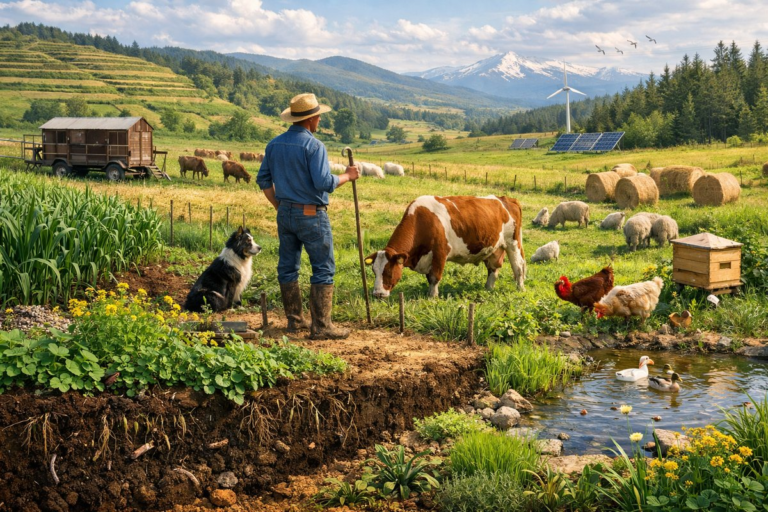
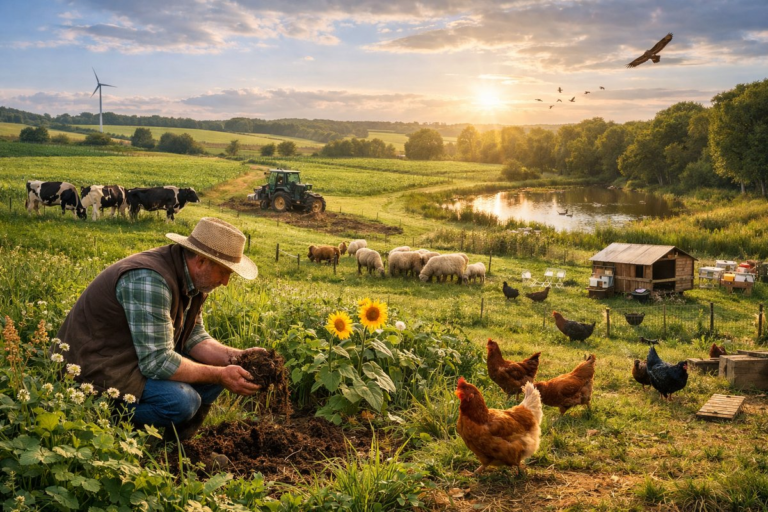
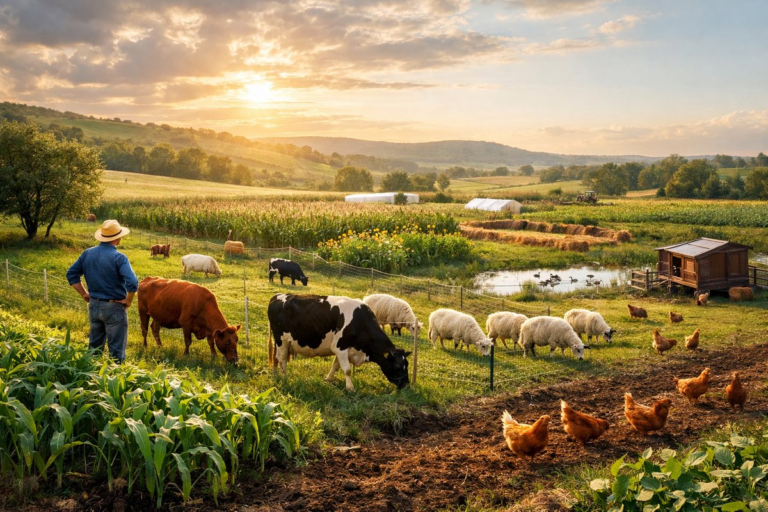
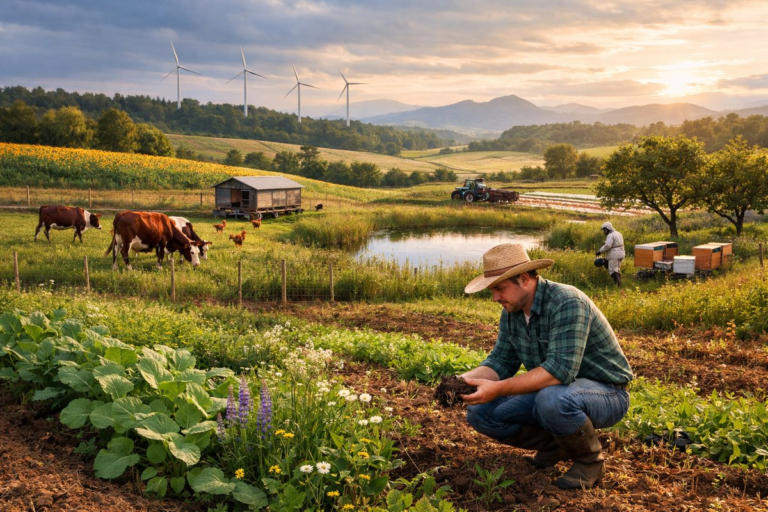
One of the most promising developments is regenerative grazing, a practice that mimics natural herd movements to restore grassland ecosystems. By rotating animals through carefully planned paddocks, farmers encourage plant regrowth, enhance soil carbon sequestration, and improve biodiversity. This approach not only reduces the need for synthetic fertilizers but also helps build resilience against drought and erosion. Recent studies have shown that well-managed grazing systems can increase soil organic matter by up to 30% over a decade, contributing to climate change mitigation.
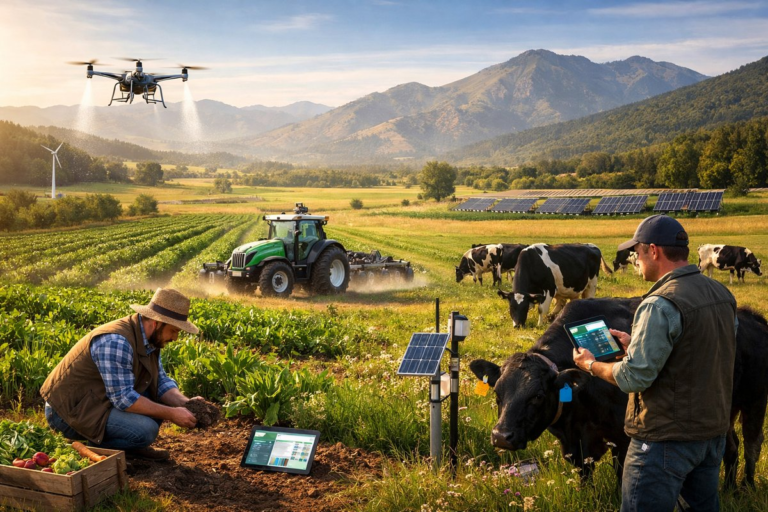
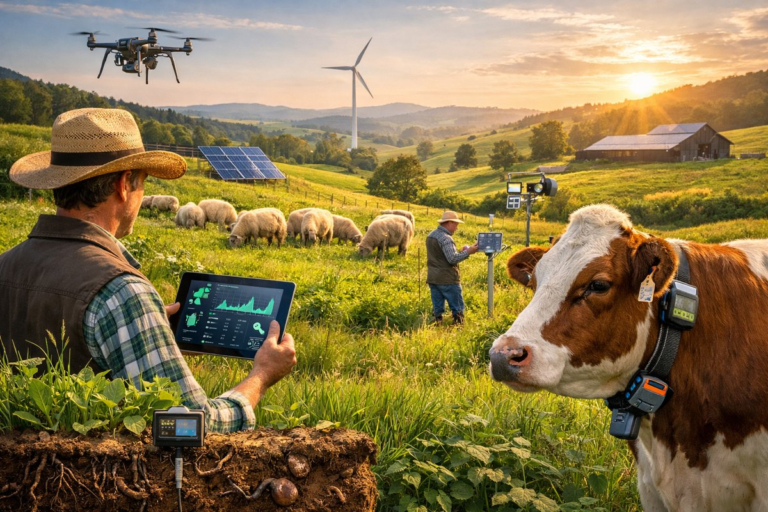
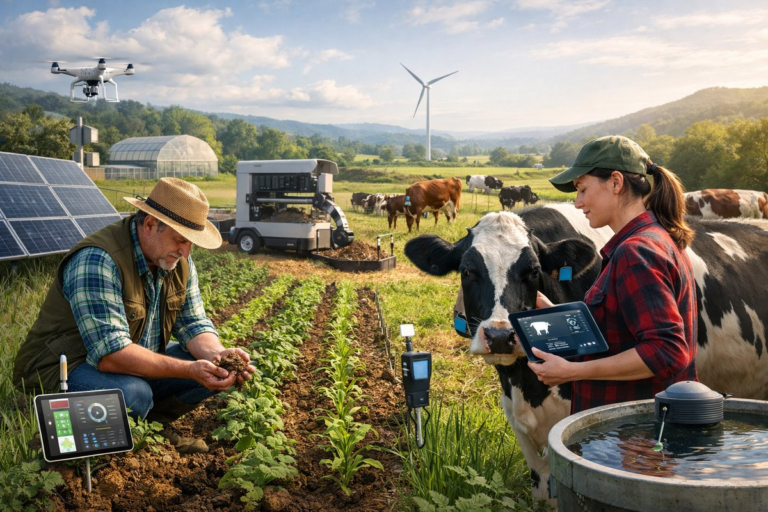
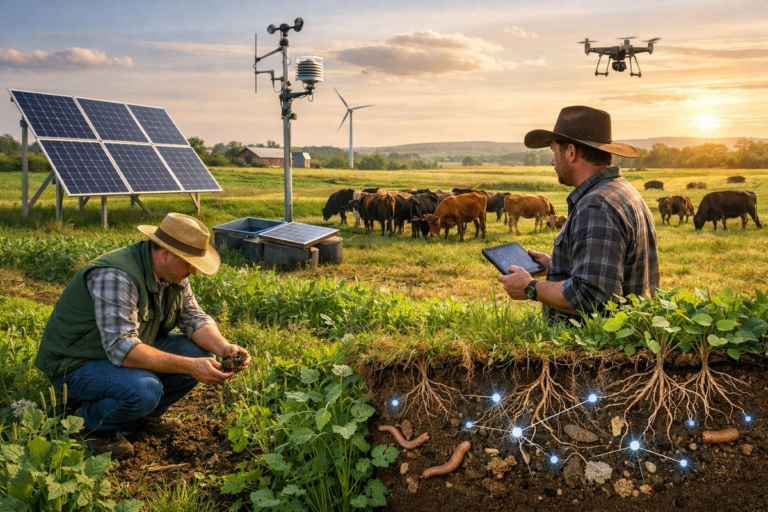
Complementing these ecological practices, advances in sensor technology and data analytics are empowering farmers with real-time insights into herd health and pasture conditions. Wearable devices fitted to livestock can monitor vital signs such as temperature, heart rate, and activity levels, enabling early detection of illness and reducing reliance on antibiotics. Additionally, soil moisture and nutrient sensors allow for precision pasture management, optimizing forage quality and minimizing waste.
Another innovative frontier is the integration of renewable energy solutions on farms. Solar-powered water pumps and automated feeders reduce fossil fuel dependence while improving animal welfare by ensuring consistent access to water and nutrition. Some farms are also experimenting with biochar amendments to pastures, which not only enhance soil fertility but also lock carbon underground for centuries.
Animal welfare remains a central concern in these transformations. Many farmers are adopting low-stress handling techniques and providing enriched environments that allow natural behaviors such as grazing, rooting, and socializing. This shift aligns with growing consumer expectations for transparency and ethical treatment in food production.
Moreover, community-based cooperatives and digital platforms are facilitating knowledge exchange and market access for small and mid-sized livestock producers. By sharing best practices and pooling resources, these networks help farmers adopt sustainable innovations more rapidly and economically.
Despite these advances, challenges remain. The upfront costs of technology and infrastructure can be prohibitive for some farmers, and there is a learning curve associated with new management systems. Policy support and financial incentives will be critical to scaling these sustainable livestock models.
Looking ahead, the convergence of ecological wisdom and digital innovation holds great promise for creating resilient, productive, and ethical livestock farming systems. As these practices become more widespread, they offer a blueprint for balancing human needs with planetary health, ensuring that rural landscapes continue to thrive for generations to come.