Location
Mount Vernon, WA 98274

Location
Mount Vernon, WA 98274
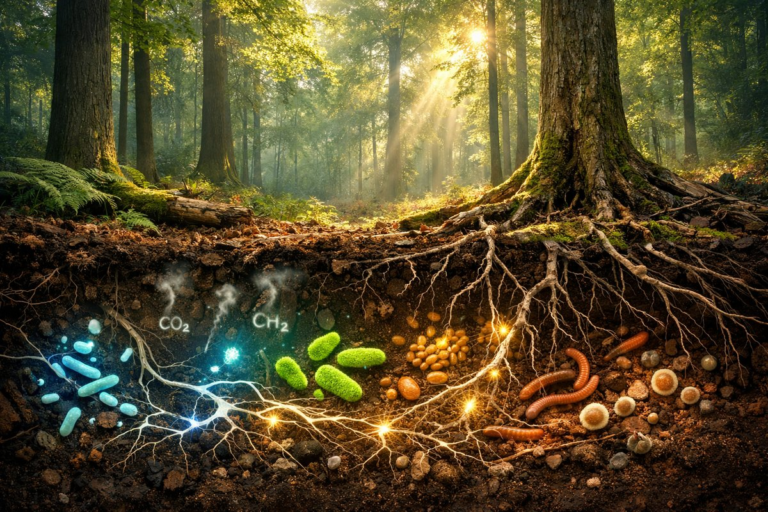
Beneath the forest floor lies a vast, interconnected web of fungal networks that play a crucial role in sustaining ecosystems and combating climate change. Recent environmental science reveals how mycorrhizal fungi not only support plant health but also influence carbon cycling and soil vitality, offering new pathways for conservation and restoration.
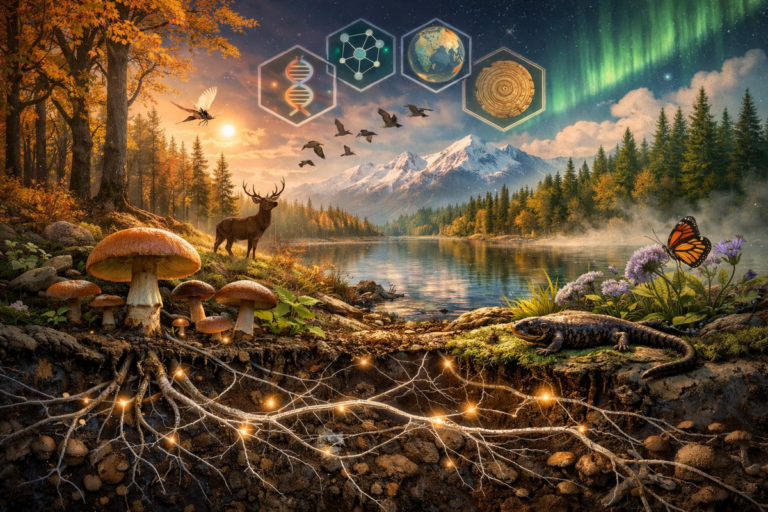
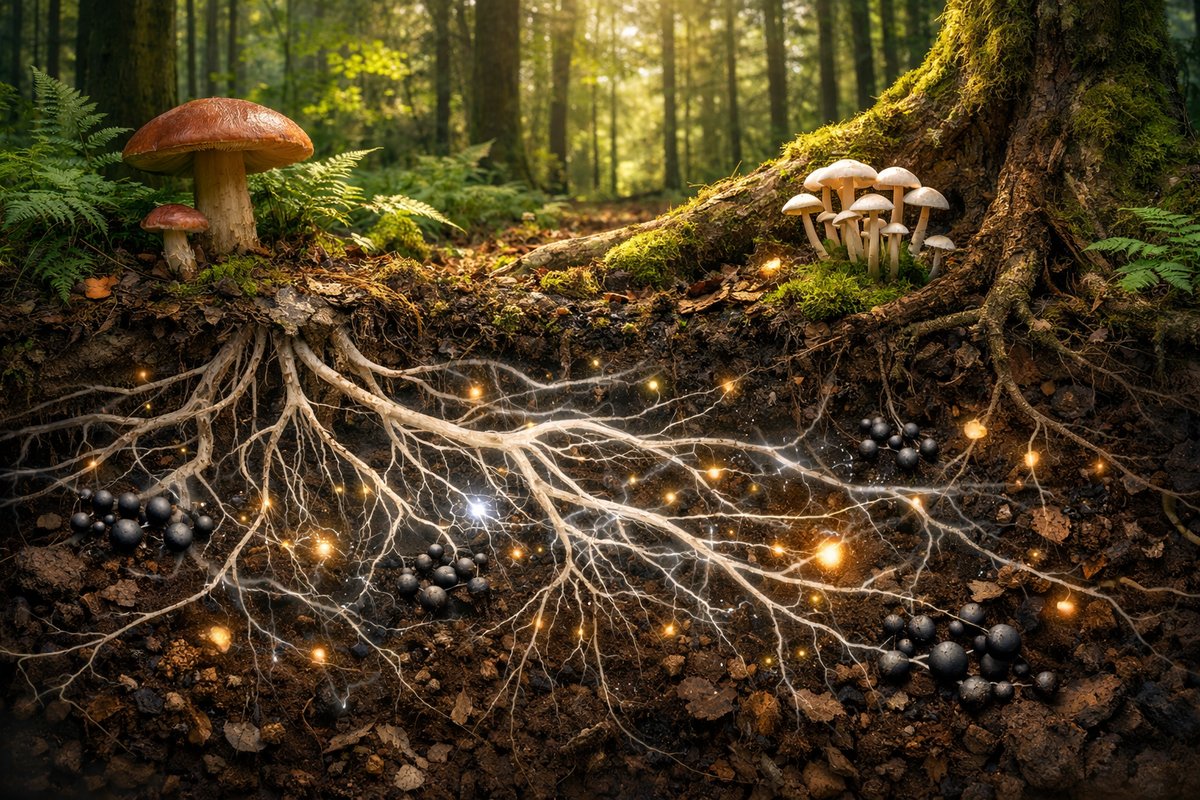
The intricate dance of life beneath our feet often escapes notice, yet it is foundational to the health of the planet’s ecosystems. Among the most fascinating players in this subterranean world are mycorrhizal fungi-microscopic organisms forming symbiotic relationships with plant roots. These fungal networks weave a complex underground web that facilitates nutrient exchange, enhances plant resilience, and influences global carbon cycles. Understanding their role offers profound insights into ecosystem stability and environmental sustainability.
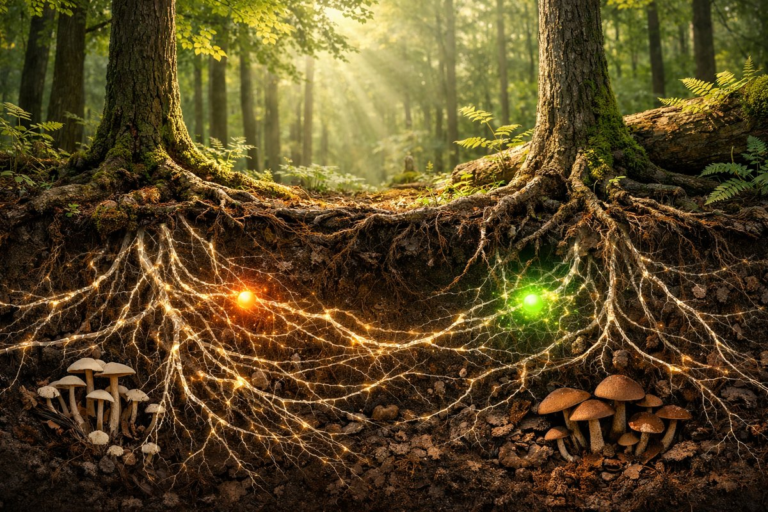
Mycorrhizal fungi colonize the roots of approximately 90% of terrestrial plants, creating a mutualistic partnership that benefits both partners. The fungi extend far-reaching hyphal threads into the soil, dramatically increasing the surface area for water and nutrient absorption. In return, plants supply the fungi with carbohydrates produced through photosynthesis. This exchange not only boosts plant growth but also fortifies plants against environmental stresses such as drought, disease, and soil contamination.
Recent studies have illuminated the broader ecological impact of these fungal networks. By connecting individual plants, mycorrhizal fungi form what ecologists call the “wood wide web,” an underground communication and resource-sharing system. This network enables plants to share nutrients and chemical signals, supporting weaker or younger plants and enhancing overall forest resilience. Such interconnectivity is vital in the face of increasing environmental pressures, including habitat fragmentation and climate change.
From a climate perspective, mycorrhizal fungi influence carbon storage in soils, a critical factor in mitigating global warming. These fungi affect the decomposition rates of organic matter and contribute to soil aggregation, which protects carbon compounds from rapid breakdown. In particular, ecosystems dominated by ectomycorrhizal fungi, such as boreal forests, tend to store more carbon in their soils compared to those dominated by arbuscular mycorrhizal fungi. This nuanced understanding is reshaping conservation strategies aimed at enhancing carbon sequestration through ecosystem management.
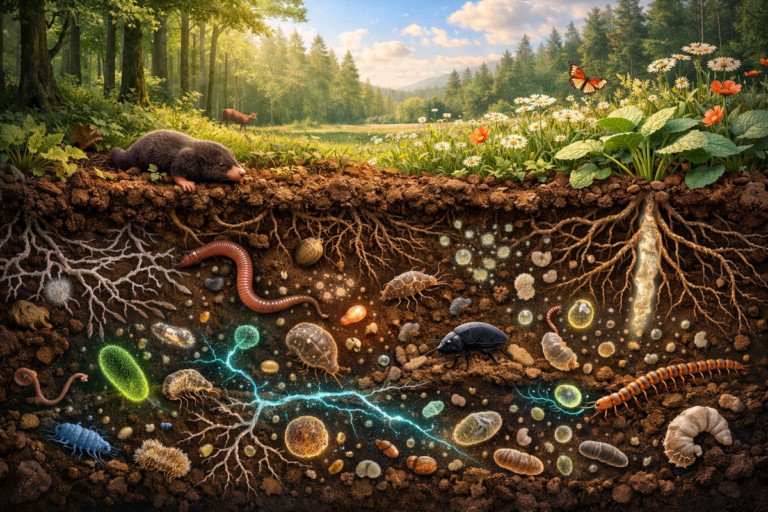
Moreover, research has revealed that mycorrhizal fungi play a role in soil health beyond nutrient cycling. They can alter soil pH, improve soil structure, and foster beneficial microbial communities, all of which contribute to ecosystem function and resilience. This knowledge is inspiring innovative approaches to land restoration, where inoculating degraded soils with native mycorrhizal fungi helps reestablish plant communities and accelerates recovery.
The implications extend to agriculture as well. Integrating mycorrhizal fungi into farming practices can reduce dependency on chemical fertilizers and pesticides, promoting sustainable food production. By enhancing nutrient uptake and plant health, these fungi support higher yields and greater crop resilience against pests and environmental fluctuations.
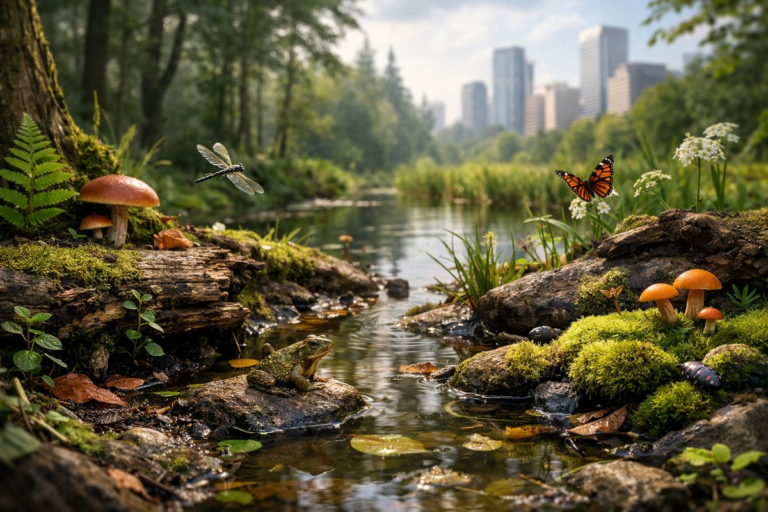
Despite their importance, mycorrhizal fungi face threats from soil disturbance, pollution, and land-use change. Conservation efforts must therefore consider not only the plants and animals above ground but also the fungal networks below. Protecting and restoring these hidden ecosystems is essential for maintaining biodiversity, ecosystem services, and climate regulation.
Emerging technologies are enabling scientists to study these underground networks with unprecedented detail. Advanced imaging, DNA sequencing, and soil sensors reveal the diversity, structure, and dynamics of mycorrhizal communities. Citizen science initiatives are also engaging the public in mapping fungal biodiversity, fostering a deeper appreciation for the unseen forces sustaining life.
In a world grappling with environmental crises, the quiet, persistent work of mycorrhizal fungi offers hope. By unveiling and nurturing these hidden networks, humanity can better steward the natural systems that sustain us. This paradigm shift-from viewing soil as inert dirt to recognizing it as a vibrant, living community-invites us to rethink our relationship with the earth and to act with greater care and curiosity.
As we continue to explore the mysteries beneath our feet, the story of mycorrhizal fungi reminds us that resilience and renewal often come from the most unassuming places. Nature’s hidden networks teach us that connection is strength, and in these subterranean alliances lies a blueprint for a more sustainable future.