Location
Mount Vernon, WA 98274

Location
Mount Vernon, WA 98274
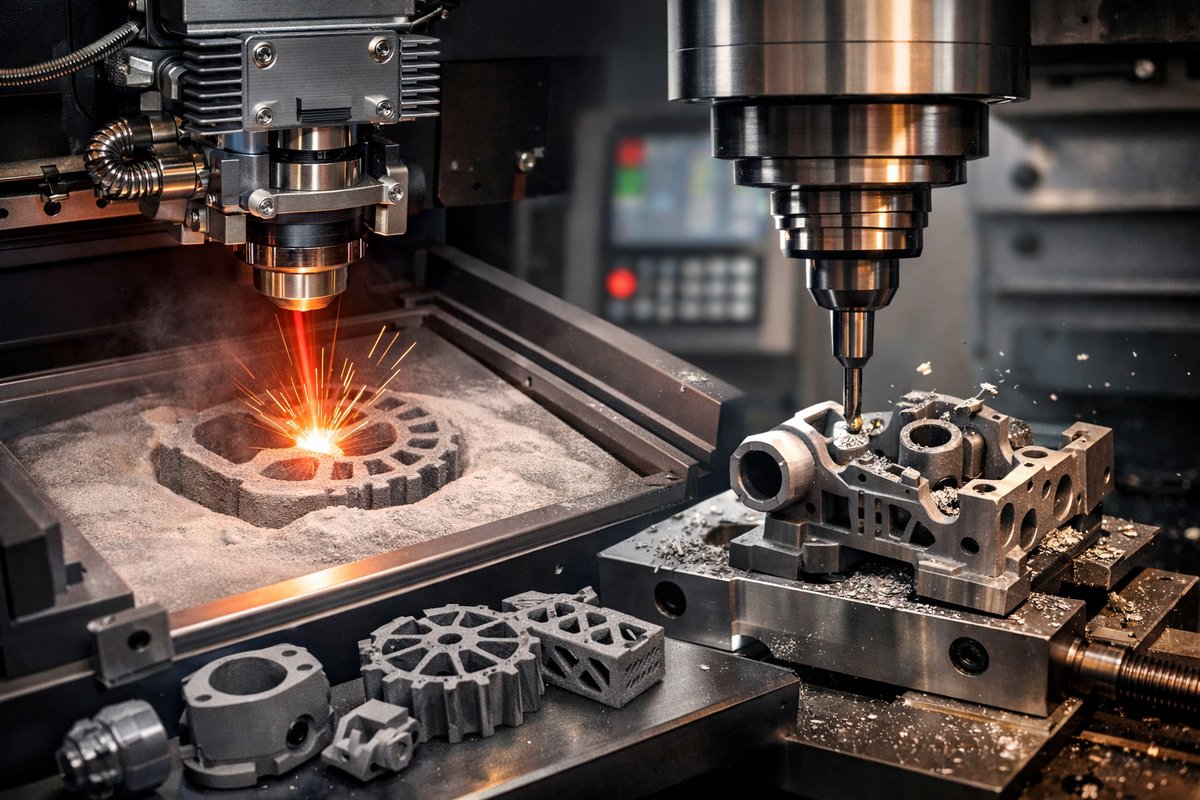
Selective Laser Sintering (SLS) offers a powerful approach to additive manufacturing by fusing powdered materials layer by layer using a laser. This guide delves into the technique's fundamentals, explores key components like laser modules and build chambers, and highlights how combining SLS with CNC finishing tools can unlock intricate, durable designs. Whether you're a curious maker or a seasoned fabricator, this detailed overview invites you to experiment with SLS and elevate your manufacturing craft.
Additive manufacturing has revolutionized how we conceive and create physical objects, shifting from subtractive methods that remove material to processes that build up layer by layer. Among the various additive techniques, Selective Laser Sintering (SLS) stands out for its ability to produce complex, functional parts from a range of powdered materials including nylon, polyamides, and even metals. This article offers an in-depth look at SLS, its core components, and practical tips to get started, along with suggestions on integrating traditional machining tools to refine your creations.
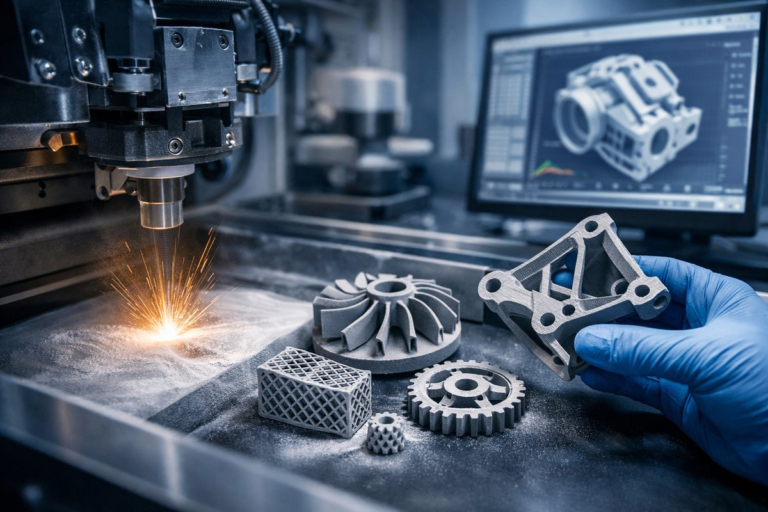
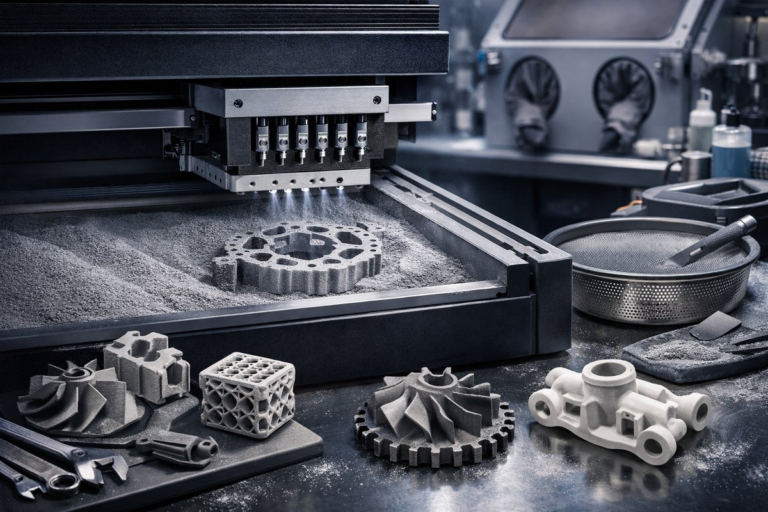
At its core, Selective Laser Sintering involves spreading a thin layer of powdered material across a build platform. A high-powered laser then selectively fuses particles together by scanning the cross-section of the desired object. Once a layer is sintered, the platform lowers slightly, and a new layer of powder is applied. This cycle repeats until the entire object is formed. The result is a robust, self-supporting part with intricate geometries that would be difficult or impossible to achieve through subtractive methods alone.
One of the key advantages of SLS is its ability to work without the need for support structures. Since the unsintered powder surrounds the part during printing, it naturally supports overhangs and complex internal features. This characteristic not only expands design freedom but also reduces post-processing labor.
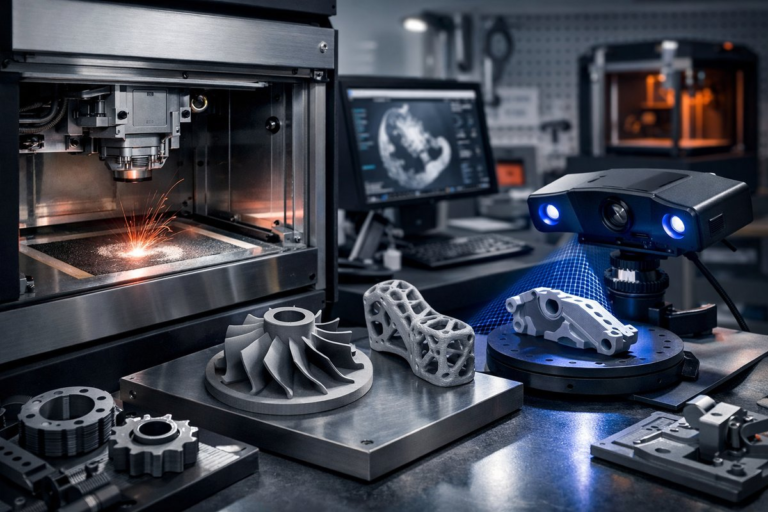
To get started with SLS, understanding the essential components of an SLS system is crucial. The laser module is the heart of the machine, typically a CO2 laser capable of delivering precise, controlled energy to sinter the powder. The build chamber maintains a controlled environment, often heated close to the powder’s melting point to reduce thermal stresses and warping. A recoater mechanism spreads the powder evenly in thin layers, usually between 50 to 150 microns thick. Together, these components orchestrate the careful layering and fusion that define SLS.
Material choice is another vital consideration. Nylon powders are common due to their strength, flexibility, and relatively low melting temperatures. For applications requiring higher durability or heat resistance, composite powders infused with glass or carbon fibers are available. Metal powders enable the production of functional metal parts, though these typically require specialized SLS machines with higher-powered lasers and inert gas atmospheres.
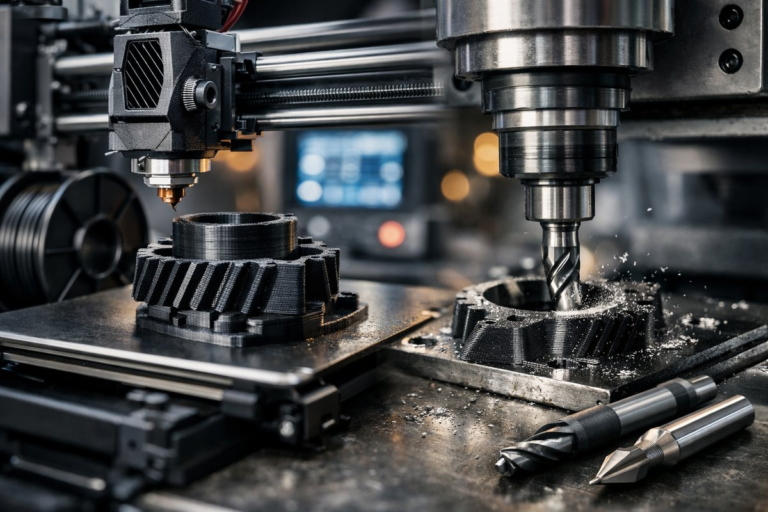
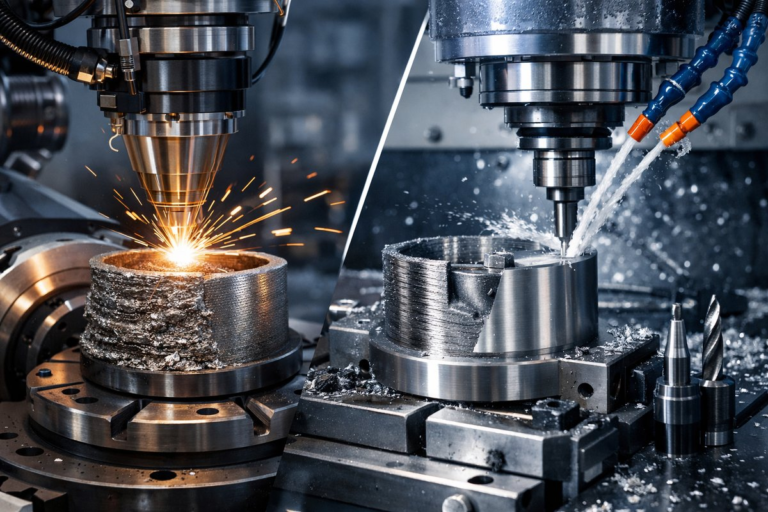
Once your part is printed, post-processing steps enhance its appearance and mechanical properties. Removing excess powder is the first step, often done with compressed air or bead blasting. Surface finishing can include tumbling, sanding, or coating to achieve the desired texture and strength. Here, integrating subtractive manufacturing tools such as CNC mills or routers can be invaluable. For example, a CNC mill equipped with a fine end mill can precisely trim or drill features, add threads, or smooth critical surfaces that require tight tolerances.
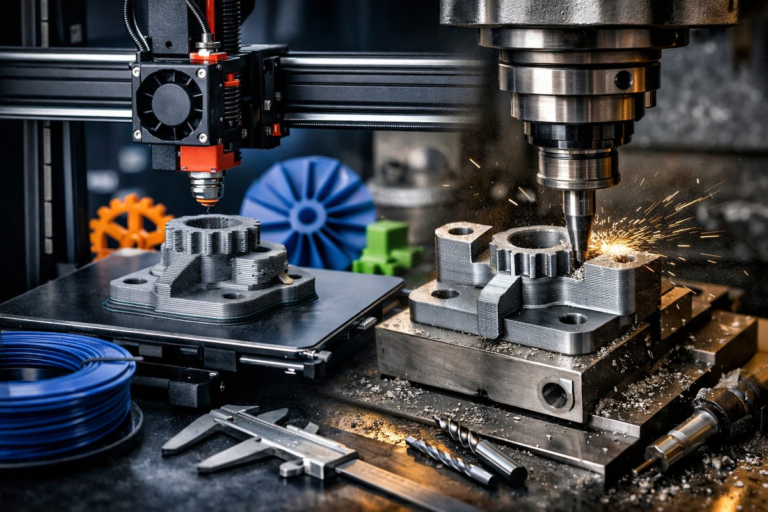
Combining SLS with CNC finishing marries the best of additive and subtractive worlds. The additive process excels at creating complex internal geometries and lightweight lattice structures, while CNC machining ensures dimensional accuracy and surface quality where needed. This hybrid workflow is gaining traction in aerospace, medical device manufacturing, and custom tooling.
For those eager to experiment with SLS, desktop and industrial-scale machines are available at various price points. Entry-level desktop SLS printers provide a hands-on experience with smaller build volumes and simplified interfaces, ideal for prototyping and educational purposes. Industrial SLS systems offer larger build areas, faster print speeds, and compatibility with a wider range of materials.
When selecting an SLS machine or service, consider the following:
– Laser power and type: Higher wattage lasers sinter faster and handle tougher materials.
– Build volume: Match the machine’s capacity to the size of parts you plan to create.
– Powder handling and safety features: Proper ventilation and powder recycling improve safety and sustainability.
– Software capabilities: User-friendly slicing and part orientation tools streamline preparation.
To complement your SLS workflow, investing in quality tools and accessories is essential. A precision CNC mill with micro end mills allows you to refine printed parts with accuracy. A bead blasting cabinet helps clean and finish surfaces uniformly. Additionally, powder sieves and storage containers maintain powder quality and reduce waste.
In summary, Selective Laser Sintering opens new horizons for additive manufacturing by enabling intricate designs, robust materials, and reduced need for supports. By understanding its components, materials, and post-processing options-including the strategic use of CNC machining-you can harness SLS’s full potential. Whether crafting custom prototypes, functional parts, or artistic objects, this versatile technique invites makers to explore a fusion of innovation and craftsmanship. Embrace the challenge of building up layer by layer and discover the rewarding discipline of revealing form through addition and refinement.