Location
Mount Vernon, WA 98274

Location
Mount Vernon, WA 98274
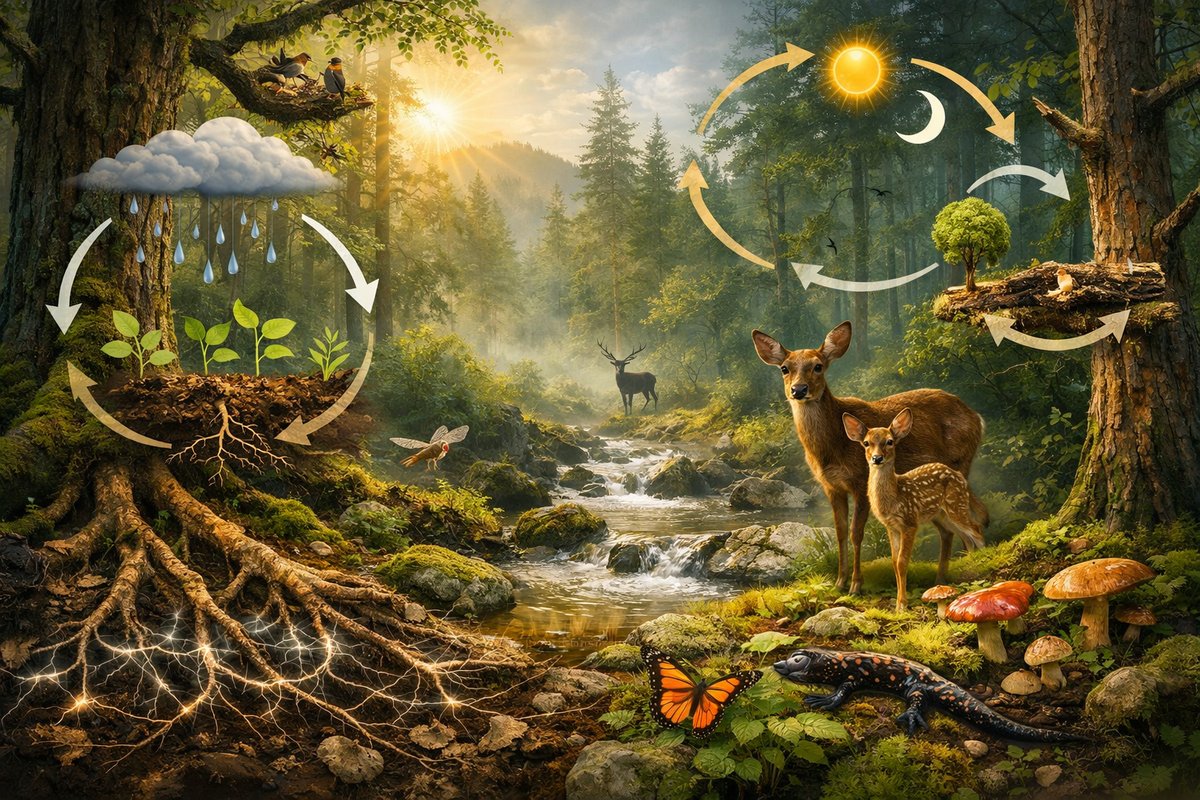
Forests, often seen as static backdrops, are dynamic systems pulsing with resilience and complexity. Recent environmental science research reveals how interconnected species and natural cycles enable forests to adapt to climate shifts, highlighting the profound lessons nature offers for sustainability and stewardship.
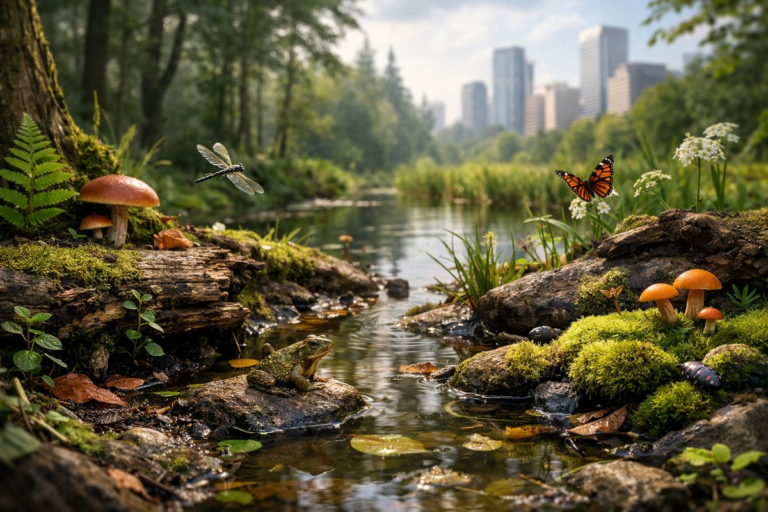
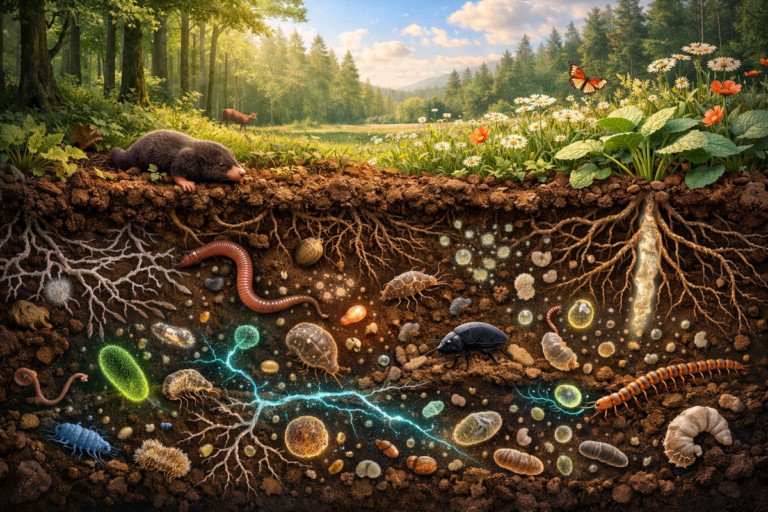
Forests have long captivated human imagination as serene sanctuaries and vital lungs of the planet. Yet beneath the canopy lies an intricate, ever-shifting web of life, a delicate choreography of species interactions and environmental processes that sustain resilience in the face of change. Recent advances in environmental science deepen our understanding of these natural networks, revealing how forests adapt and persist amid challenges like climate change, invasive species, and human impact.
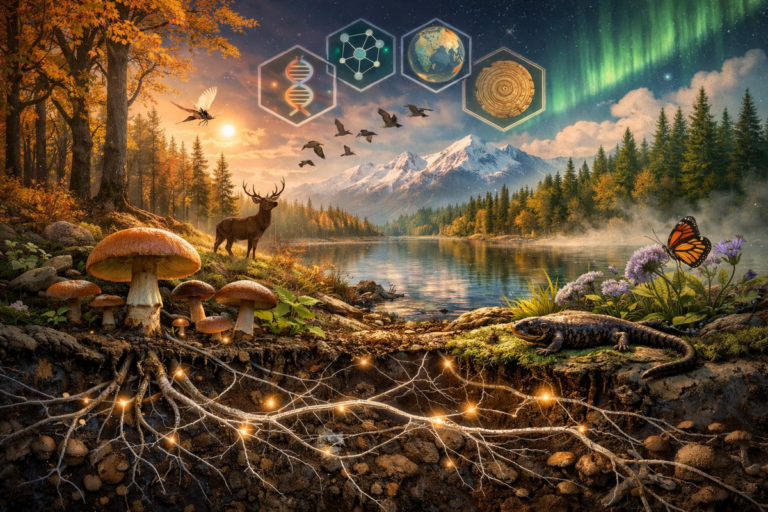
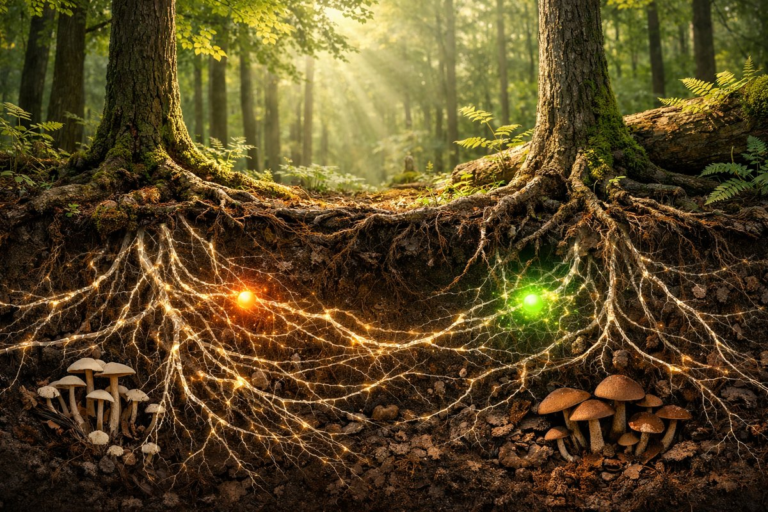
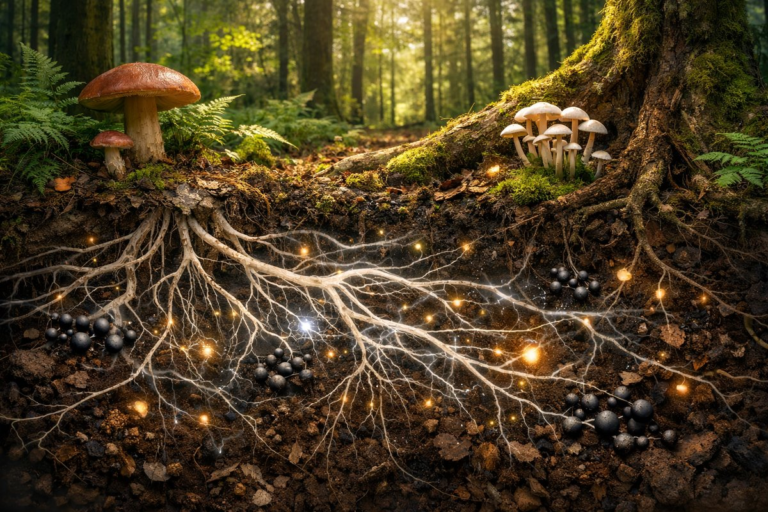
At the heart of forest resilience is biodiversity – the variety of life from towering trees to microscopic fungi. Each species plays a role, weaving connections that stabilize ecosystems. For instance, mycorrhizal fungi form symbiotic relationships with tree roots, enhancing nutrient uptake and water absorption. This underground network not only supports individual trees but also links different species, facilitating resource sharing and collective resistance to stress.
Scientists now recognize that these fungal networks are critical to forest health and regeneration. Studies show that after disturbances such as wildfires or storms, mycorrhizal fungi help accelerate recovery by improving soil structure and fostering seedling growth. This insight challenges previous assumptions that forests regenerate solely through seed dispersal and highlights the importance of below-ground biodiversity in ecosystem resilience.
Climate change adds urgency to understanding these dynamics. Rising temperatures and altered precipitation patterns disrupt established species relationships and phenological cycles – the timing of biological events like flowering and migration. Some tree species may struggle to adapt, while others shift their ranges or alter growth patterns. However, the complex interdependencies within forests can buffer these impacts. For example, diverse tree communities often show greater stability because if one species declines, others may fill ecological roles, maintaining overall function.
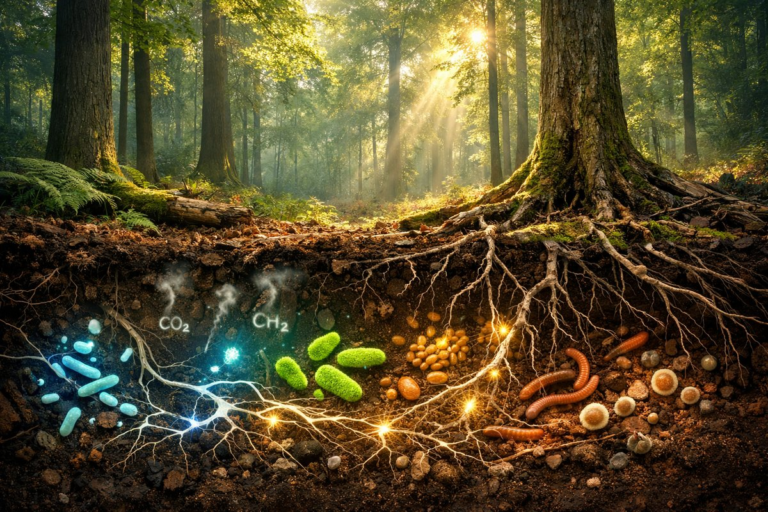
Moreover, forests themselves influence climate regulation through carbon sequestration. Healthy, resilient forests absorb vast amounts of atmospheric carbon dioxide, mitigating greenhouse gas accumulation. Yet disturbances and degradation can turn forests from carbon sinks into sources, releasing stored carbon and exacerbating climate change. Therefore, protecting and restoring forest ecosystems is pivotal not only for biodiversity but also for global climate goals.
Human activities intersect with these natural processes in profound ways. Deforestation, fragmentation, and pollution disrupt species interactions and degrade habitats. Conversely, sustainable forestry practices, rewilding efforts, and community-led conservation initiatives foster resilience by preserving ecological complexity and promoting natural regeneration.
Engaging with forests through the lens of resilience invites a shift from viewing nature as a static resource to appreciating it as a dynamic partner. This perspective encourages humility and stewardship, emphasizing the need to support natural processes rather than imposing rigid controls. It also inspires curiosity about the subtle signals forests send – the timing of leaf unfurling, the chorus of bird calls at dawn, the quiet pulse of fungal networks beneath our feet.
In a world facing unprecedented environmental challenges, forests offer a profound lesson: resilience emerges from diversity, connection, and adaptation. By observing, learning from, and protecting these living systems, we not only safeguard the natural world but also nurture our own capacity to endure and thrive.
As we continue to explore the mysteries of forest ecosystems, the invitation remains open to notice, remember, and belong – to the living world that sustains us all.